
Urgent Care Apps Market Report 2026
Global Outlook – By Type (Pre-Hospital Emergency Care And Triaging Apps, In-Hospital Communication And Collaboration Apps, Post-Hospital Apps), By Technology (Phone-Based Apps, Web-Based Apps, Wearable Patient-Centric Apps), By Clinical Area (Trauma, Stroke, Cardiac Conditions, Other Clinical Areas) - Market Size, Trends, And Global Forecast 2026-2030
Urgent Care Apps Market Overview
• Urgent Care Apps market size has reached to $4.5 billion in 2025 • Expected to grow to $23.47 billion in 2030 at a compound annual growth rate (CAGR) of 39.1% • Growth Driver: Diabetes Epidemic Fuels Surge In Urgent Care Apps Market • Market Trend: Increasing Focus On Embracing AI For Enhanced Virtual Healthcare Solutions • North America was the largest region in 2025 and Asia-Pacific is the fastest growing region.Market Gains By 2030 – Top Opportunities By Segment
Market Gain identifies the most promising market opportunities by highlighting the segments or products expected to generate the highest incremental revenue growth over the next five years.
What Is Covered Under Urgent Care Apps Market?
Urgent care apps refer to digital health applications that enable users to locate and map the closest urgent care facilities, obtain information on urgent and emergency conditions, and get healthcare services quickly and conveniently. These apps are designed to increase patient safety, facilitate access to care, and support the provision of more effective and efficient healthcare. The main types of urgent care apps are pre-hospital emergency care and triaging apps, in-hospital communication and collaboration apps, and post-hospital apps. Pre-hospital emergency care and triaging applications refer to smartphone programs made to help field emergency medical workers, such as paramedics and EMTs (Emergency Medical Technicians), quickly and precisely rank patients' needs according to how serious their conditions are. Several types of technologies are involved, such as phone-based apps, web-based apps, and wearable patient-centric apps. Various types of clinical areas include trauma, stroke, cardiac conditions, and others.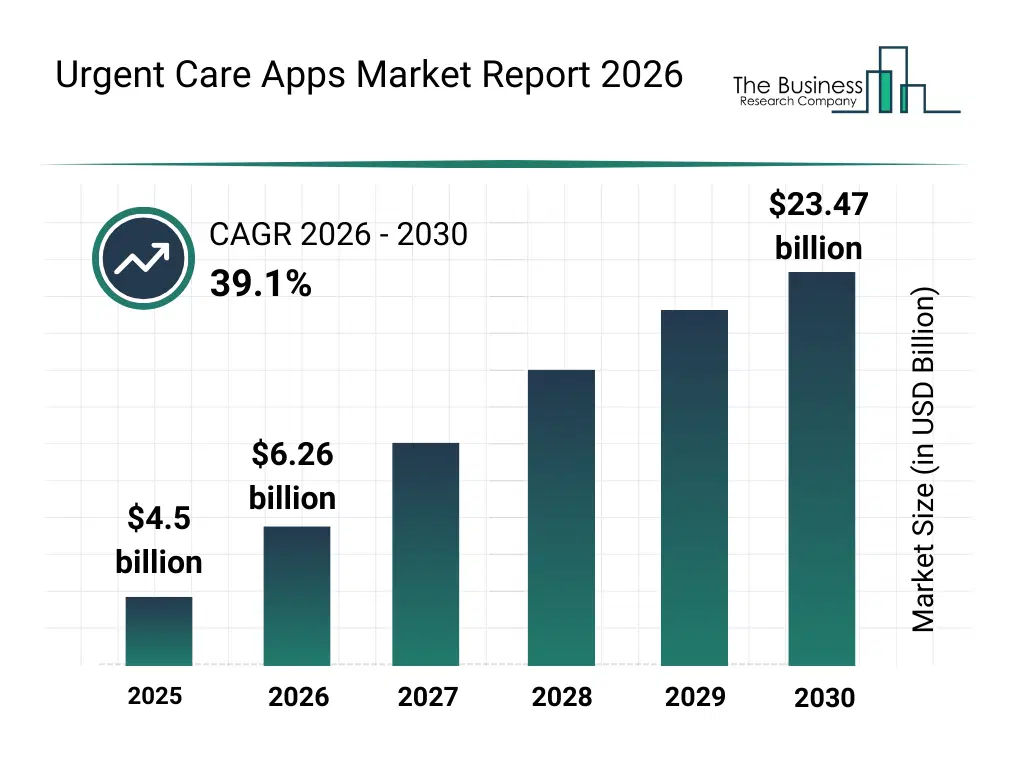
What Is The Urgent Care Apps Market Size and Share 2026?
The urgent care apps market size has grown exponentially in recent years. It will grow from $4.5 billion in 2025 to $6.26 billion in 2026 at a compound annual growth rate (CAGR) of 39.1%. The growth in the historic period can be attributed to increasing smartphone penetration, growth in digital health adoption, rising demand for on-demand healthcare access, expansion of urgent care networks, improved mobile internet availability.What Is The Urgent Care Apps Market Growth Forecast?
The urgent care apps market size is expected to see exponential growth in the next few years. It will grow to $23.47 billion in 2030 at a compound annual growth rate (CAGR) of 39.1%. The growth in the forecast period can be attributed to increasing investments in digital health platforms, rising demand for remote triage solutions, expansion of value-based care models, growing integration of ai in patient engagement, increasing regulatory support for telehealth. Major trends in the forecast period include increasing adoption of telehealth-integrated urgent care apps, rising use of AI-based symptom triage, growing deployment of real-time care navigation tools, expansion of wearable-connected emergency apps, enhanced focus on patient data security.
Global Urgent Care Apps Market Segmentation
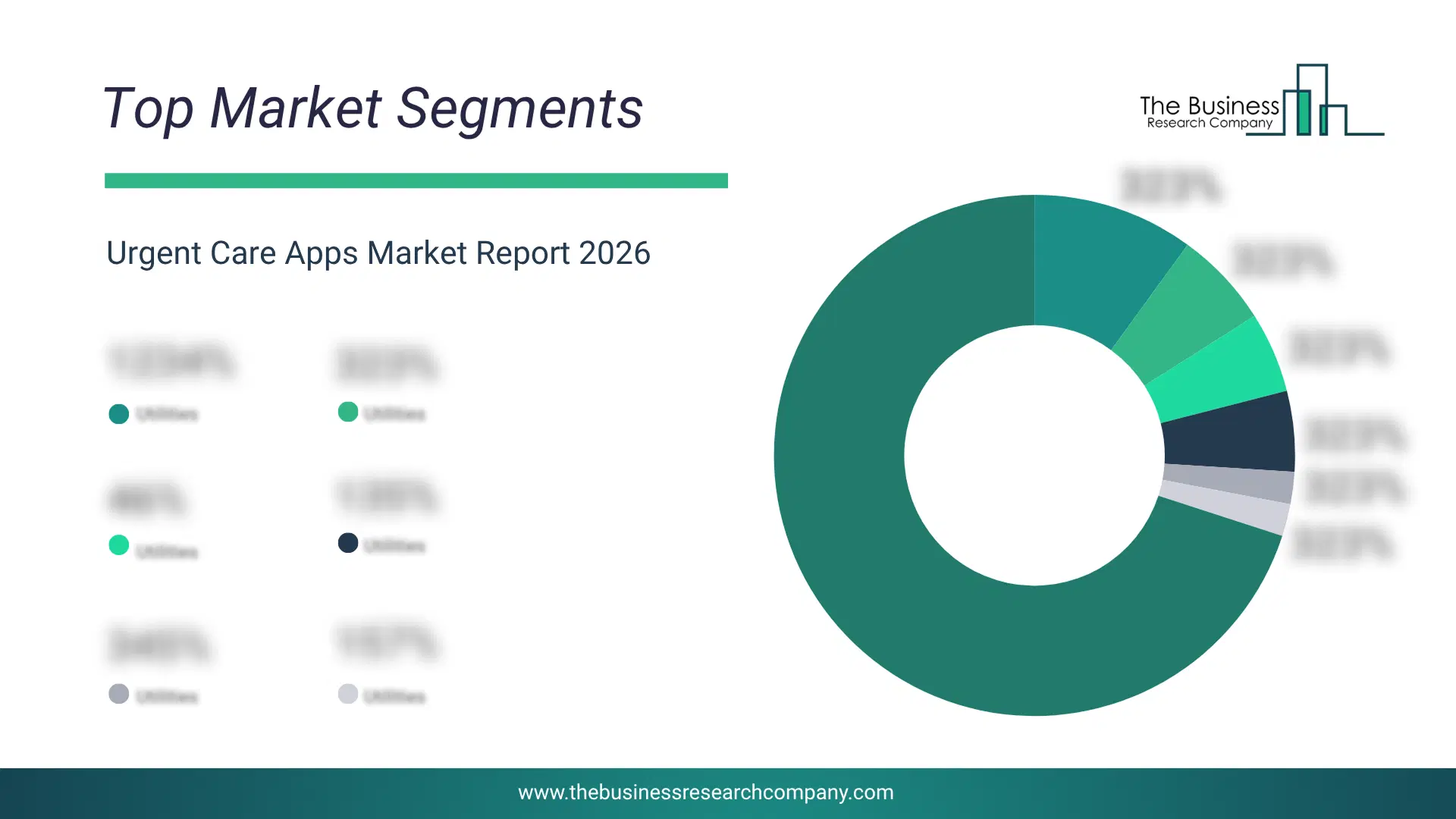
1) By Type: Pre-Hospital Emergency Care And Triaging Apps, In-Hospital Communication And Collaboration Apps, Post-Hospital Apps 2) By Technology: Phone-Based Apps, Web-Based Apps, Wearable Patient-Centric Apps 3) By Clinical Area: Trauma, Stroke, Cardiac Conditions, Other Clinical Areas Subsegments: 1) By Pre-Hospital Emergency Care And Triaging Apps: Symptom Checker Apps, Triage Apps, Remote Patient Monitoring Apps 2) By In-Hospital Communication And Collaboration Apps: Secure Messaging Apps, Team Collaboration Tools, Patient Management Systems 3) By Post-Hospital Apps: Follow-Up Care Apps, Medication Management Apps, Telehealth Apps The top segments in the urgent care apps market will be: • Pre-Hospital Emergency Care And Triaging Apps will reach $11.22 Billion by 2030. • In-Hospital Communication And Collaboration Apps will reach $6.53 Billion by 2030. • Post-Hospital Apps will reach $5.66 Billion by 2030.What Is The Driver Of The Urgent Care Apps Market?
The rise in chronic diseases, such as diabetes, is expected to propel the growth of the urgent care apps market going forward. A chronic disease is an ongoing medical condition that usually lasts three months or longer and frequently needs constant supervision and care. Diabetes, a metabolic chronic illness, is characterized by increased blood glucose (or blood sugar), leading to severe damage to the heart, blood vessels, and other body organs over time. Urgent care apps can help diabetic patients manage their health more effectively, improve quality of life, and reduce the burden on healthcare systems. These apps also help diabetic patients record and monitor their symptoms, allowing them to identify patterns and trends in their health. For instance, in January 2023, according to the National Institutes of Health, a US-based government agency, by 2035, 35.66% (range: 33.36–36.04) of adults aged 50 and older are projected to have at least one chronic condition, a figure expected to rise to 47.81% (range: 46.09–49.71) by 2050. Therefore, the increasing prevalence of chronic diseases, such as diabetes, is driving the growth of the urgent care app industry.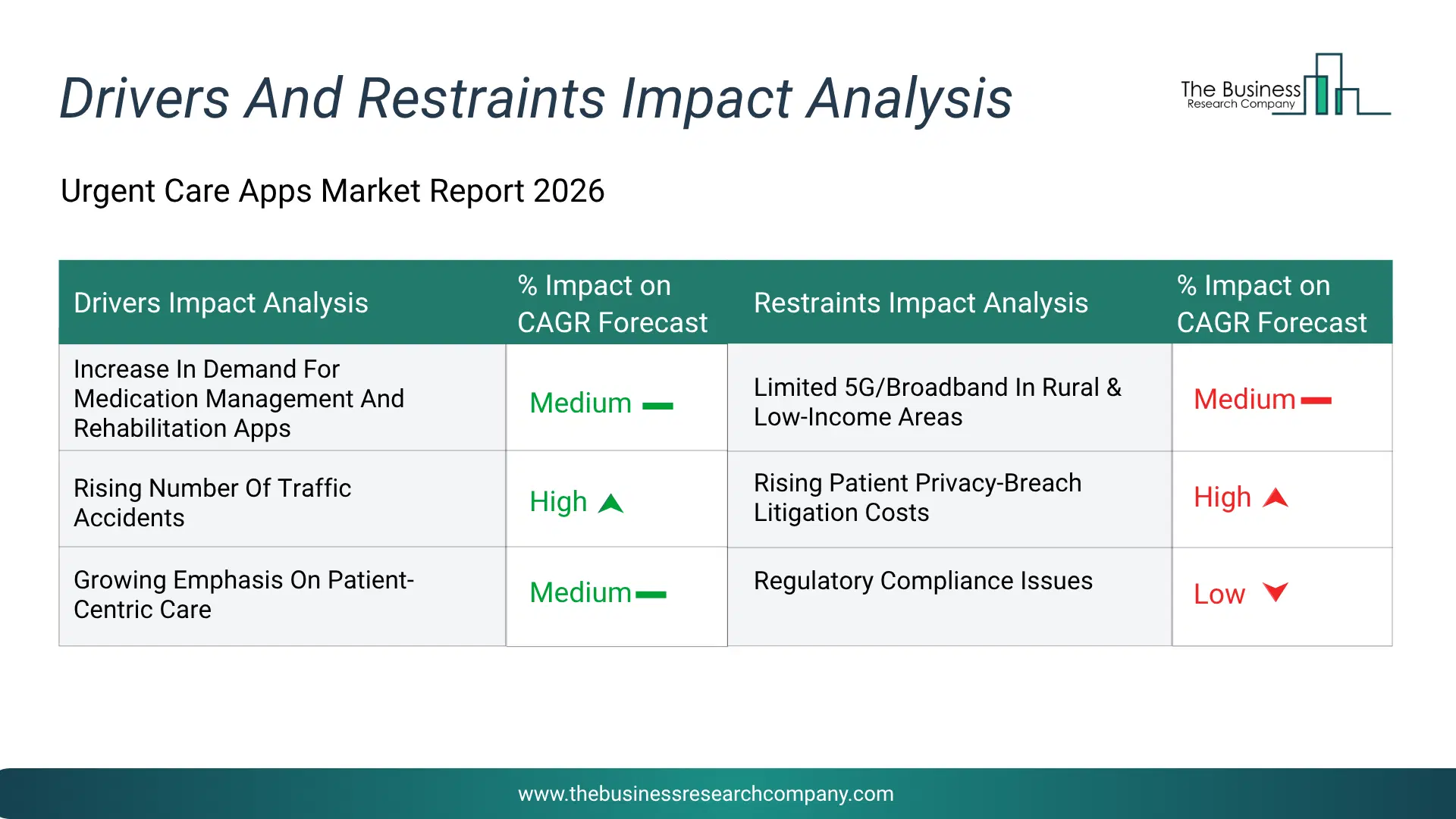
Infographic Chart Showing Key Market Drivers Analysis And Restraints For Urgent Care Apps Market
The chart presents an impact analysis of key drivers and restraints, quantifying their relative influence on the market's growth rate and helping assess the balance between growth enablers and limiting factors. This chart offers a high-level perspective; the full report contains more detailed insights.
How Will The Drivers Impact Growth In The Global Urgent Care Apps Market?
• Increase In Demand For Medication Management And Rehabilitation Apps (Medium) – During the forecast period, the increase in demand for medication management and rehabilitation apps is expected to become a key growth driver for the urgent care apps market by 2030. The increasing demand for medication management and rehabilitation apps is significantly driving the growth of the urgent care apps market by improving continuity of care and patient engagement. Patients increasingly prefer digital platforms that help them track medications, receive dosage reminders, monitor recovery progress, and communicate with healthcare professionals remotely. Urgent care apps integrate these features to reduce medication errors and improve treatment adherence after emergency or urgent care visits. The rising prevalence of chronic diseases and post-surgical recovery needs further boosts the adoption of rehabilitation-focused mobile applications. Healthcare providers are also encouraging digital recovery monitoring to reduce hospital readmissions and enhance treatment outcomes. In addition, growing awareness regarding remote healthcare accessibility supports wider utilization of these applications. As healthcare systems continue shifting toward digital patient management, demand for advanced urgent care applications continues to expand globally. • Rising Number Of Traffic Accidents (High) – During the forecast period, the rising number of traffic accidents is expected to emerge as a major factor driving the expansion of the urgent care apps market by 2030. The rising number of traffic accidents is acting as a major driver for the urgent care apps market due to the growing need for immediate medical assistance and rapid emergency response services. Urgent care applications enable users to quickly locate nearby emergency centers, contact healthcare providers, and access virtual triage support during accident-related emergencies. Increasing road congestion and urbanization in developing and developed economies are contributing to higher accident rates, thereby increasing demand for fast and accessible healthcare solutions. These apps also help emergency responders and hospitals improve coordination and reduce delays in treatment delivery. Real-time communication and digital patient information sharing enhance emergency care efficiency and patient safety. Governments and healthcare organizations are increasingly investing in digital emergency healthcare infrastructure to improve response capabilities. Consequently, the growing frequency of road accidents continues to accelerate adoption of urgent care applications worldwide. • Growing Emphasis On Patient-Centric Care (Medium) – During the forecast period, the growing emphasis on patient-centric care is expected to act as a key growth catalyst for the urgent care apps market by 2030. The growing emphasis on patient-centric care is strongly supporting the expansion of the urgent care apps market by encouraging personalized, accessible, and convenient healthcare services. Patients increasingly expect healthcare solutions that provide faster consultations, remote monitoring, digital appointment scheduling, and continuous communication with medical professionals. Urgent care apps improve patient experiences by offering easy access to medical guidance, symptom tracking, treatment updates, and follow-up support through mobile platforms. Healthcare providers are also adopting patient-centered digital tools to improve satisfaction levels, treatment adherence, and overall clinical outcomes. The integration of telehealth, AI-driven assistance, and personalized health recommendations further enhances the effectiveness of these applications. In addition, rising consumer awareness regarding digital healthcare convenience is accelerating mobile health adoption across different age groups. As healthcare systems increasingly prioritize personalized care delivery, urgent care apps are witnessing substantial market growth.How Will The Restraints Impact Growth In The Global Urgent Care Apps Market?
• Limited 5G/Broadband In Rural & Low-Income Areas (Medium) – During the forecast period, the limited 5G and broadband connectivity in rural and low-income areas acts as a significant restraint for the urgent care apps market because these applications rely heavily on stable internet access for real-time communication, teleconsultations, and emergency response coordination. Poor network infrastructure reduces the effectiveness of video consultations, remote monitoring, and digital triaging services, particularly during medical emergencies where rapid connectivity is essential. Many rural populations also experience limited smartphone penetration and lower digital literacy, which further restricts app adoption. Healthcare providers face challenges in delivering uninterrupted digital healthcare services in underserved regions due to unreliable connectivity. In addition, delayed data transmission can negatively impact patient outcomes and reduce trust in urgent care platforms. The digital divide between urban and rural healthcare infrastructure slows market expansion across developing economies. As a result, insufficient broadband availability continues to hinder the widespread adoption of urgent care applications. • Rising Patient Privacy-Breach Litigation Costs (High) – During the forecast period, the rising patient privacy-breach litigation costs are restraining the growth of the urgent care apps market because these applications handle highly sensitive medical and personal health information. Increasing cyberattacks, data breaches, and unauthorized access incidents have intensified concerns regarding patient confidentiality and digital healthcare security. Healthcare providers and app developers are required to invest heavily in cybersecurity infrastructure, encryption technologies, and secure cloud storage systems to comply with healthcare data protection regulations. Legal penalties, compensation claims, and reputational damage associated with privacy violations significantly increase operational expenses for market participants. In addition, growing consumer concerns regarding misuse of medical data may reduce trust in digital healthcare platforms and discourage app adoption. Frequent litigation risks also create financial pressure on smaller healthcare technology providers. Consequently, rising data security and privacy-related costs continue to limit the growth potential of the urgent care apps market. • Regulatory Compliance Issues (Medium) – During the forecast period, the regulatory compliance issues are a major challenge for the urgent care apps market because digital healthcare applications must comply with complex healthcare regulations, patient safety standards, and regional data protection laws. Different countries maintain varying requirements regarding telemedicine practices, electronic health records, medical data storage, and digital prescription services, making compliance difficult for app developers operating across multiple regions. Continuous regulatory updates also increase administrative and operational burdens for healthcare technology providers. Failure to comply with healthcare regulations can result in legal penalties, service restrictions, and reputational risks for companies. In addition, obtaining approvals and certifications for healthcare applications often requires substantial time and financial investment, delaying product launches and innovation cycles. Smaller firms may struggle to meet evolving compliance requirements due to limited resources. Therefore, regulatory complexities continue to restrain the expansion and scalability of the urgent care apps market.Key Players In The Global Urgent Care Apps Market
Major companies operating in the urgent care apps market are Teladoc Health, HeyDoctor, American Well, Carbon Health, Doctor on Demand, MDLive, Akira, Lemonaid Health, PlushCare, 98point6, HealthTap, Medici, K Health, MeMD, Maple, CareClix, LiveHealth Online, Push Doctor, Zocdoc, Brave Care, GoodRx Care, Sesame Care, RelyMD, Doctoranytime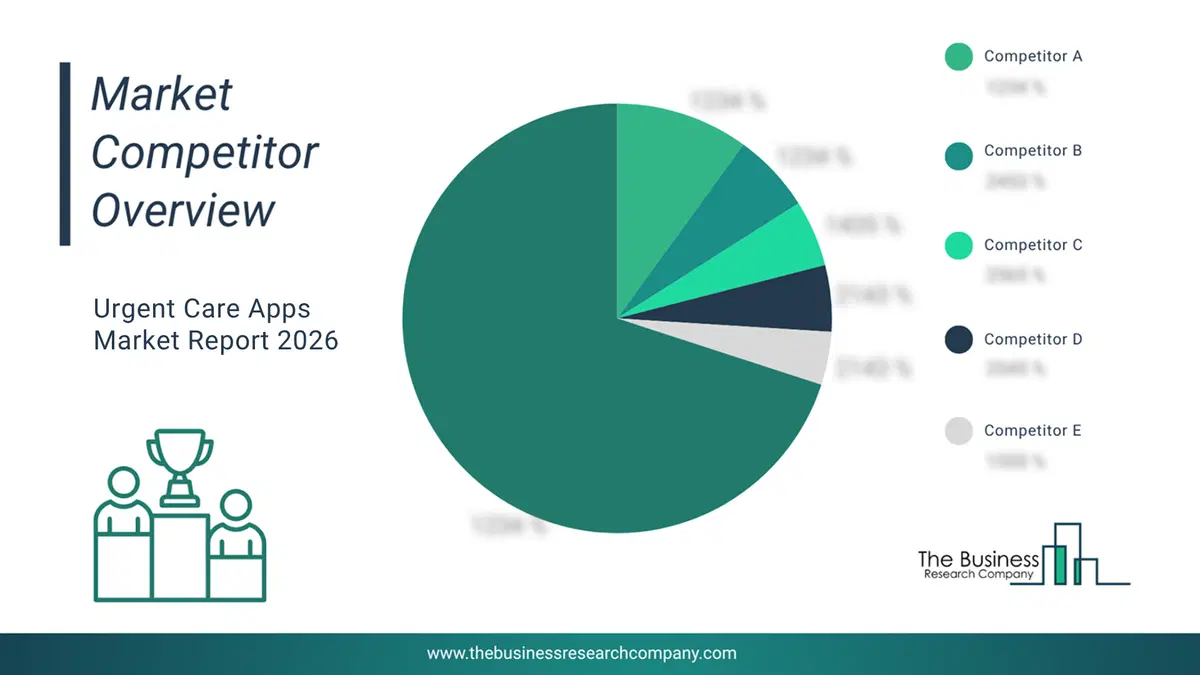
This chart is for illustrative purposes; the full report includes a detailed competitor analysis and comprehensive overview of the top 10 companies in the market.
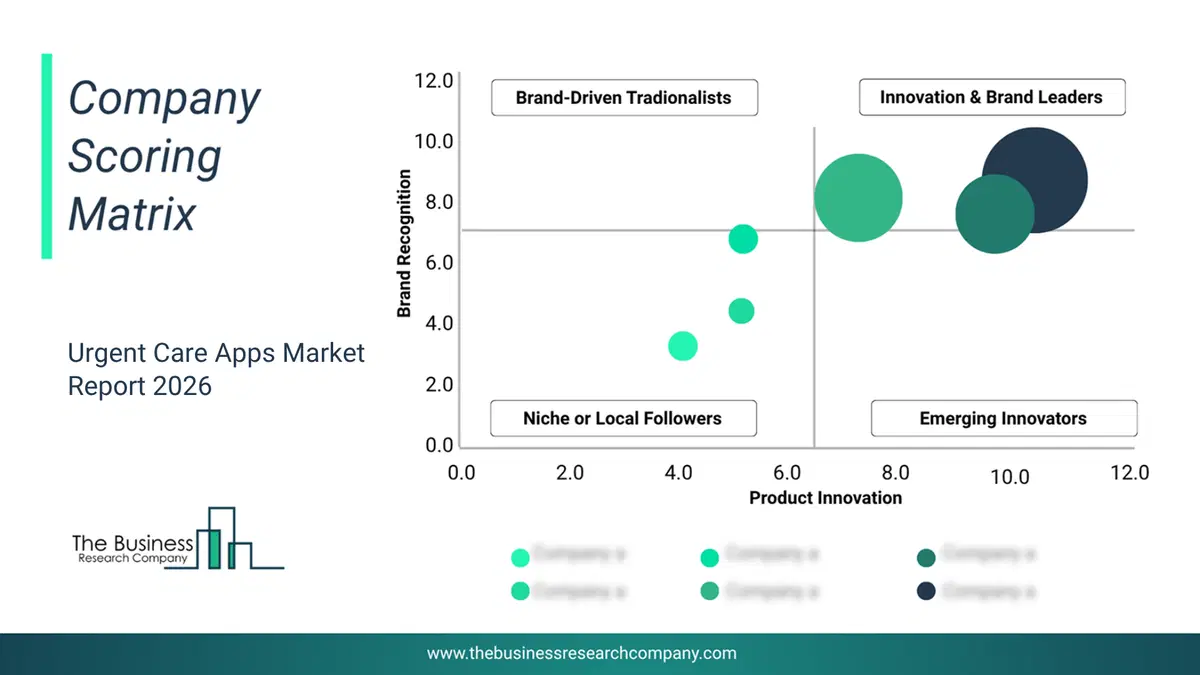
This chart maps companies by product innovation and brand strength, with bubble size indicating relative revenue, helping identify market leaders, challengers, and niche players. This is an illustrative chart; the full report provides a complete and accurate competitive analysis.
Global Urgent Care Apps Market Trends and Insights
Major companies operating in the urgent care apps market are increasing their focus on introducing advanced technological solutions, such as the Cedars-Sinai Connect app and AI-enabled urgent care apps, to gain a competitive edge. Cedars-Sinai Connect app is a digital health program that uses artificial intelligence (AI) technology to give users quick and easy access to medical services. These programs enable users to map out and seek assistance from the closest urgent care centers and obtain information on urgent and emergency medical conditions. For instance, in October 2023, Cedars-Sinai, a US-based health science and medical center, launched the Cedars-Sinai Connect app, a new artificial intelligence-driven mHealth application for patients in the USA that provides virtual care options for various clinical conditions. The app offers same-day primary care visits and round-the-clock virtual access to medical specialists for urgent treatment. The app enables patients to get care for various ailments, such as type 2 diabetes, headaches, colds, anxiety, wellness visits, and expert referrals. This AI-enabled app allows new and current patients to submit their symptoms and health information through a guided intake procedure. After evaluating the data, the app sends it to a medical expert for assessment. After that, the patient and the healthcare professional can communicate via video.What Are Latest Mergers And Acquisitions In The Urgent Care Apps Market?
In October 2023, Evernorth Health Services, a US-based healthcare solutions company and subsidiary of The Cigna Group, acquired Bright.md for an undisclosed amount. Through this acquisition, Evernorth aims to enhance its virtual urgent-care and telehealth capabilities by integrating Bright.md’s asynchronous care, triage, and navigation platform into its MDLIVE virtual care service. Bright.md is a US-based digital health company specializing in asynchronous care, triage, and virtual navigation tools.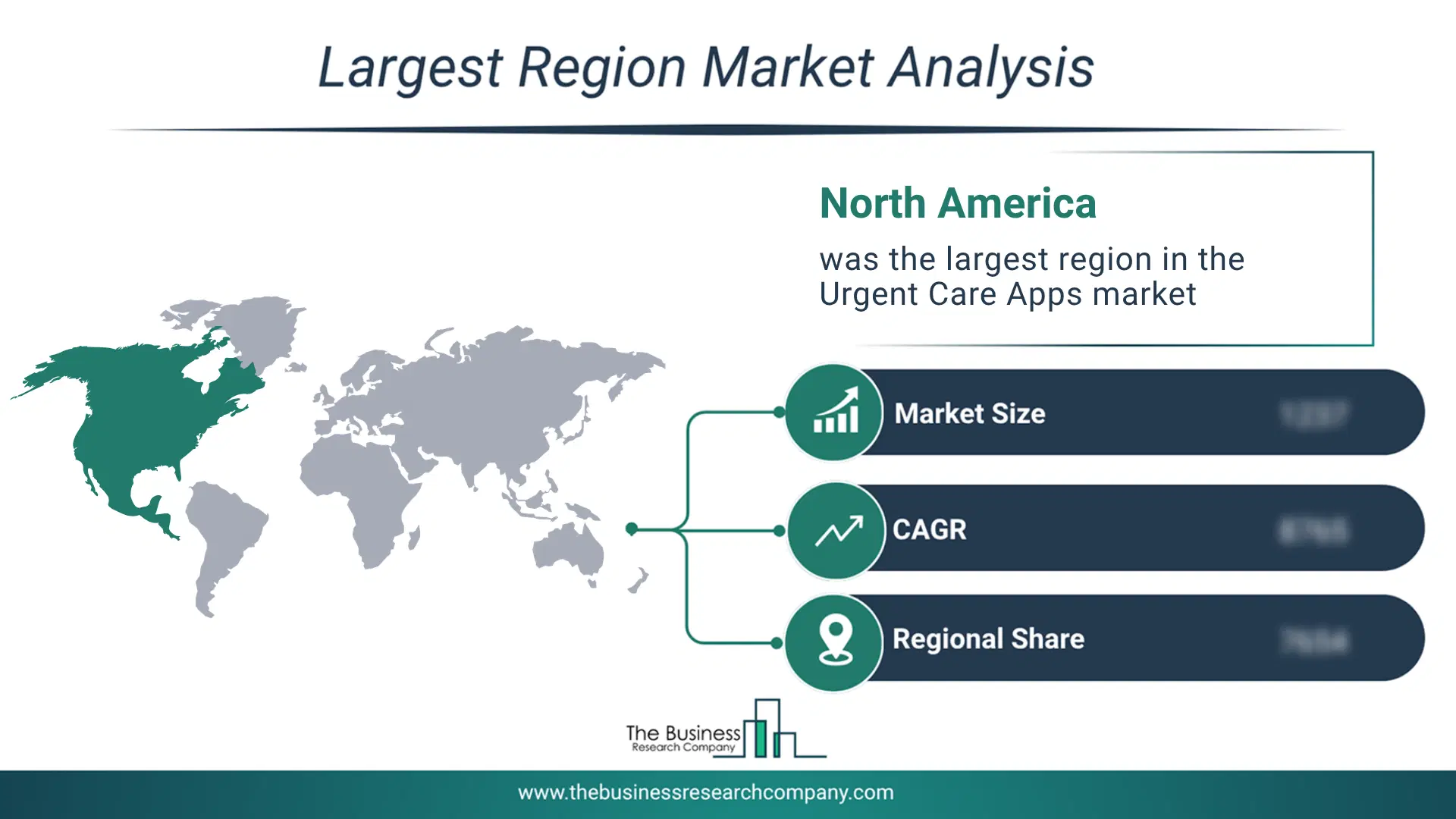
Regional Outlook
North America was the largest region in the urgent care apps market in 2025. Asia-Pacific is expected to be the fastest-growing region in the forecast period. The regions covered in this market report are Asia-Pacific, South East Asia, Western Europe, Eastern Europe, North America, South America, Middle East, Africa. The countries covered in this market report are Australia, Brazil, China, France, Germany, India, Indonesia, Japan, Taiwan, Russia, South Korea, UK, USA, Canada, Italy, Spain.What Defines the Urgent Care Apps Market?
The urgent care apps market includes revenues earned by entities by providing services such as virtual consultations, medical history, tracking symptoms, and managing medications. The market value includes the value of related goods sold by the service provider or included within the service offering. Only goods and services traded between entities or sold to end consumers are included.How is Market Value Defined and Measured?
The market value is defined as the revenues that enterprises gain from the sale of goods and/or services within the specified market and geography through sales, grants, or donations in terms of the currency (in USD unless otherwise specified). The revenues for a specified geography are consumption values that are revenues generated by organizations in the specified geography within the market, irrespective of where they are produced. It does not include revenues from resales along the supply chain, either further along the supply chain or as part of other products.
This chart presents market attractiveness based on a quantitative evaluation of growth, competition, strategic alignment, and risk, offering a clear view of opportunity areas for decision-making. This chart is for illustrative purposes; the full report contains the complete analysis.

This chart highlights the Total Addressable Market (TAM) by estimating the maximum revenue opportunity using an assumption-driven approach, supporting strategic planning and opportunity sizing across markets. The chart is illustrative; the full report provides a more comprehensive analysis.
What Key Data and Analysis Are Included in the Urgent Care Apps Market Report 2026?
The urgent care apps market research report is one of a series of new reports from The Business Research Company that provides market statistics, including industry global market size, regional shares, competitors with the market share, detailed market segments, market trends and opportunities, and any further data you may need to thrive in the urgent care apps industry. The market research report delivers a complete perspective of everything you need, with an in-depth analysis of the current and future state of the industry.Urgent Care Apps Market Report Forecast Analysis
| Report Attribute | Details |
|---|---|
| Market Size Value In 2026 | $6.26 billion |
| Revenue Forecast In 2030 | $23.47 billion |
| Growth Rate | CAGR of 39.1% from 2026 to 2030 |
| Base Year For Estimation | 2025 |
| Actual Estimates/Historical Data | 2020-2025 |
| Forecast Period | 2026 - 2030 |
| Market Representation | Revenue in USD Billion and CAGR from 2026 to 2030 |
| Segments Covered | Type, Technology, Clinical Area |
| Regional Scope | Asia-Pacific, Western Europe, Eastern Europe, North America, South America, Middle East, Africa |
| Country Scope | The countries covered in the report are Australia, Brazil, China, France, Germany, India, Indonesia, Japan, Taiwan, Russia, South Korea, UK, USA, Canada, Italy, Spain. |
| Key Companies Profiled | Teladoc Health, HeyDoctor, American Well, Carbon Health, Doctor on Demand, MDLive, Akira, Lemonaid Health, PlushCare, 98point6, HealthTap, Medici, K Health, MeMD, Maple, CareClix, LiveHealth Online, Push Doctor, Zocdoc, Brave Care, GoodRx Care, Sesame Care, RelyMD, Doctoranytime |
| Customization Scope | Request for Customization |
| Pricing And Purchase Options | Explore Purchase Options |