
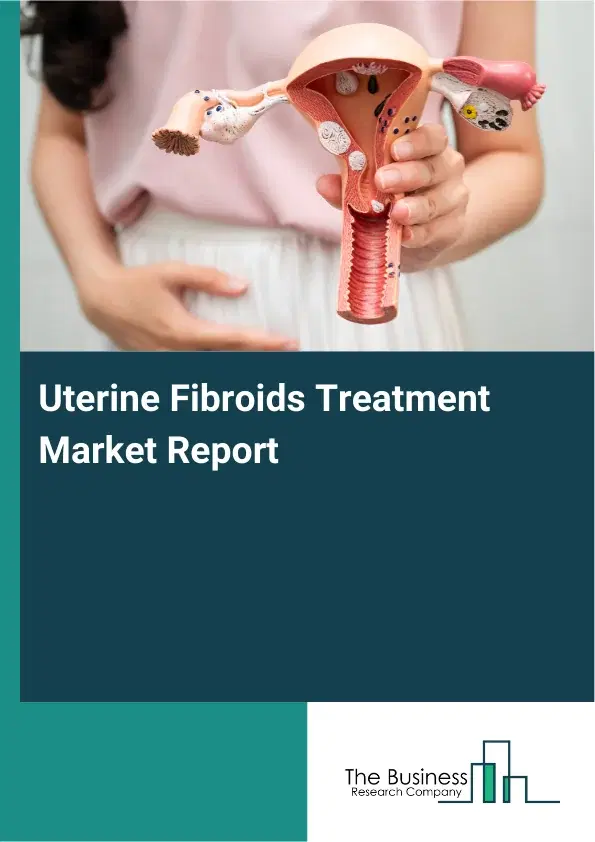
Uterine Fibroids Treatment Market Report 2026
Global Outlook – By Type (Subserosal Fibroids, Intramural Fibroids, Submucosal Fibroids, Pedunculated Fibroids), By Treatment Type (Hormone Therapy, Androgens, Gonadotropin-Releasing Hormone Antagonists, Uterine Artery Embolization, Myomectomy, Hysterectomy), By End-Users (Hospitals, Ambulatory Surgical Centers, Other End users) - Market Size, Trends, Strategies, and Forecast to 2030
Uterine Fibroids Treatment Market Overview
• Uterine Fibroids Treatment market size has reached to $4.43 billion in 2025 • Expected to grow to $7.08 billion in 2030 at a compound annual growth rate (CAGR) of 9.9% • Growth Driver: Rising Prevalence Of Uterine Fibroids Propels Growth In Treatment Market • Market Trend: Innovative Uterine Fibroid Treatment Kissei Launches Non-Hormonal Therapy YSELTY • North America was the largest region in 2025 and Asia-Pacific is the fastest growing region.What Is Covered Under Uterine Fibroids Treatment Market?
Uterine fibroids treatment refers to treatment procedures related to uterine fibroids. Uterine fibroids are non-cancerous growths that develop in the uterus and can cause symptoms such as heavy menstrual bleeding, pelvic pain, and pressure on the bladder or bowel. The main types of uterine fibroids treatment include subserosal fibroids, intramural fibroids, submucosal fibroids, and pedunculated fibroids. Subserosal fibroids refer to a benign development on the outer uterine wall also called a pedunculated fibroid which is directly connected to the uterus. It consists of various treatment types such as hormone therapy, androgens, gonadotropin-releasing hormone antagonists, uterine artery embolization, myomectomy, and hysterectomy for use in end-users such as hospitals, ambulatory surgical centers, and others.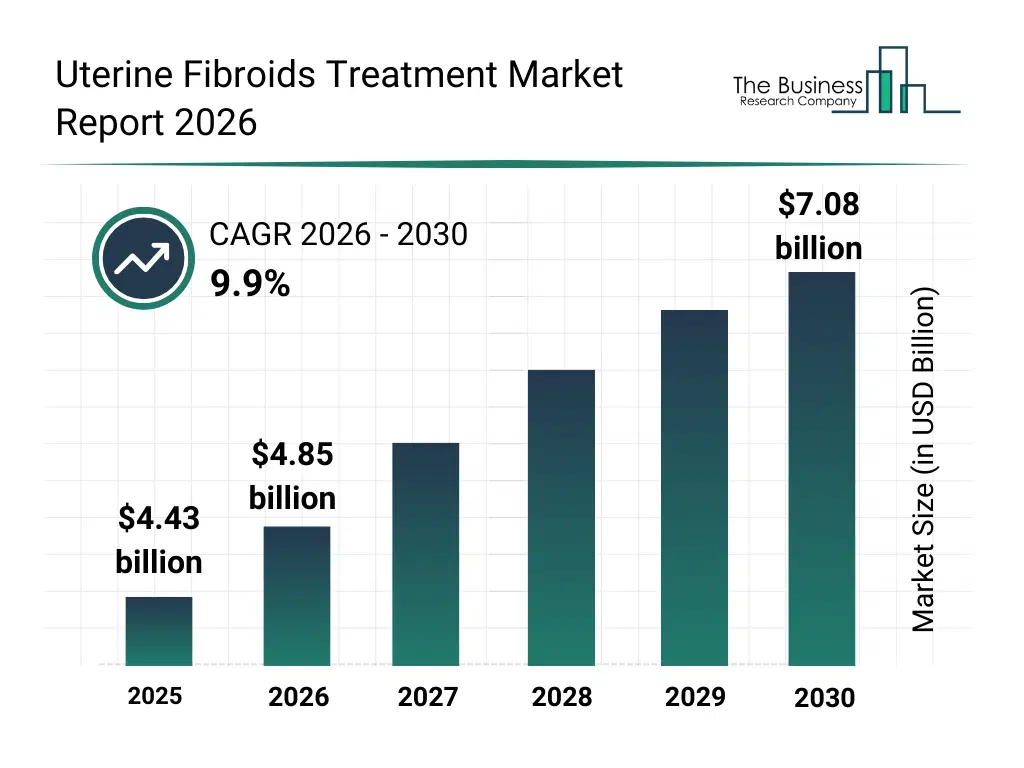
What Is The Uterine Fibroids Treatment Market Size and Share 2026?
The uterine fibroids treatment market size has grown strongly in recent years. It will grow from $4.43 billion in 2025 to $4.85 billion in 2026 at a compound annual growth rate (CAGR) of 9.7%. The growth in the historic period can be attributed to improved awareness of uterine fibroid symptoms, availability of surgical treatment options, expansion of gynecological care facilities, increasing diagnosis rates through imaging, growth of women’s healthcare services.What Is The Uterine Fibroids Treatment Market Growth Forecast?
The uterine fibroids treatment market size is expected to see strong growth in the next few years. It will grow to $7.08 billion in 2030 at a compound annual growth rate (CAGR) of 9.9%. The growth in the forecast period can be attributed to increasing adoption of non-surgical treatment alternatives, rising demand for fertility-preserving therapies, expansion of outpatient gynecological procedures, growing investment in women’s health research, increasing use of image-guided therapies. Major trends in the forecast period include increasing adoption of minimally invasive treatment procedures, growing use of hormonal and non-hormonal therapies, rising preference for uterus-preserving treatments, expansion of advanced imaging-guided interventions, enhanced patient-centric treatment planning.
Global Uterine Fibroids Treatment Market Segmentation
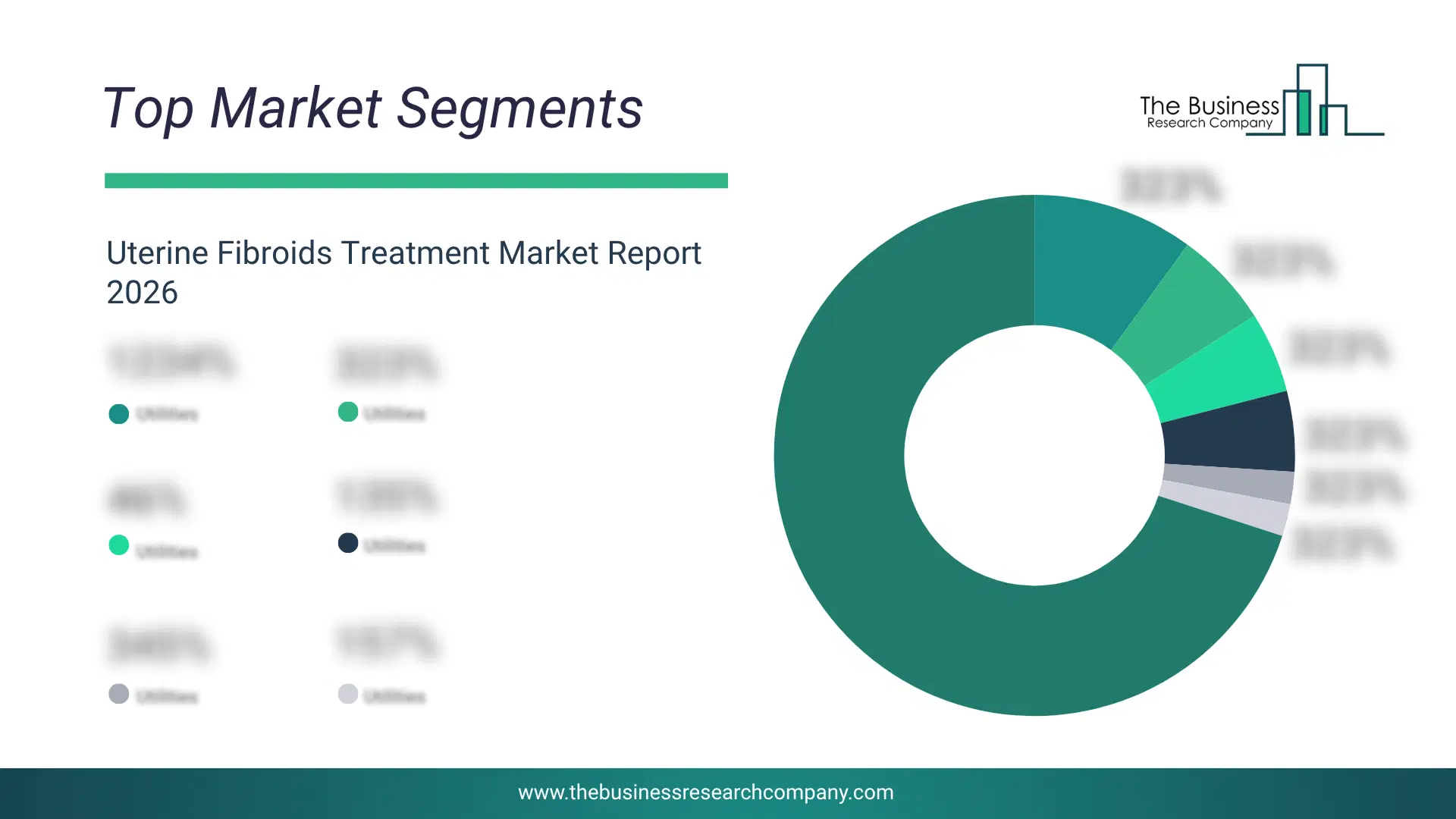
1) By Type: Subserosal Fibroids, Intramural Fibroids, Submucosal Fibroids, Pedunculated Fibroids 2) By Treatment Type: Hormone Therapy, Androgens, Gonadotropin-Releasing Hormone Antagonists, Uterine Artery Embolization, Myomectomy, Hysterectomy 3) By End-Users: Hospitals, Ambulatory Surgical Centers, Other End users Subsegments: 1) By Subserosal Fibroids: Pedunculated Subserosal Fibroids, Non-Pedunculated Subserosal Fibroids 2) By Intramural Fibroids: Small Intramural Fibroids, Large Intramural Fibroids 3) By Submucosal Fibroids: Pedunculated Submucosal Fibroids, Non-Pedunculated Submucosal Fibroids 4) By Pedunculated Fibroids: Subserosal Pedunculated Fibroids, Submucosal Pedunculated FibroidsWhat Is The Driver Of The Uterine Fibroids Treatment Market?
The high prevalence of uterine fibroids among women is expected to propel the growth of the uterine fibroids treatment market going forward. Uterine fibroids refer to non-cancerous growths that develop in the uterus and can cause symptoms such as heavy menstrual bleeding, pelvic pain, and pressure on the bladder or bowel. Uterine fibroids treatment treats fibroids by blocking the production of estrogen and progesterone and stopping menstruation and improving anemia. For instance, in September 2024, according to Oxford Academic, UK-based publisher of the journal Human Reproduction, an estimated 7.3% of Australian women had been diagnosed with uterine fibroids by age 45–49, with age-specific incidence highest among women aged 40–44 ( 5.0 new cases per 1,000 person-years).Therefore, the high prevalence of uterine fibroids among women worldwide is driving the growth of the uterine fibroids treatment industry.Key Players In The Global Uterine Fibroids Treatment Market
Major companies operating in the uterine fibroids treatment market are Gynesonics Inc., Medtronic plc, Boston Scientific Corporation, Karl Storz GmbH, Pfizer Inc., Abbvie Inc., Richard Wolf GmbH, CooperSurgical Inc., Olympus Corporation, Myovant Sciences GmbH, Insightec Ltd., Hologic Inc., Obseva SA, Eli Lilly and Company, GlaxoSmithKline plc, Stryker Corporation, Smith & Nephew plc, Minerva Surgical Inc., Ethicon Inc., Cook Medical LLC, C.R. Bard Inc., Biomerics LLC, Visionsense Corp., Halt Medical Inc., Acessa Health Inc., Blue Endo, LiNA Medical ApS, Merit Medical Systems Inc., Allergan plc, Astellas Pharma Inc.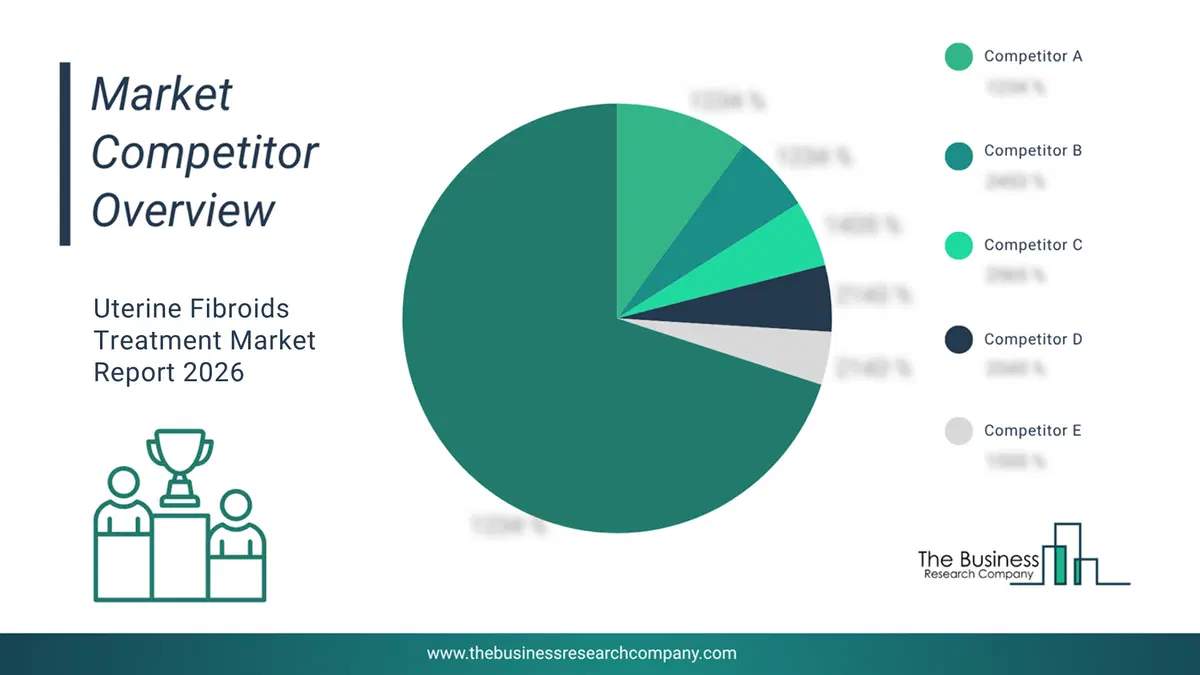
This chart is for illustrative purposes; the full report includes a detailed competitor analysis and comprehensive overview of the top 10 companies in the market.
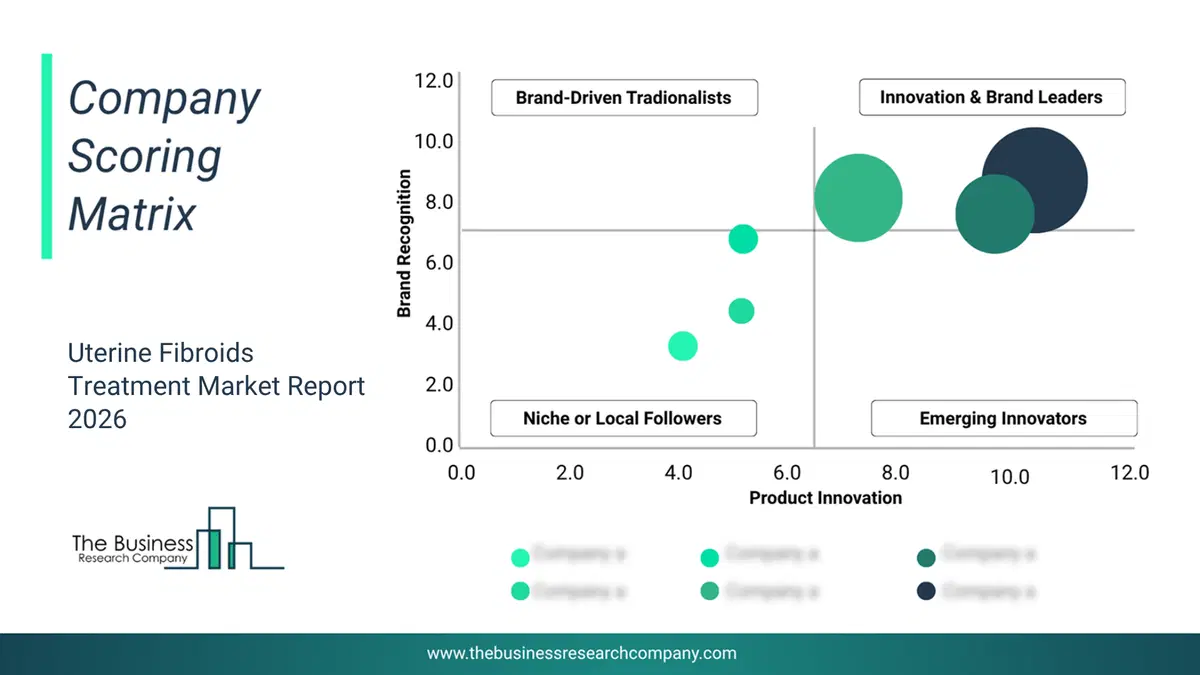
This chart maps companies by product innovation and brand strength, with bubble size indicating relative revenue, helping identify market leaders, challengers, and niche players. This is an illustrative chart; the full report provides a complete and accurate competitive analysis.
Global Uterine Fibroids Treatment Market Trends and Insights
Major companies operating in the uterine fibroid treatment market are adopting product innovations such as non-hormonal therapies and flexible dosing options to address diverse patient needs and maintain a competitive edge. Non-hormonal treatments for uterine fibroids, such as GnRH receptor antagonists, work by inhibiting gonadotropin-releasing hormone at pituitary receptors, thereby reducing estrogen production and alleviating symptoms such as heavy bleeding and pelvic pain. For instance, in September 2024, Kissei Pharmaceutical Co., Ltd., a Japan-based pharmaceutical company, launched YSELTY, a treatment for uterine fibroids, marking a significant advancement in women's healthcare. YSELTY offers a non-hormonal treatment option, providing flexible dosing tailored to individual patient needs, particularly for those with severe fibroid symptoms. As a GnRH receptor antagonist, YSELTY reduces estrogen production by inhibiting gonadotropin-releasing hormone at its pituitary receptors, effectively alleviating symptoms such as bleeding and pain.What Are Latest Mergers And Acquisitions In The Uterine Fibroids Treatment Market?
In January 2025, Hologic Inc., a US-based women’s health and medical technology company, acquired Gynesonics Inc. for approximately $350 million. Through this acquisition, Hologic aims to strengthen its portfolio of minimally invasive gynecological solutions by integrating Gynesonics’ Sonata System, an incisionless, ultrasound-guided radiofrequency ablation technology designed for the treatment of symptomatic uterine fibroids. Gynesonics Inc. is a US-based medical device company specializing in transcervical, uterus-sparing therapeutic systems for women with fibroids.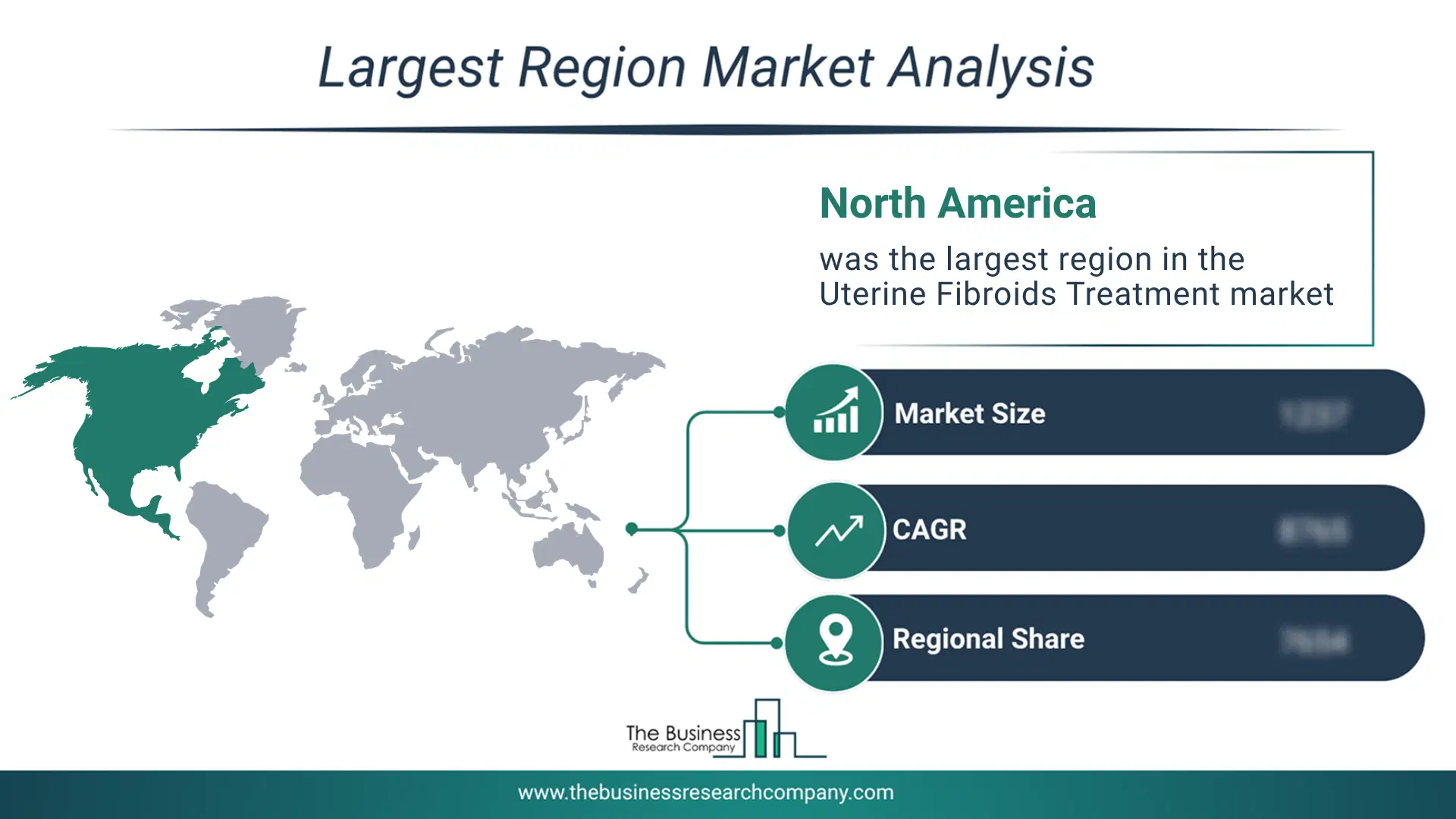
Regional Outlook
North America was the largest region in the uterine fibroids treatment market in 2025.Asia-Pacific is expected to be the fastest-growing region in the forecast period. The regions covered in this market report are Asia-Pacific, South East Asia, Western Europe, Eastern Europe, North America, South America, Middle East, Africa. The countries covered in this market report are Australia, Brazil, China, France, Germany, India, Indonesia, Japan, Taiwan, Russia, South Korea, UK, USA, Canada, Italy, Spain.What Defines the Uterine Fibroids Treatment Market?
The uterine fibroids treatment market includes revenues earned by entities by providing medical, surgical, and radiologically guided therapies available as treatments for uterine fibroids. The market value includes the value of related goods sold by the service provider or included within the service offering. Only goods and services traded between entities or sold to end consumers are included.How is Market Value Defined and Measured?
The market value is defined as the revenues that enterprises gain from the sale of goods and/or services within the specified market and geography through sales, grants, or donations in terms of the currency (in USD unless otherwise specified). The revenues for a specified geography are consumption values that are revenues generated by organizations in the specified geography within the market, irrespective of where they are produced. It does not include revenues from resales along the supply chain, either further along the supply chain or as part of other products.
This chart presents market attractiveness based on a quantitative evaluation of growth, competition, strategic alignment, and risk, offering a clear view of opportunity areas for decision-making. This chart is for illustrative purposes; the full report contains the complete analysis.

This chart highlights the Total Addressable Market (TAM) by estimating the maximum revenue opportunity using an assumption-driven approach, supporting strategic planning and opportunity sizing across markets. The chart is illustrative; the full report provides a more comprehensive analysis.
What Key Data and Analysis Are Included in the Uterine Fibroids Treatment Market Report 2026?
The uterine fibroids treatment market research report is one of a series of new reports from The Business Research Company that provides market statistics, including industry global market size, regional shares, competitors with the market share, detailed market segments, market trends and opportunities, and any further data you may need to thrive in the uterine fibroids treatment industry. The market research report delivers a complete perspective of everything you need, with an in-depth analysis of the current and future state of the industry.Uterine Fibroids Treatment Market Report Forecast Analysis
| Report Attribute | Details |
|---|---|
| Market Size Value In 2026 | $4.85 billion |
| Revenue Forecast In 2030 | $7.08 billion |
| Growth Rate | CAGR of 9.9% from 2026 to 2030 |
| Base Year For Estimation | 2025 |
| Actual Estimates/Historical Data | 2020-2025 |
| Forecast Period | 2026 - 2030 |
| Market Representation | Revenue in USD Billion and CAGR from 2026 to 2030 |
| Segments Covered | Type, Treatment Type, End-Users |
| Regional Scope | Asia-Pacific, Western Europe, Eastern Europe, North America, South America, Middle East, Africa |
| Country Scope | The countries covered in the report are Australia, Brazil, China, France, Germany, India, Indonesia, Japan, Taiwan, Russia, South Korea, UK, USA, Canada, Italy, Spain |
| Key Companies Profiled | Gynesonics Inc., Medtronic plc, Boston Scientific Corporation, Karl Storz GmbH, Pfizer Inc., Abbvie Inc., Richard Wolf GmbH, CooperSurgical Inc., Olympus Corporation, Myovant Sciences GmbH, Insightec Ltd., Hologic Inc., Obseva SA, Eli Lilly and Company, GlaxoSmithKline plc, Stryker Corporation, Smith & Nephew plc, Minerva Surgical Inc., Ethicon Inc., Cook Medical LLC, C.R. Bard Inc., Biomerics LLC, Visionsense Corp., Halt Medical Inc., Acessa Health Inc., Blue Endo, LiNA Medical ApS, Merit Medical Systems Inc., Allergan plc, Astellas Pharma Inc. |
| Customization Scope | Request for Customization |
| Pricing And Purchase Options | Explore Purchase Options |