
Vasoactive Intestinal Peptide Tumor Market Report 2026
Global Outlook – By Treatment (Surgical Intervention, Radiotherapy, Chemotherapy, Targeted Therapy), By Diagnosis (Imaging Techniques, Biopsy, Endoscopic Ultrasound), By Therapeutic Approach (Palliative Care, Curative Treatment, Adjuvant Treatment), By End-User (Hospitals, Cancer Specialty Clinics, Diagnostic Laboratories) - Market Size, Trends, Strategies, and Forecast to 2030
Vasoactive Intestinal Peptide Tumor Market Overview
• Vasoactive Intestinal Peptide Tumor market size has reached to $1.61 billion in 2025 • Expected to grow to $2.15 billion in 2030 at a compound annual growth rate (CAGR) of 6% • Growth Driver: The Rise In Targeted Therapy Fueling The Growth Of The Market Due To Enhancing Precision And Symptom Management In VIP Tumors • Market Trend: Advancements In Long-Acting Injectables Product Driving Patient Treatment Outcomes • North America was the largest region in 2025.What Is Covered Under Vasoactive Intestinal Peptide Tumor Market?
A vasoactive intestinal peptide (VIP) tumor, also known as VIPoma, is a rare neuroendocrine tumor that typically arises in the pancreas. It secretes excessive amounts of VIP, leading to severe watery diarrhea, dehydration, and electrolyte imbalances. Elevated VIP levels in the blood confirm the diagnosis, and treatment may involve surgery, medications, or targeted therapies. The main treatment types for vasoactive intestinal peptide tumors are surgical intervention, radiotherapy, chemotherapy, and targeted therapy. Surgical intervention for vasoactive intestinal peptide tumors aims to remove localized tumors safely, relieve symptoms, and prevent complications through complete or minimally invasive resection. It is diagnosed by various methods such as imaging techniques, biopsy, and endoscopic ultrasound, which include several therapeutic approaches such as palliative care, curative treatment, and adjuvant treatment. It is used by various end-users, including hospitals, cancer specialty clinics, and diagnostic laboratories.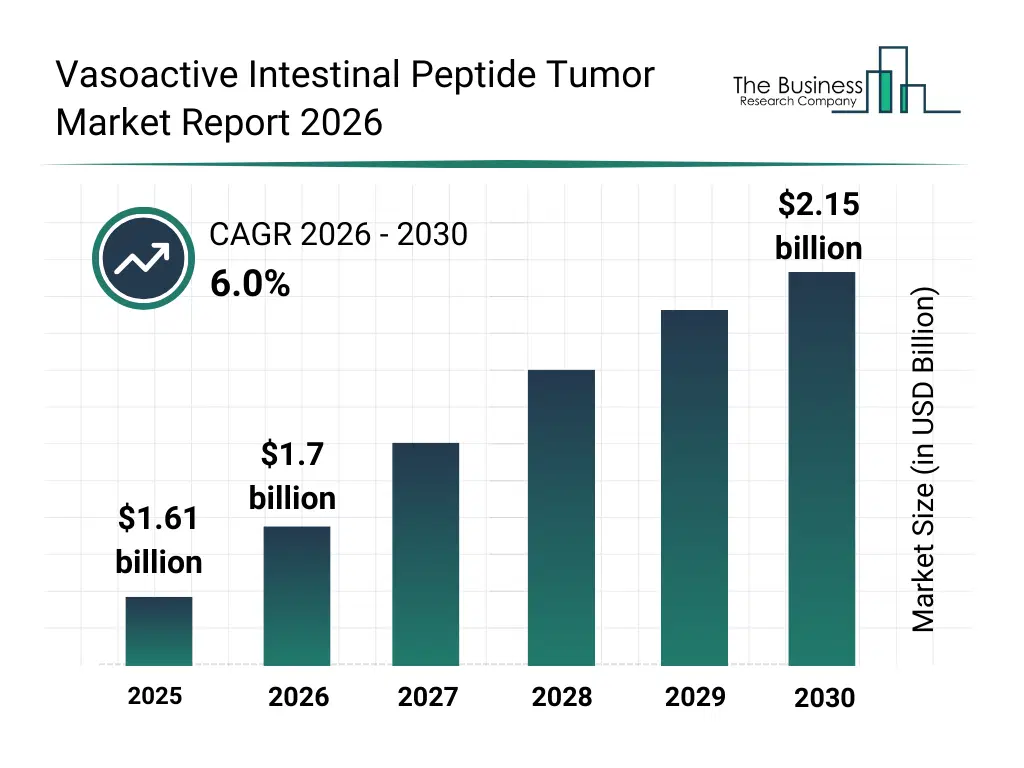
What Is The Vasoactive Intestinal Peptide Tumor Market Size and Share 2026?
The vasoactive intestinal peptide tumor market size has grown strongly in recent years. It will grow from $1.61 billion in 2025 to $1.7 billion in 2026 at a compound annual growth rate (CAGR) of 6.2%. The growth in the historic period can be attributed to improved detection of neuroendocrine tumors, increased availability of specialized oncology centers, growing use of imaging-based diagnostics, early adoption of somatostatin analog therapies, advancements in pancreatic surgery techniques.What Is The Vasoactive Intestinal Peptide Tumor Market Growth Forecast?
The vasoactive intestinal peptide tumor market size is expected to see strong growth in the next few years. It will grow to $2.15 billion in 2030 at a compound annual growth rate (CAGR) of 6.0%. The growth in the forecast period can be attributed to rising research investments in rare cancers, increasing development of novel targeted drugs, growing adoption of precision medicine approaches, expansion of specialized cancer care infrastructure, increasing awareness of rare endocrine disorders. Major trends in the forecast period include increasing adoption of targeted therapy approaches, rising use of advanced imaging for early diagnosis, growing focus on personalized treatment protocols, expansion of minimally invasive surgical techniques, enhanced integration of multidisciplinary care models.
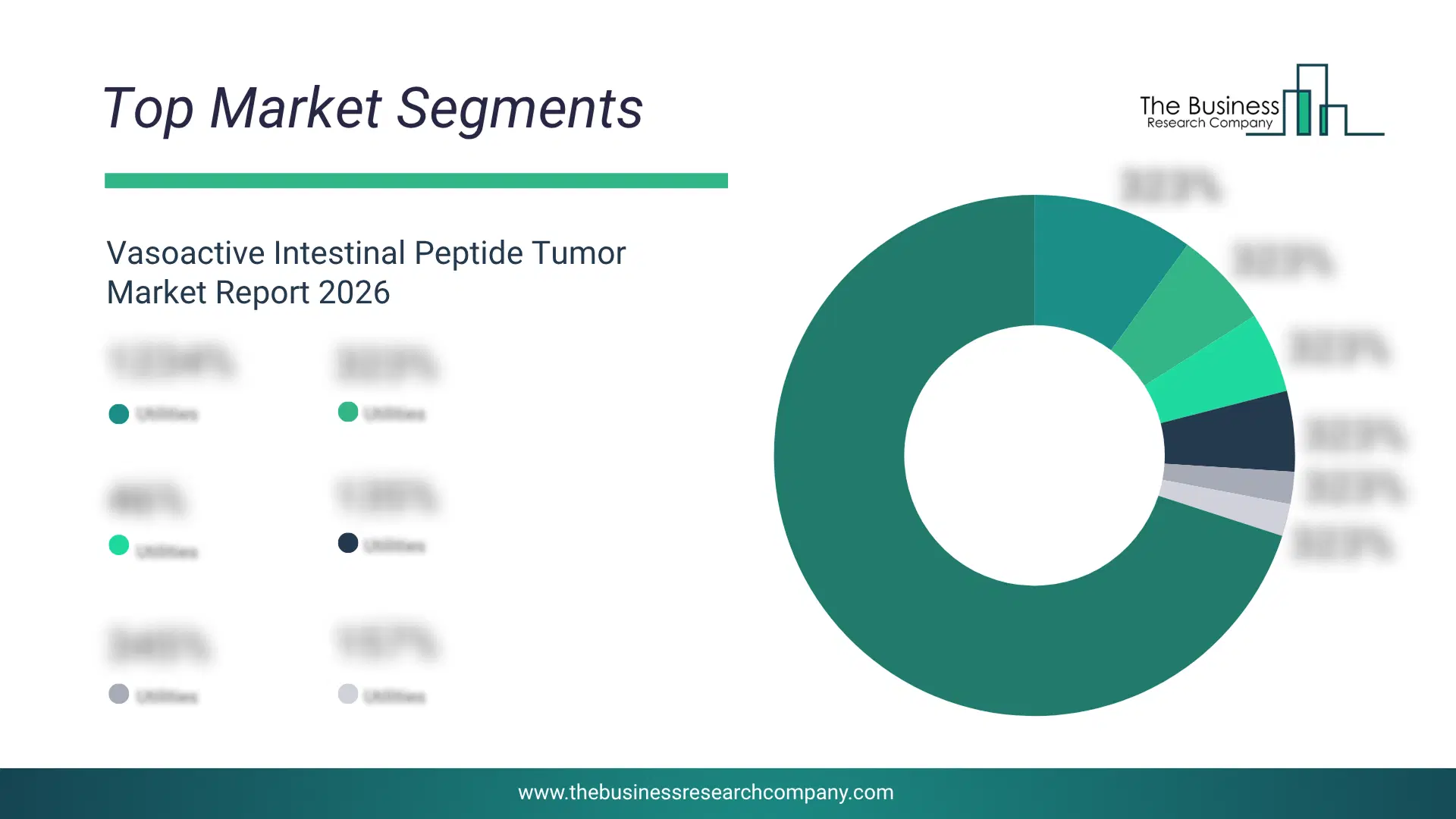
Global Vasoactive Intestinal Peptide Tumor Market Segmentation
1) By Treatment: Surgical Intervention, Radiotherapy, Chemotherapy, Targeted Therapy 2) By Diagnosis: Imaging Techniques, Biopsy, Endoscopic Ultrasound 3) By Therapeutic Approach: Palliative Care, Curative Treatment, Adjuvant Treatment 4) By End-User: Hospitals, Cancer Specialty Clinics, Diagnostic Laboratories Subsegments: 1) By Surgical Intervention: Tumor Resection, Debulking Surgery, Minimally Invasive Surgery 2) By Radiotherapy: External Beam Radiation Therapy (EBRT), Stereotactic Body Radiation Therapy (SBRT), Proton Therapy 3) By Chemotherapy: Cytotoxic Chemotherapy, Combination Chemotherapy, Adjuvant And Neoadjuvant Chemotherapy 4) By Targeted Therapy: Somatostatin Analog Therapy, Tyrosine Kinase Inhibitors (TKIs), Monoclonal AntibodiesWhat Are The Drivers Of The Vasoactive Intestinal Peptide Tumor Market?
The rise in targeted therapy is expected to propel the growth of the vasoactive intestinal peptide tumor market going forward. Targeted therapies are treatments that focus on specific molecules or pathways involved in disease progression, particularly in cancer, to selectively attack abnormal cells with minimal harm to normal ones. The rise of targeted therapies is driven by precision medicine, which enhances efficacy by focusing on specific genetic mutations while minimizing side effects. Targeted therapies treat VIP tumors by blocking key pathways that fuel tumor growth and hormone release. This helps reduce VIP levels, easing symptoms such as severe diarrhea and slowing disease progression. For instance, in July 2024, according to the American Society of Gene and Cell Therapy (ASGCT), a US-based professional membership organization, in the second quarter of 2024, 76 gene therapy trials were initiated, marking a 25 % increase compared to the previous quarter. Therefore, the rise in targeted therapy is driving the growth of the vasoactive intestinal peptide tumor industry. The increasing incidence of neuroendocrine tumors is expected to propel the growth of the vasoactive intestinal peptide tumor market going forward. Neuroendocrine tumors (NETs) are a group of rare, slow-growing cancers that arise from neuroendocrine cells, which have traits of both nerve cells and hormone-producing cells. The incidence of neuroendocrine tumors is growing due to improved diagnostic techniques that allow earlier and more accurate detection of these tumors, which were previously underdiagnosed. Vasoactive intestinal peptide (VIP) tumors are a rare subtype of neuroendocrine tumors characterized by excessive VIP secretion causing severe watery diarrhea and electrolyte imbalance. For instance, in August 2025, according to the American Cancer Society, a US-based professional organizations company, each year in the United States, roughly 8,000 neuroendocrine tumors (NETs) originating in the gastrointestinal tract, including the stomach, intestines, appendix, colon, or rectum, are diagnosed. The reported annual incidence of NETs is about 1 to 2 cases per 100,000 people. Therefore, the increasing incidence of neuroendocrine tumors is driving the growth of the vasoactive intestinal peptide tumor industry.Key Players In The Global Vasoactive Intestinal Peptide Tumor Market
Major companies operating in the vasoactive intestinal peptide tumor market are Pfizer Inc., Novartis AG, Mayo Clinic, Mount Sinai Hospital, Cleveland Clinic Laboratories, Penn Medicine, Stanford Health Care, UCSF Health, ARUP Laboratories, Dr. Lal PathLabs, Cancer Research UK, Medicover Hospitals, Ganesh Diagnostic, Ipsen Pharma SA, F Hoffmann‑La Roche Ltd, Eli Lilly and Company, Boehringer Ingelheim International GmbH, Bristol‑Myers Squibb Company, Merck & Co
This chart is for illustrative purposes; the full report includes a detailed competitor analysis and comprehensive overview of the top 10 companies in the market.
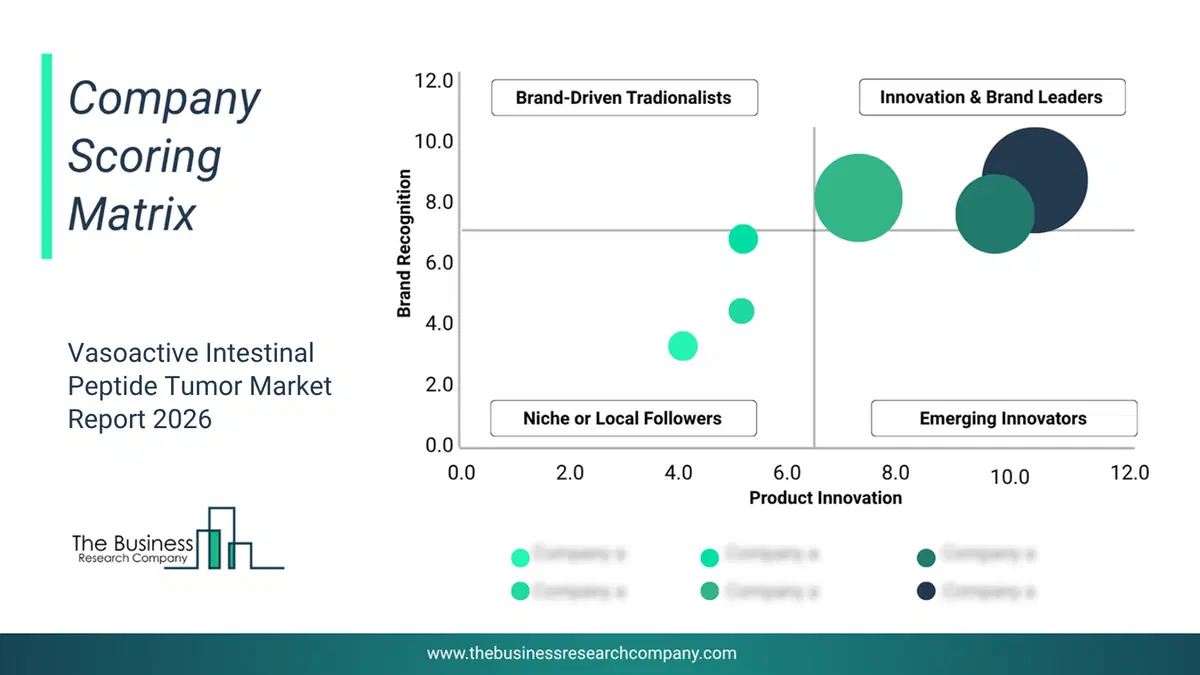
This chart maps companies by product innovation and brand strength, with bubble size indicating relative revenue, helping identify market leaders, challengers, and niche players. This is an illustrative chart; the full report provides a complete and accurate competitive analysis.
Global Vasoactive Intestinal Peptide Tumor Market Trends and Insights
Major companies operating in the vasoactive intestinal peptide tumor market are focusing on developing advanced products, such as long-acting injectable suspensions, to enhance treatment effectiveness, improve patient compliance, and provide sustained symptom relief. Long-acting injectable suspensions are medications designed to release their active ingredients gradually over an extended period, reducing the need for frequent dosing. For instance, in October 2024, Teva Pharmaceutical Industries Ltd., a US-based pharmaceutical company, launched the first and only generic version of Sandostatin LAR Depot (octreotide acetate for injectable suspension) in the U.S. This medication is used for long-term maintenance therapy in acromegaly patients who had an inadequate response to surgery or radiotherapy. It also treats severe diarrhea and flushing associated with metastatic carcinoid tumors and VIP-secreting tumors. The launch reinforces Teva’s expertise in complex generics and supports its goal of maintaining a strong presence in the generic pharmaceuticals market.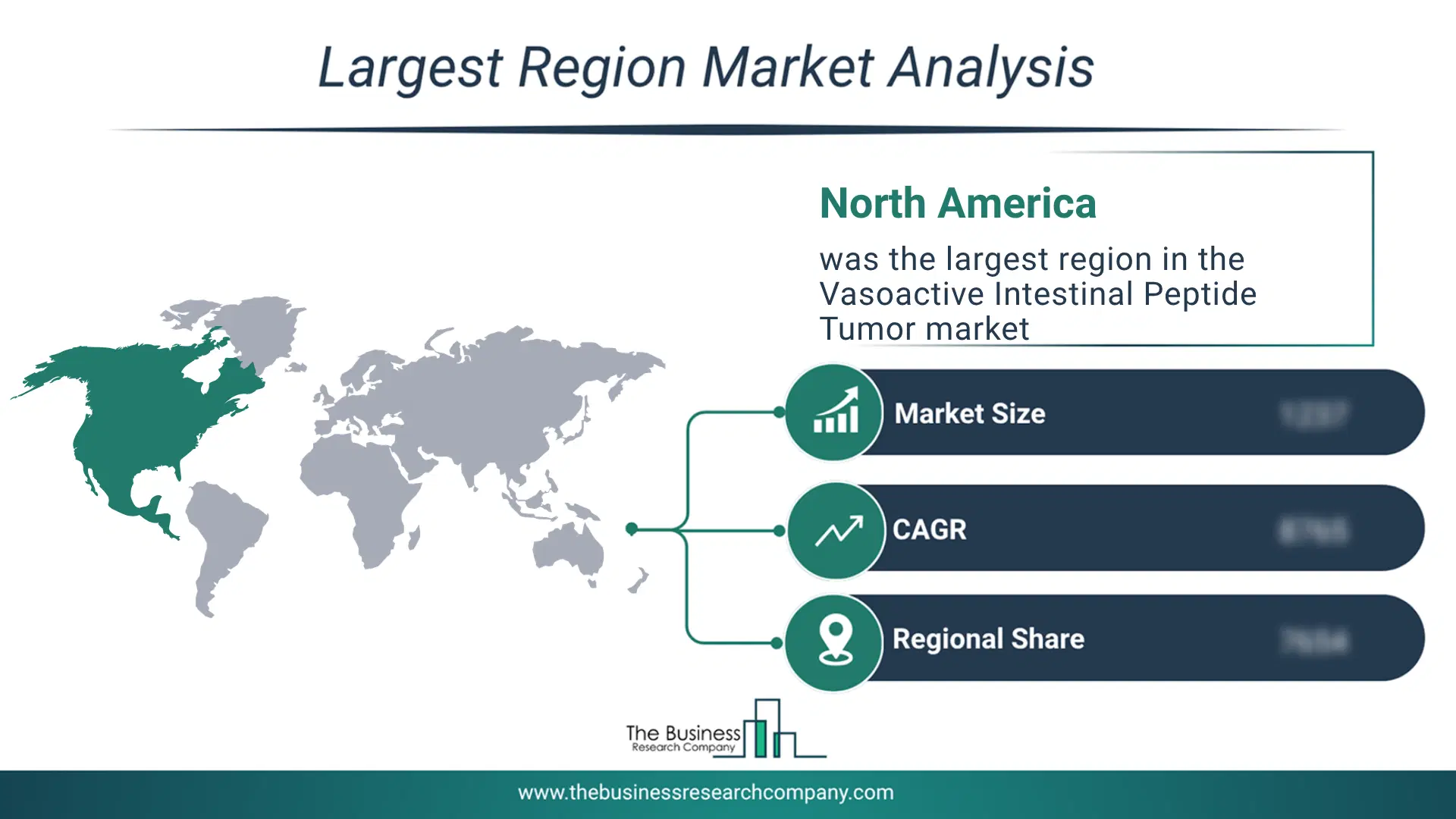
Regional Outlook
North America was the largest region in the vasoactive intestinal peptide tumor market in 2025. The regions covered in this market report are Asia-Pacific, South East Asia, Western Europe, Eastern Europe, North America, South America, Middle East, Africa. The countries covered in this market report are Australia, Brazil, China, France, Germany, India, Indonesia, Japan, Taiwan, Russia, South Korea, UK, USA, Canada, Italy, Spain.What Defines the Vasoactive Intestinal Peptide Tumor Market?
The vasoactive intestinal peptide tumor market consists of revenues earned by entities by providing services such as genetic testing, immunotherapy, hormone therapy, nuclear medicine, personalized medicine, palliative care, clinical trials, and telemedicine consultations. The market value includes the value of related goods sold by the service provider or included within the service offering. The vasoactive intestinal peptide (VIP) Tumor market also includes sales of diagnostic kits, biopsy needles, imaging systems, radiation therapy equipment, chemotherapy drugs, targeted therapy drugs, surgical instruments, and supportive care medications. Values in this market are ‘factory gate’ values, that is the value of goods sold by the manufacturers or creators of the goods, whether to other entities (including downstream manufacturers, wholesalers, distributors and retailers) or directly to end customers. The value of goods in this market includes related services sold by the creators of the goods.How is Market Value Defined and Measured?
The market value is defined as the revenues that enterprises gain from the sale of goods and/or services within the specified market and geography through sales, grants, or donations in terms of the currency (in USD unless otherwise specified). The revenues for a specified geography are consumption values that are revenues generated by organizations in the specified geography within the market, irrespective of where they are produced. It does not include revenues from resales along the supply chain, either further along the supply chain or as part of other products.
This chart presents market attractiveness based on a quantitative evaluation of growth, competition, strategic alignment, and risk, offering a clear view of opportunity areas for decision-making. This chart is for illustrative purposes; the full report contains the complete analysis.

This chart highlights the Total Addressable Market (TAM) by estimating the maximum revenue opportunity using an assumption-driven approach, supporting strategic planning and opportunity sizing across markets. The chart is illustrative; the full report provides a more comprehensive analysis.
What Key Data and Analysis Are Included in the Vasoactive Intestinal Peptide Tumor Market Report 2026?
The vasoactive intestinal peptide tumor market research report is one of a series of new reports from The Business Research Company that provides market statistics, including industry global market size, regional shares, competitors with the market share, detailed market segments, market trends and opportunities, and any further data you may need to thrive in the vasoactive intestinal peptide tumor industry. The market research report delivers a complete perspective of everything you need, with an in-depth analysis of the current and future state of the industry.Vasoactive Intestinal Peptide Tumor Market Report Forecast Analysis
| Report Attribute | Details |
|---|---|
| Market Size Value In 2026 | $1.7 billion |
| Revenue Forecast In 2030 | $2.15 billion |
| Growth Rate | CAGR of 6% from 2026 to 2030 |
| Base Year For Estimation | 2025 |
| Actual Estimates/Historical Data | 2020-2025 |
| Forecast Period | 2026 - 2030 |
| Market Representation | Revenue in USD Billion and CAGR from 2026 to 2030 |
| Segments Covered | Treatment, Diagnosis, Therapeutic Approach, End-User |
| Regional Scope | Asia-Pacific, Western Europe, Eastern Europe, North America, South America, Middle East, Africa |
| Country Scope | The countries covered in the report are Australia, Brazil, China, France, Germany, India, Indonesia, Japan, Taiwan, Russia, South Korea, UK, USA, Canada, Italy, Spain |
| Key Companies Profiled | Pfizer Inc., Novartis AG, Mayo Clinic, Mount Sinai Hospital, Cleveland Clinic Laboratories, Penn Medicine, Stanford Health Care, UCSF Health, ARUP Laboratories, Dr. Lal PathLabs, Cancer Research UK, Medicover Hospitals, Ganesh Diagnostic, Ipsen Pharma SA, F Hoffmann‑La Roche Ltd, Eli Lilly and Company, Boehringer Ingelheim International GmbH, Bristol‑Myers Squibb Company, Merck & Co |
| Customization Scope | Request for Customization |
| Pricing And Purchase Options | Explore Purchase Options |