

Visceral Pain Market Report 2026
Global Outlook – By Drug Class (Calcium Channel Blockers, Nonsteroidal Anti-Inflammatory (NSAID), Other Drug Classes), By Indications (Interstitial Cystitis, Crohn’s, Irritable Bowel, Chronic Prostatitis, Other Indications), By End Users (Hospitals, Homecare, Specialty Clinics, Other End Users) - Market Size, Trends, Strategies, and Forecast to 2030
Visceral Pain Market Overview
• Visceral Pain market size has reached to $14.82 billion in 2025 • Expected to grow to $19.6 billion in 2030 at a compound annual growth rate (CAGR) of 5.7% • Growth Driver: Notable Surge In Buprenorphine Prescriptions Propels Visceral Pain Market Expansion • Market Trend: Innovative NOP Receptor Agonists Advance Development Of Safer, Non-Addictive Pain Therapies • North America was the largest region in 2025.What Is Covered Under Visceral Pain Market?
Visceral pain refers to the pain that originates from the internal organs, such as the stomach, bladder, uterus, or rectum. Visceral pain can be caused by various factors, including inflammation, menstrual cramps, swelling and stretching of the organs, blockage, decreased blood flow, and tumors, especially when concentrated in the pelvis or abdomen. It is commonly associated with additional symptoms such as nausea, perspiration, or an accelerated heartbeat. The main types of visceral pain drug class are calcium channel blockers, nonsteroidal anti-inflammatories (NSAID), and others. Calcium channel blockers (CCBs) refer to a class of medications that primarily affect the movement of calcium ions into the cells of the heart and blood vessels. The various indications include interstitial cystitis, Crohn’s, irritable bowel, chronic prostatitis, and others. These are used by various end-users such as hospitals, homecare, specialty clinics, and others.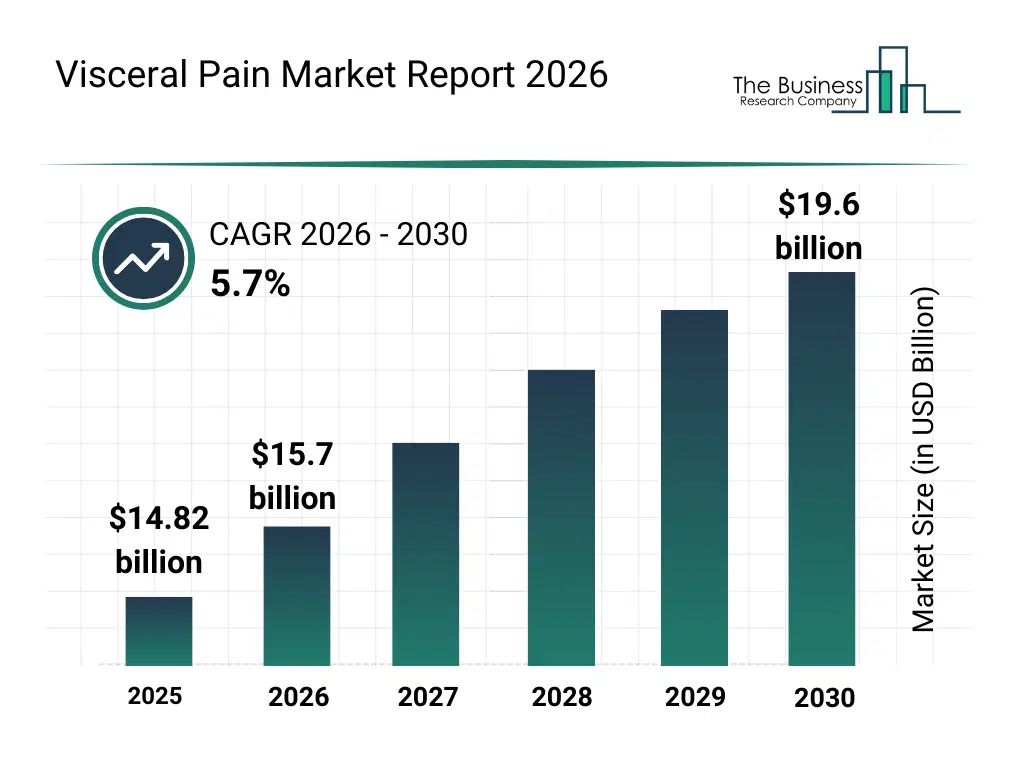
What Is The Visceral Pain Market Size and Share 2026?
The visceral pain market size has grown strongly in recent years. It will grow from $14.82 billion in 2025 to $15.7 billion in 2026 at a compound annual growth rate (CAGR) of 5.9%. The growth in the historic period can be attributed to increasing prevalence of gastrointestinal and pelvic disorders, wider use of NSAIDs and calcium channel blockers, improved clinical recognition of visceral pain conditions, expansion of hospital-based pain management services, availability of diversified drug classes.What Is The Visceral Pain Market Growth Forecast?
The visceral pain market size is expected to see strong growth in the next few years. It will grow to $19.6 billion in 2030 at a compound annual growth rate (CAGR) of 5.7%. The growth in the forecast period can be attributed to increasing demand for personalized pain therapies, rising focus on chronic pain management, expansion of precision medicine approaches, growing adoption of advanced diagnostic tools, increasing investments in non-opioid drug development. Major trends in the forecast period include increasing adoption of targeted pain management therapies, rising use of multimodal drug combinations, growing focus on non-opioid treatment options, expansion of personalized visceral pain management, enhanced emphasis on early diagnosis and intervention.
Global Visceral Pain Market Segmentation
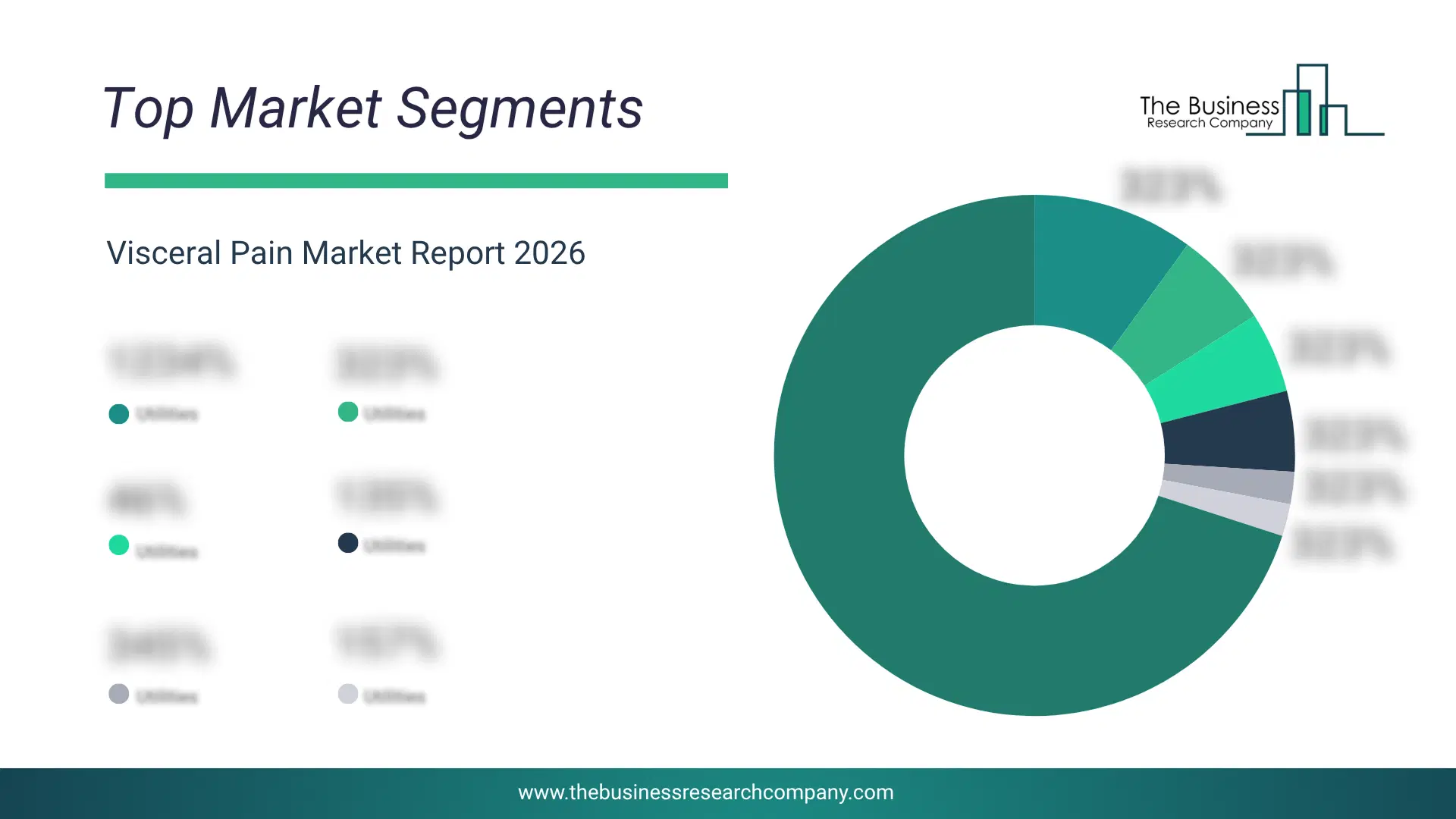
1) By Drug Class: Calcium Channel Blockers, Nonsteroidal Anti-Inflammatory (NSAID), Other Drug Classes 2) By Indications: Interstitial Cystitis, Crohn’s, Irritable Bowel, Chronic Prostatitis, Other Indications 3) By End Users: Hospitals, Homecare, Specialty Clinics, Other End Users Subsegments: 1) By Calcium Channel Blockers: Dihydropyridines, Non-Dihydropyridines 2) By Nonsteroidal Anti-Inflammatory Drugs (NSAID): Selective COX-2 Inhibitors, Non-Selective NSAIDs 3) By Other Drug Classes: Opioids, Tricyclic Antidepressants (TCAs), Serotonin-Norepinephrine Reuptake Inhibitors (SNRIs)What Is The Driver Of The Visceral Pain Market?
The rising demand for analgesics is expected to fuel the growth of the visceral pain market going forward. Analgesics refer to medications that alleviate pain by diminishing or blocking the perception of pain signals in the brain. Analgesics help manage visceral pain by targeting the nervous system and modulating pain signals originating from internal organs. For instance, in April 2024, according to the New England Journal of Medicinepublished in the New England Journal of Medicine, a UK-based weekly medical journal, over 53,600 clinicians were prescribing buprenorphine by December 2023. This represents an increase of 11,500 prescribers compared to December 2022. Therefore, the rising demand for analgesics is driving the growth of the visceral pain industry.Key Players In The Global Visceral Pain Market
Major companies operating in the visceral pain market are Pfizer Inc., Johnson & Johnson Services Inc., F. Hoffmann-La Roche Ltd., Merck & Co.Inc., AbbVie Inc., Novartis AG, Sanofi SA, Bristol-Myers Squibb Company, AstraZeneca PLC, GlaxoSmithKline PLC, Takeda Pharmaceutical Company Limited, Eli Lilly and Company, Teva Pharmaceutical Industries Ltd., Mylan N.V., Bausch Health Companies Inc., Sun Pharmaceutical Industries Ltd., Perrigo Company PLC, Dr. Reddy's Laboratories Ltd., Endo International PLC, Grünenthal GmbH, Glenmark Pharmaceuticals Limited, Hisamitsu Pharmaceutical Co. Ltd., Chromocell Corporation, Addex Therapeutics Ltd.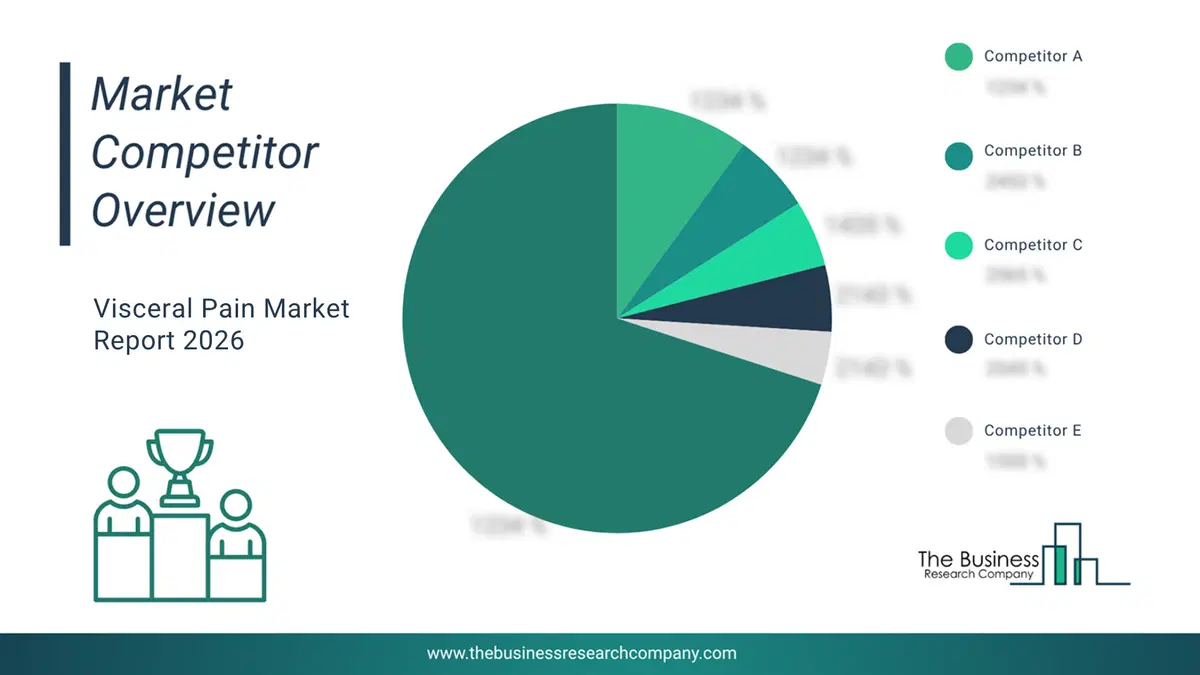
This chart is for illustrative purposes; the full report includes a detailed competitor analysis and comprehensive overview of the top 10 companies in the market.
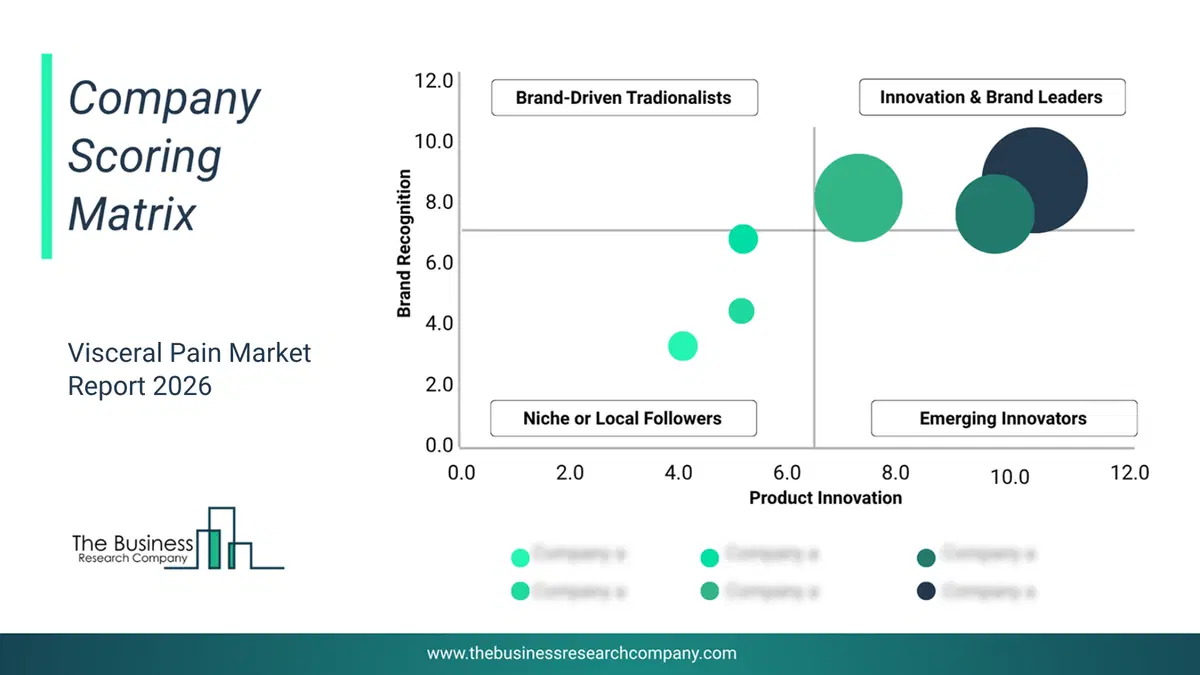
This chart maps companies by product innovation and brand strength, with bubble size indicating relative revenue, helping identify market leaders, challengers, and niche players. This is an illustrative chart; the full report provides a complete and accurate competitive analysis.
Global Visceral Pain Market Trends and Insights
Major companies operating in the chronic pain market are focusing on conducting clinical trials to develop innovative products such as NOP receptor agonists to provide effective pain relief while potentially reducing the risks associated with opioid-based treatments. NOP receptor agonists are compounds that activate the nociceptin/orphanin FQ peptide receptor, which modulates pain signaling in the nervous system; they help by reducing chronic and visceral pain without causing the high risk of addiction or severe side effects typically associated with traditional opioids. For instance, in October 2024, Grünenthal GmbH, a Germany-based pharmaceutical company, initiated a first-in-human Phase I clinical trial enrolling 90 healthy participants to evaluate the safety, tolerability, and pharmacokinetics of its novel NOP receptor agonist. This study aims to assess the potential of the investigational compound to provide potent and safe pain relief across chronic pain conditions, offering a novel therapeutic approach to managing both somatic and visceral pain.What Are Latest Mergers And Acquisitions In The Visceral Pain Market?
In April 2023, Marksans Pharma, an India-based pharmaceutical company, acquired the India manufacturing facility of Teva Pharmaceuticals for an undisclosed amount. As a result of the acquisition, Marksans gains a 47,597-square-meter facility, enabling it to double its production capacity in India from 8 billion units annually. This added capacity will support the production of tablets, hard and soft gel capsules, ointments, liquids, and creams. Teva Pharmaceuticals is an Israel-based provider of treatments for visceral pain.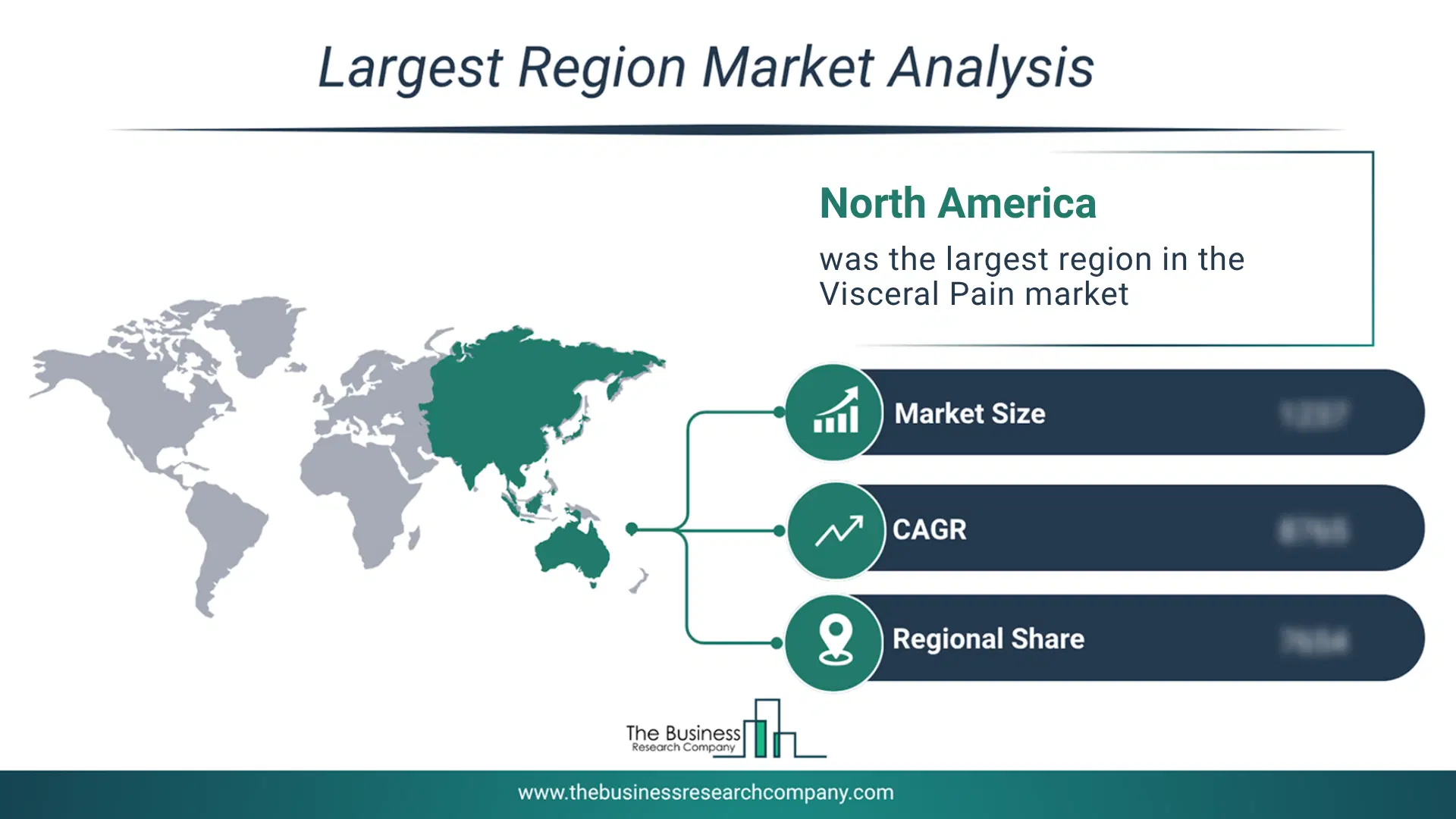
Regional Outlook
North America was the largest region in the visceral pain market in 2025. The regions covered in this market report are Asia-Pacific, South East Asia, Western Europe, Eastern Europe, North America, South America, Middle East, Africa. The countries covered in this market report are Australia, Brazil, China, France, Germany, India, Indonesia, Japan, Taiwan, Russia, South Korea, UK, USA, Canada, Italy, Spain.What Defines the Visceral Pain Market?
The visceral pain market consists of sales of opioids, anticonvulsants, gabapentin, and pregabalin. Values in this market are ‘factory gate’ values, that is the value of goods sold by the manufacturers or creators of the goods, whether to other entities (including downstream manufacturers, wholesalers, distributors, and retailers) or directly to end customers. The value of goods in this market includes related services sold by the creators of the goods.How is Market Value Defined and Measured?
The market value is defined as the revenues that enterprises gain from the sale of goods and/or services within the specified market and geography through sales, grants, or donations in terms of the currency (in USD unless otherwise specified). The revenues for a specified geography are consumption values that are revenues generated by organizations in the specified geography within the market, irrespective of where they are produced. It does not include revenues from resales along the supply chain, either further along the supply chain or as part of other products.
This chart presents market attractiveness based on a quantitative evaluation of growth, competition, strategic alignment, and risk, offering a clear view of opportunity areas for decision-making. This chart is for illustrative purposes; the full report contains the complete analysis.

This chart highlights the Total Addressable Market (TAM) by estimating the maximum revenue opportunity using an assumption-driven approach, supporting strategic planning and opportunity sizing across markets. The chart is illustrative; the full report provides a more comprehensive analysis.
What Key Data and Analysis Are Included in the Visceral Pain Market Report 2026?
The visceral pain market research report is one of a series of new reports from The Business Research Company that provides market statistics, including industry global market size, regional shares, competitors with the market share, detailed market segments, market trends and opportunities, and any further data you may need to thrive in the visceral pain industry. The market research report delivers a complete perspective of everything you need, with an in-depth analysis of the current and future state of the industry.Visceral Pain Market Report Forecast Analysis
| Report Attribute | Details |
|---|---|
| Market Size Value In 2026 | $15.7 billion |
| Revenue Forecast In 2030 | $19.6 billion |
| Growth Rate | CAGR of 5.7% from 2026 to 2030 |
| Base Year For Estimation | 2025 |
| Actual Estimates/Historical Data | 2020-2025 |
| Forecast Period | 2026 - 2030 |
| Market Representation | Revenue in USD Billion and CAGR from 2026 to 2030 |
| Segments Covered | Drug Class, Indications, End Users |
| Regional Scope | Asia-Pacific, Western Europe, Eastern Europe, North America, South America, Middle East, Africa |
| Country Scope | The countries covered in the report are Australia, Brazil, China, France, Germany, India, Indonesia, Japan, Taiwan, Russia, South Korea, UK, USA, Canada, Italy, Spain |
| Key Companies Profiled | Pfizer Inc., Johnson & Johnson Services Inc., F. Hoffmann-La Roche Ltd., Merck & Co.Inc., AbbVie Inc., Novartis AG, Sanofi SA, Bristol-Myers Squibb Company, AstraZeneca PLC, GlaxoSmithKline PLC, Takeda Pharmaceutical Company Limited, Eli Lilly and Company, Teva Pharmaceutical Industries Ltd., Mylan N.V., Bausch Health Companies Inc., Sun Pharmaceutical Industries Ltd., Perrigo Company PLC, Dr. Reddy's Laboratories Ltd., Endo International PLC, Grünenthal GmbH, Glenmark Pharmaceuticals Limited, Hisamitsu Pharmaceutical Co. Ltd., Chromocell Corporation, Addex Therapeutics Ltd. |
| Customization Scope | Request for Customization |
| Pricing And Purchase Options | Explore Purchase Options |