
Wound Skin Substitutes Market Report 2026
Global Outlook – By Product Type (Biologic Skin Substitutes, Synthetic Skin Substitutes, Biosynthetic Skin Substitutes, Collagen Dressings, Acellular Dermal Matrices, Cultured Epithelial Autografts, Allograft Skin, Xenograft Skin, Hydrogel Dressings, Foam Dressings), By Technology (Static Skin Substitutes, Dynamic, Smart), By Application Or Indication (Diabetic Foot Ulcers, Pressure Ulcers, Burns, Surgical Wounds, Trauma Wounds, Chronic Wounds), By Distribution Channel (Direct Sales Or Institutional Sales, Medical Device Distributors, Online Retail Or E-commerce), By End User (Hospitals And Burn Centers, Ambulatory Surgical Centers (ASCs), Specialty Wound Care Clinics, Academic And Research Institute) – Market Size, Trends, Strategies, and Forecast to 2030
Wound Skin Substitutes Market Overview
• Wound Skin Substitutes market size has reached to $1.19 billion in 2025 • Expected to grow to $1.91 billion in 2030 at a compound annual growth rate (CAGR) of 10% • Growth Driver: Surge In Pressure Ulcers Driving The Market Growth Due To Aging Population And Increasing Healthcare Complexity • Market Trend: Innovative Bioengineered Solutions Transforming Chronic Wound Care • North America was the largest region in 2025 and Asia-Pacific is the fastest growing region.What Is Covered Under Wound Skin Substitutes Market?
Wound skin substitutes refer to bioengineered or natural materials designed to temporarily or permanently replace damaged skin, promoting wound healing by providing a protective barrier, supporting cell growth, and facilitating tissue regeneration in acute and chronic wounds such as burns, diabetic ulcers, pressure ulcers, and surgical wounds. These substitutes mimic the structure and function of human skin and may be derived from biological tissues, synthetic polymers, or composite materials. The main product types of wound skin substitutes are biologic skin substitutes, synthetic skin substitutes, biosynthetic skin substitutes, collagen dressings, acellular dermal matrices, cultured epithelial autografts, allograft skin, xenograft skin, hydrogel dressings, and foam dressings. Biologic skin substitutes refer to skin replacement products derived from natural tissues that promote healing and tissue regeneration. These products are developed using different technologies, including static skin substitutes, dynamic, and smart. They are used across various applications or indications, such as diabetic foot ulcers, pressure ulcers, burns, surgical wounds, trauma wounds, and chronic wounds, and are distributed through multiple channels, including direct sales or institutional sales, medical device distributors, and online retail or e-commerce. These are cater to different end-users, such as hospitals and burn centers, ambulatory surgical centers (ASCs), specialty wound care clinics, and academic and research institutes.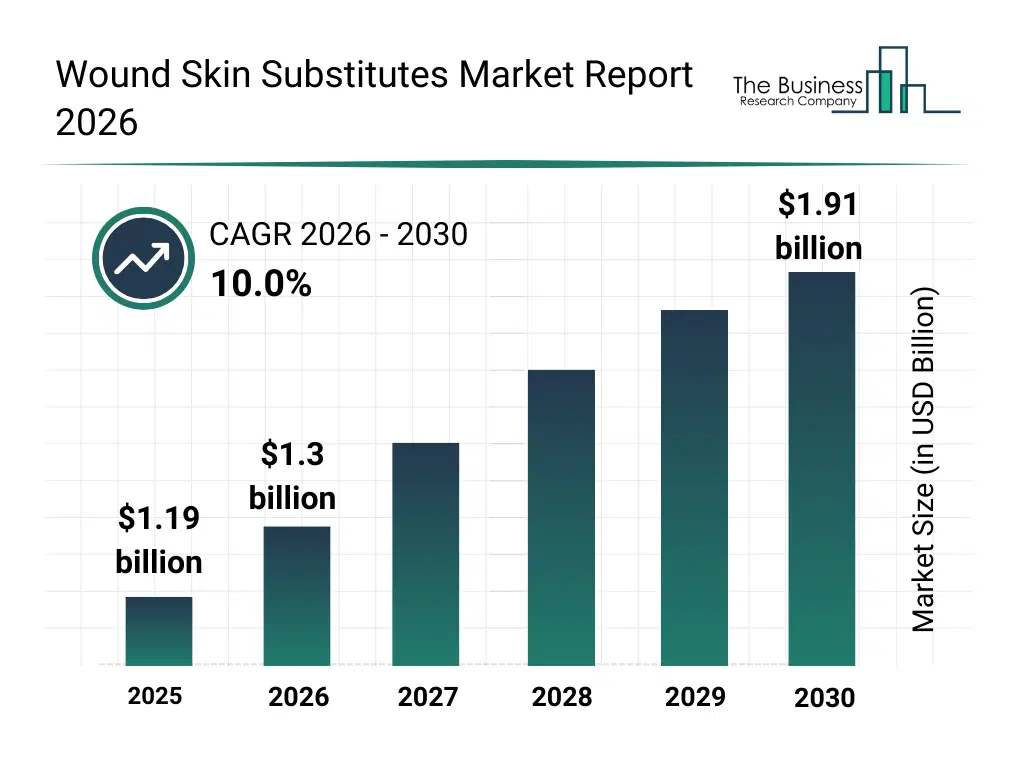
What Is The Wound Skin Substitutes Market Size and Share 2026?
The wound skin substitutes market size has grown strongly in recent years. It will grow from $1.19 billion in 2025 to $1.3 billion in 2026 at a compound annual growth rate (CAGR) of 9.7%. The growth in the historic period can be attributed to rise in burn injury cases, increasing diabetic ulcer prevalence, growth in surgical procedures, historic adoption of collagen dressings, expansion of Wound Care Centers.What Is The Wound Skin Substitutes Market Growth Forecast?
The wound skin substitutes market size is expected to see strong growth in the next few years. It will grow to $1.91 billion in 2030 at a compound annual growth rate (CAGR) of 10.0%. The growth in the forecast period can be attributed to aging population with chronic wounds, rising diabetes incidence, growth in regenerative medicine, increasing Advanced Wound Care spending, expansion of outpatient wound clinics. Major trends in the forecast period include bioengineered regenerative skin matrices, cell based advanced wound covers, composite biosynthetic skin substitutes, growth factor enriched dressings, smart moisture balancing wound covers.
Global Wound Skin Substitutes Market Segmentation
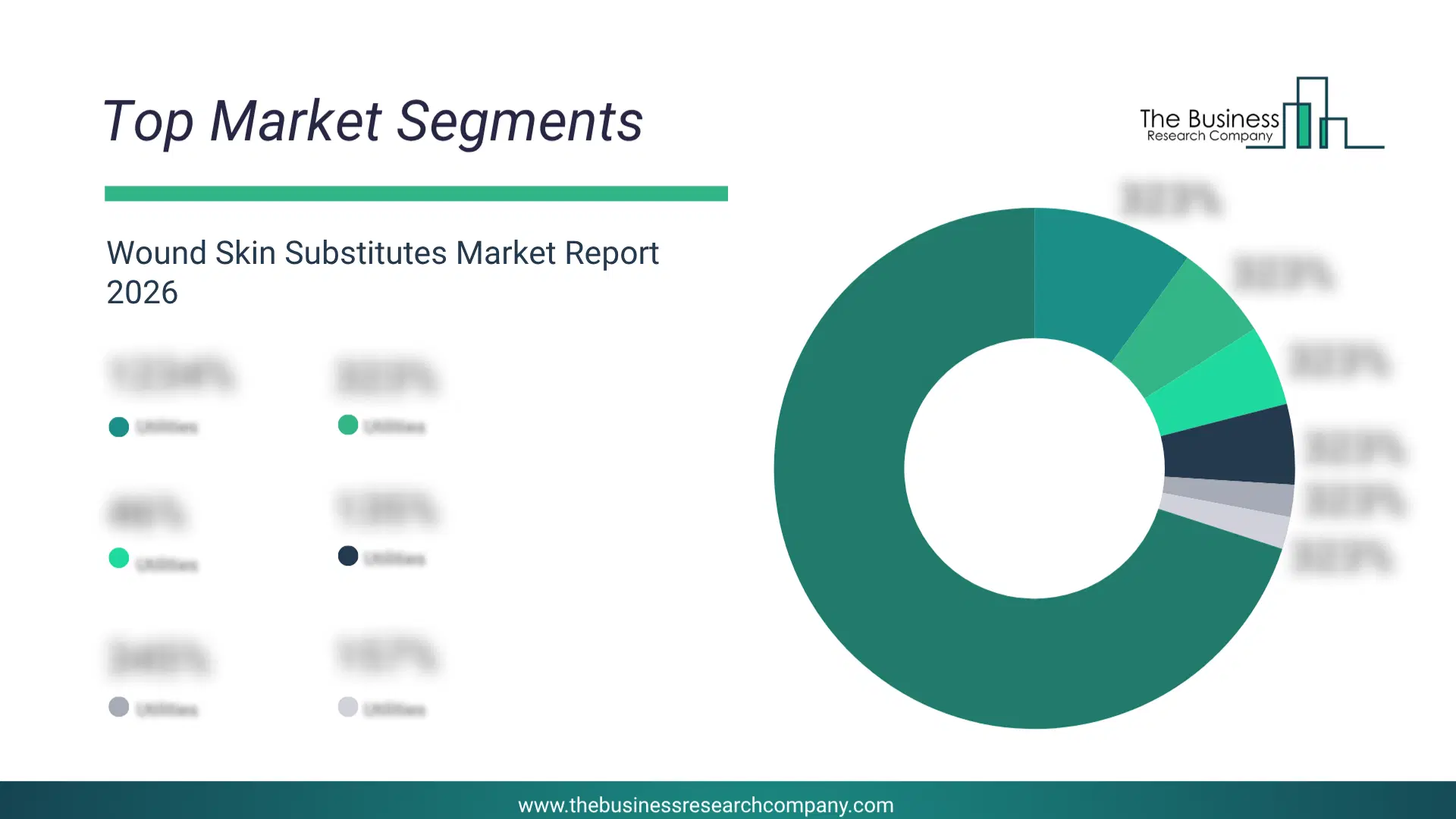
1) By Product Type: Biologic Skin Substitutes; Synthetic Skin Substitutes; Biosynthetic Skin Substitutes; Collagen Dressings; Acellular Dermal Matrices; Cultured Epithelial Autografts; Allograft Skin; Xenograft Skin; Hydrogel Dressings; Foam Dressings 2) By Technology: Static Skin Substitutes; Dynamic; Smart 3) By Application Or Indication: Diabetic Foot Ulcers; Pressure Ulcers; Burns; Surgical Wounds; Trauma Wounds; Chronic Wounds 4) By Distribution Channel: Direct Sales Or Institutional Sales; Medical Device Distributors; Online Retail Or E-commerce 5) By End User: Hospitals And Burn Centers; Ambulatory Surgical Centers (ASCs); Specialty Wound Care Clinics; Academic And Research Institute Subsegments: 1) By Biologic Skin Substitutes: Human Derived Skin Substitutes; Animal Derived Skin Substitutes; Cellular Based Skin Substitutes; Growth Factor Enriched Skin Substitutes 2) By Synthetic Skin Substitutes: Polymer Based Skin Substitutes; Silicone Based Skin Substitutes; Polyurethane Based Skin Substitutes; Synthetic Composite Skin Substitutes 3) By Biosynthetic Skin Substitutes: Collagen And Silicone Based Skin Substitutes; Polymer And Collagen Composite Skin Substitutes; Semi Synthetic Skin Substitutes 4) By Collagen Dressings: Native Collagen Dressings; Oxidized Regenerated Collagen Dressings; Collagen With Antimicrobial Agents; Collagen With Silver 5) By Acellular Dermal Matrices: Human Acellular Dermal Matrices; Animal Acellular Dermal Matrices; Cross Linked Dermal Matrices; Non Cross Linked Dermal Matrices 6) By Cultured Epithelial Autografts: Keratinocyte Based Autografts; Epidermal Sheet Autografts; Spray On Cultured Epithelial Cells 7) By Allograft Skin: Fresh Allograft Skin; Cryopreserved Allograft Skin; Lyophilized Allograft Skin 8) By Xenograft Skin: Porcine Derived Xenograft Skin; Bovine Derived Xenograft Skin; Processed Xenograft Skin 9) By Hydrogel Dressings: Amorphous Hydrogel Dressings; Sheet Hydrogel Dressings; Impregnated Hydrogel Dressings 10) By Foam Dressings: Polyurethane Foam Dressings; Silicone Foam Dressings; Adhesive Foam Dressings; Non Adhesive Foam DressingsWhat Is The Driver Of The Wound Skin Substitutes Market?
The surge in pressure ulcers is expected to propel the growth of the wound skin substitutes market going forward. Pressure ulcers are localized injuries to the skin and underlying tissue caused by sustained pressure, often over bony prominences. The incidence of pressure ulcers is rising due to an aging population, as older adults often have reduced mobility, fragile skin, and chronic health conditions that make them more susceptible to skin breakdown. Wound skin substitutes prevent pressure ulcers by protecting the skin, supporting tissue regeneration, maintaining proper moisture balance, and enhancing skin integrity, which together reduce the risk of skin breakdown in vulnerable areas. For instance, in November 2023, according to the National Health Service (NHS) England, a UK-based government department, between October 1, 2022, and October 1, 2023, a total of 193 inpatients were reported to have developed bedsores, pressure sores, or pressure ulcers during their hospital stay. Therefore, the surge in pressure ulcers is driving the growth of the wound skin substitutes industry.Key Players In The Global Wound Skin Substitutes Market
Major companies operating in the wound skin substitutes market are 3M Company, Stryker Corporation, Essity Aktiebolag, Smith & Nephew plc, B. Braun Melsungen AG, Coloplast A/S, ConvaTec Group plc, Mallinckrodt Pharmaceuticals, Integra LifeSciences Corporation, AVITA Medical Inc., MTF Biologics, Organogenesis Inc., MiMedx Group Inc., Vericel Corporation, LifeNet Health, Anika Therapeutics Inc., AlloSource, BioTissue Inc., Tissue Regenix Group plc, Gunze Medical Co. Ltd., and Molecular Biologicals Inc.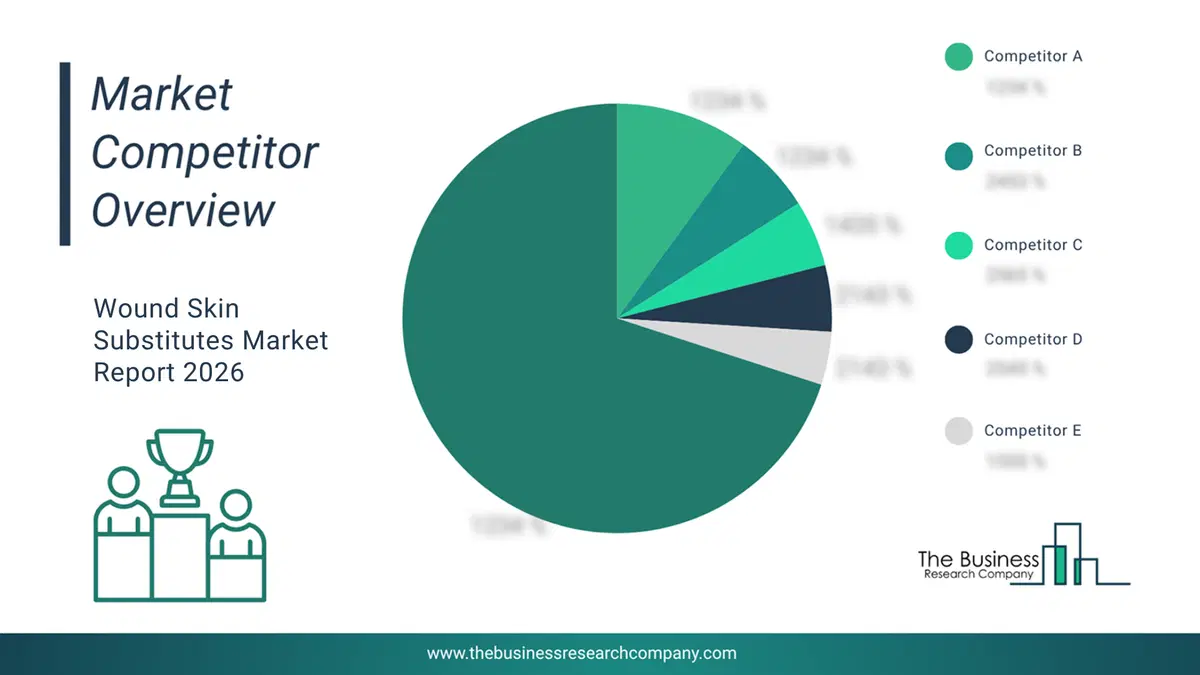
This chart is for illustrative purposes; the full report includes a detailed competitor analysis and comprehensive overview of the top 10 companies in the market.
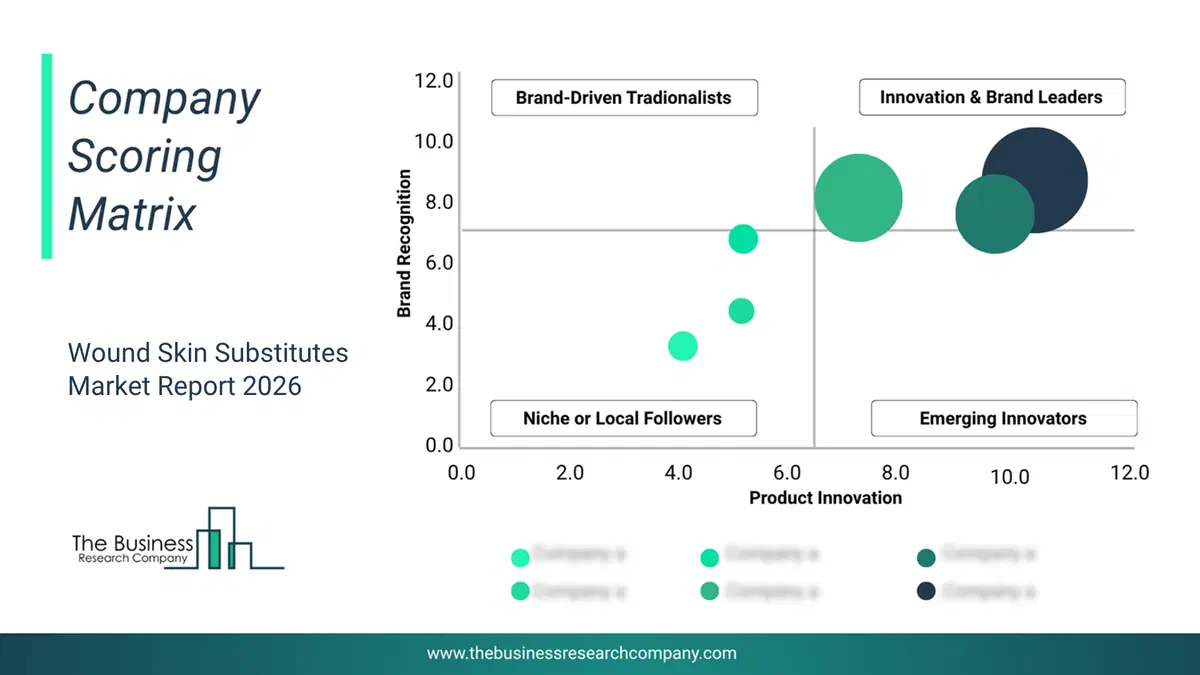
This chart maps companies by product innovation and brand strength, with bubble size indicating relative revenue, helping identify market leaders, challengers, and niche players. This is an illustrative chart; the full report provides a complete and accurate competitive analysis.
Global Wound Skin Substitutes Market Trends and Insights
Major companies operating in the wound skin substitutes market are focusing on developing innovative products such as advanced bioengineered skin grafts to accelerate wound healing, reduce infection risk, and improve tissue regeneration. Advanced bioengineered skin grafts are lab-grown or tissue-engineered skin substitutes that mimic natural skin structure, providing living cells and scaffolds that promote faster wound healing, support tissue regeneration, and reduce the risk of infection compared to traditional dressings. For instance, in May 2025, Tides Medical, a US‑based medical device company, launched Artacent Wound, a next‑generation wound skin substitute that uses an Arta‑Pure Process to gently preserve the full structure of amniotic tissue, including its critical spongy intermediate layer, maximizing the graft’s natural integrity. The product features a dual‑layer design that can be applied on either side, stays securely in place without sutures, and supports clinicians in treating chronic wounds by maintaining a biologically active matrix that facilitates tissue repair and reduces inflammation, setting it apart from traditional dehydrated or highly processed grafts.What Are Latest Mergers And Acquisitions In The Wound Skin Substitutes Market?
In July 2023, Coloplast A/S, a Denmark-based healthcare technology company, acquired Kerecis Inc. for an undisclosed amount. With this acquisition, Coloplast A/S aims to strengthen its position in the advanced wound care market, expand its global biologics offerings, and accelerate innovation by integrating Kerecis’ unique fish-skin-based technology into its product portfolio to better serve patients with complex wounds worldwide. Kerecis Inc. is a US-based healthcare technology company that specializes in developing and commercializing patented fish-skin-based biologic wound care products that are minimally processed, sustainable, and clinically validated.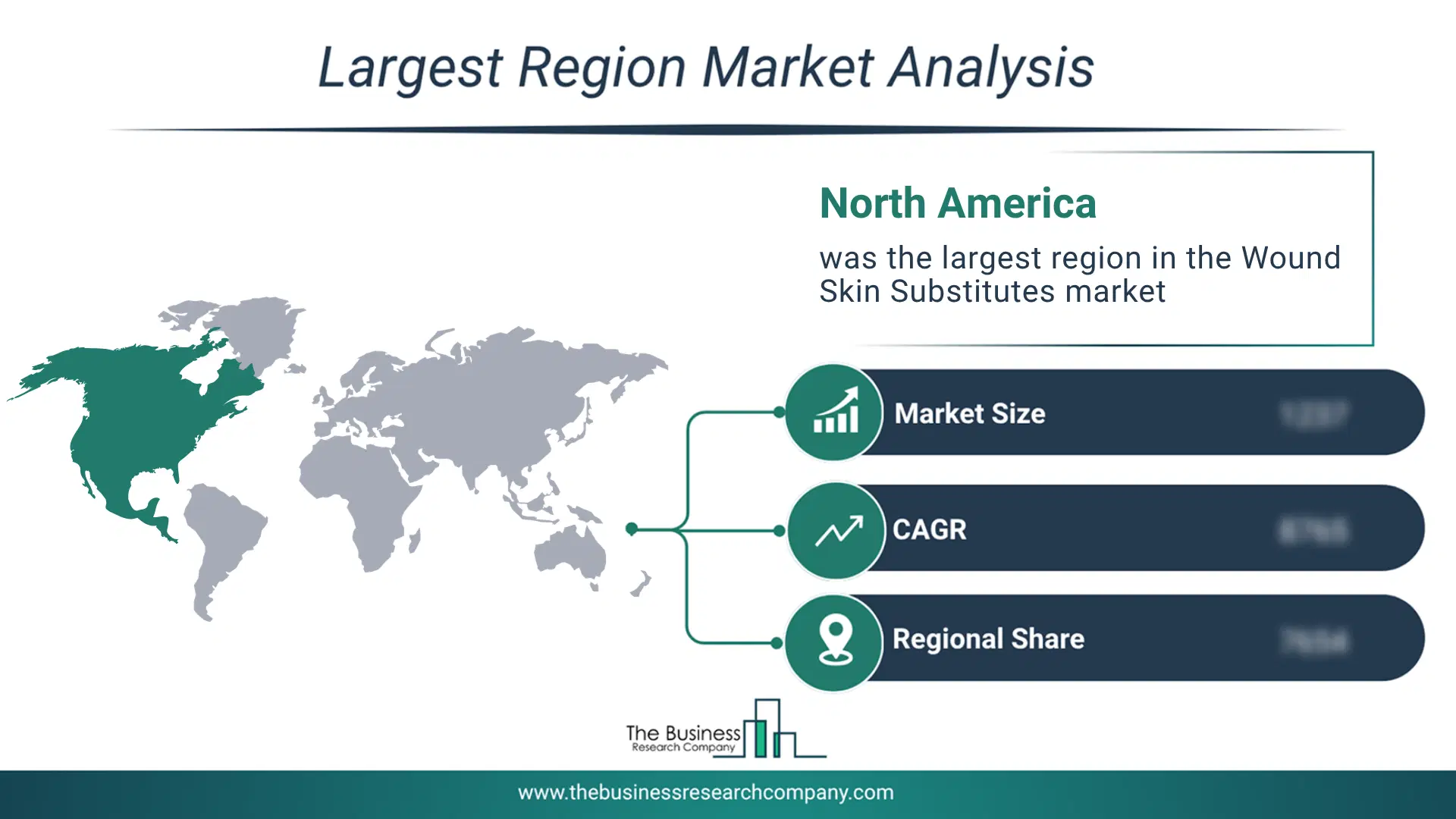
Regional Insights
North America was the largest region in the wound skin substitutes market in 2025. Asia-Pacific is expected to be the fastest-growing region in the forecast period. The regions covered in this market report are Asia-Pacific, South East Asia, Western Europe, Eastern Europe, North America, South America, Middle East, Africa. The countries covered in this market report are Australia, Brazil, China, France, Germany, India, Indonesia, Japan, Taiwan, Russia, South Korea, UK, USA, Canada, Italy, Spain.What Defines the Wound Skin Substitutes Market?
The wound skin substitutes market consists of sales of biologic skin substitutes, synthetic skin substitutes, biosynthetic skin substitutes, collagen dressings, acellular dermal matrices, cultured epithelial autografts, allograft skin, hydrogel dressings, and foam dressings. Values in this market are ‘factory gate’ values, that is, the value of goods sold by the manufacturers or creators of the goods, whether to other entities (including downstream manufacturers, wholesalers, distributors, and retailers) or directly to end customers. The value of goods in this market includes related services sold by the creators of the goods.How is Market Value Defined and Measured?
The market value is defined as the revenues that enterprises gain from the sale of goods and/or services within the specified market and geography through sales, grants, or donations in terms of the currency (in USD unless otherwise specified). The revenues for a specified geography are consumption values that are revenues generated by organizations in the specified geography within the market, irrespective of where they are produced. It does not include revenues from resales along the supply chain, either further along the supply chain or as part of other products.
This chart presents market attractiveness based on a quantitative evaluation of growth, competition, strategic alignment, and risk, offering a clear view of opportunity areas for decision-making. This chart is for illustrative purposes; the full report contains the complete analysis.

This chart highlights the Total Addressable Market (TAM) by estimating the maximum revenue opportunity using an assumption-driven approach, supporting strategic planning and opportunity sizing across markets. The chart is illustrative; the full report provides a more comprehensive analysis.
What Key Data and Analysis Are Included in the Wound Skin Substitutes Market Report 2026?
The wound skin substitutes market research report is one of a series of new reports from The Business Research Company that provides market statistics, including industry global market size, regional shares, competitors with the market share, detailed market segments, market trends and opportunities, and any further data you may need to thrive in the wound skin substitutes industry. The market research report delivers a complete perspective of everything you need, with an in-depth analysis of the current and future state of the industry.Wound Skin Substitutes Market Report Forecast Analysis
| Report Attribute | Details |
|---|---|
| Market Size Value In 2026 | $1.3 billion |
| Revenue Forecast In 2030 | $1.91 billion |
| Growth Rate | CAGR of 10% from 2026 to 2030 |
| Base Year For Estimation | 2025 |
| Actual Estimates/Historical Data | 2020-2025 |
| Forecast Period | 2026 - 2030 |
| Market Representation | Revenue in USD Billion and CAGR from 2026 to 2030 |
| Segments Covered | Product Type, Technology, Application Or Indication, Distribution Channel, End User |
| Regional Scope | Asia-Pacific, Western Europe, Eastern Europe, North America, South America, Middle East, Africa |
| Country Scope | The countries covered in the report are Australia, Brazil, China, France, Germany, India, Indonesia, Japan, Taiwan, Russia, South Korea, UK, USA, Canada, Italy, Spain. |
| Key Companies Profiled | 3M Company, Stryker Corporation, Essity Aktiebolag, Smith & Nephew plc, B. Braun Melsungen AG, Coloplast A/S, ConvaTec Group plc, Mallinckrodt Pharmaceuticals, Integra LifeSciences Corporation, AVITA Medical Inc., MTF Biologics, Organogenesis Inc., MiMedx Group Inc., Vericel Corporation, LifeNet Health, Anika Therapeutics Inc., AlloSource, BioTissue Inc., Tissue Regenix Group plc, Gunze Medical Co. Ltd., and Molecular Biologicals Inc. |
| Customization Scope | Request for Customization |
| Pricing And Purchase Options | Explore Purchase Options |