
GLP-1 Receptor Agonist Market Report 2026
Global Outlook – By Drug Class (Exenatide, Liraglutide, Dulaglutide, Lixisenatide, Other Drugs), By Route Of Administration (Parenteral, Oral), By End Users (Hospitals, Surgical Clinics, Other Users) – Market Size, Trends, Strategies, and Forecast to 2030
GLP-1 Receptor Agonist Market Overview
• GLP-1 Receptor Agonist market size has reached to $14.09 billion in 2025 • Expected to grow to $18.32 billion in 2030 at a compound annual growth rate (CAGR) of 5.4% • Growth Driver: Surging Diabetes Cases Fuel Growth In Glp-1 Receptor Agonist Market • Market Trend: Sustained-Release Glp-1 Receptor Agonists Are Gaining Popularity • North America was the largest region in 2025 and Asia-Pacific is the fastest growing region.Market Gains By 2030 – Top Opportunities By Segment
Market Gain identifies the most promising market opportunities by highlighting the segments or products expected to generate the highest incremental revenue growth over the next five years.
What Is Covered Under GLP-1 Receptor Agonist Market?
A GLP-1 receptor agonist is a type of medication that stimulates insulin release at high blood glucose levels and suppresses glucagon secretion under low blood glucose conditions. They are used to treat type 2 diabetes mellitus. The main drug class of GLP-1 receptor agonist is liraglutide, dulaglutide, lixisenatide, and others. Liraglutide is a GLP-1 receptor agonist that acts by helping the pancreas to release the right amount of insulin when blood sugar levels are high. The route of administration involved is parenteral, and oral which are used by hospitals, surgical clinics, and others.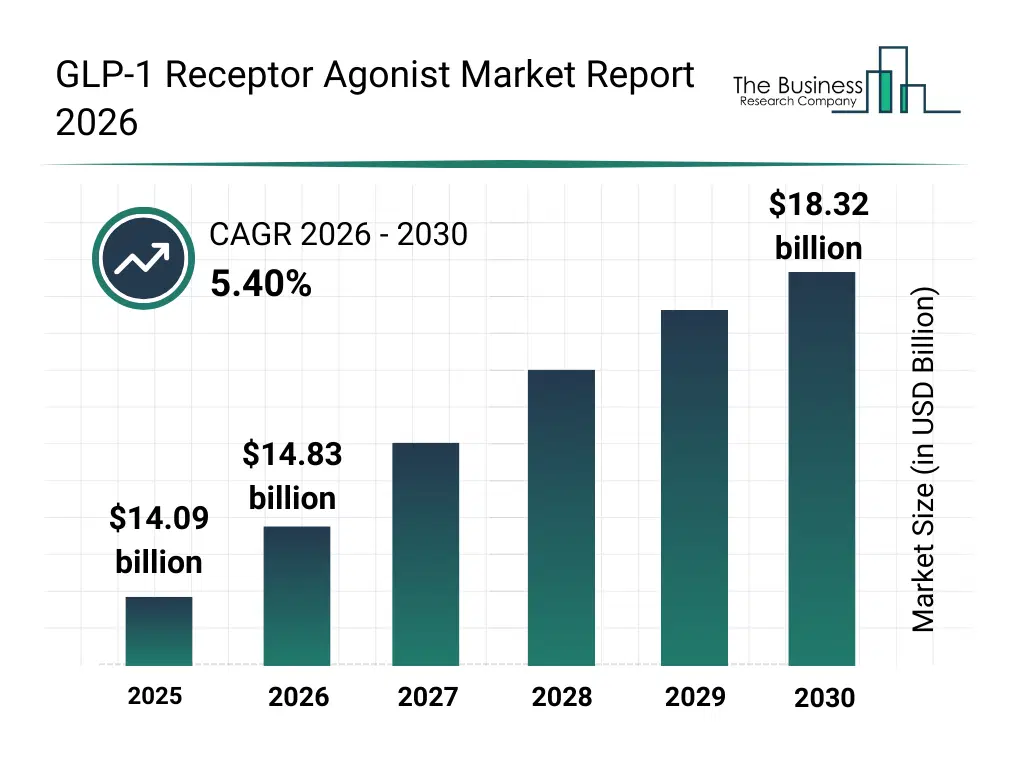
What Is The GLP-1 Receptor Agonist Market Size and Share 2026?
The glp-1 receptor agonist market size has grown strongly in recent years. It will grow from $14.09 billion in 2025 to $14.83 billion in 2026 at a compound annual growth rate (CAGR) of 5.3%. The growth in the historic period can be attributed to rising prevalence of type 2 diabetes, increased awareness of glycemic control therapies, strong clinical efficacy versus traditional antidiabetics, physician preference for incretin-based therapies, favorable reimbursement in developed markets.What Is The GLP-1 Receptor Agonist Market Growth Forecast?
The glp-1 receptor agonist market size is expected to see strong growth in the next few years. It will grow to $18.32 billion in 2030 at a compound annual growth rate (CAGR) of 5.4%. The growth in the forecast period can be attributed to growing obesity population, expanding approval for cardiovascular risk reduction, innovation in oral and combination therapies, increased penetration in emerging markets, rising patient preference for weight loss benefits. Major trends in the forecast period include expansion of glp-1 therapies beyond diabetes, rising demand for long-acting and once-weekly formulations, growth of oral glp-1 receptor agonists, increasing focus on weight management indications, strategic partnerships and licensing agreements.
Global GLP-1 Receptor Agonist Market Segmentation
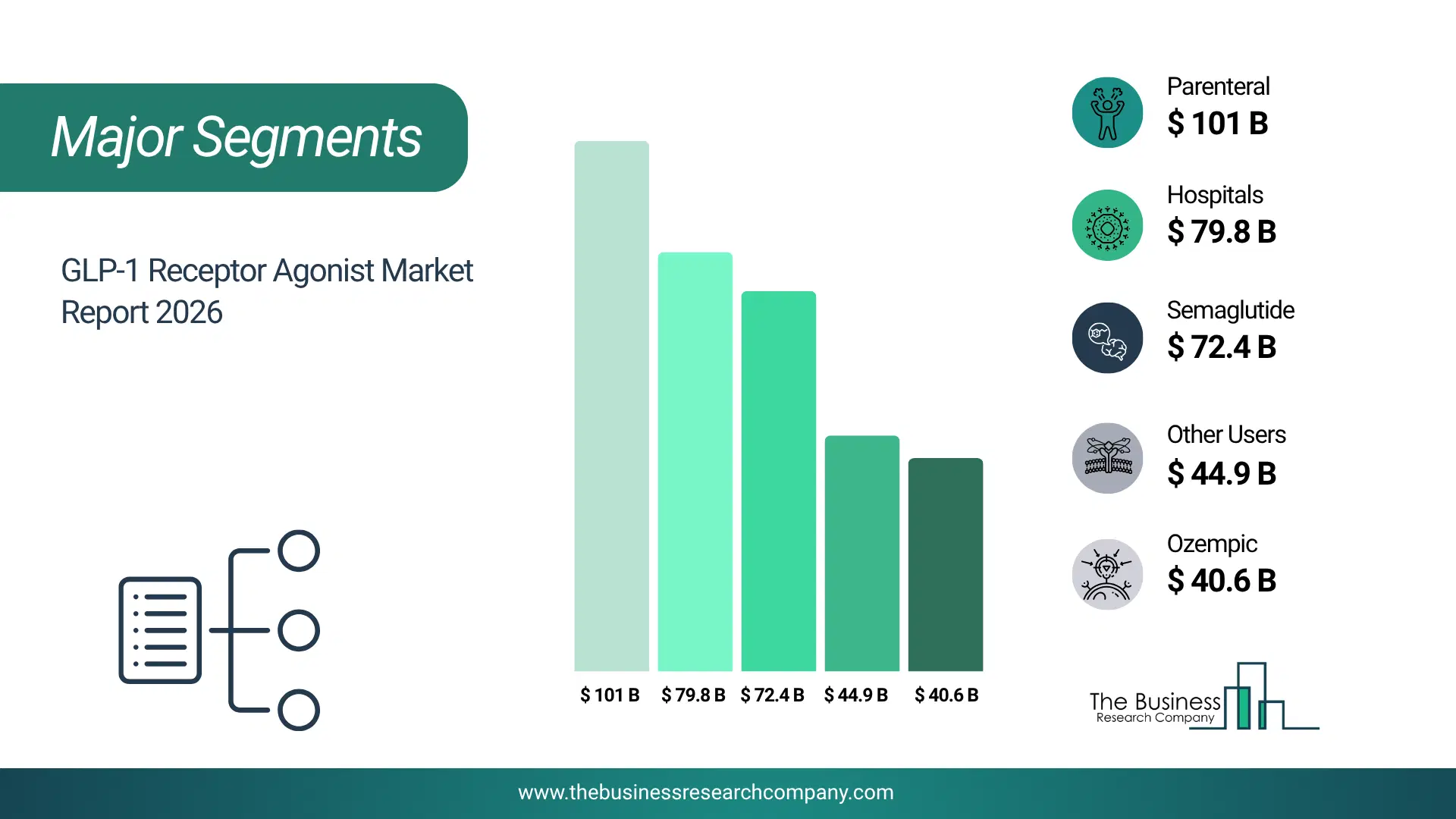
1) By Drug Class: Exenatide, Liraglutide, Dulaglutide, Lixisenatide, Other Drugs 2) By Route Of Administration: Parenteral, Oral 3) By End Users: Hospitals, Surgical Clinics, Other Users The top segments in the glp-1 receptor agonist market will be: • Parenteral will reach $101060.4 Million by 2030. • Hospitals will reach $79863.7 Million by 2030. • Semaglutide will reach $72425.87 Million by 2030. • Other Users will reach $44922.66 Million by 2030. • Ozempic will reach $40625.99 Million by 2030.What Is The Driver Of The GLP-1 Receptor Agonist Market?
The rising prevalence of diabetes is expected to propel the GLP-1 receptor agonist market going forward. Diabetes is a chronic illness that develops when the pancreas either produces insufficient amounts of insulin or when the body cannot properly utilize the insulin that it does. High blood sugar is a symptom of the metabolic disorder diabetes mellitus. GLP-1 receptor agonist is used in diabetes to stimulate the body to produce more insulin, which helps to lower blood sugar levels, so the rising prevalence of diabetes will propel the market growth. For instance, in March 2024, according to the Office for Health Improvement and Disparities, a UK-based government department, between March 2022 and March 2023, the percentage of individuals with type 1 diabetes receiving all eight recommended care processes increased by 22%, and for type 2 diabetes, it increased by 21%, while the percentage achieving target HbA1c levels rose to 37.9%. Therefore, the rising prevalence of diabetes is driving the GLP-1 receptor agonist industry.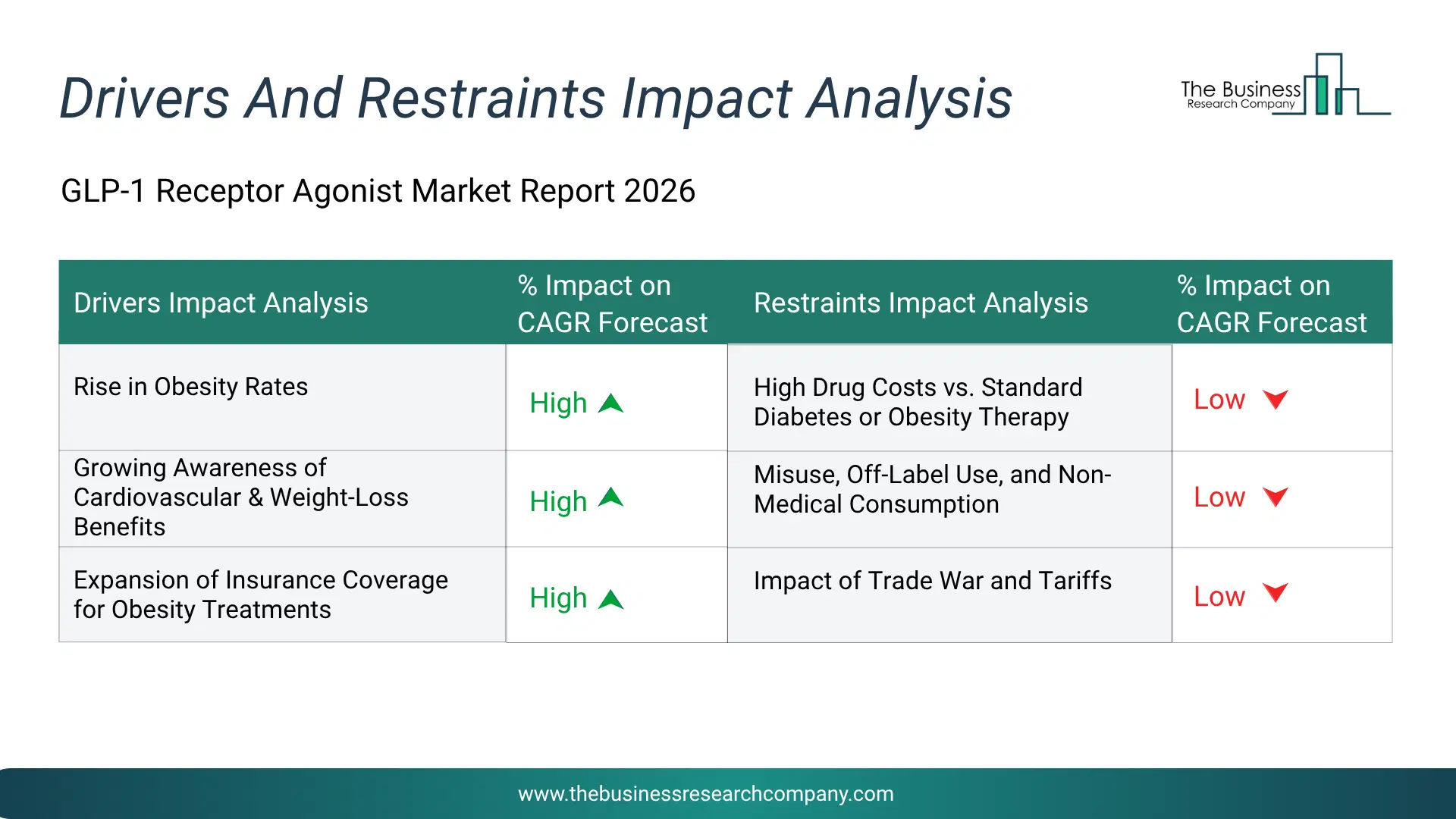
Infographic Chart Showing Key Market Drivers Analysis And Restraints For Glp-1 Receptor Agonist Market
The chart presents an impact analysis of key drivers and restraints, quantifying their relative influence on the market's growth rate and helping assess the balance between growth enablers and limiting factors. This chart offers a high-level perspective; the full report contains more detailed insights.
How Will The Drivers Impact Growth In The Global GLP-1 Receptor Agonist Market?
• Rise in Obesity Rates (High) – During the forecast period, the rise in obesity rates will become a key driver of growth in the glp-1 receptor agonist market by 2030. increasing global obesity prevalence heightens the need for effective pharmacological interventions that can address weight gain, metabolic dysfunction and the progression of obesity-related chronic diseases. obesity significantly elevates the risk of conditions such as type 2 diabetes, hypertension and cardiovascular disorders, creating stronger demand for treatments capable of producing sustained weight loss and improving overall metabolic health. this sharp increase in obesity rates expands the population requiring structured weight-management therapies and clinical support. as more individuals face health risks associated with excess weight, the demand for glp-1 receptor agonist, proven to reduce weight, improve glycemic control and lower cardiometabolic risk, is expected to rise substantially, thereby driving the growth of the glp-1 receptor agonist market. as a result, the rise in obesity rates is anticipated to contributing to a 4.5% annual growth in the market. • Growing Awareness of Cardiovascular & Weight-Loss Benefits (High) – During the forecast period, the growing awareness of cardiovascular and weight-loss benefits will emerge as a major factor driving the expansion of the glp-1 receptor agonist market by 2030. as more individuals recognize the dual role of glp-1 therapies in reducing body weight and lowering the risk of major cardiovascular events, demand for these medications continues to expand across diverse patient groups. increased public understanding of obesity as a cardiometabolic condition—rather than a purely lifestyle issue, strengthens interest in treatments that offer clinically proven improvements in heart health, glycemic control and long-term weight management. as knowledge of both weight-loss efficacy and cardiovascular protection continues to spread through clinical guidelines, employer programs and public health communication, more people are expected to seek glp-1-based interventions. this growing awareness significantly increases consumer demand and broadens the eligible treatment population, thereby driving the growth of the glp-1 receptor agonist market. consequently, the growing awareness of cardiovascular and weight-loss benefits is projected to contributing to a 4.0% annual growth in the market. • Expansion of Insurance Coverage for Obesity Treatments (High) – During the forecast period, the expansion of insurance coverage for obesity treatments as a major factor driving the expansion of the glp-1 receptor agonist market by 2030. insurance plans increasingly recognize obesity as a medical condition requiring long-term clinical management, creating stronger demand for therapies that deliver meaningful weight loss and metabolic benefits. broader coverage ensures that patients can access glp-1 drugs without prohibitive out-of-pocket costs, which have historically limited adoption even among individuals who medically qualify for treatment. as employers and insurers continue expanding benefits to address rising obesity-related healthcare costs, more patients gain access to glp-1 therapies that provide clinically proven reductions in weight and cardiometabolic risk. with coverage becoming more widespread, affordability barriers diminish and treatment uptake rises significantly, thereby driving the growth of the glp-1 receptor agonist market. consequently, expansion of insurance coverage for obesity treatments is projected to contributing to a 3.5% annual growth in the market. • Increased Focus on Preventive Care (High) – During the forecast period, the increased focus on preventive care will propel the growth of the GLP-1 receptor agonist market. Preventive-care frameworks emphasize early intervention, management of risk factors and long-term strategies to reduce the burden of chronic diseases, including obesity, diabetes and cardiovascular conditions, all of which GLP-1 therapies effectively address. Strengthening primary health care systems encourages earlier identification of metabolic risks and expands access to evidence-based treatments before severe complications develop. This shift toward proactive care increases the need for effective pharmacological options that can reduce weight, improve glycemic control and lower cardiometabolic risk. As countries expand preventive-care initiatives to curb rising NCD prevalence, the use of GLP-1 receptor agonist is expected to rise significantly, thereby driving the growth of the GLP-1 receptor agonist market. The increased focus on preventive care growth contribution during the forecast period in 2025 is 3.0%.How Will The Restraints Impact Growth In The Global GLP-1 Receptor Agonist Market?
• High Drug Costs vs. Standard Diabetes or Obesity Therapy (High) – During the forecast period, high drug costs compared to standard diabetes or obesity therapy are restricting the growth of the glp-1 receptor agonist market during the forecast period. glp-1 drugs remain significantly more expensive than traditional treatments, creating financial barriers for patients and limiting adoption among those without comprehensive insurance coverage. their high monthly price also places pressure on payers, who may impose restrictions, prior authorizations, or step-therapy requirements that reduce access. additionally, cost-effectiveness analyses have shown that current glp-1 pricing does not align with accepted value thresholds, making health systems less likely to support broad reimbursement. as a result, many individuals and providers continue to rely on lower-cost diabetes or weight-management therapies, limiting the potential expansion of glp-1 receptor agonist. growth affected by high drug costs compared to standard diabetes or obesity therapy across regions during the forecast period in 2025 is -0.8%. • Misuse, Off-Label Use, and Non-Medical Consumption (High) – During the forecast period, misuse, off-label use and non-medical consumption are restricting the growth of the glp-1 receptor agonist market during the forecast period. the rapid rise in unauthorized online sales and illegally sourced glp-1 products has created significant safety concerns among regulators and healthcare providers. these counterfeit and unapproved versions may contain incorrect doses or harmful substances, increasing the risk of adverse events and reducing patient trust in legitimate therapies. off-label use driven by cosmetic weight-loss trends further strains supply chains and leads to tighter monitoring and restrictions by authorities. as a result, manufacturers and healthcare systems face growing challenges in ensuring safe, controlled and medically appropriate use of glp-1 receptor agonist. growth affected by misuse, off-label use and non-medical consumption across regions during the forecast period in 2025 is -0.5%. • Impact of Trade War and Tariffs (High) – During the forecast period, impact of trade wars and tariffs is restricting the growth of the glp-1 receptor agonist market during the forecast period. tariffs on branded medicines raise the cost of glp-1 therapies, reducing affordability and limiting access for patients, insurers and healthcare payers. increased import costs can lead to price hikes, prompting some payers to impose stricter reimbursement policies or exclude glp-1 drugs from formularies, thereby reducing uptake and market penetration. additionally, uncertainty over trade regulations and tariff policies may discourage manufacturers from investing in expansion or supply-chain scaling, constraining product availability in certain regions. as a result, many potential patients and providers may delay or avoid glp-1 therapy, dampening overall market growth for glp-1 receptor agonist. growth affected by trade war and tariffs across regions during the forecast period in 2025 is -0.3%.Key Players In The Global GLP-1 Receptor Agonist Market
Major companies operating in the glp-1 receptor agonist market are Novo Nordisk A/S, Sanofi SA, Eli Lilly and Company, AstraZeneca Inc., Boehringer Ingelheim International GmbH, Hanmi Pharm Co. Ltd., Pfizer Inc., Amgen Inc., Innovent Biologics Inc., Jiangsu Hengrui Medicine Co., Sun Pharmaceuticals Industries Ltd., PegBio Co. Ltd., Zealand Pharma A/S, Bristol-Myers Squibb Company, Chongqing Lummy Pharmaceutical Co. Ltd., Daiichi Sankyo Company Limited, Dong-A ST Co. Ltd., Eisai Co. Ltd., HanAll Biopharma Co. Ltd., Ipsen SA, Johnson & Johnson, Merck & Co. Inc., Novartis AG.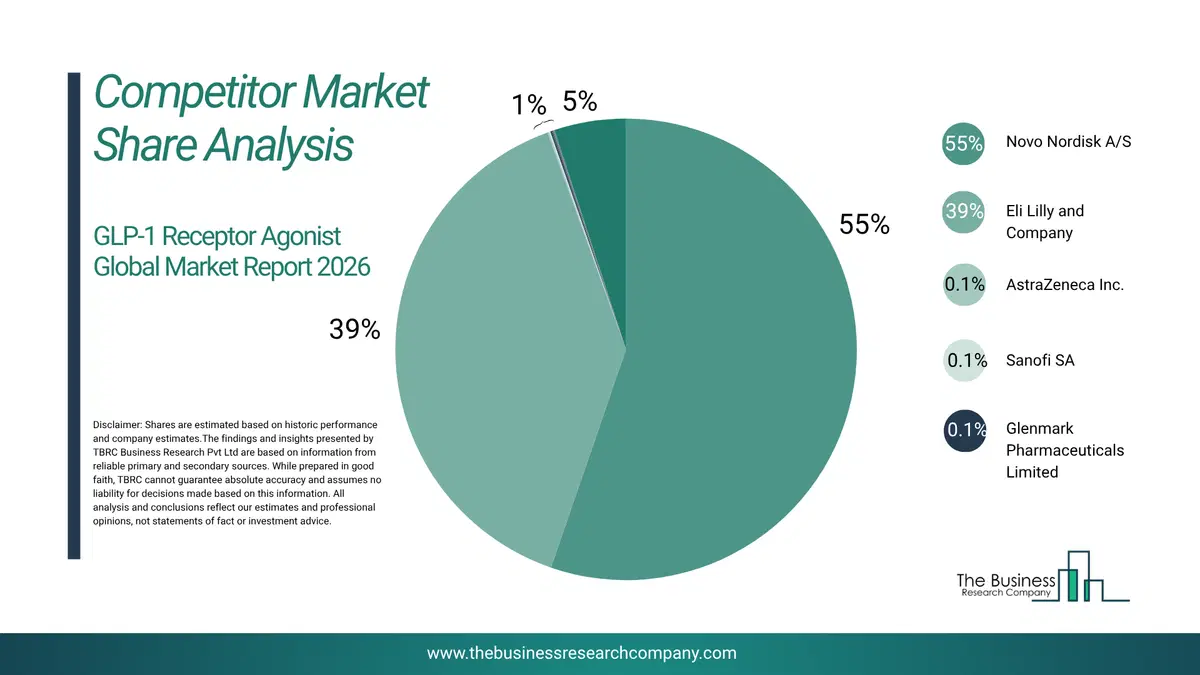
This chart is for illustrative purposes; the full report includes a detailed competitor analysis and comprehensive overview of the top 10 companies in the market.
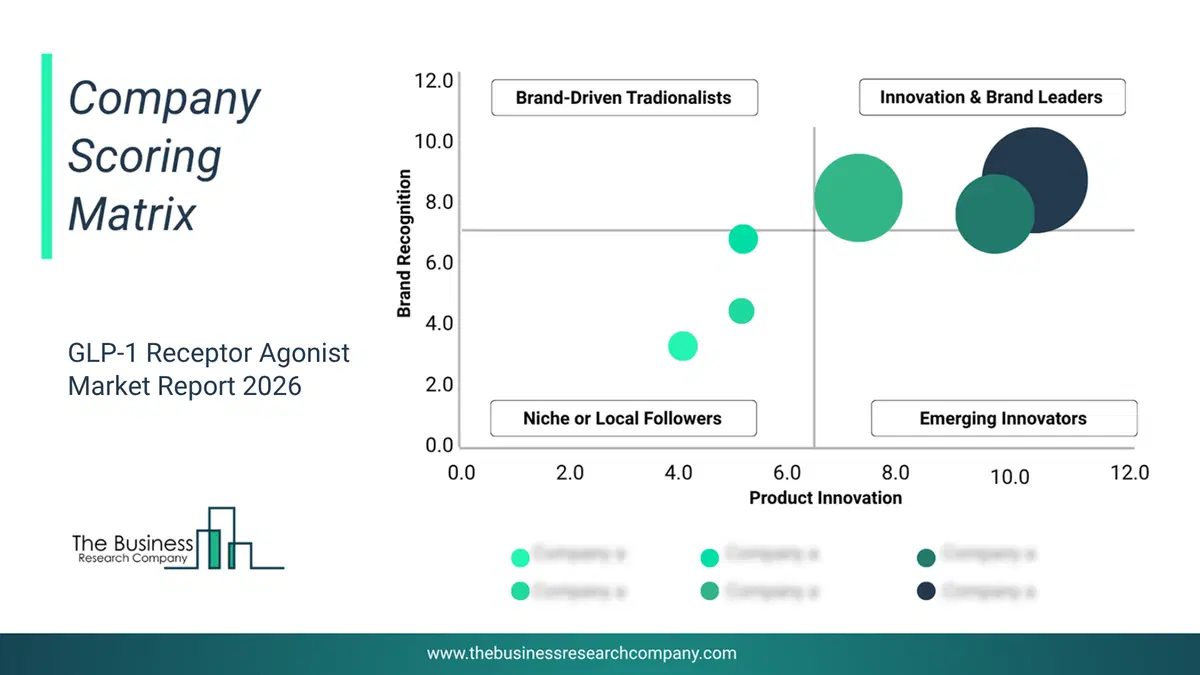
This chart maps companies by product innovation and brand strength, with bubble size indicating relative revenue, helping identify market leaders, challengers, and niche players. This is an illustrative chart; the full report provides a complete and accurate competitive analysis.
Global GLP-1 Receptor Agonist Market Trends and Insights
Major companies operating in the GLP-1 receptor agonist market are focused on developing sustained-release GLP-1 receptor agonists to gain a competitive edge in the market. Sustained-release GLP-1 receptor agonists (GLP-1RAs) are a type of medication that slowly releases GLP-1RA into the bloodstream over time, which allows for longer-lasting effects and less frequent injections compared to traditional GLP-1RAs. For instance, in April 2023, Mitsubishi Tanabe Pharma Corporation, a Japan-based pharmaceuticals company, launched Mounjaro 2.5 mg or 5 mg Ateos. It is the world's first sustained-release GIP/GLP-1 receptor agonist for the treatment of type 2 diabetes that activates both the GLP-1 and GIP receptors. The GLP-1 receptor is involved in regulating blood sugar levels, while the GIP receptor is involved in stimulating insulin secretion and reducing appetite.What Are Latest Mergers And Acquisitions In The GLP-1 Receptor Agonist Market?
In July 2024, Roche, a Swiss-based pharmaceuticals company, acquired Carmot Therapeutics for US$ 2.7 billion (with up to US$ 400 million in additional milestone payments). With this acquisition, Roche aimed to strengthen its metabolic disease franchise by gaining access to Carmot’s advanced portfolio, particularly a phase-2-ready dual GLP-1/GIP receptor agonist, thereby enhancing its competitive position in both obesity and diabetes markets. Carmot Therapeutics is a U.S.-based biotech company focused on developing incretin-based therapies, including CT-388 (a weekly injectable dual GLP-1/GIP agonist), an oral small-molecule GLP-1 agonist (CT-996), and another injectable GLP-1/GIP candidate (CT-868).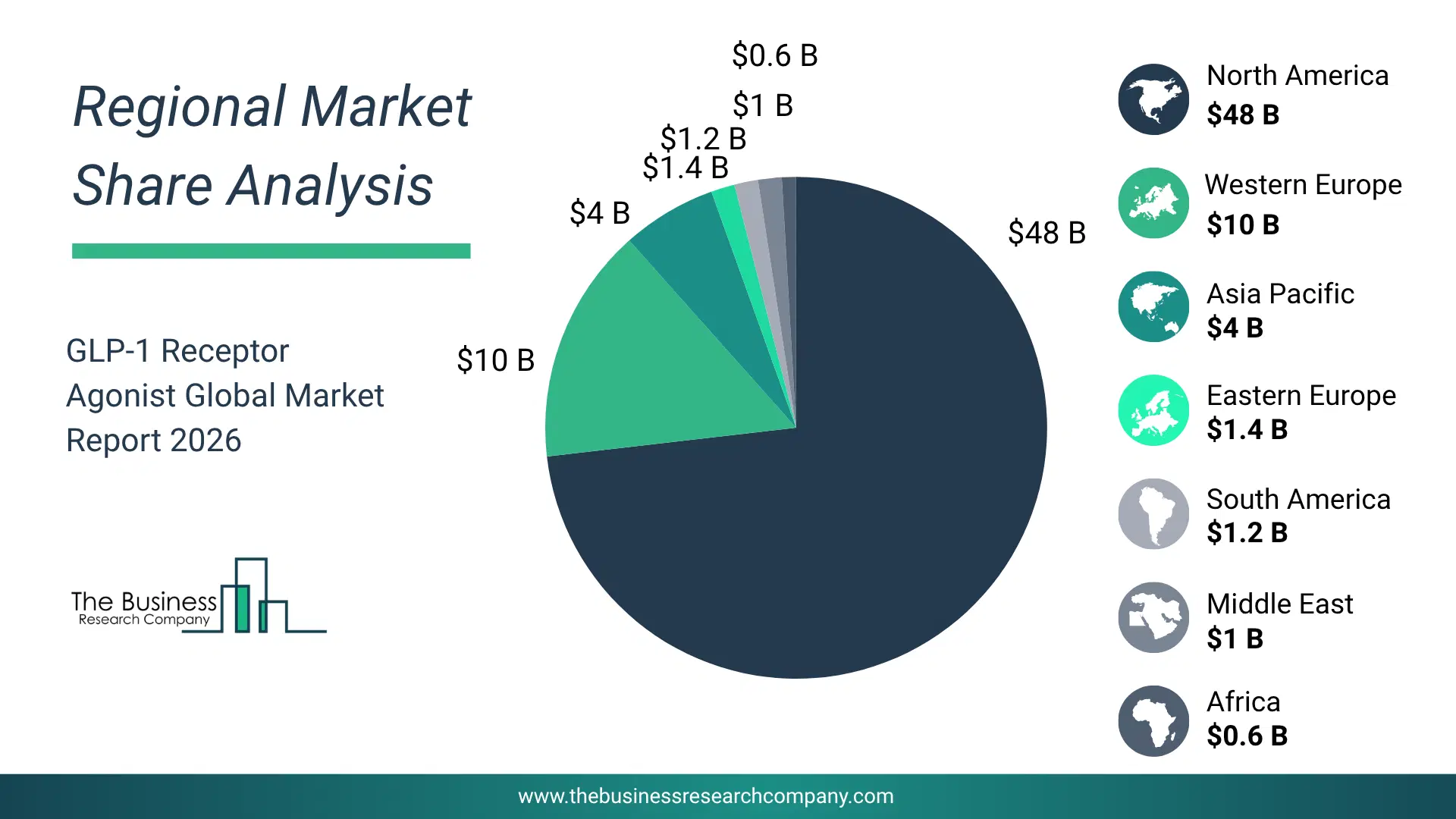
Regional Insights
North America was the largest region in the GLP-1 receptor agonist market in 2025. Asia-Pacific is expected to be the fastest-growing region in the GLP-1 receptor agonist market report during the forecast period. The regions covered in this market report are Asia-Pacific, South East Asia, Western Europe, Eastern Europe, North America, South America, Middle East, Africa. The countries covered in this market report are Australia, Brazil, China, France, Germany, India, Indonesia, Japan, Taiwan, Russia, South Korea, UK, USA, Canada, Italy, Spain.What Defines the GLP-1 Receptor Agonist Market?
The GLP-1 receptor agonist market consists of sales of dulaglutide, bydureon b-cise, exenatide, and semaglutide. Values in this market are ‘factory gate’ values, that is the value of goods sold by the manufacturers or creators of the goods, whether to other entities (including downstream manufacturers, wholesalers, distributors and retailers) or directly to end customers. The value of goods in this market includes related services sold by the creators of the goods.How is Market Value Defined and Measured?
The market value is defined as the revenues that enterprises gain from the sale of goods and/or services within the specified market and geography through sales, grants, or donations in terms of the currency (in USD unless otherwise specified). The revenues for a specified geography are consumption values that are revenues generated by organizations in the specified geography within the market, irrespective of where they are produced. It does not include revenues from resales along the supply chain, either further along the supply chain or as part of other products.
This chart presents market attractiveness based on a quantitative evaluation of growth, competition, strategic alignment, and risk, offering a clear view of opportunity areas for decision-making. This chart is for illustrative purposes; the full report contains the complete analysis.

This chart highlights the Total Addressable Market (TAM) by estimating the maximum revenue opportunity using an assumption-driven approach, supporting strategic planning and opportunity sizing across markets. The chart is illustrative; the full report provides a more comprehensive analysis.
What Key Data and Analysis Are Included in the GLP-1 Receptor Agonist Market Report 2026?
The glp-1 receptor agonist market research report is one of a series of new reports from The Business Research Company that provides market statistics, including industry global market size, regional shares, competitors with the market share, detailed market segments, market trends and opportunities, and any further data you may need to thrive in the glp-1 receptor agonist industry. The market research report delivers a complete perspective of everything you need, with an in-depth analysis of the current and future state of the industry.GLP-1 Receptor Agonist Market Report Forecast Analysis
| Report Attribute | Details |
|---|---|
| Market Size Value In 2026 | $14.83 billion |
| Revenue Forecast In 2030 | $18.32 billion |
| Growth Rate | CAGR of 5.3% from 2026 to 2030 |
| Base Year For Estimation | 2025 |
| Actual Estimates/Historical Data | 2020-2025 |
| Forecast Period | 2026 - 2030 - 2035 |
| Market Representation | Revenue in USD Billion and CAGR from 2026 to 2030 |
| Segments Covered | Drug Class, Route Of Administration, End Users |
| Regional Scope | Asia-Pacific, Western Europe, Eastern Europe, North America, South America, Middle East, Africa |
| Country Scope | The countries covered in the report are Australia, Brazil, China, France, Germany, India, Indonesia, Japan, Taiwan, Russia, South Korea, UK, USA, Canada, Italy, Spain. |
| Key Companies Profiled | Novo Nordisk A/S, Sanofi SA, Eli Lilly and Company, AstraZeneca Inc., Boehringer Ingelheim International GmbH, Hanmi Pharm Co. Ltd., Pfizer Inc., Amgen Inc., Innovent Biologics Inc., Jiangsu Hengrui Medicine Co., Sun Pharmaceuticals Industries Ltd., PegBio Co. Ltd., Zealand Pharma A/S, Bristol-Myers Squibb Company, Chongqing Lummy Pharmaceutical Co. Ltd., Daiichi Sankyo Company Limited, Dong-A ST Co. Ltd., Eisai Co. Ltd., HanAll Biopharma Co. Ltd., Ipsen SA, Johnson & Johnson, Merck & Co. Inc., Novartis AG. |
| Customization Scope | Request for Customization |
| Pricing And Purchase Options | Explore Purchase Options |