
Germ Cell Tumor Market Report 2026
Global Outlook – By Disease (Testicular, Ovarian, Other Diseases), By Treatment Type (Chemotherapy, Immunotherapy), By Route Of Administration (Oral, Intravenous, Intraperitoneal), By End User (Hospitals And Clinics, Research Institutes, Other End Users) - Market Size, Trends, Strategies, and Forecast to 2030
Germ Cell Tumor Market Overview
• Germ Cell Tumor market size has reached to $11.61 billion in 2025 • Expected to grow to $22.55 billion in 2030 at a compound annual growth rate (CAGR) of 14.4% • Growth Driver: Rising Number Of Clinical Trials Fuels Growth In The Germ Cell Tumor Market • Market Trend: Advancements in CAR‑T Cell Therapy for Germ Cell Tumors: BioNTech’s BNT211 Collaboration • North America was the largest region in 2025 and Asia-Pacific is the fastest growing region.What Is Covered Under Germ Cell Tumor Market?
Germ cell tumors (GCTs) are a type of cancer that arises from the germ cells, which are the cells that give rise to eggs in females and sperm in males. These tumors most commonly develop in the ovaries or testes, but they can also occur in other parts of the body where germ cells are present, such as the brain, chest, abdomen, or pelvis. The main types of germ cell tumor diseases are caused over testicular, ovarian, and others. Testicular refers to any medical condition or disorder that affects the testicles, which are the male reproductive organs responsible for producing sperm and hormones like testosterone. It can be treated by chemotherapy and immunotherapy and drugs are administered through oral, intravenous, intraperitoneal routes. The different end users such as hospitals and clinics, research institutes, and others.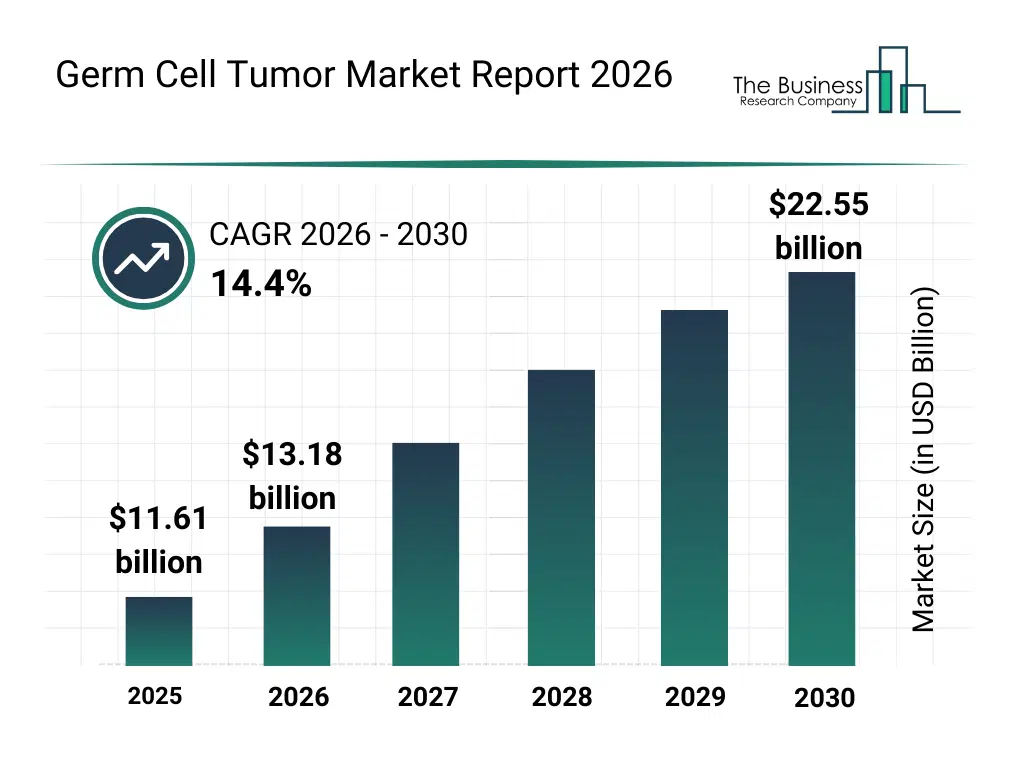
What Is The Germ Cell Tumor Market Size and Share 2026?
The germ cell tumor market size has grown rapidly in recent years. It will grow from $11.61 billion in 2025 to $13.18 billion in 2026 at a compound annual growth rate (CAGR) of 13.5%. The growth in the historic period can be attributed to advances in oncology chemotherapy, improved cancer diagnostics, establishment of oncology centers, increased testicular cancer awareness, clinical trial expansion.What Is The Germ Cell Tumor Market Growth Forecast?
The germ cell tumor market size is expected to see rapid growth in the next few years. It will grow to $22.55 billion in 2030 at a compound annual growth rate (CAGR) of 14.4%. The growth in the forecast period can be attributed to development of targeted therapies, growth in immunotherapy adoption, precision oncology research, expansion of cancer treatment infrastructure, improved screening protocols. Major trends in the forecast period include rising use of combination chemotherapy regimens, increased adoption of immunotherapy approaches, growing focus on early tumor diagnosis, expansion of pediatric germ cell tumor treatment, improved survival outcomes through multimodal care.
Global Germ Cell Tumor Market Segmentation
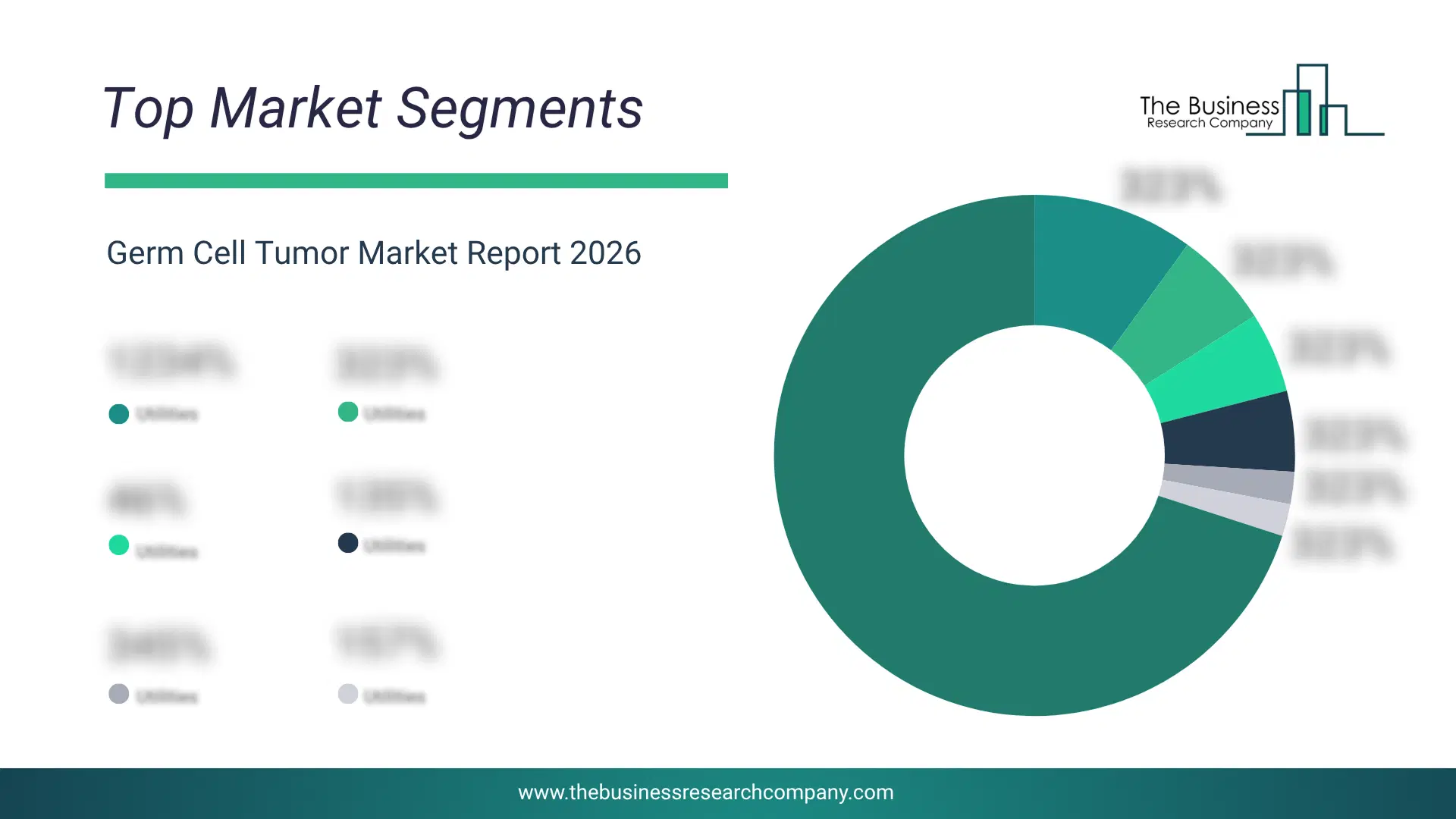
1) By Disease: Testicular, Ovarian, Other Diseases 2) By Treatment Type: Chemotherapy, Immunotherapy 3) By Route Of Administration: Oral, Intravenous, Intraperitoneal 4) By End User: Hospitals And Clinics, Research Institutes, Other End Users Subsegments: 1) By Testicular: Seminomas, Non-Seminomas 2) By Ovarian: Dysgerminoma, Non-Dysgerminomatous Germ Cell Tumors 3) By Other Diseases: Extragonadal Germ Cell Tumors, Germ Cell Tumors In ChildrenWhat Are The Drivers Of The Germ Cell Tumor Market?
The increasing number of clinical trials is expected to propel the growth of the germ cell tumor market going forward. Clinical trials are carefully designed research studies conducted with human participants to evaluate the safety, efficacy, and potential benefits of new medical interventions, treatments, therapies, or procedures. Clinical trials play a significant role in the study of germ-cell cancers. They aid in assessing the efficacy and safety of novel medicines and can offer insightful data on the present course of treatment. For instance, in May 2023, according to a report published by Xtalks, a Canada-based digital health company, as of May 2023, there are 452,604 registered clinical trials globally on ClinicalTrials.gov, and out of these, 64,838 trials are actively recruiting participants. Therefore, the increasing number of clinical trials is driving the growth of the germ cell tumor industry. The increasing prevalence of cancer is expected to propel the growth of the germ cell tumor market going forward. Cancer is a group of diseases characterized by the uncontrolled growth and spread of abnormal cells, often forming tumors that can invade nearby tissues and metastasize to other body parts. The primary treatment for germ cell tumors involves surgical removal of the tumor, followed by chemotherapy to target any remaining cancer cells. For instance, in 2023, according to the American Cancer Society Inc., a US-based non-profit health group, 1,958,310 new cancer cases are expected to be diagnosed in the US, compared to 1,918,030 new cancer cases in 2022. Therefore, the increasing prevalence of cancer is driving the growth of the germ cell tumor industry.Key Players In The Global Germ Cell Tumor Market
Major companies operating in the germ cell tumor market are Johnson & Johnson, Pfizer Inc., F. Hoffmann-La Roche AG, AbbVie Inc., Bayer AG, Novartis AG, Merck & Co. Inc., Bristol-Myers Squibb Company, Fresenius Kabi Oncology Limited, Sanofi S.A., AstraZeneca plc, Ipsen Pharma, Takeda Pharmaceutical Company Limited, Eli Lilly and Company, Regeneron Pharmaceuticals Inc., Sandoz International GmbH, Daiichi Sankyo Co. Ltd., Jazz Pharmaceuticals plc, Ono Pharmaceutical Co. Ltd., Kyowa Hakko Kirin Co. Ltd., Mallinckrodt Pharmaceuticals, Taiho Pharmaceutical Co. Ltd., Accord Healthcare Limited, Spectrum Pharmaceuticals Inc., Ziopharm Oncology Inc.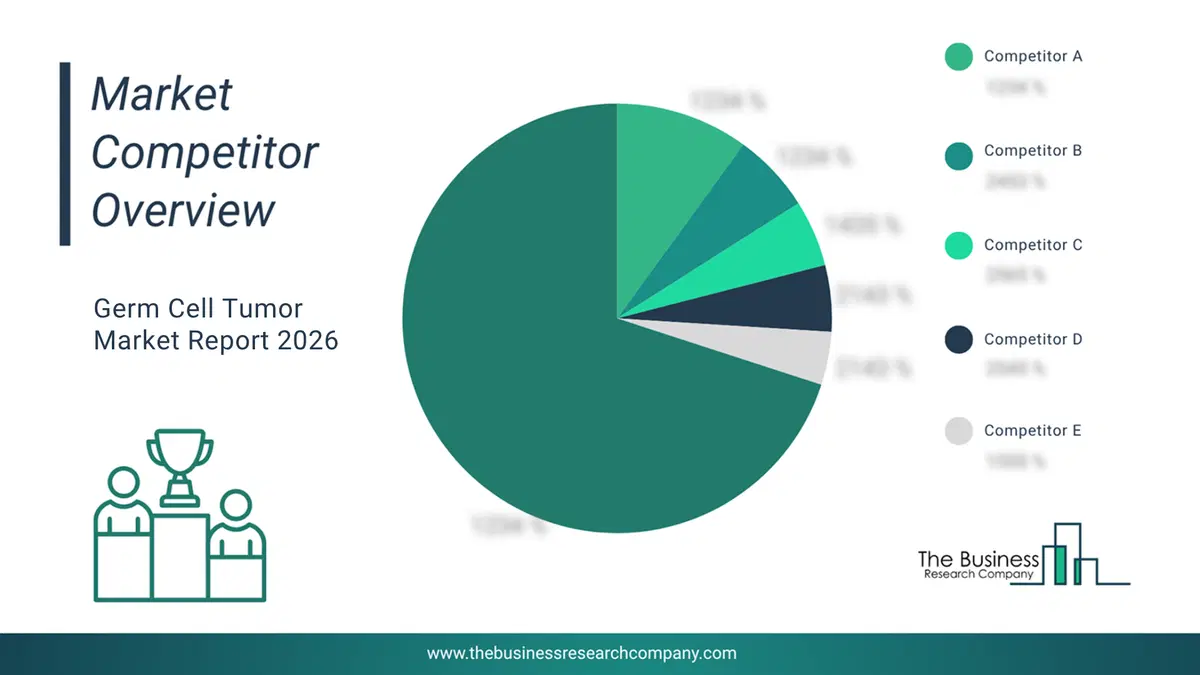
This chart is for illustrative purposes; the full report includes a detailed competitor analysis and comprehensive overview of the top 10 companies in the market.
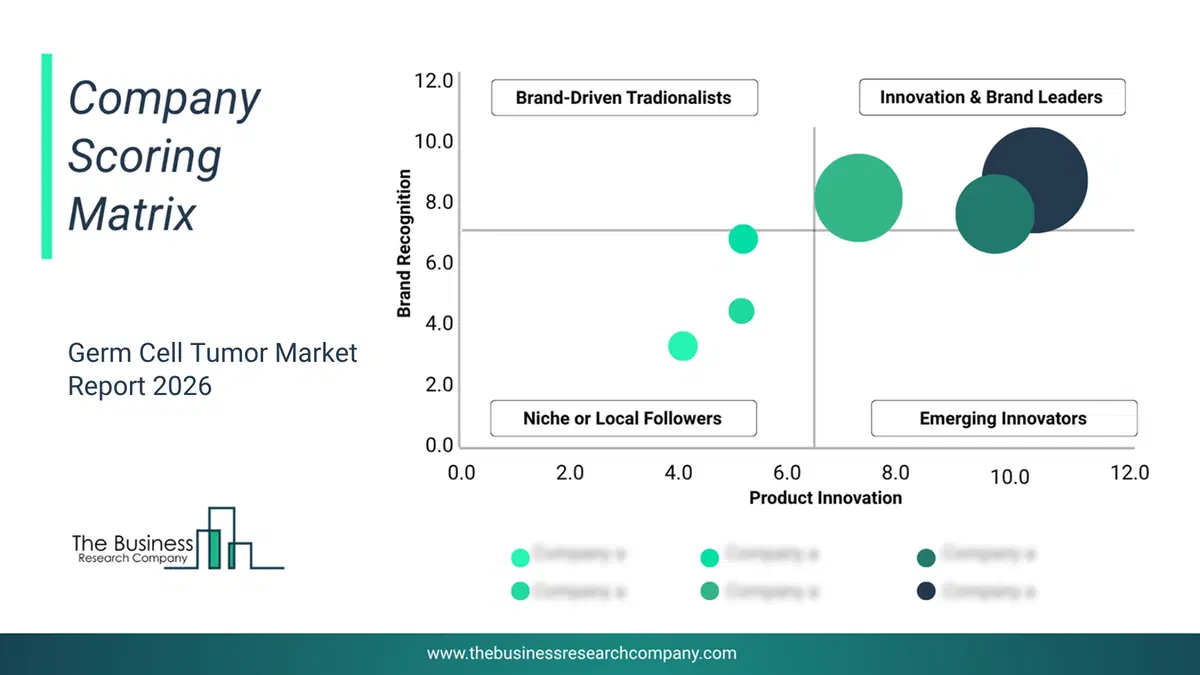
This chart maps companies by product innovation and brand strength, with bubble size indicating relative revenue, helping identify market leaders, challengers, and niche players. This is an illustrative chart; the full report provides a complete and accurate competitive analysis.
Global Germ Cell Tumor Market Trends and Insights
Major companies operating in the germ cell tumor market are focusing on developments like CAR T cell therapies. CAR T cell therapy is an advanced immunotherapy in which a patient’s own T cells (a type of immune cell) are genetically engineered to express chimeric antigen receptors (CARs) that can specifically recognize and bind to cancer cells. Once reintroduced into the patient’s body, these modified T cells seek out and destroy targeted tumor cells. For instance, in March 2025, BioNTech SE, a Germany-based biotechnology company developing innovative immunotherapies, initiated a collaboration with Autolus Therapeutics plc, a UK-based biopharmaceutical company focused on advancing BNT211, a CAR T therapy targeting CLDN6-positive solid tumors, which includes germ cell tumors. The collaboration aims to accelerate the development of personalized CAR T treatments for patients with germ cell malignancies by leveraging BioNTech’s expertise in RNA-based and cell therapies. This partnership brings together cutting-edge cellular therapy technology and targeted oncology research to potentially provide new therapeutic options for patients with limited treatment choices.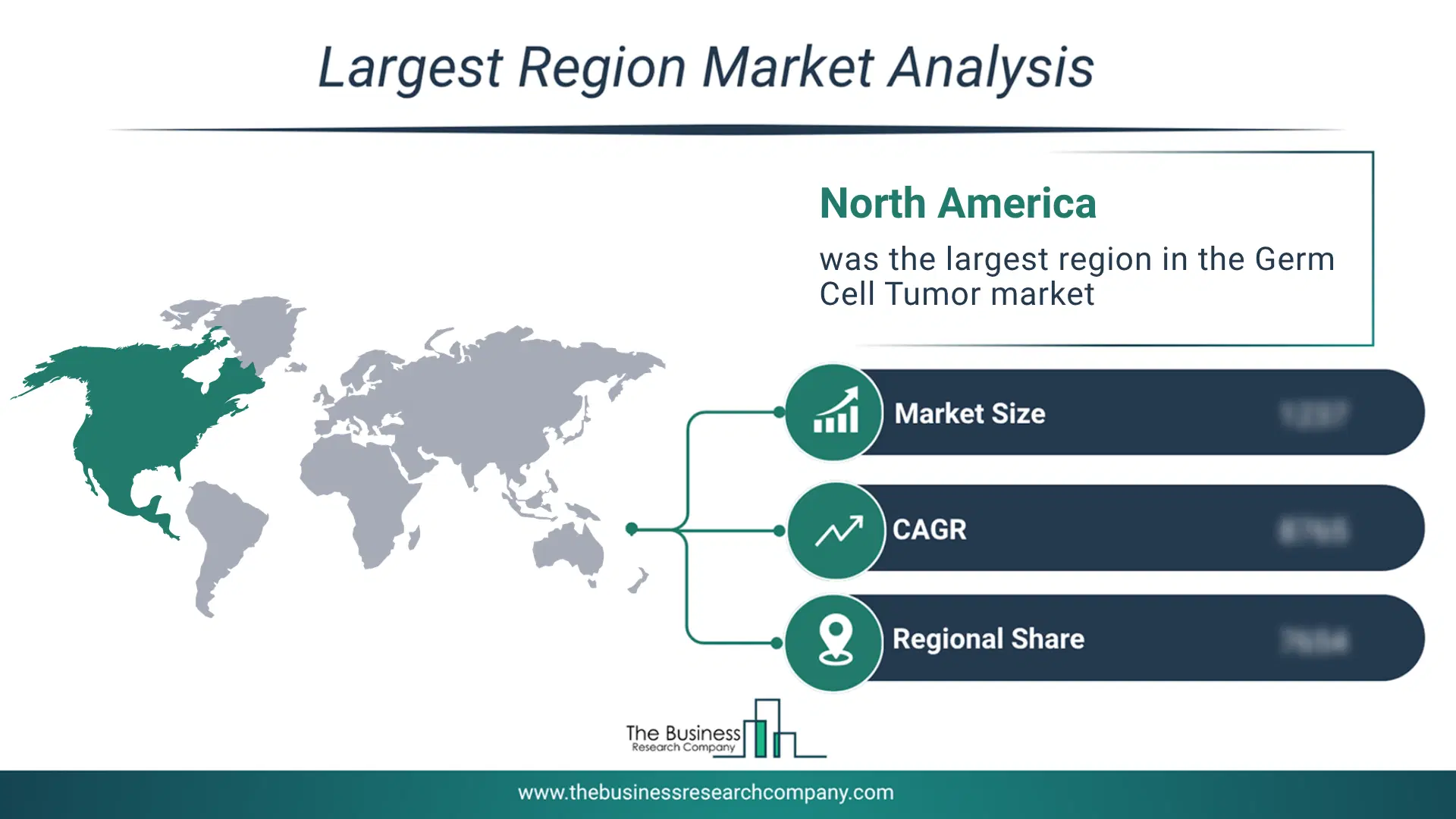
Regional Outlook
North America was the largest region in the germ cell tumors market in 2025. Asia-Pacific is expected to be the fastest-growing region in the forecast period. The regions covered in this market report are Asia-Pacific, South East Asia, Western Europe, Eastern Europe, North America, South America, Middle East, Africa. The countries covered in this market report are Australia, Brazil, China, France, Germany, India, Indonesia, Japan, Taiwan, Russia, South Korea, UK, USA, Canada, Italy, Spain.What Defines the Germ Cell Tumor Market?
The germ cell tumors market includes revenues earned by entities by providing services such as surgical services, imaging, psychosocial support, genetic counseling, and pain management. The market value includes the value of related goods sold by the service provider or included within the service offering. The germ cell tumors market also includes sales of etoposide, ifosfamide, dactinomycin, bleomycin, and cisplatin. Values in this market are ‘factory gate’ values, that is, the value of goods sold by the manufacturers or creators of the goods, whether to other entities (including downstream manufacturers, wholesalers, distributors, and retailers) or directly to end customers. The value of goods in this market includes related services sold by the creators of the goods.How is Market Value Defined and Measured?
The market value is defined as the revenues that enterprises gain from the sale of goods and/or services within the specified market and geography through sales, grants, or donations in terms of the currency (in USD unless otherwise specified). The revenues for a specified geography are consumption values that are revenues generated by organizations in the specified geography within the market, irrespective of where they are produced. It does not include revenues from resales along the supply chain, either further along the supply chain or as part of other products.
This chart presents market attractiveness based on a quantitative evaluation of growth, competition, strategic alignment, and risk, offering a clear view of opportunity areas for decision-making. This chart is for illustrative purposes; the full report contains the complete analysis.

This chart highlights the Total Addressable Market (TAM) by estimating the maximum revenue opportunity using an assumption-driven approach, supporting strategic planning and opportunity sizing across markets. The chart is illustrative; the full report provides a more comprehensive analysis.
What Key Data and Analysis Are Included in the Germ Cell Tumor Market Report 2026?
The germ cell tumor market research report is one of a series of new reports from The Business Research Company that provides market statistics, including industry global market size, regional shares, competitors with the market share, detailed market segments, market trends and opportunities, and any further data you may need to thrive in the germ cell tumor industry. The market research report delivers a complete perspective of everything you need, with an in-depth analysis of the current and future state of the industry.Germ Cell Tumor Market Report Forecast Analysis
| Report Attribute | Details |
|---|---|
| Market Size Value In 2026 | $13.18 billion |
| Revenue Forecast In 2030 | $22.55 billion |
| Growth Rate | CAGR of 14.4% from 2026 to 2030 |
| Base Year For Estimation | 2025 |
| Actual Estimates/Historical Data | 2020-2025 |
| Forecast Period | 2026 - 2030 |
| Market Representation | Revenue in USD Billion and CAGR from 2026 to 2030 |
| Segments Covered | Disease, Treatment Type, Route Of Administration, End User |
| Regional Scope | Asia-Pacific, Western Europe, Eastern Europe, North America, South America, Middle East, Africa |
| Country Scope | The countries covered in the report are Australia, Brazil, China, France, Germany, India, Indonesia, Japan, Taiwan, Russia, South Korea, UK, USA, Canada, Italy, Spain |
| Key Companies Profiled | Johnson & Johnson, Pfizer Inc., F. Hoffmann-La Roche AG, AbbVie Inc., Bayer AG, Novartis AG, Merck & Co. Inc., Bristol-Myers Squibb Company, Fresenius Kabi Oncology Limited, Sanofi S.A., AstraZeneca plc, Ipsen Pharma, Takeda Pharmaceutical Company Limited, Eli Lilly and Company, Regeneron Pharmaceuticals Inc., Sandoz International GmbH, Daiichi Sankyo Co. Ltd., Jazz Pharmaceuticals plc, Ono Pharmaceutical Co. Ltd., Kyowa Hakko Kirin Co. Ltd., Mallinckrodt Pharmaceuticals, Taiho Pharmaceutical Co. Ltd., Accord Healthcare Limited, Spectrum Pharmaceuticals Inc., Ziopharm Oncology Inc. |
| Customization Scope | Request for Customization |
| Pricing And Purchase Options | Explore Purchase Options |