
Cluster Of Differentiation 3 (CD3) Antibody Market Report 2026
Global Outlook – By Product Type (Monoclonal Antibodies, Bispecific Antibodies, Antibody-Drug Conjugates, Fragment Crystallizable (Fc) Engineering Products, Other Product Types), By Molecular Weight (Low Molecular Weight, Medium Molecular Weight, High Molecular Weight), By Formulation Type (Aqueous Formulations, Non-Aqueous Formulations), By Therapeutic Application (Cancer Immunotherapy, Autoimmune Diseases, Transplant Rejection, Infectious Diseases, Other Applications), By End-User (Hospitals, Research Institutes, Pharmaceutical Companies, Contract Research Organizations, Other End-Users) - Market Size, Trends, Strategies, and Forecast to 2030
Cluster Of Differentiation 3 (CD3) Antibody Market Overview
• Cluster Of Differentiation 3 (CD3) Antibody market size has reached to $1.99 billion in 2025 • Expected to grow to $3.74 billion in 2030 at a compound annual growth rate (CAGR) of 13.4% • Growth Driver: Rising Prevalence Of Cancer Fueling The Growth Of The Market Due To Increasing Demand For Targeted Immunotherapies • Market Trend: Bispecific Antibodies Boost Efficacy And Reduce Relapse Rates • North America was the largest region in 2025 and Asia-Pacific is the fastest growing region.What Is Covered Under Cluster Of Differentiation 3 (CD3) Antibody Market?
Cluster of differentiation 3 (CD3) antibody is a monoclonal antibody that targets the CD3 complex found on the surface of T lymphocytes. It is primarily used to modulate T-cell activity, making it valuable in immunotherapy and research applications. It helps in T-cell activation, depletion, or redirection, depending on therapeutic purpose. The main product types of cluster of differentiation 3 (CD3) antibody are monoclonal antibodies, bispecific antibodies, antibody-drug conjugates, fragment crystallizable engineering products, and others. Monoclonal antibodies are laboratory-produced molecules engineered to recognize and bind to a single specific antigen, enabling targeted diagnosis or treatment. The different molecular weights involved are low molecular weight, medium molecular weight, and high molecular weight, while the formulation types include aqueous formulations and non-aqueous formulations. It finds applications in cancer immunotherapy, autoimmune diseases, transplant rejection, infectious diseases, and others, and caters to end-users such as hospitals, research institutes, pharmaceutical companies, contract research organizations, and others.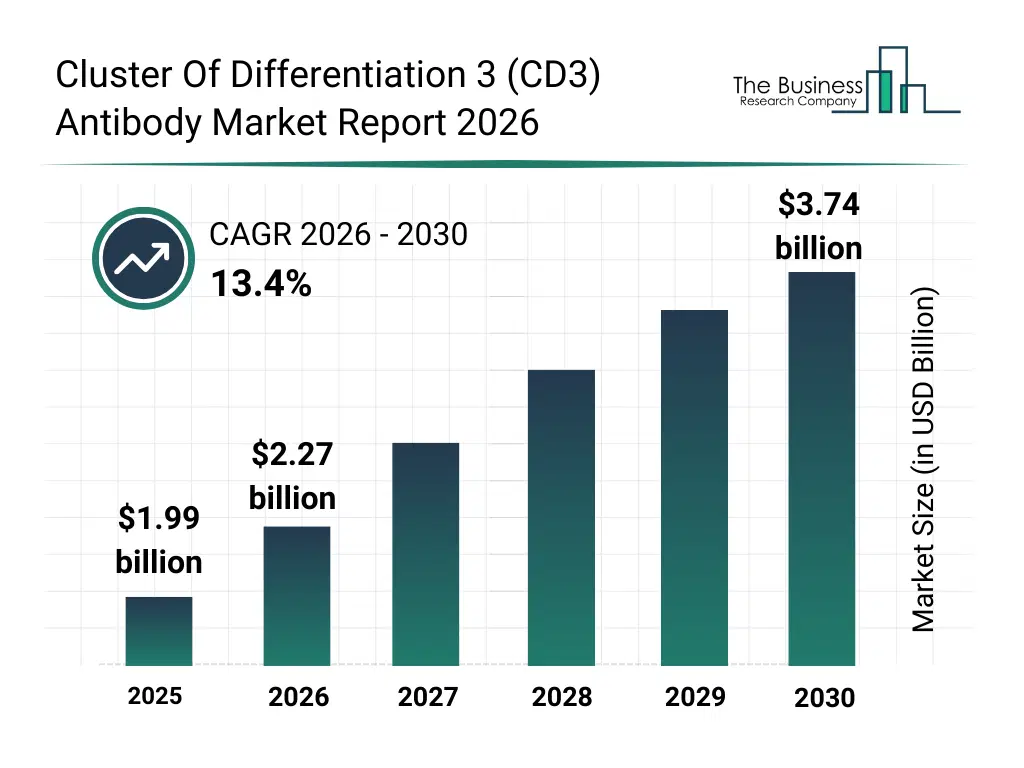
What Is The Cluster Of Differentiation 3 (CD3) Antibody Market Size and Share 2026?
The cluster of differentiation 3 (cd3) antibody market size has grown rapidly in recent years. It will grow from $1.99 billion in 2025 to $2.27 billion in 2026 at a compound annual growth rate (CAGR) of 13.7%. The growth in the historic period can be attributed to advancements in monoclonal antibody therapeutics, increasing clinical research on t-cell biology, rising prevalence of cancer indications, expansion of hospital-based immunotherapy programs, growing role of contract research organizations.What Is The Cluster Of Differentiation 3 (CD3) Antibody Market Growth Forecast?
The cluster of differentiation 3 (cd3) antibody market size is expected to see rapid growth in the next few years. It will grow to $3.74 billion in 2030 at a compound annual growth rate (CAGR) of 13.4%. The growth in the forecast period can be attributed to growing pipeline of t-cell engaging therapies, increasing approvals of antibody-based immunotherapies, rising investments in oncology research, expansion of personalized immune treatments, increasing focus on reducing immune-related adverse events. Major trends in the forecast period include increasing development of t-cell redirecting therapies, rising adoption of bispecific cd3 antibodies, growing use of cd3 in cancer immunotherapy, expansion of fc-engineered antibody platforms, enhanced focus on immune modulation precision.
Global Cluster Of Differentiation 3 (CD3) Antibody Market Segmentation
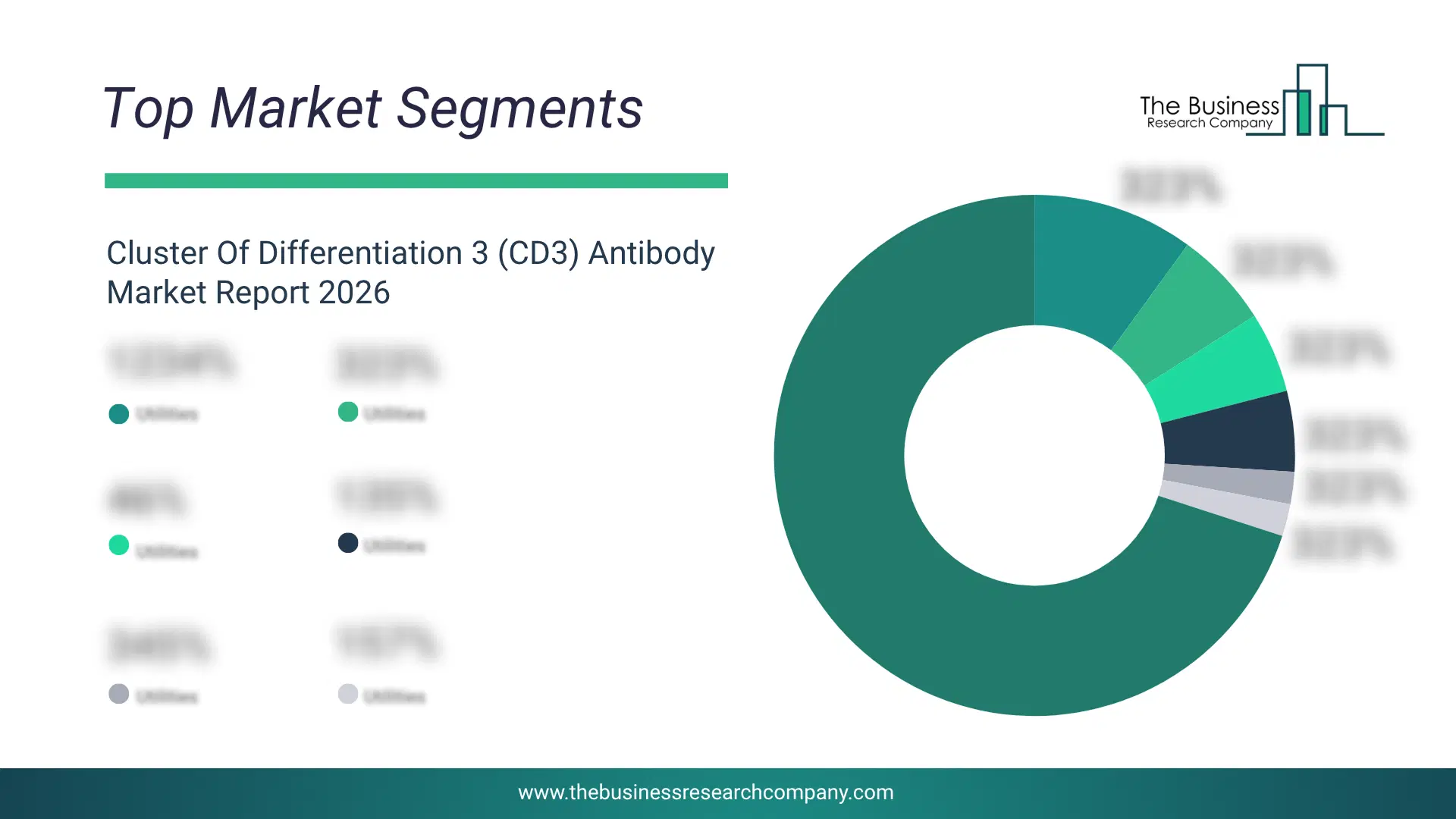
1) By Product Type: Monoclonal Antibodies, Bispecific Antibodies, Antibody-Drug Conjugates, Fragment Crystallizable (Fc) Engineering Products, Other Product Types 2) By Molecular Weight: Low Molecular Weight, Medium Molecular Weight, High Molecular Weight 3) By Formulation Type: Aqueous Formulations, Non-Aqueous Formulations 4) By Therapeutic Application: Cancer Immunotherapy, Autoimmune Diseases, Transplant Rejection, Infectious Diseases, Other Applications 5) By End-User: Hospitals, Research Institutes, Pharmaceutical Companies, Contract Research Organizations, Other End-Users Subsegments: 1) By Monoclonal Antibodies: Humanized Monoclonal Antibodies, Fully Human Monoclonal Antibodies, Chimeric Monoclonal Antibodies, Murine Monoclonal Antibodies, Recombinant Monoclonal Antibodies 2) By Bispecific Antibodies: T Cell Engager Bispecific Antibodies, Dual Immune Checkpoint Bispecific Antibodies, Cytokine Modulating Bispecific Antibodies, Tumor Associated Antigen Targeting Bispecific Antibodies 3) By Antibody-Drug Conjugates: Payload Enhanced Conjugates, Linker Optimized Conjugates, Tumor Targeted Conjugates, Immune Stimulating Conjugates 4) By Fragment Crystallizable (Fc) Engineering Products: Fragment Crystallizable (Fc) Glycoengineered Antibodies, Fragment Crystallizable (Fc) Mutant Antibodies, Fragment Crystallizable (Fc) Fused Therapeutic Proteins, Extended Half Life Fragment Crystallizable (Fc) Products 5) By Other Product Types: Single Domain Antibodies, Polyclonal Antibodies, Receptor Fusion Proteins, Engineered Immune ActivatorsWhat Is The Driver Of The Cluster Of Differentiation 3 (CD3) Antibody Market?
The rising prevalence of cancer is expected to propel the growth of the cluster of differentiation 3 (CD3) antibody market going forward. Prevalence of cancer refers to the total number of people, both newly diagnosed and previously diagnosed, who are alive with a history of cancer at a specific point in time. The prevalence of cancer is increasing due to lifestyle-related risks such as poor diet, smoking, alcohol consumption, and exposure to environmental pollutants, elevating the risk of developing various cancers. Cluster of Differentiation 3 (CD3) antibodies aid in cancer treatment by activating and redirecting T-cells to target malignant cells. They enhance immune response efficiency, making them effective in treating hematologic and solid tumors. This targeted approach improves therapeutic precision and patient outcomes. For instance, in February 2025, according to Cancer Australia, an Australia-based government agency, there were 4,641 new pancreatic cancer cases in 2024, with 2,414 in males and 2,227 in females. Therefore, the rising prevalence of cancer is driving the growth of the cluster of differentiation 3 (CD3) antibody industry.Key Players In The Global Cluster Of Differentiation 3 (CD3) Antibody Market
Major companies operating in the cluster of differentiation 3 (cd3) antibody market are Johnson and Johnson, Roche Holding AG, Pfizer Incorporated, AbbVie Inc., Novartis AG, Bristol-Myers Squibb Company, Thermo Fisher Scientific Incorporated, Eli Lilly and Company, Amgen Inc., Gilead Sciences Inc., Merck KGaA, Bio-Rad Laboratories Incorporated, Miltenyi Biotec B V and Co KG, Harbour BioMed Holding Limited, Zymeworks Inc., Adimab LLC, GeneTex Incorporated, Santa Cruz Biotechnology Incorporated, FabGennix Incorporated, EXBIO Praha spol s r o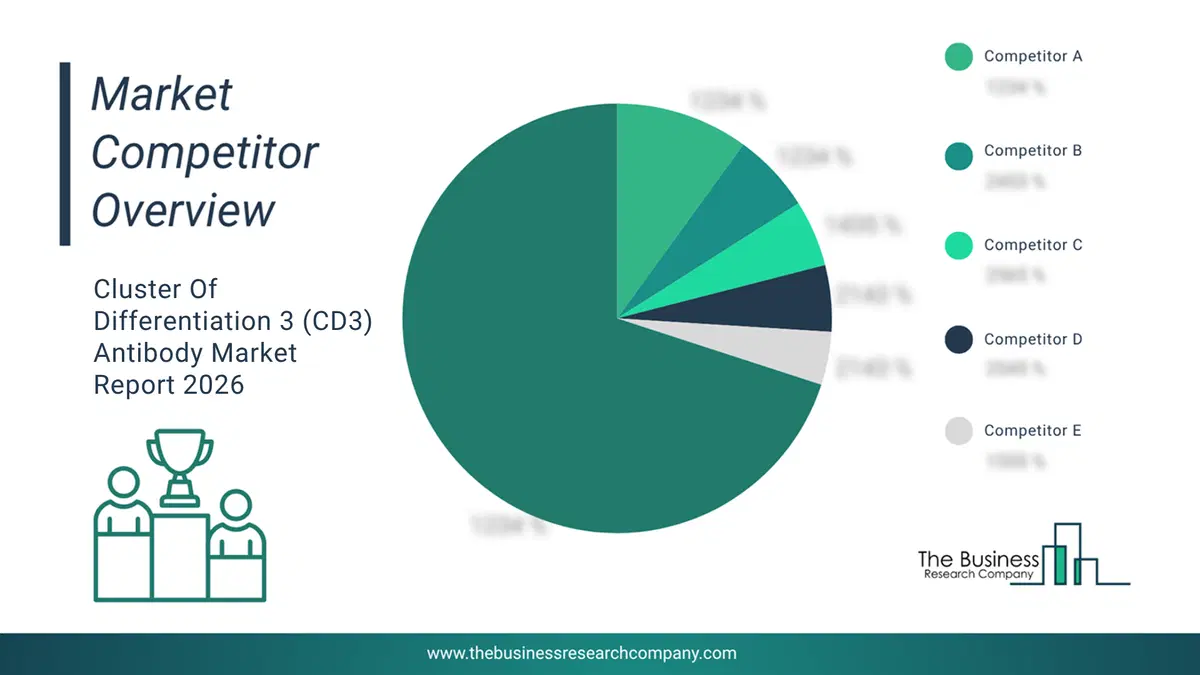
This chart is for illustrative purposes; the full report includes a detailed competitor analysis and comprehensive overview of the top 10 companies in the market.
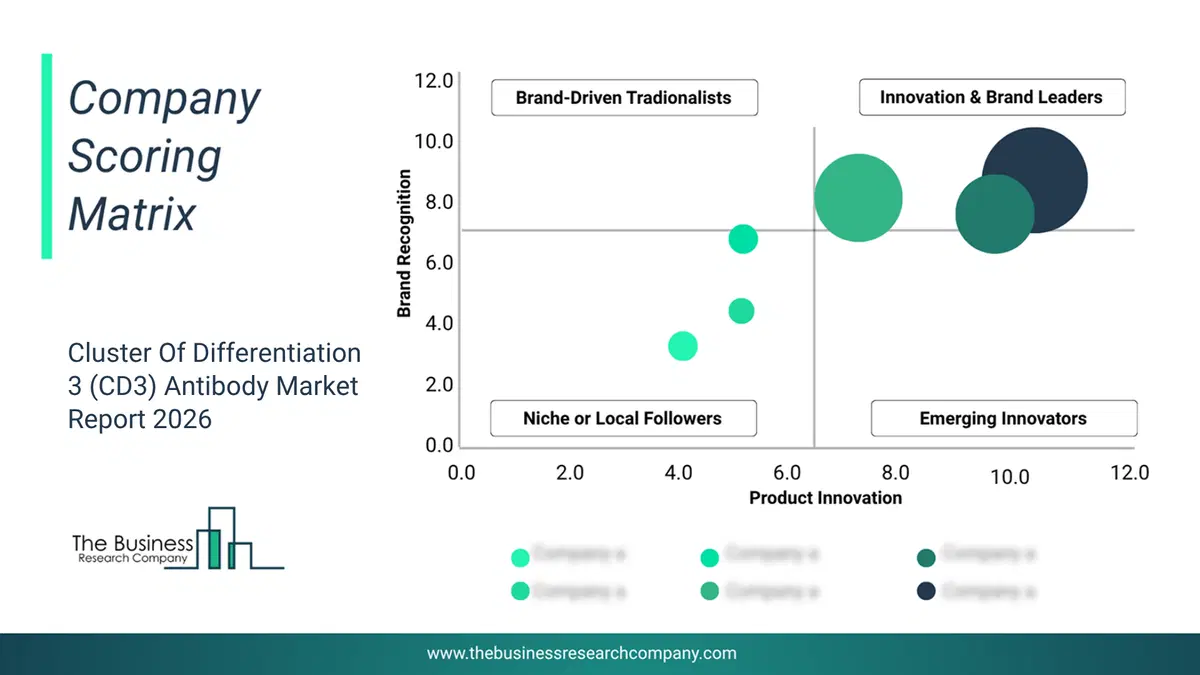
This chart maps companies by product innovation and brand strength, with bubble size indicating relative revenue, helping identify market leaders, challengers, and niche players. This is an illustrative chart; the full report provides a complete and accurate competitive analysis.
Global Cluster Of Differentiation 3 (CD3) Antibody Market Trends and Insights
Major companies operating in the cluster of differentiation 3 (CD3) antibody market are focusing on developing advanced treatments, such as bispecific antibodies, to boost treatment efficacy, enhance targeting of cancer cells, and reduce relapse in heavily pretreated patients. Bispecific antibodies refer to advanced biologic therapies engineered to bind simultaneously to two different antigens, redirecting the patient's own immune cells to attack and eliminate cancer cells. For instance, in August 2023, Johnson and Johnson, a US-based pharmaceutical company, received US Food and Drug Administration (FDA) approval for Talvey (talquetamab-tgvs), a bispecific T-cell engaging antibody therapy designed for patients with relapsed or refractory multiple myeloma. The therapy binds CD3 on T-cells and G protein-coupled receptor class C group 5 member D (GPRC5D) on myeloma cells, featuring capabilities such as precise T-cell redirection and off-the-shelf use without the need for individualized chimeric antigen receptor T-cell (CAR-T) cell manufacturing. It improves treatment accessibility, immune-mediated tumor killing, and therapeutic outcomes in heavily pretreated patients.What Are Latest Mergers And Acquisitions In The Cluster Of Differentiation 3 (CD3) Antibody Market?
In December 2023, Danaher Corporation, a US-based biotechnology company, acquired Abcam plc for $5.7 billion. With this acquisition, Danaher aims to strengthen its position in the life sciences and proteomics market, expanding its portfolio of research reagents, antibodies, and related solutions for drug discovery and diagnostics. Abcam plc is a UK-based life sciences company offering CD3 antibodies for immunology and cancer research.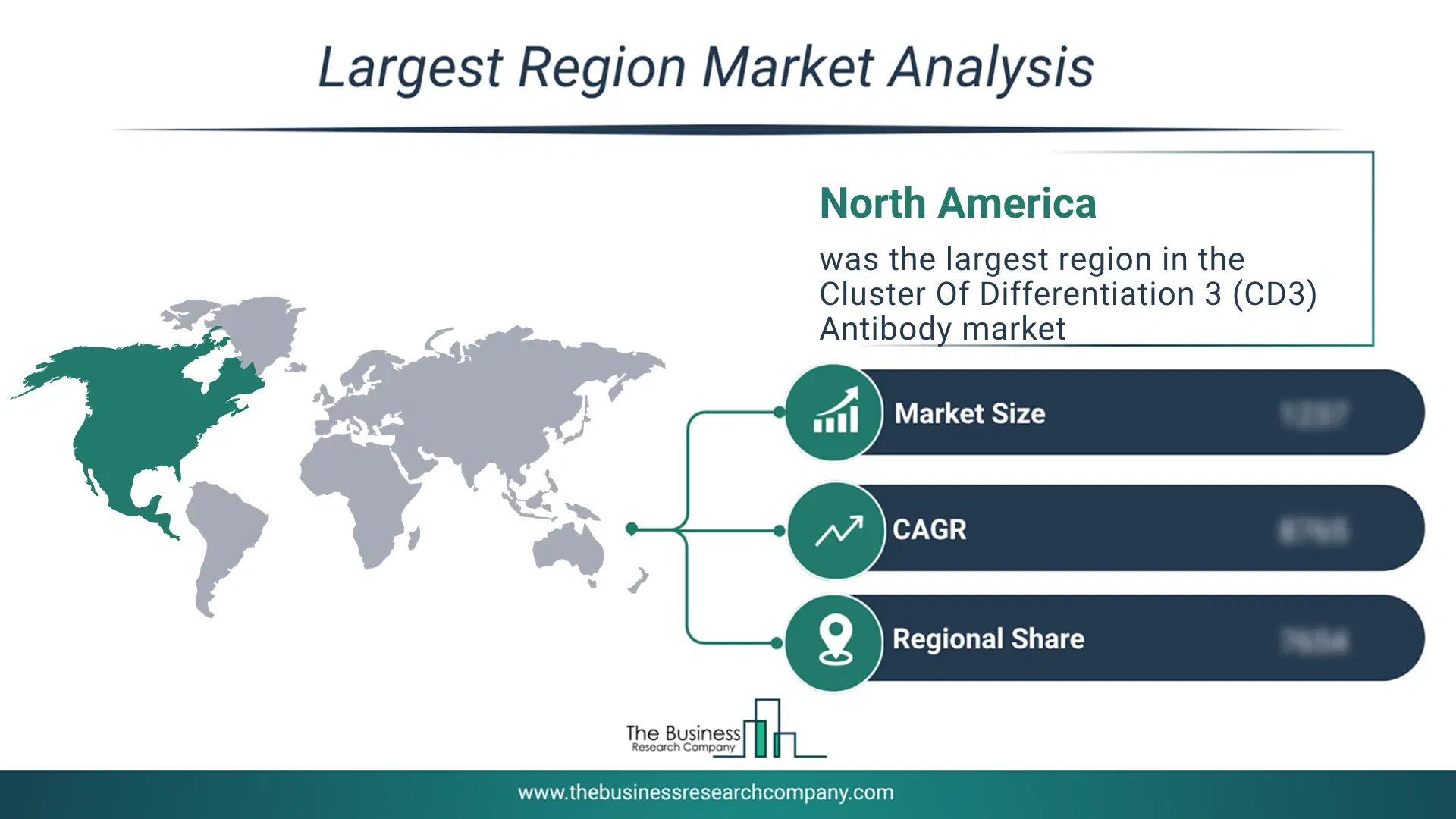
Regional Outlook
North America was the largest region in the cluster of differentiation 3 (CD3) antibody market in 2025. Asia-Pacific is expected to be the fastest-growing region in the forecast period. The regions covered in this market report are Asia-Pacific, South East Asia, Western Europe, Eastern Europe, North America, South America, Middle East, Africa. The countries covered in this market report are Australia, Brazil, China, France, Germany, India, Indonesia, Japan, Taiwan, Russia, South Korea, UK, USA, Canada, Italy, Spain.What Defines the Cluster Of Differentiation 3 (CD3) Antibody Market?
The cluster of differentiation 3 (CD3) antibody market consists of sales of CD3 detection kits, flow cytometry reagents, fluorescent-labeled CD3 antibodies, immunohistochemistry reagents, western blot reagents, and CD3 diagnostic test kits. Values in this market are ‘factory gate’ values, that is, the value of goods sold by the manufacturers or creators of the goods, whether to other entities (including downstream manufacturers, wholesalers, distributors, and retailers) or directly to end customers. The value of goods in this market includes related services sold by the creators of the goods.How is Market Value Defined and Measured?
The market value is defined as the revenues that enterprises gain from the sale of goods and/or services within the specified market and geography through sales, grants, or donations in terms of the currency (in USD unless otherwise specified). The revenues for a specified geography are consumption values that are revenues generated by organizations in the specified geography within the market, irrespective of where they are produced. It does not include revenues from resales along the supply chain, either further along the supply chain or as part of other products.
This chart presents market attractiveness based on a quantitative evaluation of growth, competition, strategic alignment, and risk, offering a clear view of opportunity areas for decision-making. This chart is for illustrative purposes; the full report contains the complete analysis.

This chart highlights the Total Addressable Market (TAM) by estimating the maximum revenue opportunity using an assumption-driven approach, supporting strategic planning and opportunity sizing across markets. The chart is illustrative; the full report provides a more comprehensive analysis.
What Key Data and Analysis Are Included in the Cluster Of Differentiation 3 (CD3) Antibody Market Report 2026?
The cluster of differentiation 3 (cd3) antibody market research report is one of a series of new reports from The Business Research Company that provides market statistics, including industry global market size, regional shares, competitors with the market share, detailed market segments, market trends and opportunities, and any further data you may need to thrive in the cluster of differentiation 3 (cd3) antibody industry. The market research report delivers a complete perspective of everything you need, with an in-depth analysis of the current and future state of the industry.Cluster Of Differentiation 3 (CD3) Antibody Market Report Forecast Analysis
| Report Attribute | Details |
|---|---|
| Market Size Value In 2026 | $2.27 billion |
| Revenue Forecast In 2030 | $3.74 billion |
| Growth Rate | CAGR of 13.4% from 2026 to 2030 |
| Base Year For Estimation | 2025 |
| Actual Estimates/Historical Data | 2020-2025 |
| Forecast Period | 2026 - 2030 |
| Market Representation | Revenue in USD Billion and CAGR from 2026 to 2030 |
| Segments Covered | Product Type, Molecular Weight, Formulation Type, Therapeutic Application, End-User |
| Regional Scope | Asia-Pacific, Western Europe, Eastern Europe, North America, South America, Middle East, Africa |
| Country Scope | The countries covered in the report are Australia, Brazil, China, France, Germany, India, Indonesia, Japan, Taiwan, Russia, South Korea, UK, USA, Canada, Italy, Spain |
| Key Companies Profiled | Johnson and Johnson, Roche Holding AG, Pfizer Incorporated, AbbVie Inc., Novartis AG, Bristol-Myers Squibb Company, Thermo Fisher Scientific Incorporated, Eli Lilly and Company, Amgen Inc., Gilead Sciences Inc., Merck KGaA, Bio-Rad Laboratories Incorporated, Miltenyi Biotec B V and Co KG, Harbour BioMed Holding Limited, Zymeworks Inc., Adimab LLC, GeneTex Incorporated, Santa Cruz Biotechnology Incorporated, FabGennix Incorporated, EXBIO Praha spol s r o |
| Customization Scope | Request for Customization |
| Pricing And Purchase Options | Explore Purchase Options |