
Plant-Based Biosurfactant Market Report 2026
Global Outlook – By Product Type (Sophorolipids, Methyl Ester Sulfonates, Alkyl Polyglucosides), By Formulation (Liquid, Powder), By Raw Material (Vegetable Oils, Sugars), By Function (Emulsifiers, Foaming Agents, Dispersants, Solubilizers), By Application (Personal Care And Cosmetics, Agriculture, Industrial Cleaning) – Market Size, Trends, Strategies, and Forecast to 2030
Plant-Based Biosurfactant Market Overview
• Plant-Based Biosurfactant market size has reached to $2.99 billion in 2025 • Expected to grow to $5.33 billion in 2030 at a compound annual growth rate (CAGR) of 12.2% • Growth Driver: Growing Demand For Natural And Organic Products Fueling The Growth Of The Market Due To Rising Consumer Preference For Clean And Sustainable Ingredients • Market Trend: Innovative Biodegradable Biosurfactants Driving Sustainable Solutions In Coatings And Inks • North America was the largest region in 2025 and Asia-Pacific is the fastest growing region.What Is Covered Under Plant-Based Biosurfactant Market?
Plant-based biosurfactants are eco-friendly, biodegradable compounds obtained from renewable plant sources. They serve as sustainable alternatives to synthetic surfactants by effectively lowering surface and interfacial tension between substances. Their non-toxic nature makes them suitable for a wide range of cleaning applications. The main product types of plant-based biosurfactants are sophorolipids, rhamnolipids, methyl ester sulfonates, alkyl polyglucosides, and others. Sophorolipids are mild, biodegradable surfactants produced by yeast fermentation, widely used in personal care, cleaning, and pharmaceutical products for their eco-friendly and antimicrobial properties. It is available in different formulations, such as liquid and powder, and made from various raw materials, including vegetable oils, sugars, yeast extract, and microalgae. It shows several functions, such as emulsifiers, foaming agents, dispersants, and solubilizers, and is used for various applications, including pharmaceuticals, personal care and cosmetics, food and beverages, agriculture, and industrial cleaning.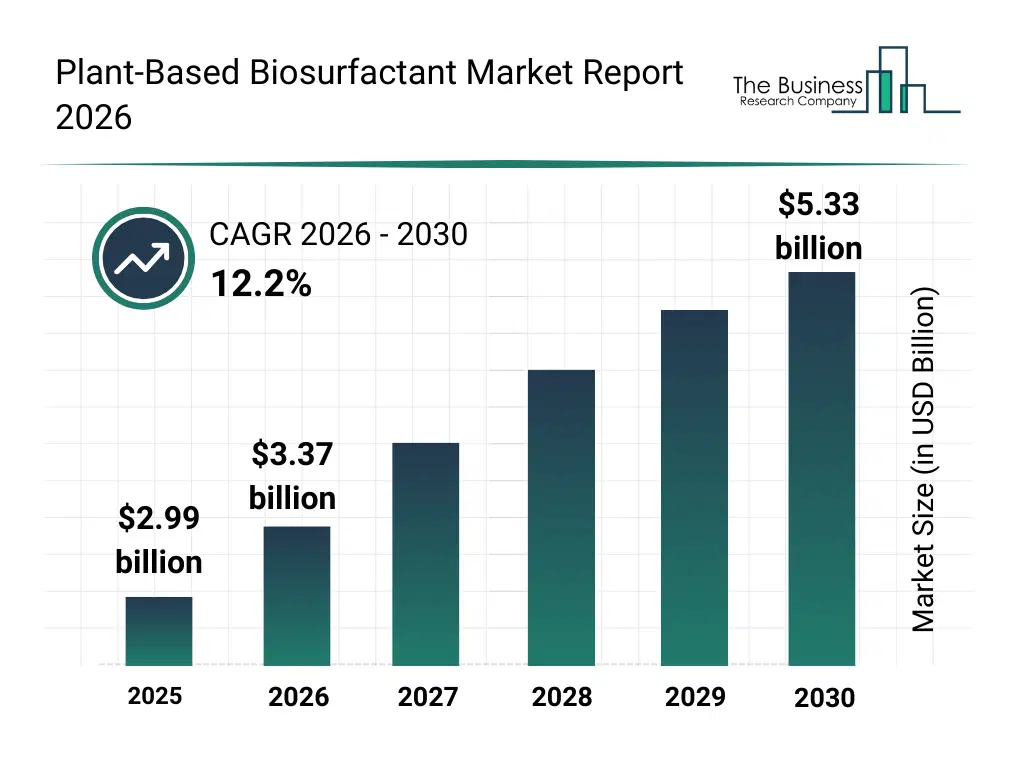
What Is The Plant-Based Biosurfactant Market Size and Share 2026?
The plant-based biosurfactant market size has grown rapidly in recent years. It will grow from $2.99 billion in 2025 to $3.37 billion in 2026 at a compound annual growth rate (CAGR) of 12.5%. The growth in the historic period can be attributed to environmental awareness growth, demand for non toxic cleaners, early adoption of bio surfactants, regulatory pressure on chemicals, renewable raw material availability.What Is The Plant-Based Biosurfactant Market Growth Forecast?
The plant-based biosurfactant market size is expected to see rapid growth in the next few years. It will grow to $5.33 billion in 2030 at a compound annual growth rate (CAGR) of 12.2%. The growth in the forecast period can be attributed to stringent environmental regulations, growth of sustainable packaging, expansion of bio based chemicals, innovation in fermentation processes, rising consumer preference for green products. Major trends in the forecast period include rising adoption of eco friendly surfactants, growing demand in green cleaning products, expansion of plant based formulations, increased use in personal care applications, focus on biodegradable cleaning solutions.
Global Plant-Based Biosurfactant Market Segmentation
1) By Product Type: Sophorolipids, Methyl Ester Sulfonates, Alkyl Polyglucosides 2) By Formulation: Liquid, Powder 3) By Raw Material: Vegetable Oils, Sugars 4) By Function: Emulsifiers, Foaming Agents, Dispersants, Solubilizers 5) By Application: Personal Care And Cosmetics, Agriculture, Industrial Cleaning Subsegments: 1) By Sophorolipids: Acidic Sophorolipids, Lactonic Sophorolipids, Pure Sophorolipids, Crude Sophorolipids 2) By Methyl Ester Sulfonates: C16-C18 Methyl Ester Sulfonates, C12-C14 Methyl Ester Sulfonates, Detergent Grade Methyl Ester Sulfonates, Industrial Grade Methyl Ester Sulfonates 3) By Alkyl Polyglucosides: Decyl Glucoside, Lauryl Glucoside, Caprylyl Or Capryl Glucoside, Coco GlucosideWhat Is The Driver Of The Plant-Based Biosurfactant Market?
The growing demand for natural and organic products is expected to propel the growth of plant-based biosurfactants going forward. Natural and organic products refer to goods made from minimally processed ingredients sourced from nature, produced without synthetic chemicals or additives. The demand for natural and organic products is rising due to increasing consumer awareness about health and wellness, as people are actively seeking cleaner, chemical-free alternatives to reduce health risks linked to synthetic ingredients. Plant-based surfactants enhance natural and organic products by providing eco-friendly, biodegradable cleansing power without harsh chemicals, seamlessly aligning with clean beauty and sustainable lifestyles. For instance, in February 2025, according to the report published by FiBL, a Switzerland-based research institute, in 2023 retail sales of organic products in Europe reached €54.7 billion ($59.1 billion), with €46.5 billion ($51.15 billion) of that within the European Union, marking a 3.0% increase over the previous year. Therefore, the growing demand for natural and organic products is driving the growth of the portable dishwasher market.Key Players In The Global Plant-Based Biosurfactant Market
Major companies operating in the plant-based biosurfactant market are Cargill Incorporated, BASF SE, Dow Chemical Company, Evonik Industries AG, Solvay S.A., Kao Corporation, Givaudan S.A., Clariant International Ltd., Stepan Company, Croda International plc, Saraya Co. Ltd., Jeneil Biotech Inc., Kalichem S.r.l., AGAE Technologies LLC, Puracy LLC, Shaanxi Deguan Biotechnology Co. Ltd., TensioGreen LLC, Biotensidon GmbH, Locus Performance Ingredients LLC, Ecover (UK) Limited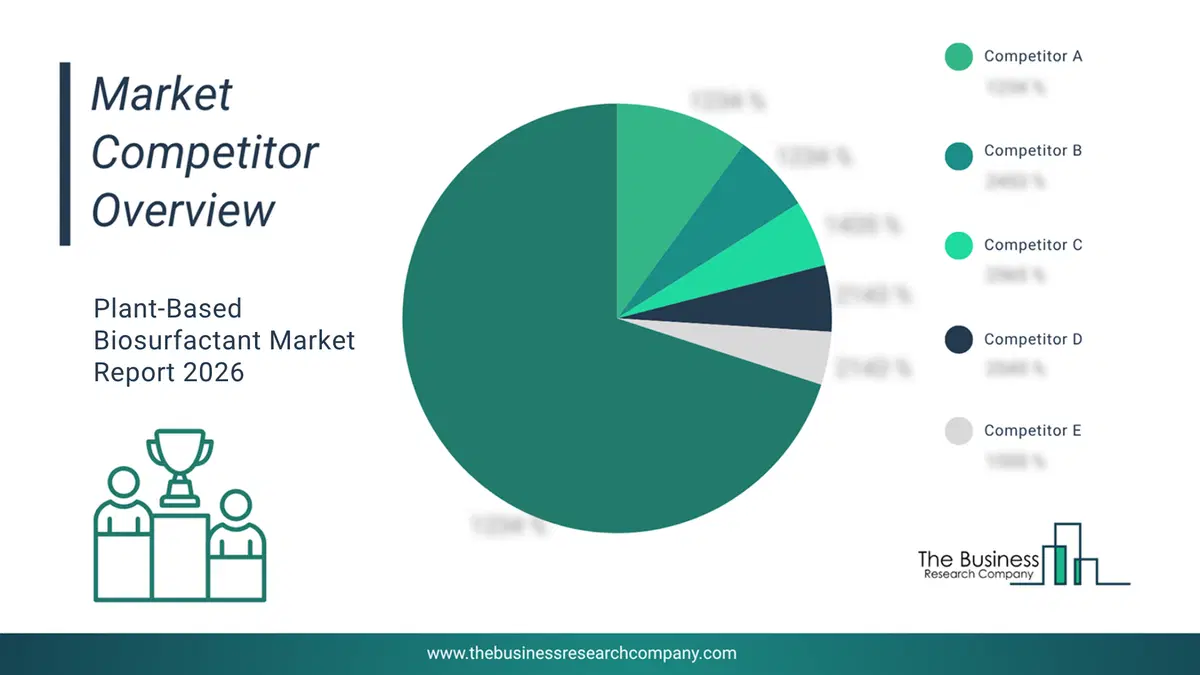
This chart is for illustrative purposes; the full report includes a detailed competitor analysis and comprehensive overview of the top 10 companies in the market.
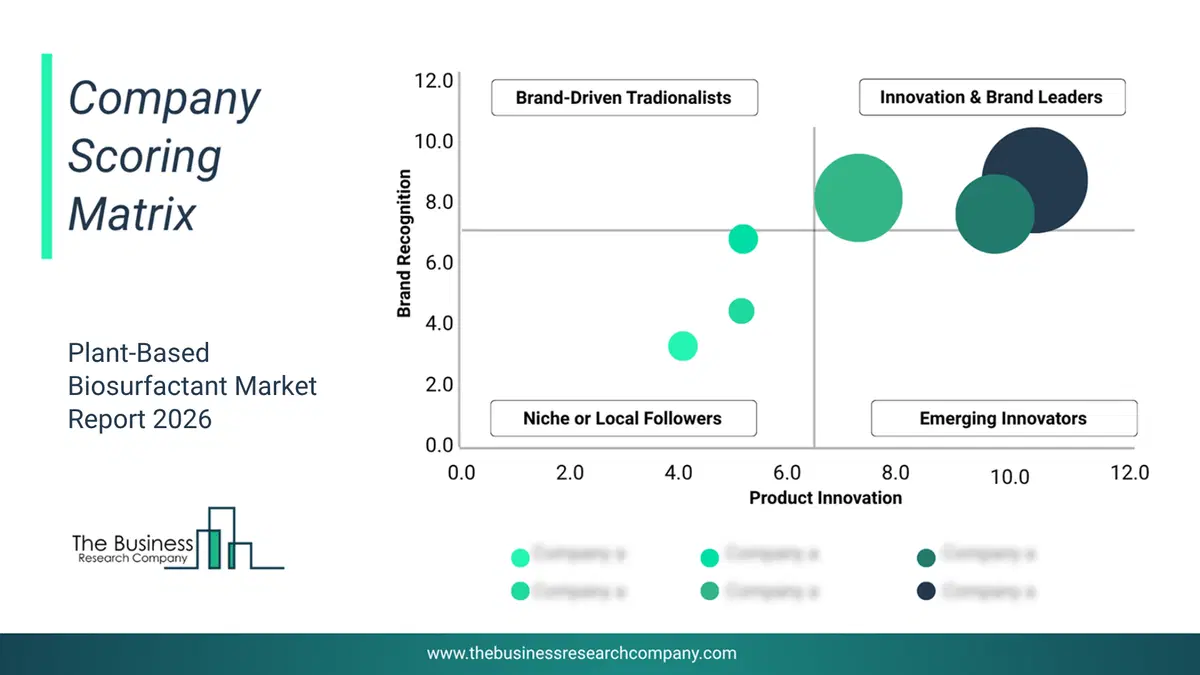
This chart maps companies by product innovation and brand strength, with bubble size indicating relative revenue, helping identify market leaders, challengers, and niche players. This is an illustrative chart; the full report provides a complete and accurate competitive analysis.
Global Plant-Based Biosurfactant Market Trends and Insights
Major companies operating in the plant-based biosurfactants market are focusing on developing advanced products, such as biodegradable biosurfactants, to comply with stringent regulatory standards across various industries. Biodegradable biosurfactants are eco-friendly agents that break down naturally into non-toxic byproducts. They offer a sustainable alternative to synthetic surfactants in environmentally sensitive applications. For instance, in September 2024, Evonik Industries AG, a Germany-based specialty chemicals company, launched TEGO Wet 570 Terra and TEGO Wet 580. These innovative products are designed for coatings and inks, offering 100% natural biosurfactants produced via a patented fermentation process from renewable plant-based raw materials such as corn. They provide excellent pigment and filler wetting, improved substrate wetting, and reduced grinding time, which enhances energy efficiency and production processes. Suitable for waterborne coatings and inks, they comply with the stringent EU Ecolabel standards, supporting sustainable and environmentally friendly formulations in decorative, industrial, and printing applications.What Are Latest Mergers And Acquisitions In The Plant-Based Biosurfactant Market?
In March 2023, L’Oréal S.A., a France-based personal care company, partnered with Unilever and Kao Corporation to advance sustainable beauty through biotechnology innovation. The partnership aims to develop and commercialize bio-based surfactants using plant-derived sugars, enabling eco-designed formulations and renewable ingredient sourcing. Unilever plc is a UK-based consumer goods company that manufactures personal care and home care products, and Kao Corporation is a Japan-based manufacturer of plant-based biosurfactants.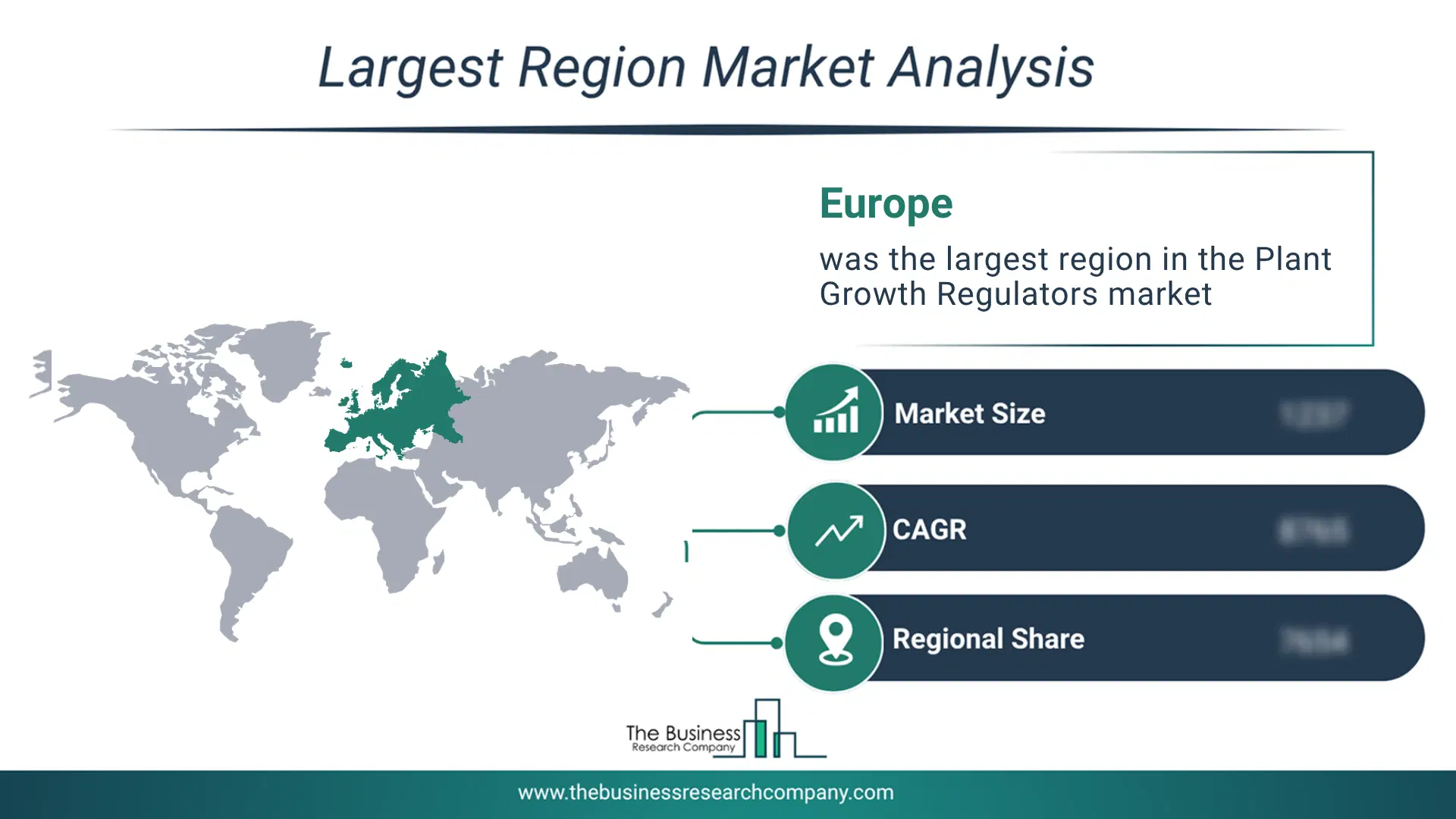
Regional Insights
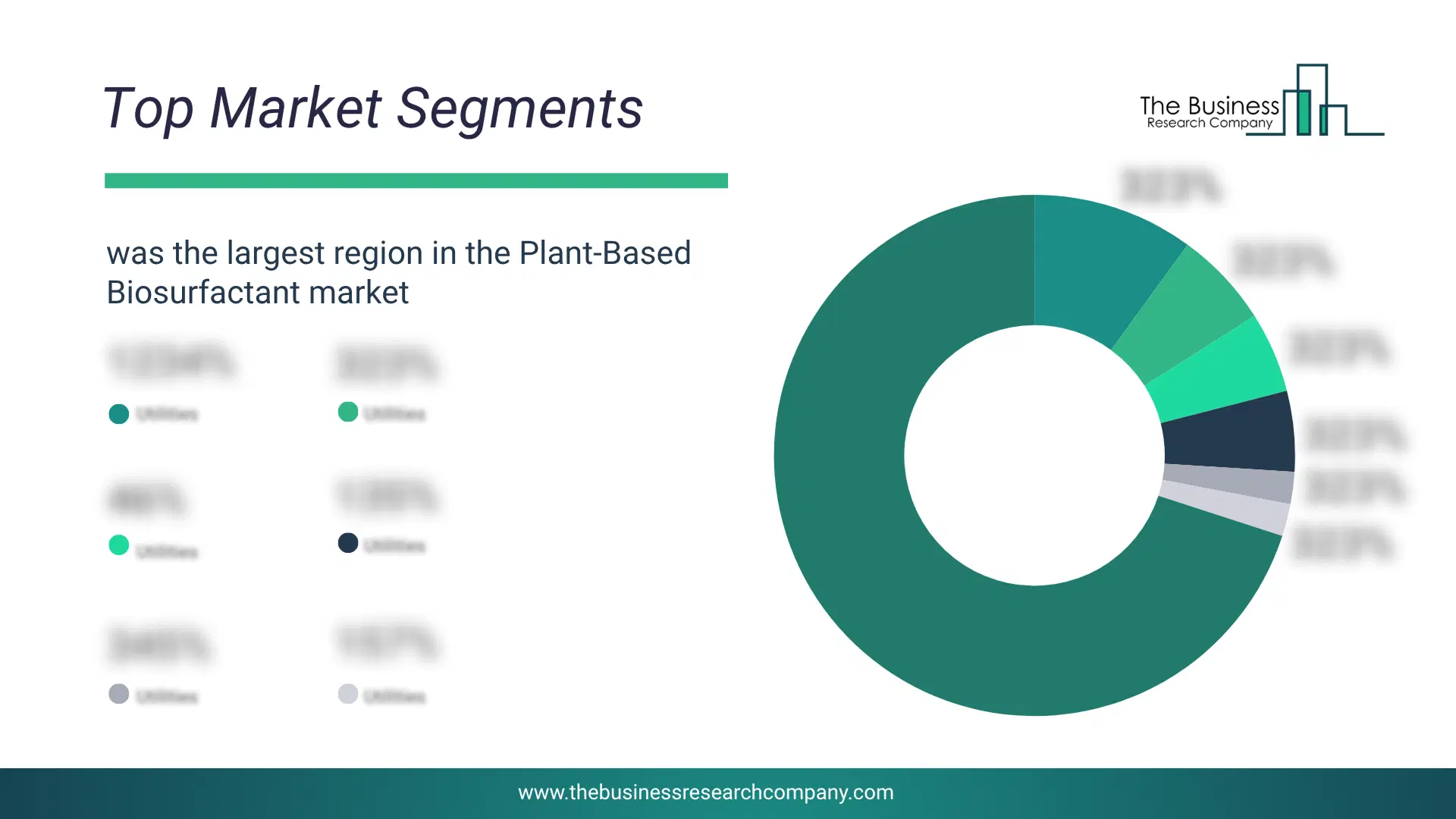
North America was the largest region in the plant-based biosurfactants market in 2025. Asia-Pacific is expected to be the fastest-growing region in the forecast period. The regions covered in this market report are Asia-Pacific, South East Asia, Western Europe, Eastern Europe, North America, South America, Middle East, Africa The countries covered in this market report are Australia, Brazil, China, France, Germany, India, Indonesia, Japan, Taiwan, Russia, South Korea, UK, USA, Canada, Italy, SpainWhat Defines the Plant-Based Biosurfactant Market?
The plant-based biosurfactants market consists of sales of saponins, lecithin-based surfactants, fatty acid glucamides, and sorbitan esters. Values in this market are ‘factory gate’ values, that is the value of goods sold by the manufacturers or creators of the goods, whether to other entities (including downstream manufacturers, wholesalers, distributors, and retailers) or directly to end customers. The value of goods in this market includes related services sold by the creators of the goods.How is Market Value Defined and Measured?
The market value is defined as the revenues that enterprises gain from the sale of goods and/or services within the specified market and geography through sales, grants, or donations in terms of the currency (in USD unless otherwise specified). The revenues for a specified geography are consumption values that are revenues generated by organizations in the specified geography within the market, irrespective of where they are produced. It does not include revenues from resales along the supply chain, either further along the supply chain or as part of other products.
This chart presents market attractiveness based on a quantitative evaluation of growth, competition, strategic alignment, and risk, offering a clear view of opportunity areas for decision-making. This chart is for illustrative purposes; the full report contains the complete analysis.

This chart highlights the Total Addressable Market (TAM) by estimating the maximum revenue opportunity using an assumption-driven approach, supporting strategic planning and opportunity sizing across markets. The chart is illustrative; the full report provides a more comprehensive analysis.
What Key Data and Analysis Are Included in the Plant-Based Biosurfactant Market Report 2026?
The plant-based biosurfactant market research report is one of a series of new reports from The Business Research Company that provides market statistics, including industry global market size, regional shares, competitors with the market share, detailed market segments, market trends and opportunities, and any further data you may need to thrive in the plant-based biosurfactant industry. The market research report delivers a complete perspective of everything you need, with an in-depth analysis of the current and future state of the industry.Plant Based Biosurfactant Market Report Forecast Analysis
| Report Attribute | Details |
|---|---|
| Market Size Value In 2026 | $3.37 billion |
| Revenue Forecast In 2030 | $5.33 billion |
| Growth Rate | CAGR of 12.5% from 2026 to 2030 |
| Base Year For Estimation | 2025 |
| Actual Estimates/Historical Data | 2020-2025 |
| Forecast Period | 2026 - 2030 |
| Market Representation | Revenue in USD Billion and CAGR from 2026 to 2030 |
| Segments Covered | Product Type, Formulation, Raw Material, Function, Application |
| Regional Scope | Asia-Pacific, Western Europe, Eastern Europe, North America, South America, Middle East, Africa |
| Country Scope | The countries covered in this market report are Australia, Brazil, China, France, Germany, India, Indonesia, Japan, Taiwan, Russia, South Korea, UK, USA, Canada, Italy, Spain |
| Key Companies Profiled | Cargill Incorporated, BASF SE, Dow Chemical Company, Evonik Industries AG, Solvay S.A., Kao Corporation, Givaudan S.A., Clariant International Ltd., Stepan Company, Croda International plc, Saraya Co. Ltd., Jeneil Biotech Inc., Kalichem S.r.l., AGAE Technologies LLC, Puracy LLC, Shaanxi Deguan Biotechnology Co. Ltd., TensioGreen LLC, Biotensidon GmbH, Locus Performance Ingredients LLC, Ecover (UK) Limited |
| Customization Scope | Request for Customization |
| Pricing And Purchase Options | Explore Purchase Options |