The Business Research Company’s 2026 market reports extend the role of market research from descriptive reference material to a more structured analytical resource. In addition to updated historical data and forward-looking forecasts, the reports now integrate standardized scoring frameworks, interactive data tools, and expanded contextual analysis across competition, technology, supply chains, products, startups, and geography.
These additions are designed to support how companies actually work with market intelligence. They enable structured comparison across markets, clearer assessment of long-term opportunity, testing of alternate growth assumptions, and deeper understanding of ecosystem dynamics. Rather than viewing markets in isolation, users can apply these tools to prioritize opportunities, pressure-test strategies, and align internal assumptions around scale, risk, and future direction.
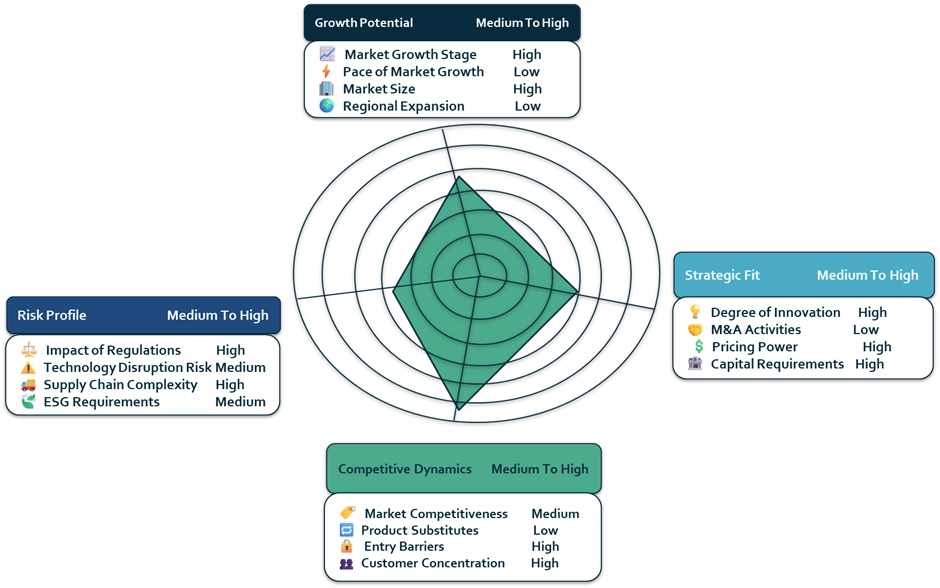
Companies often face difficulty when comparing markets that differ in size, maturity, competitive structure, or risk profile. This enhancement introduces a standardized framework that allows markets to be evaluated using a consistent set of criteria, helping decision-makers move beyond subjective judgment toward structured comparison.
By breaking market attractiveness into multiple dimensions and consolidating them into a single score, this analysis can be used to shortlist markets, sequence entry decisions, or compare investment focus areas across regions or industries. The factor-wise scoring also helps teams understand why a market scores well or poorly, rather than relying solely on a headline number.
Key aspects include:
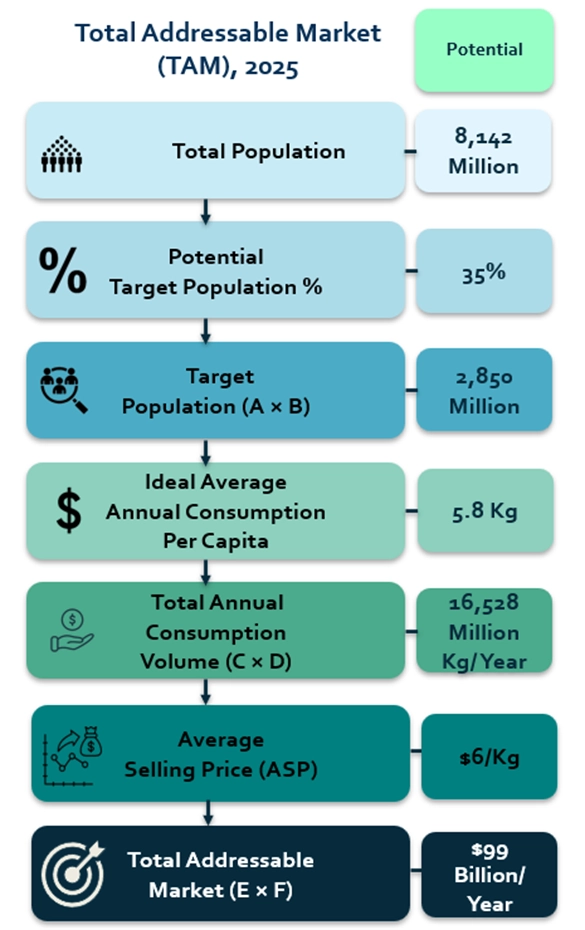
Forecasts describe how markets are expected to grow, but they do not always convey the full scale of opportunity. The TAM framework addresses this gap by defining and sizing the maximum revenue potential available under full market penetration, based on transparent assumptions.
This perspective is particularly useful for long-term planning, investment evaluation, and internal alignment around opportunity size. By explicitly outlining the assumptions behind market sizing, such as customer volumes and average selling prices, this section allows users to assess whether their internal expectations are realistic, aggressive, or conservative relative to the broader market context.
Key aspects include:
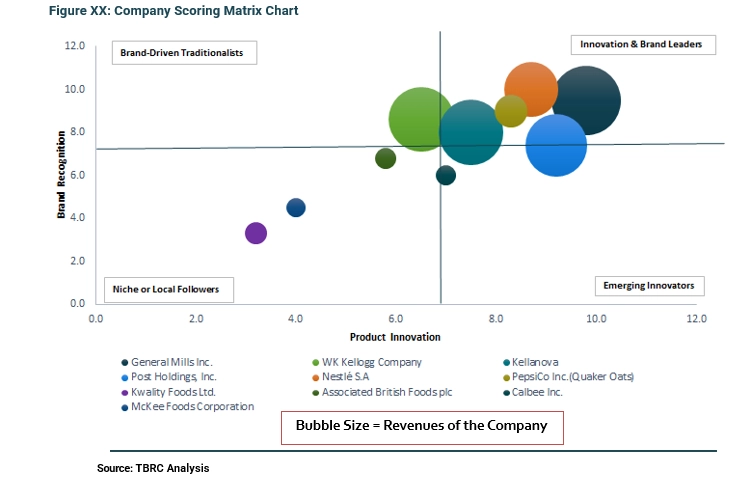
Understanding competition requires more than listing market players. This matrix introduces a structured way to assess how companies compare in terms of strategic capability and scale, providing a clearer picture of competitive dynamics within the market.
By visually positioning companies based on innovation and brand strength, while also reflecting revenue scale, this framework helps users identify dominant incumbents, emerging challengers, and niche specialists. It can be used to understand competitive pressure, benchmark positioning, or assess where white spaces may exist within the market.
Key aspects include:
Market data is most valuable when it can be explored dynamically rather than consumed statically. The Excel Data Dashboard brings together raw data, structured views, and forecasting tools in a single integrated workbook, allowing users to engage directly with the underlying numbers.
Beyond standard data access, the interactive forecast model allows users to test how changes in assumptions, such as stronger demand drivers or heightened restraints could affect market outcomes. This capability supports internal scenario planning, sensitivity analysis, and discussion around upside and downside cases using a consistent baseline.
Key aspects include:
Interactive forecast functionality includes:
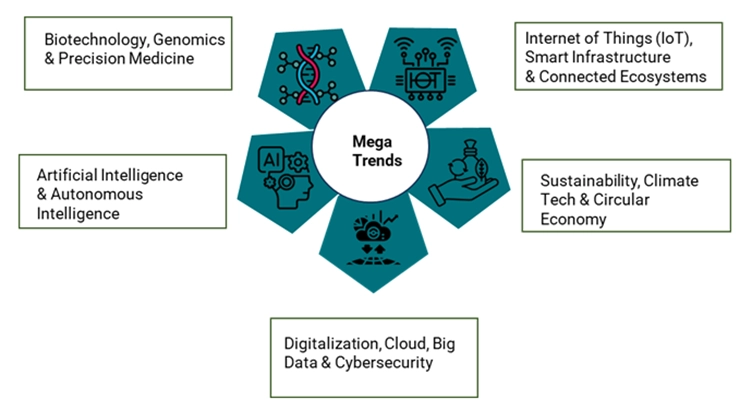
Markets do not evolve in isolation; they are shaped by broader technological and structural forces. This section provides a structured way to examine how major technologies and mega-trends are influencing market development across regions and segments.
Rather than treating trends as abstract concepts, the analysis evaluates their relevance and impact using a consistent framework, supported by industry examples. This helps companies assess which trends are likely to affect demand patterns, competitive behavior, or cost structures within specific markets.
Key aspects include:
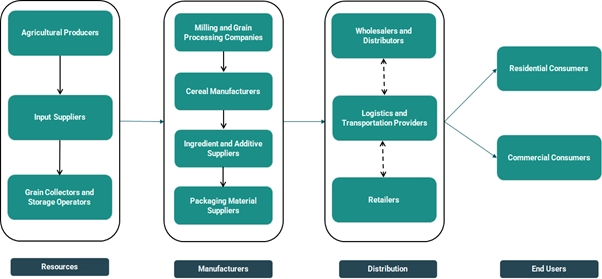
Supply chain structure plays a significant role in shaping margins, resilience, and competitive advantage. This enhanced analysis maps the full value chain to show how materials, information, and value flow through the market.
By identifying key stakeholders and interdependencies at each stage, this section helps users understand where bottlenecks, vulnerabilities, or concentration risks may exist. It also provides visibility into where value is created, which can inform sourcing strategies, partnership decisions, or operational planning.
Key aspects include:
Book your 30 minutes free consultation with our research experts
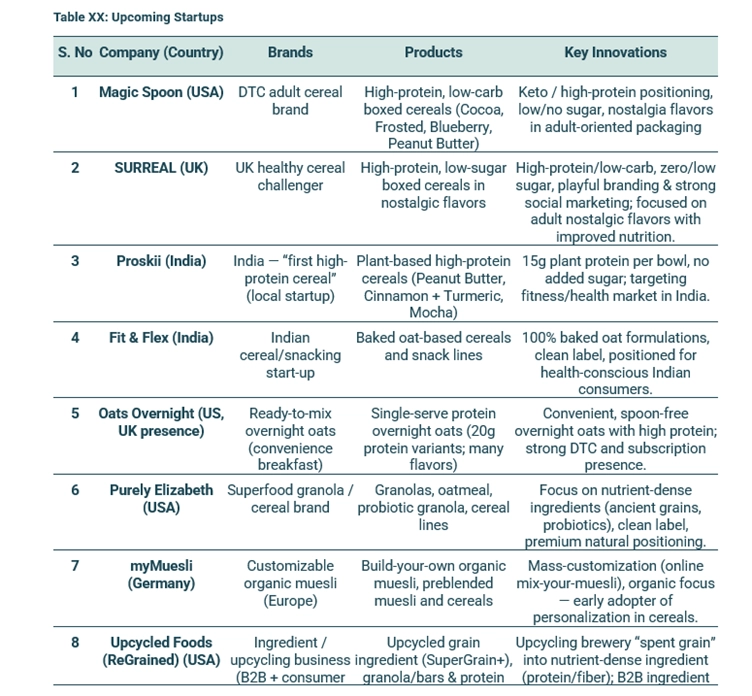
Emerging companies often signal shifts in technology adoption, customer needs, or business models before these changes are fully reflected in market data. This section highlights startups that are shaping the future competitive landscape through innovation.
By examining new entrants, users can gain insight into how markets may evolve, where disruption could occur, and which innovation themes are gaining traction. This perspective is useful for competitive monitoring, partnership exploration, and understanding longer-term market direction.
Key aspects include:
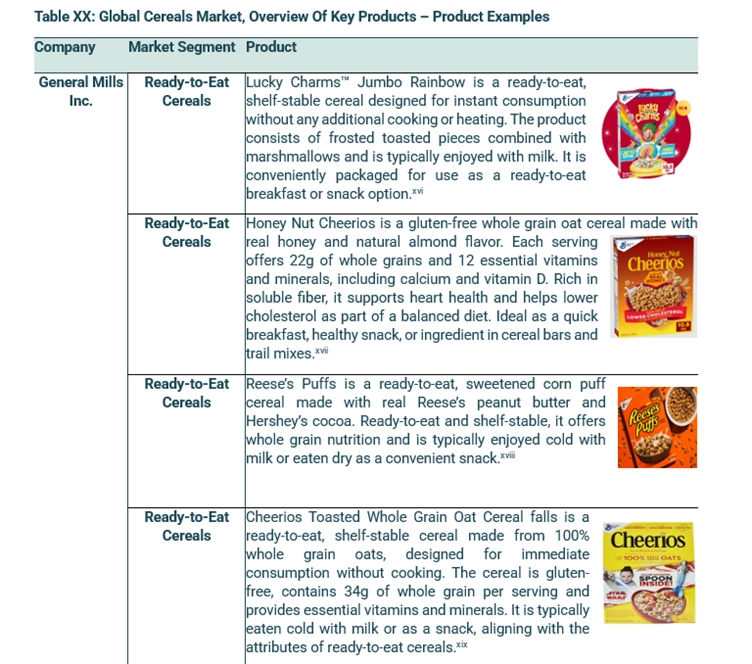
Product offerings provide tangible evidence of how companies compete and differentiate. This overview brings together representative products from leading players to illustrate common features, variations, and positioning across market segments.
By examining product structure at a consolidated level, users can better understand competitive norms, feature expectations, and areas where differentiation is occurring. This context supports product strategy discussions and competitive benchmarking.
Key aspects include:
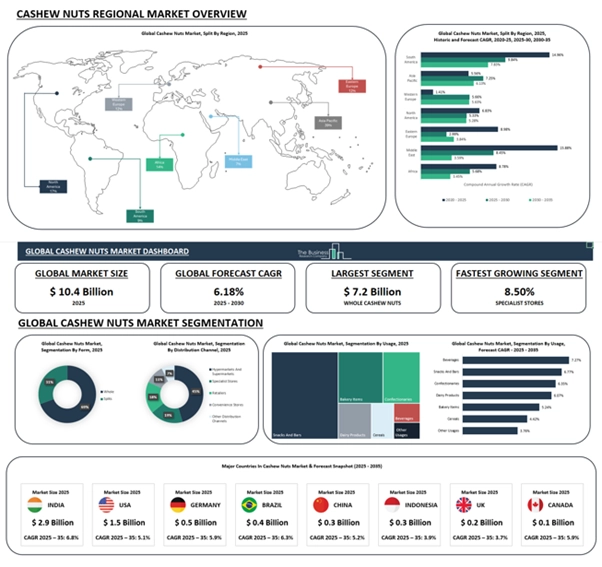
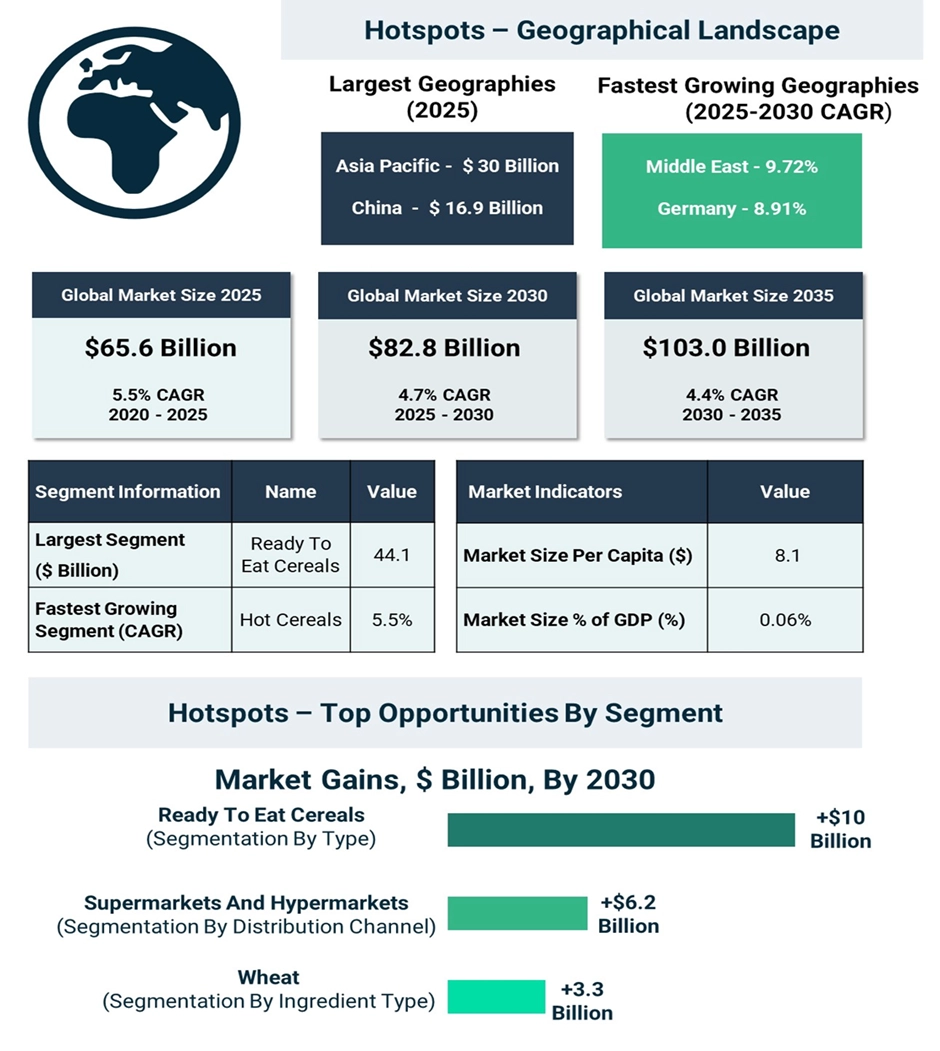
Market growth and opportunity are rarely evenly distributed. This visual analysis highlights where market activity is most concentrated, helping users quickly identify priority regions, countries, and segments.
By combining scale, growth, and incremental opportunity into a single visual view, this section supports geographic prioritization and resource allocation discussions. It also helps users understand how market momentum is shifting over time.
Key aspects include:
As reports grow in analytical depth, clarity of presentation becomes increasingly important. The 2026 reports introduce standardized and refined graphics to ensure complex data can be interpreted consistently and efficiently.
Improved visuals support clearer internal communication, faster insight extraction, and easier comparison across reports and markets.
Key aspects include:
Taken together, the 2026 enhancements strengthen how companies can work with market intelligence. Standardized scoring frameworks enable consistent comparison across markets, interactive data tools support scenario testing and assumption alignment, and expanded qualitative sections add necessary context around technology, competition, and ecosystem structure. Improved visualization further enhances clarity and usability, helping teams develop more informed, evidence-based perspectives on market scale, structure, and future direction.
Explore our comprehensive market reports