

Family Medicine Services Market Report 2026
Global Outlook – By Service Type (Preventive Care, Chronic Disease Management, Acute Care Services, Wellness Programs, Telemedicine Services), By Patient Demographics (Pediatric Patients, Adult Patients, Geriatric Patients, Pregnant Women, Special Needs Patients), By Care Delivery Model (Traditional Office Visits, Urgent Care Centers, Community Health Clinics, Mobile Health Units, Home Health Care), By Technology Integration (Electronic Health Record Systems, Remote Patient Monitoring, Mobile Health Applications, Artificial Intelligence (AI) In Diagnoses, Data Analytics For Patient Management), By End-User (Hospitals, Clinics, Home Care, Other End-Users) - Market Size, Trends, And Global Forecast 2026-2030
Family Medicine Services Market Overview
• Family Medicine Services market size has reached to $334.12 billion in 2025 • Expected to grow to $450.46 billion in 2030 at a compound annual growth rate (CAGR) of 6.1% • Growth Driver: Rising Prevalence Of Diabetes Fueling The Growth Of The Market Due To Increasing Demand For Continuous And Preventive Care • Market Trend: Expansion Of Virtual Family Medicine Services To Enhance Accessible And Continuous Primary Care • North America was the largest region in 2025.Market Gains By 2030 – Top Opportunities By Segment
Market Gain identifies the most promising market opportunities by highlighting the segments or products expected to generate the highest incremental revenue growth over the next five years.
What Is Covered Under Family Medicine Services Market?
Family medicine services refer to healthcare provided by physicians who offer continuous and comprehensive medical care, addressing the overall health needs of individuals and families throughout their lives. These services encompass the prevention, diagnosis, and management of a wide spectrum of medical conditions, ensuring holistic well-being across all age groups. The main types of services in family medicine services are preventive care, chronic disease management, acute care services, wellness programs, and telemedicine services. Preventive care refers to routine medical practices aimed at protecting individuals from illnesses and promoting long-term wellness. It is used for various patient demographics, including pediatric patients, adult patients, geriatric patients, pregnant women, and special needs patients, and includes various delivery models, such as traditional office visits, urgent care centers, community health clinics, mobile health units, and home health care. It includes various technology integrations, such as electronic health record systems, remote patient monitoring, mobile health applications, artificial intelligence (AI) in diagnoses, and data analytics for patient management, and serves a range of end users, including hospitals, clinics, home care, and others.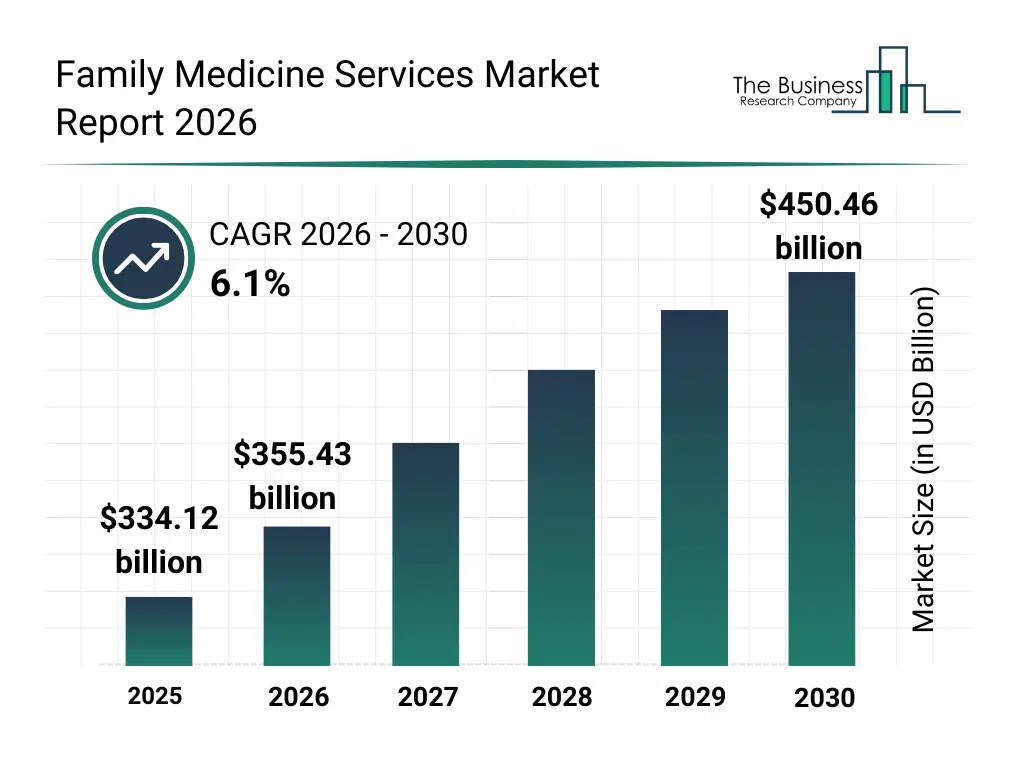
What Is The Family Medicine Services Market Size and Share 2026?
The family medicine services market size has grown strongly in recent years. It will grow from $334.12 billion in 2025 to $355.43 billion in 2026 at a compound annual growth rate (CAGR) of 6.4%. The growth in the historic period can be attributed to increasing demand for primary healthcare services, expansion of outpatient clinic networks, rising prevalence of chronic diseases, growth in insured patient populations, improvements in electronic health record adoption.What Is The Family Medicine Services Market Growth Forecast?
The family medicine services market size is expected to see strong growth in the next few years. It will grow to $450.46 billion in 2030 at a compound annual growth rate (CAGR) of 6.1%. The growth in the forecast period can be attributed to increasing focus on value-based care models, rising investments in remote patient monitoring, expansion of home-based healthcare services, growing emphasis on integrated care delivery, increased use of ai-supported diagnostics in primary care. Major trends in the forecast period include increasing adoption of telemedicine-based primary care, rising integration of digital patient management systems, growing focus on preventive and wellness-oriented care, expansion of community-based healthcare delivery, enhanced use of data-driven care coordination.
Global Family Medicine Services Market Segmentation
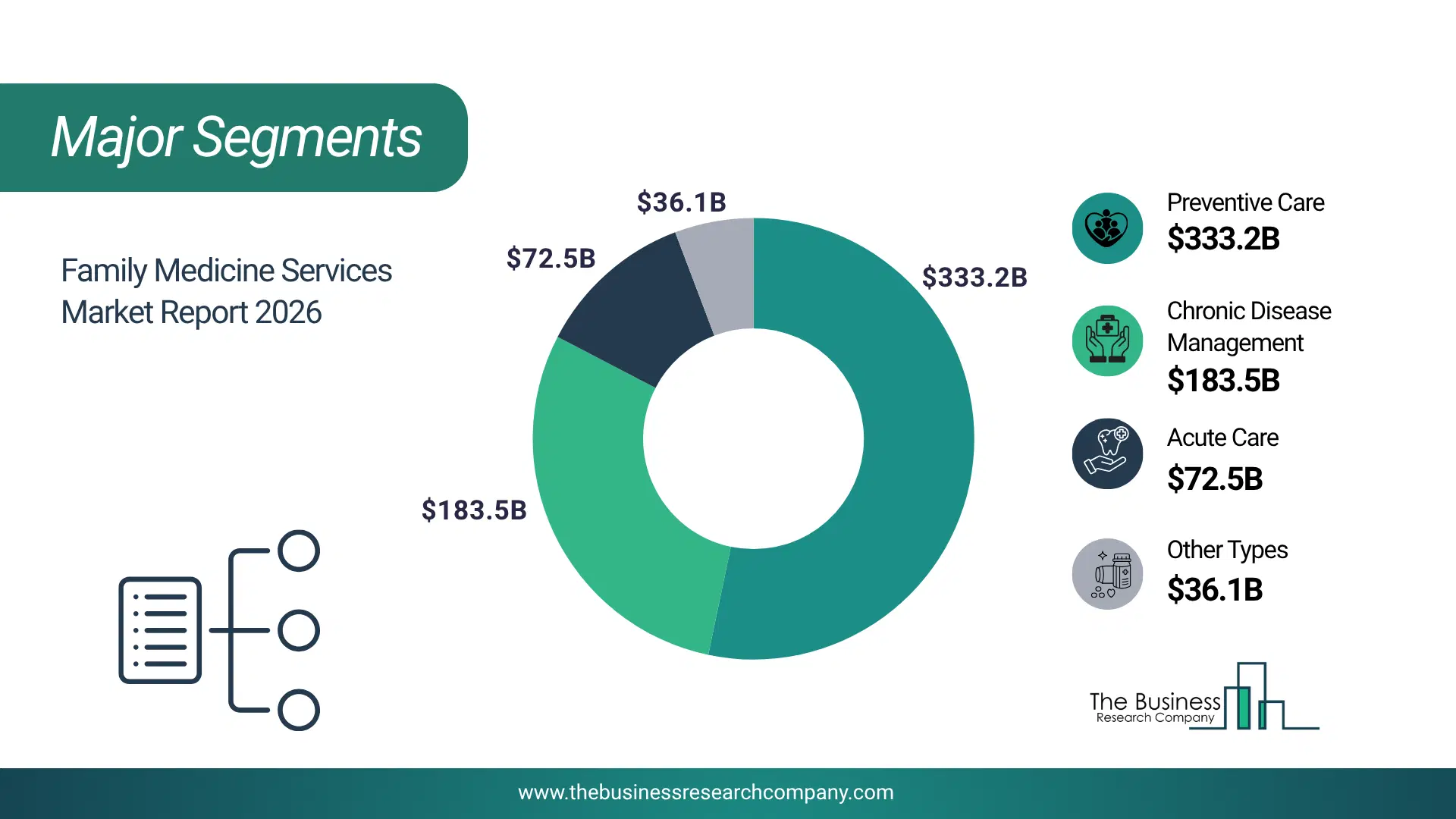
1) By Service Type: Preventive Care, Chronic Disease Management, Acute Care Services, Wellness Programs, Telemedicine Services 2) By Patient Demographics: Pediatric Patients, Adult Patients, Geriatric Patients, Pregnant Women, Special Needs Patients 3) By Care Delivery Model: Traditional Office Visits, Urgent Care Centers, Community Health Clinics, Mobile Health Units, Home Health Care 4) By Technology Integration: Electronic Health Record Systems, Remote Patient Monitoring, Mobile Health Applications, Artificial Intelligence (AI) In Diagnoses, Data Analytics For Patient Management 5) By End-User: Hospitals, Clinics, Home Care, Other End-Users Subsegments: 1) By Preventive Care: Health Screenings, Vaccination Services, Routine Physical Examinations, Lifestyle Counseling 2) By Chronic Disease Management: Diabetes Management, Hypertension Management, Cardiovascular Disease Management, Asthma And Respiratory Care 3) By Acute Care Services: Emergency Treatment, Infectious Disease Treatment, Injury And Trauma Care, Surgical Consultations 4) By Wellness Programs: Nutrition Counseling, Fitness And Exercise Programs, Stress Management Programs, Mental Health Support 5) By Telemedicine Services: Virtual Consultations, Remote Patient Monitoring, Online Prescription Services, Telehealth Follow-Ups The top segments in the family medicine services market will be: • Preventive Care will reach $333.2 billion by 2030. • Chronic Disease Management will reach $183.43 billion by 2030. • Acute Care will reach $72.48 billion by 2030. • Other Types will reach $36.02 billion by 2030.What Is The Driver Of The Family Medicine Services Market?
The increasing prevalence of diabetes is expected to propel the growth of the family medicine services market going forward. Diabetes refers to a long-term condition in which the body has difficulty regulating blood sugar levels due to problems with insulin production or use. The prevalence of diabetes is rising as modern sedentary lifestyles, characterized by reduced physical activity and prolonged sitting, contribute significantly to increasing obesity rates, which in turn serve as a major risk factor for the development of the disease. Family medicine services support diabetes management by delivering continuous, tailored care that assists patients in controlling blood sugar, promoting healthy lifestyle changes, and reducing the risk of complications through consistent monitoring and advice. For instance, in April 2025, according to the International Diabetes Federation, a Belgium-based umbrella organization, in 2024, around 589 million adults aged 20–79 are living with diabetes, and this number is expected to increase to 853 million by 2050. Therefore, the increasing prevalence of diabetes is driving the growth of the family medicine services industry.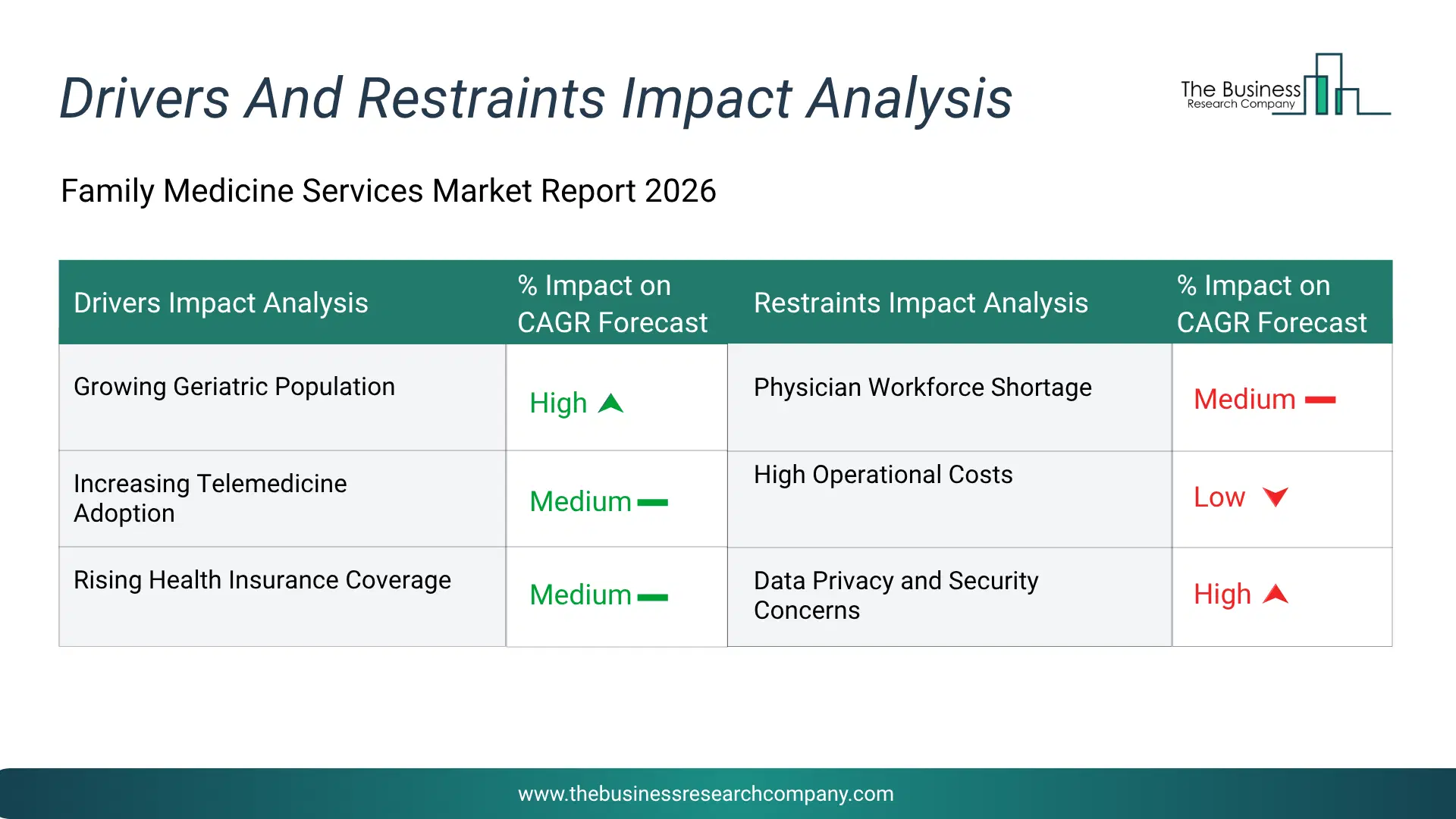
Infographic Chart Showing Key Market Drivers Analysis And Restraints For Family Medicine Services Market
The chart presents an impact analysis of key drivers and restraints, quantifying their relative influence on the market's growth rate and helping assess the balance between growth enablers and limiting factors. This chart offers a high-level perspective; the full report contains more detailed insights.
How Will The Drivers Impact Growth In The Global Family Medicine Services Market?
• Growing Geriatric Population (High) – During the forecast period, the growing geriatric population is expected to become a key growth driver for the family medicine services market by 2030. The expanding geriatric population is a key growth driver for family medicine services, as older adults require ongoing and comprehensive medical attention. Aging individuals are more susceptible to chronic conditions such as diabetes, hypertension, and arthritis, necessitating consistent monitoring and long-term treatment. Family medicine ensures coordinated and holistic care by managing multiple health concerns within an integrated framework, thereby enhancing overall patient outcomes. In addition, elderly patients benefit from tailored preventive, supportive, and palliative care services delivered by family physicians. • Increasing Telemedicine Adoption (Medium) – During the forecast period, the increasing telemedicine adoption is expected to emerge as a major factor driving the expansion of the family medicine services market by 2030. The rising adoption of telemedicine is a significant driver for family medicine services, as it broadens access to care, particularly for patients in remote and underserved regions. It enables family physicians to deliver timely virtual consultations, minimizing travel requirements and reducing waiting times. Telemedicine also strengthens continuity of care through consistent remote follow-ups and effective chronic disease management. Furthermore, it facilitates improved patient monitoring and seamless data sharing, leading to enhanced clinical outcomes and overall care efficiency. • Rising Health Insurance Coverage (Medium) – During the forecast period, the rising health insurance coverage is expected to act as a key growth catalyst for the family medicine services market by 2030. The the expansion of health insurance coverage serves as a significant driver for family medicine services by improving affordability and access to healthcare for a broader population. As more individuals obtain insurance, they are more inclined to pursue routine check-ups and preventive services. This, in turn, elevates the demand for primary care providers delivering comprehensive family health management. Additionally, broader insurance coverage promotes continuity of care, fostering sustained and long-term relationships between patients and family physicians.How Will The Restraints Impact Growth In The Global Family Medicine Services Market?
• Physician Workforce Shortage (Medium) – During the forecast period, the physician workforce shortage acts as a driver for family medicine services by increasing the demand for primary care providers who can deliver comprehensive healthcare across all age groups. As the number of specialists and general practitioners declines, patients rely more on family physicians for preventive care, diagnosis, and management of chronic diseases. This growing dependency enhances the need for accessible and versatile family medicine practitioners. Healthcare systems are expanding family medicine programs to bridge service gaps and maintain continuity of care. Consequently, the shortage of physicians stimulates growth and investment in family medicine services worldwide. • High Operational Costs (Low) – During the forecast period, the high operational costs act as a driver for family medicine services as healthcare providers increasingly seek cost-efficient care models that emphasize prevention and primary care. Family medicine reduces the need for expensive hospital visits and specialist treatments by managing chronic conditions early. This cost-effective approach encourages healthcare systems and insurers to invest more in family medicine. As operational expenses in hospitals and specialized clinics rise, demand shifts toward affordable, continuous primary care. Consequently, family medicine services gain greater importance as a sustainable and economical healthcare solution. • Data Privacy and Security Concerns (High) – During the forecast period, the data privacy and security concerns act as a driver for family medicine services by encouraging healthcare providers to adopt advanced digital solutions with strong data protection measures. As patients become more aware of how their personal health information is handled, they increasingly prefer providers who ensure confidentiality and secure record management. This emphasis on trust and transparency enhances patient engagement and loyalty. Additionally, compliance with data protection regulations drives clinics to modernize their it infrastructure and electronic health record systems. Overall, robust data privacy practices strengthen credibility and boost demand for family medicine services.Key Players In The Global Family Medicine Services Market
Major companies operating in the family medicine services market are Kaiser Permanente, Trinity Health, Banner Health, Tenet Healthcare Corporation, NYU Langone Hospitals, Intermountain Health Care Inc., Baylor Scott & White Health LLC, Geisinger Clinic, Ascension Health, Michigan Health Corp., UW Health, Stanford Health Care, Evergreen Health, Providence, Sutter Health, UCI Health, Altru Health System, Blessing Health System, Samaritan Health Services, Allcare Health, Skagit Regional Health, Olathe Health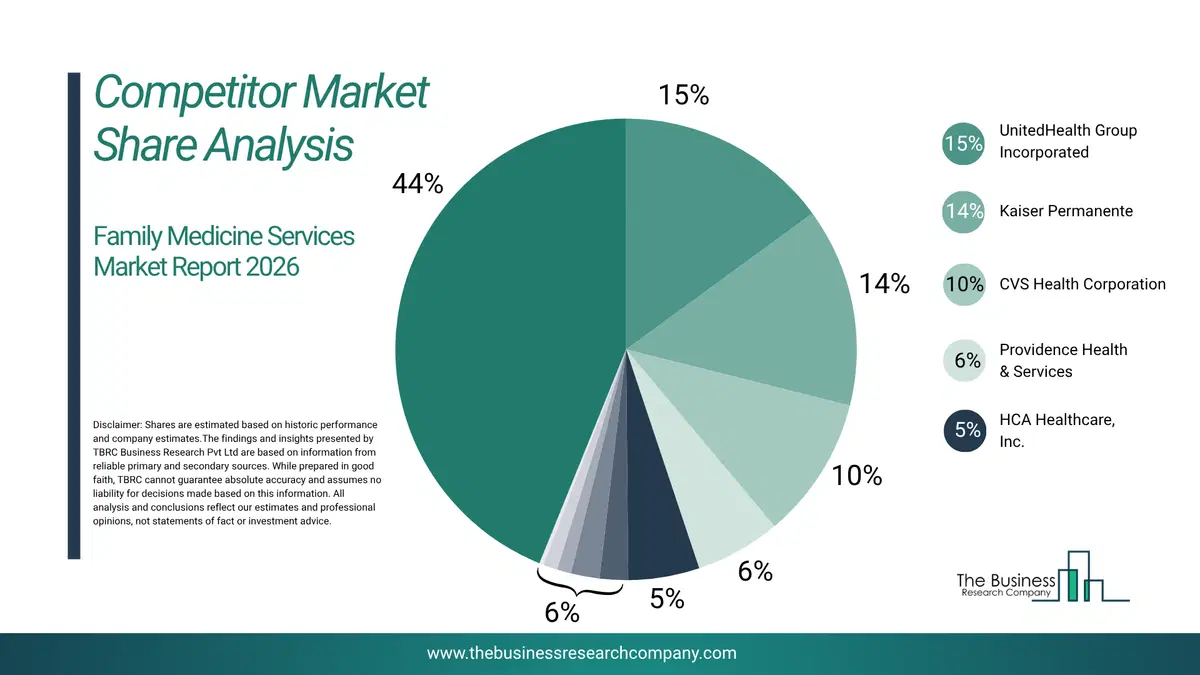
This chart is for illustrative purposes; the full report includes a detailed competitor analysis and comprehensive overview of the top 10 companies in the market.
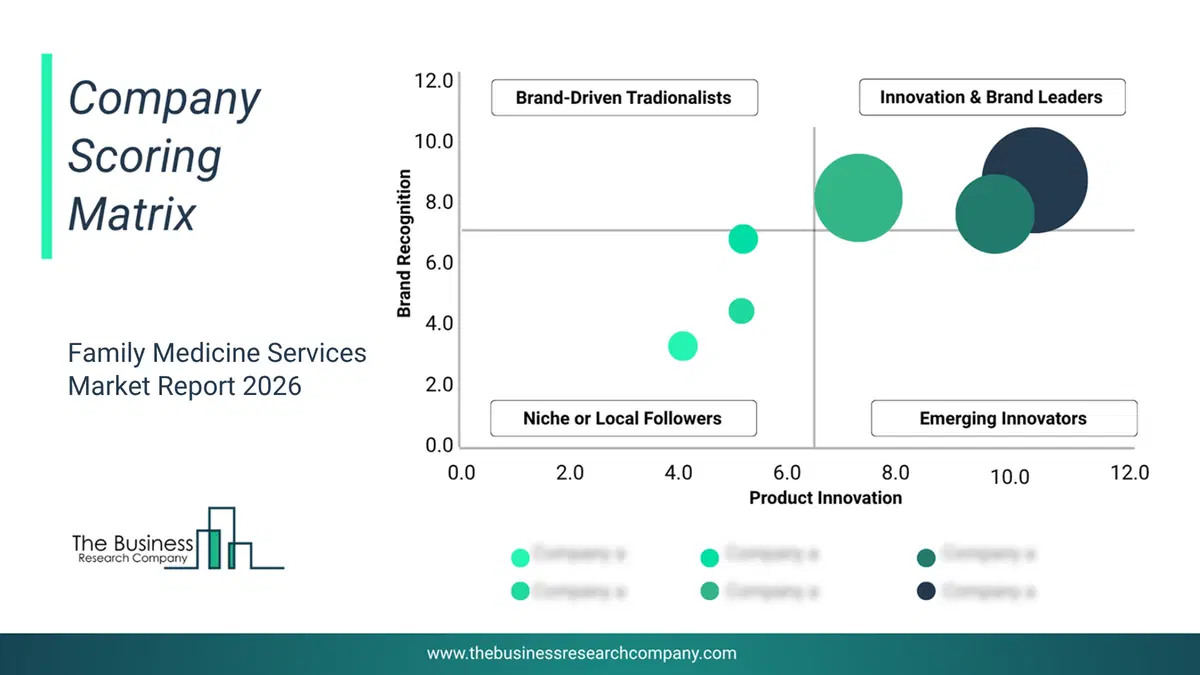
This chart maps companies by product innovation and brand strength, with bubble size indicating relative revenue, helping identify market leaders, challengers, and niche players. This is an illustrative chart; the full report provides a complete and accurate competitive analysis.
Global Family Medicine Services Market Trends and Insights
Major companies operating in the family medicine services market are focusing on expanding virtual primary care services, such as virtual family medicine, to improve patient access, reduce appointment wait times, and provide continuous care for chronic conditions. Virtual family medicine refers to providing primary healthcare services remotely through digital platforms like video calls, phone consultations, or mobile apps. For instance, in September 2023, Atrium Health, a US-based healthcare provider, launched its Virtual Primary Care service, which allows patients to establish an ongoing relationship with a dedicated family medicine provider for comprehensive primary care delivered virtually via secure video visits. This service, available 24/7 with flexible scheduling, enables patients to receive care for chronic conditions, preventative health, mental health, medication management, lab orders, and virtual specialist consults without needing in-person visits. It targets patients with busy lives, those who may travel frequently, or those facing access barriers, providing convenient, personalized care from home, office, or on the go across North Carolina, South Carolina, and Georgia.What Are Latest Mergers And Acquisitions In The Family Medicine Services Market?
In February 2023, MyTown Health Partners, a US-based practice management services company, acquired Total Family Medical for an undisclosed amount. With this acquisition, MyTown aims to provide accessible, high-quality healthcare to medically underserved rural and urban communities by leveraging MyTown's resources and expertise to support practice growth while allowing providers to focus on compassionate and excellent patient care. Total Family Medical is a US-based healthcare company that operates rural health clinics, offering a range of services, including family medicine services, and providing comprehensive care for patients of all ages.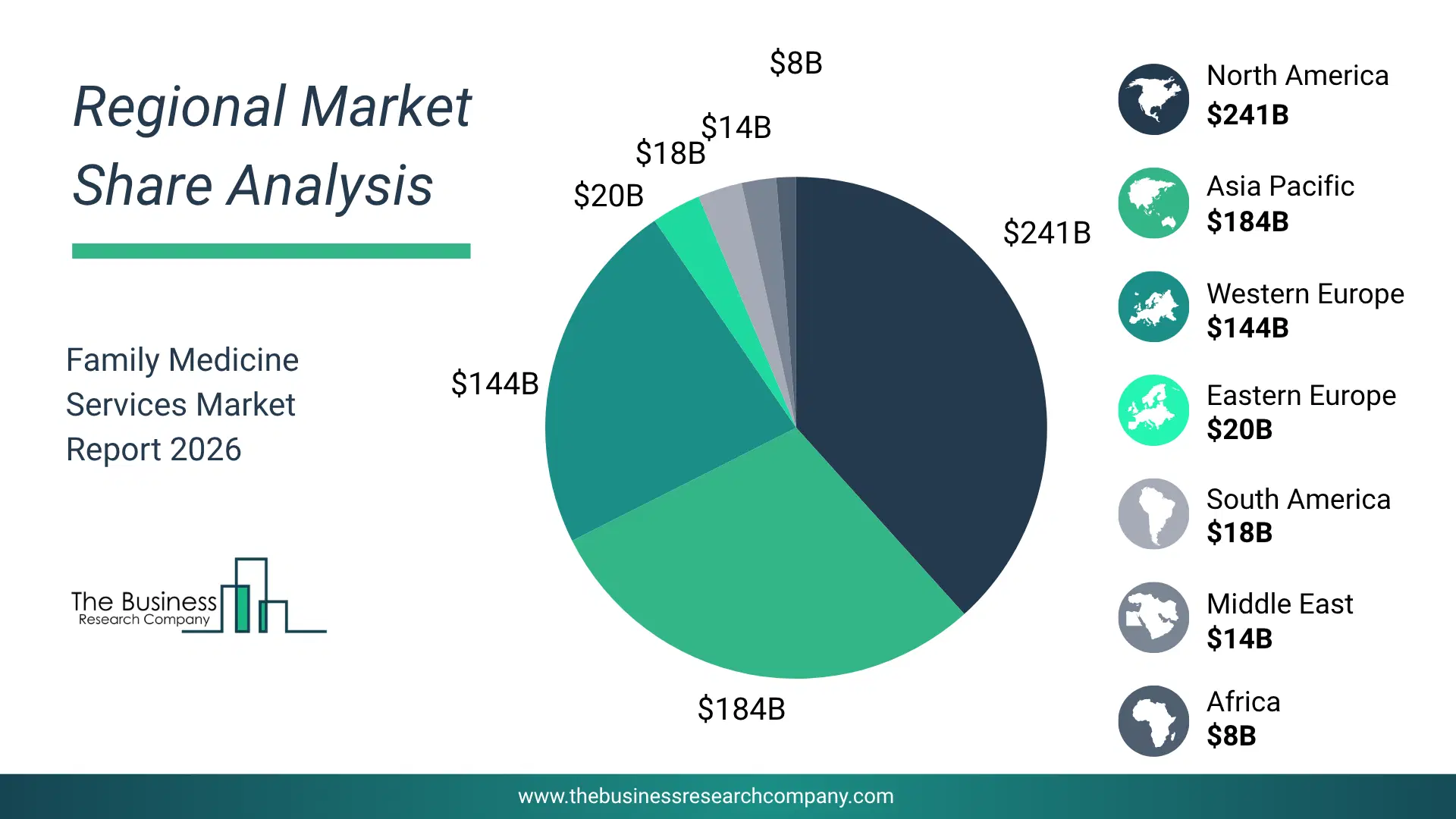
Regional Outlook
North America was the largest region in the family medicine services market in 2025. The regions covered in this market report are Asia-Pacific, South East Asia, Western Europe, Eastern Europe, North America, South America, Middle East, Africa. The countries covered in this market report are Australia, Brazil, China, France, Germany, India, Indonesia, Japan, Taiwan, Russia, South Korea, UK, USA, Canada, Italy, Spain.What Defines the Family Medicine Services Market?
The family medicine services market includes revenues earned by entities by providing services, such as preventive healthcare programs, vaccination services, chronic disease management, diagnostic consultations, minor outpatient procedures, telemedicine consultations, and family health counselling. The market value includes the value of related goods sold by the service provider or included within the service offering. Only goods and services traded between entities or sold to end consumers are included.How is Market Value Defined and Measured?
The market value is defined as the revenues that enterprises gain from the sale of goods and/or services within the specified market and geography through sales, grants, or donations in terms of the currency (in USD unless otherwise specified). The revenues for a specified geography are consumption values that are revenues generated by organizations in the specified geography within the market, irrespective of where they are produced. It does not include revenues from resales along the supply chain, either further along the supply chain or as part of other products.
This chart presents market attractiveness based on a quantitative evaluation of growth, competition, strategic alignment, and risk, offering a clear view of opportunity areas for decision-making. This chart is for illustrative purposes; the full report contains the complete analysis.

This chart highlights the Total Addressable Market (TAM) by estimating the maximum revenue opportunity using an assumption-driven approach, supporting strategic planning and opportunity sizing across markets. The chart is illustrative; the full report provides a more comprehensive analysis.
What Key Data and Analysis Are Included in the Family Medicine Services Market Report 2026?
The family medicine services market research report is one of a series of new reports from The Business Research Company that provides market statistics, including industry global market size, regional shares, competitors with the market share, detailed market segments, market trends and opportunities, and any further data you may need to thrive in the family medicine services industry. The market research report delivers a complete perspective of everything you need, with an in-depth analysis of the current and future state of the industry.Family Medicine Services Market Report Forecast Analysis
| Report Attribute | Details |
|---|---|
| Market Size Value In 2026 | $355.43 billion |
| Revenue Forecast In 2030 | $450.46 billion |
| Growth Rate | CAGR of 6.1% from 2026 to 2030 |
| Base Year For Estimation | 2025 |
| Actual Estimates/Historical Data | 2020-2025 |
| Forecast Period | 2026 - 2030 |
| Market Representation | Revenue in USD Billion and CAGR from 2026 to 2030 |
| Segments Covered | Service Type, Patient Demographics, Care Delivery Model, Technology Integration, End-User |
| Regional Scope | Asia-Pacific, Western Europe, Eastern Europe, North America, South America, Middle East, Africa |
| Country Scope | The countries covered in the report are Australia, Brazil, China, France, Germany, India, ... |
| Key Companies Profiled | Kaiser Permanente, Trinity Health, Banner Health, Tenet Healthcare Corporation, NYU Langone Hospitals, Intermountain Health Care Inc., Baylor Scott & White Health LLC, Geisinger Clinic, Ascension Health, Michigan Health Corp., UW Health, Stanford Health Care, Evergreen Health, Providence, Sutter Health, UCI Health, Altru Health System, Blessing Health System, Samaritan Health Services, Allcare Health, Skagit Regional Health, Olathe Health |
| Customization Scope | Request for Customization |
| Pricing And Purchase Options | Explore Purchase Options |