
Fashion Apparel Market Report 2026
Global Outlook – By Product Type (Tops, Bottoms, Dresses, Outerwear, Activewear, Footwear, Accessories), By Material (Cotton, Wool, Silk, Synthetic, Other Materials), By Price Range (Luxury, Premium, Mid-Range, Budget), By Distribution Channel (Online Retail, Brick-And-Mortar Stores, Department Stores, Specialty Stores), By End-User (Men, Women, Children) – Market Size, Trends, Strategies, and Forecast to 2030
Fashion Apparel Market Overview
• Fashion Apparel market size has reached to $1690.95 billion in 2025 • Expected to grow to $2212.89 billion in 2030 at a compound annual growth rate (CAGR) of 5.5% • Growth Driver: Surge In Online Shopping Fueling The Growth Of The Fashion Apparel Market Due To Increasing Consumer Convenience And Digital Engagement • Market Trend: Major Fashion Apparel Brands Embrace Exclusive Online Stores To Boost DTC Sales And Customer Engagement • North America was the largest region in 2025 and Asia-Pacific is the fastest growing region.Market Gains By 2030 – Top Opportunities By Segment
Market Gain identifies the most promising market opportunities by highlighting the segments or products expected to generate the highest incremental revenue growth over the next five years.
What Is Covered Under Fashion Apparel Market?
Fashion apparel refers to clothing and garments designed for practical use and to reflect current styles, trends, and personal expression. These apparel help individuals express their style and boost confidence while providing comfort and protection for different occasions. The main types of products in fashion apparel are tops, bottoms, dresses, outerwear, activewear, footwear, and accessories. Tops are upper-body garments that include a variety of styles such as shirts, blouses, T-shirts, and tank tops. These are used for various materials, including cotton, wool, silk, synthetic, and other materials. The various price ranges include luxury, premium, mid-range, and budget, which are distributed through various distribution channels such as online retail, brick-and-mortar stores, department stores, and specialty stores and are used by various end users such as men, women, and children.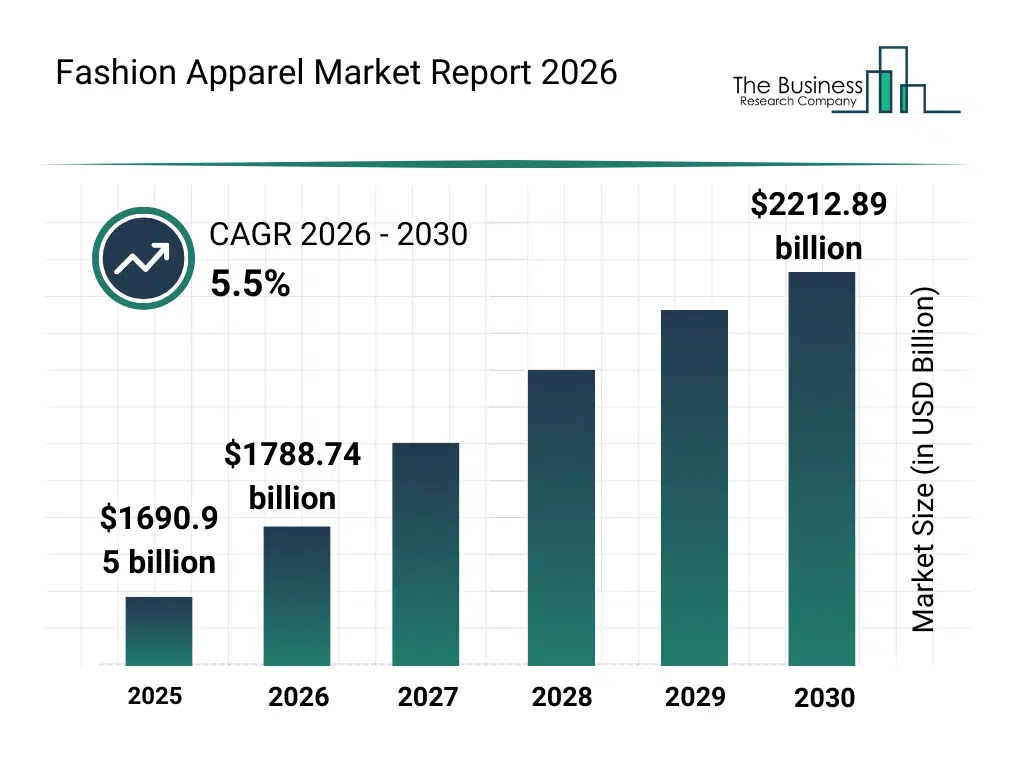
What Is The Fashion Apparel Market Size and Share 2026?
The fashion apparel market size has grown strongly in recent years. It will grow from $1690.95 billion in 2025 to $1788.74 billion in 2026 at a compound annual growth rate (CAGR) of 5.8%. The growth in the historic period can be attributed to growth of global apparel consumption, expansion of fast fashion retail models, increasing brand diversification, rising influence of fashion media and trends, availability of global sourcing networks.What Is The Fashion Apparel Market Growth Forecast?
The fashion apparel market size is expected to see strong growth in the next few years. It will grow to $2212.89 billion in 2030 at a compound annual growth rate (CAGR) of 5.5%. The growth in the forecast period can be attributed to growing demand for sustainable fashion, increasing adoption of digital fashion platforms, expansion of direct-to-consumer channels, rising use of data-driven trend forecasting, increasing focus on supply chain transparency. Major trends in the forecast period include increasing adoption of sustainable and recycled materials, rising use of digital design and sampling tools, growing popularity of personalized and custom apparel, expansion of omnichannel retail strategies, enhanced focus on fast and responsive supply chains.
Global Fashion Apparel Market Segmentation
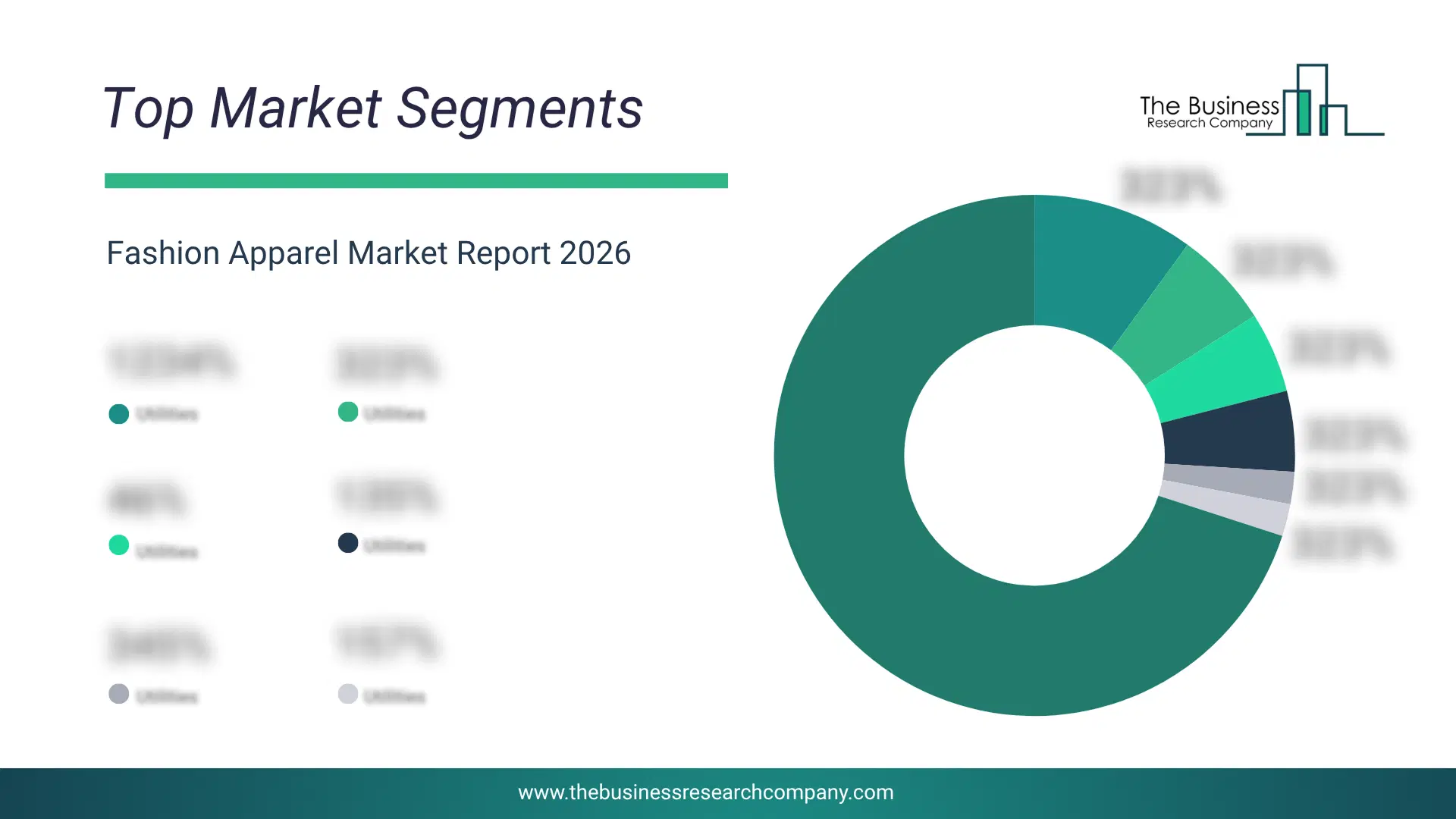
1) By Product Type: Tops, Bottoms, Dresses, Outerwear, Activewear, Footwear, Accessories 2) By Material: Cotton, Wool, Silk, Synthetic, Other Materials 3) By Price Range: Luxury, Premium, Mid-Range, Budget 4) By Distribution Channel: Online Retail, Brick-And-Mortar Stores, Department Stores, Specialty Stores 5) By End-User: Men, Women, Children Subsegments: 1) By Tops: T-Shirts, Shirts And Blouses, Tank Tops, Crop Tops, Tunics, Sweatshirts And Hoodies 2) By Bottoms: Jeans, Trousers, Leggings, Skirts, Shorts, Joggers 3) By Dresses: Casual Dresses, Formal Dresses, Maxi Dresses, Mini Dresses, Evening Gowns, Wrap Dresses 4) By Outerwear: Jackets, Coats, Blazers, Parkas, Vests, Capes And Ponchos 5) By Activewear: Sports Bras, Leggings And Tights, Track Pants, Performance Tops, Gym Shorts, Yoga Apparel 6) By Footwear: Sneakers, Boots, Sandals, Loafers, Heels, Flats 7) By Accessories: Bags And Purses, Belts, Scarves, Hats And Caps, Sunglasses, Jewelry The top segments in the fashion apparel market will be: • Tops will reach $591.54 Billion by 2030. • Bottoms will reach $423.4 Billion by 2030. • Footwear will reach $358.74 Billion by 2030. • Outerwear will reach $319.45 Billion by 2030. • Activewear will reach $272.26 Billion by 2030.What Is The Driver Of The Fashion Apparel Market?
The rise of online shopping is expected to propel the growth of the fashion apparel market going forward. Online shopping refers to purchasing goods or services through websites or mobile applications. The rise of online shopping is due to its convenience as it offers convenience, 24/7 access, and easy product comparisons, allowing people to shop anytime from home and make informed decisions. Online shopping increases the demand for fashion apparel by making clothing more accessible and appealing to a broader audience. With a vast selection of styles, sizes, and brands available at the click of a button, consumers can easily explore and purchase the latest trends without visiting physical stores. For instance, in May 2025, according to a report published by the United States Department of Commerce, a US-based government department, in the first quarter of 2025, e-commerce sales rose by 5.6% (±0.9%) compared to the same period in 2024, while total retail sales grew by 3.2% (±0.4%). Therefore, the rise of online shopping is driving the growth of the fashion apparel industry.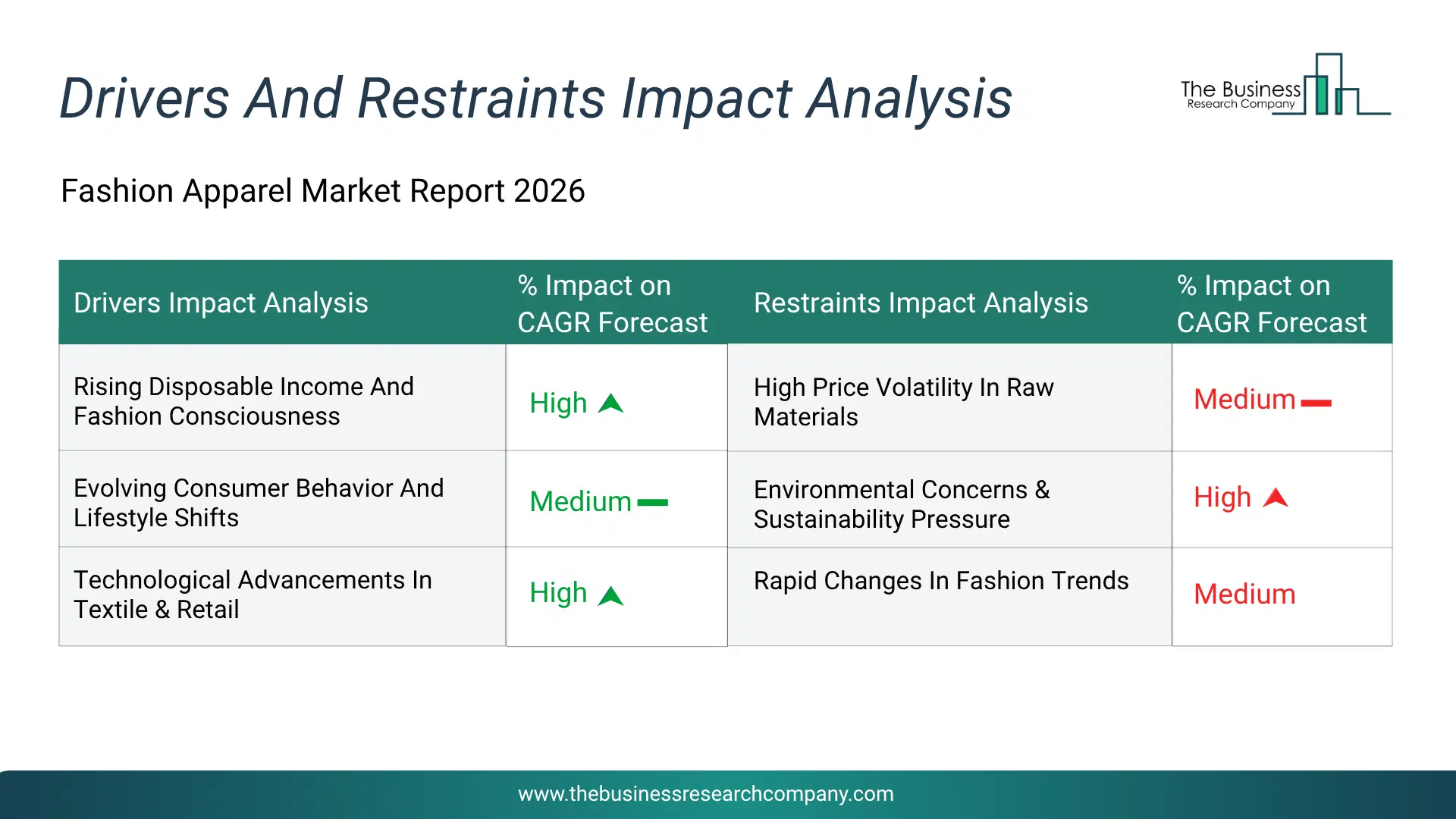
Infographic Chart Showing Key Market Drivers Analysis And Restraints For Fashion Apparel Market
The chart presents an impact analysis of key drivers and restraints, quantifying their relative influence on the market's growth rate and helping assess the balance between growth enablers and limiting factors. This chart offers a high-level perspective; the full report contains more detailed insights.
How Will The Drivers Impact Growth In The Global Fashion Apparel Market?
• Rising Disposable Income And Fashion Consciousness (High) – During the forecast period, the rising disposable income and fashion consciousness is expected to become a key growth driver for the fashion apparel market by 2030. Rising disposable income and fashion consciousness is a major driver of the fashion apparel market because higher purchasing power enables consumers to spend more on clothing, accessories, and premium fashion products. As incomes increase, buyers tend to move beyond basic apparel needs and seek trendy, branded, and high-quality garments that reflect their personal style. Growing awareness of fashion trends through social media, celebrities, and digital platforms further encourages frequent wardrobe updates. Consumers are increasingly willing to experiment with new styles and seasonal collections, creating higher product demand. Fashion-conscious shoppers also drive demand for luxury, designer, and customized apparel. This trend supports market expansion across both developed and emerging economies. • Evolving Consumer Behavior And Lifestyle Shifts (Medium) – During the forecast period, the evolving consumer behavior and lifestyle shifts is expected to emerge as a major factor driving the expansion of the fashion apparel market by 2030. Evolving consumer behavior and lifestyle shifts significantly contribute to the growth of the fashion apparel market by influencing purchasing patterns and product preferences. Modern consumers seek apparel that aligns with their changing lifestyles, including work-from-home arrangements, fitness activities, travel, and social events. Demand for comfortable, versatile, and functional clothing has increased across different age groups. Consumers are also showing greater interest in sustainable, ethically produced, and personalized fashion products. The growing influence of digital shopping channels has further transformed buying habits and improved product accessibility. Fast-changing fashion preferences encourage brands to launch new collections more frequently. • Technological Advancements In Textile & Retail (High) – During the forecast period, the technological advancements in textile & retail is expected to act as a key growth catalyst for the fashion apparel market by 2030. Innovations in textile engineering are enabling the production of high-performance fabrics that offer greater comfort, durability, functionality, and sustainability. At the same time, automation, digital manufacturing, and smart production technologies are helping apparel manufacturers improve operational efficiency, reduce production costs, and respond more quickly to evolving fashion trends. Retail innovations, including artificial intelligence-powered personalization, virtual try-on solutions, and omnichannel shopping experiences, are strengthening customer engagement and purchase decisions. The rapid expansion of e-commerce platforms, mobile commerce, and data-driven merchandising further enables brands to reach broader consumer bases while optimizing inventory management and demand forecasting.How Will The Restraints Impact Growth In The Global Fashion Apparel Market?
• High Price Volatility In Raw Materials (High) – During the forecast period, the high Price Volatility in Raw Materials acts as a significant restraint on the Fashion Apparel market by creating uncertainty in production costs and profit margins. The prices of key inputs such as cotton, wool, silk, polyester, and other textile materials often fluctuate due to supply chain disruptions, weather conditions, and global economic factors. These unpredictable cost changes make it difficult for apparel manufacturers to plan budgets and maintain stable pricing strategies. Rising raw material costs can increase the final product price, potentially reducing consumer demand in price-sensitive markets. Smaller brands are particularly vulnerable as they may lack the financial flexibility to absorb cost increases. Frequent price fluctuations can also disrupt sourcing decisions and inventory management. As a result, market growth may be constrained by reduced profitability and operational challenges. • Environmental Concerns & Sustainability Pressure (Medium) – During the forecast period, the environmental Concerns & Sustainability Pressure restrain the Fashion Apparel market by increasing compliance requirements and operational costs for manufacturers. Consumers, regulators, and environmental organizations are demanding greater transparency regarding sourcing, production processes, and waste management practices. Fashion companies are under pressure to reduce carbon emissions, water consumption, and textile waste throughout the supply chain. Meeting these sustainability expectations often requires significant investments in eco-friendly materials, cleaner technologies, and ethical manufacturing practices. The transition can be costly and time-consuming, especially for companies with complex global operations. Failure to address environmental concerns may damage brand reputation and reduce consumer trust. Consequently, sustainability pressures can create financial and operational barriers that limit market expansion. • Rapid Changes In Fashion Trends (High) – During the forecast period, the rapid changes in fashion trends act as a significant restraint on the Fashion Apparel market because manufacturers must continuously update designs, collections, and inventory to match changing consumer preferences. Frequent shifts in trends increase production complexity and create risks related to excess inventory and unsold products. Companies must invest heavily in market research, product development, and supply chain flexibility to remain competitive. Smaller brands may face difficulties adapting quickly due to limited resources. These challenges can increase operational costs and reduce profitability, thereby restraining market growth.Key Players In The Global Fashion Apparel Market
Major companies operating in the fashion apparel market are Louis Vuitton Malletier S.A., Christian Dior SE, Nike Inc., Adidas AG, Shein Group Ltd., H And M Group, Richemont SA, Chanel S.A., Hermes International S.A., PUMA SE, Lululemon Athletica Inc., Ralph Lauren Corporation, Next plc, Levi Strauss And Co., Under Armour Inc., Prada S.p.A., Burberry Group plc, LPP S.A., Moncler S.p.A., Boohoo Group plc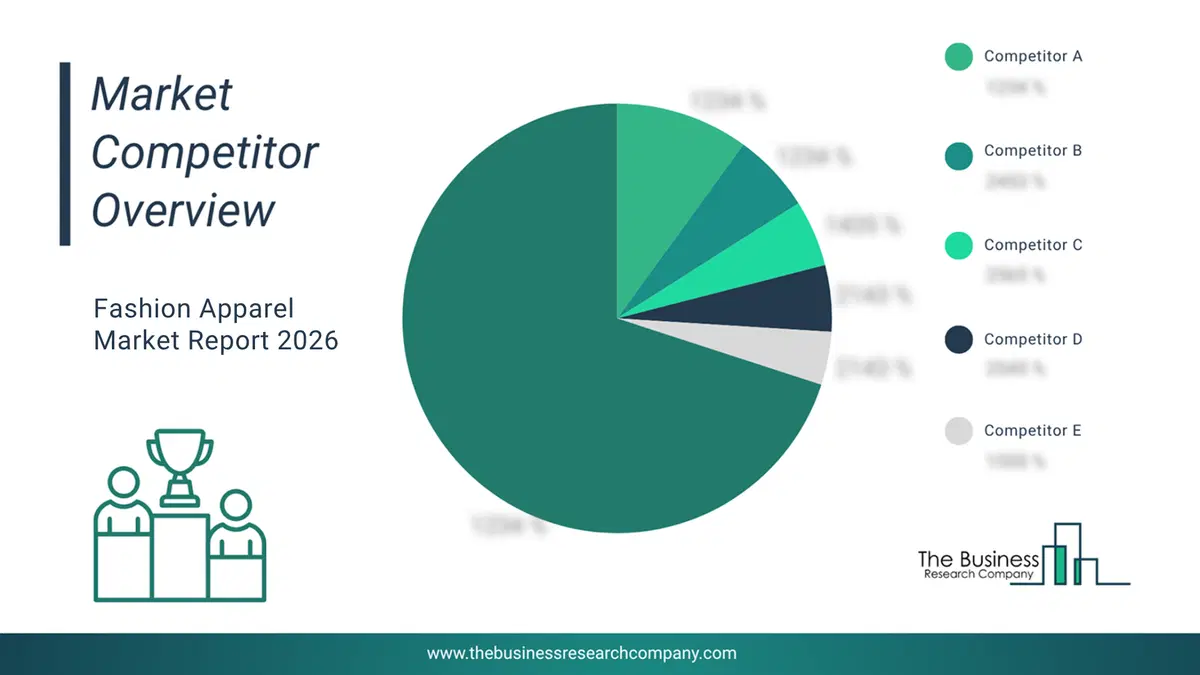
This chart is for illustrative purposes; the full report includes a detailed competitor analysis and comprehensive overview of the top 10 companies in the market.
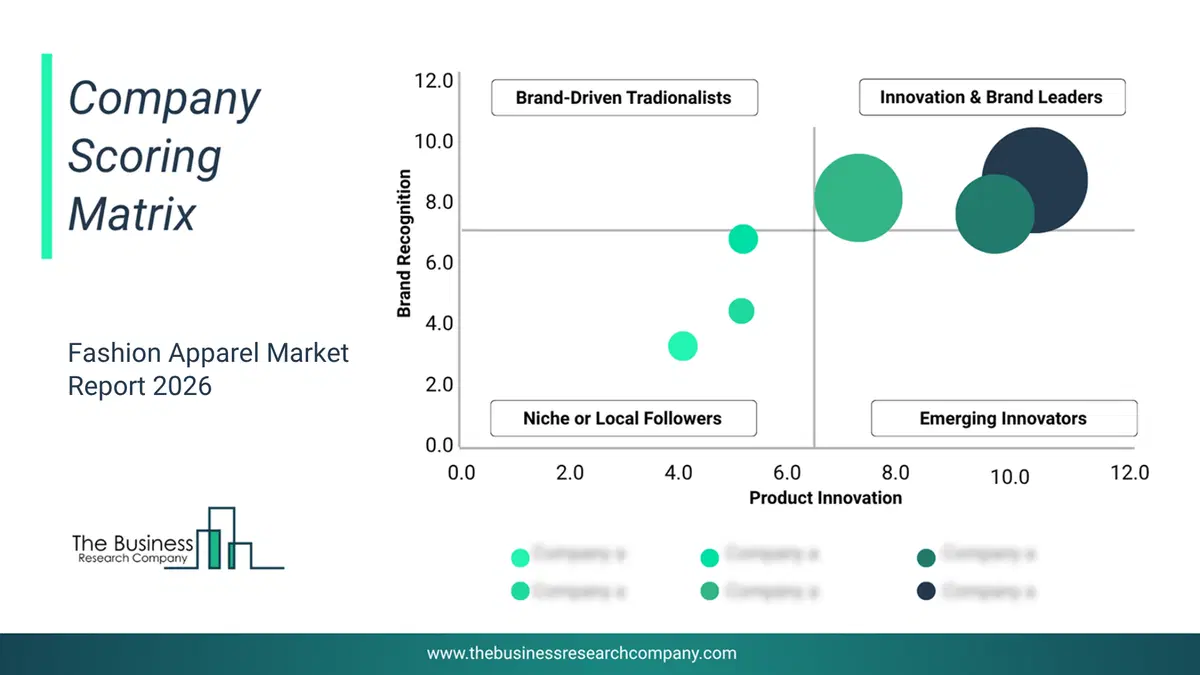
This chart maps companies by product innovation and brand strength, with bubble size indicating relative revenue, helping identify market leaders, challengers, and niche players. This is an illustrative chart; the full report provides a complete and accurate competitive analysis.
Global Fashion Apparel Market Trends and Insights
Major companies operating in the fashion apparel market are focusing on expansion approaches such as exclusive online stores to enhance customer experience, expand global reach, and drive direct-to-consumer (DTC) sales. An exclusive online store refers to a digital retail platform (website or app) that sells products or services unavailable through other online or offline channels. For instance, in October 2024, NIYARA India, an Indian-based premium women’s fashion apparel brand, launched its online store offering premium fashion apparel for women to cater to the growing demand for sophisticated yet affordable clothing for the modern Indian woman, marking its entry into the digital fashion market. The brand aims to make globally inspired, high-quality fashion more accessible to Indian women. The online store features diverse collections, including evening gowns, dresses, shirts, trousers, and more. These pieces are designed with high-end fabrics and intricate detailing, blending luxury and comfort to help women confidently express their individuality.What Are Latest Mergers And Acquisitions In The Fashion Apparel Market?
In May 2023, Authentic Brands Group, a US-based brand-management company, acquired Vince for US$ 76.5 million. Through this acquisition, Authentic Brands Group aims to expand its fashion apparel brand portfolio and leverage Vince’s global brand recognition across ready-to-wear clothing, knitwear, and accessories. Vince is a US-based fashion company that provides contemporary apparel and fashion accessories.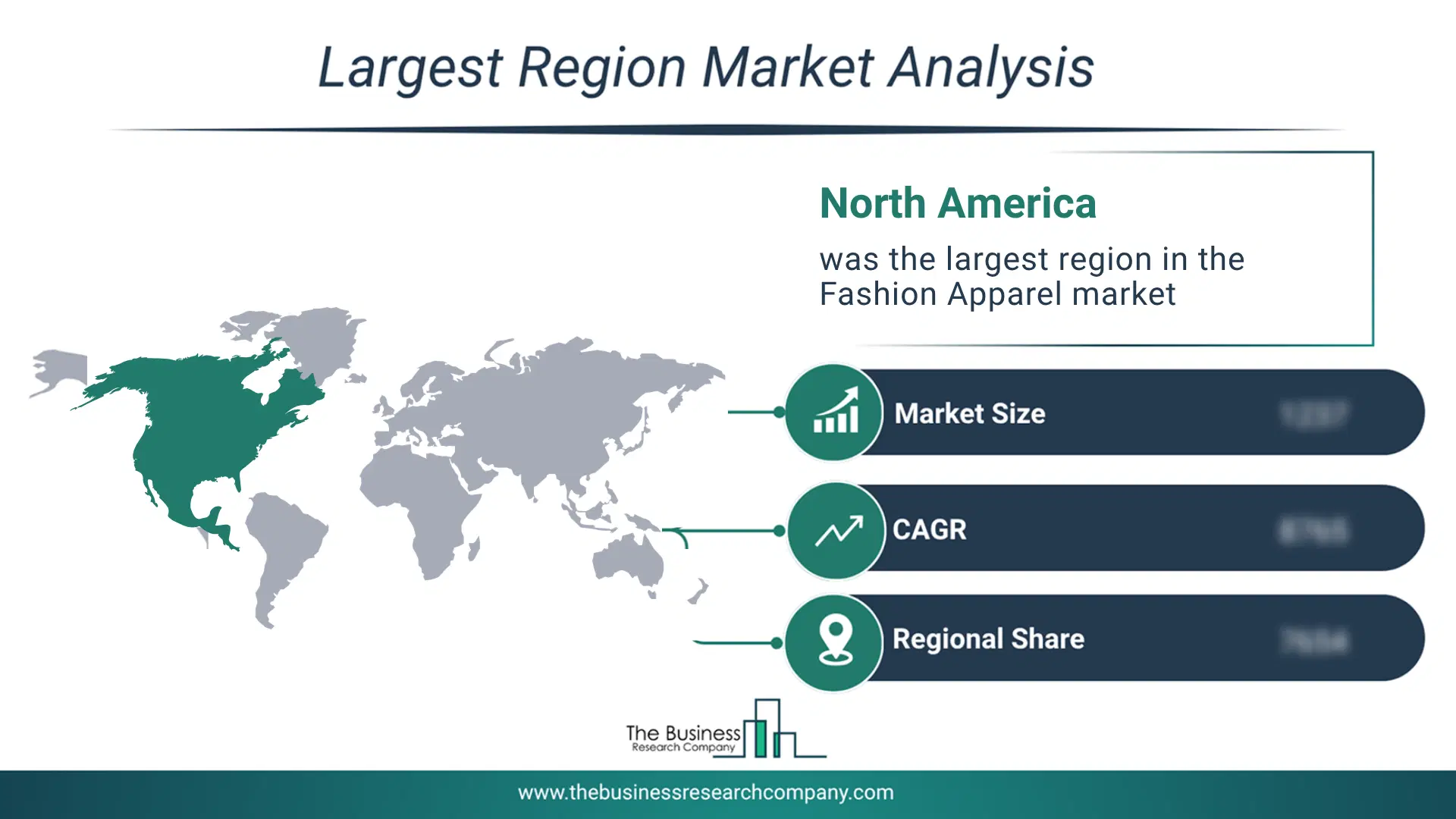
Regional Outlook
North America was the largest region in the fashion apparel market in 2025. Asia-Pacific is expected to be the fastest-growing region in the forecast period. The regions covered in this market report are Asia-Pacific, South East Asia, Western Europe, Eastern Europe, North America, South America, Middle East, Africa. The countries covered in this market report are Australia, Brazil, China, France, Germany, India, Indonesia, Japan, Taiwan, Russia, South Korea, UK, USA, Canada, Italy, Spain.What Defines the Fashion Apparel Market?
The fashion apparel market consists of sales of maternity wear, kids wear, intimate apparel, ethnic or traditional wear, swimwear, loungewear and workwear. Values in this market are ‘factory gate’ values, that is, the value of goods sold by the manufacturers or creators of the goods, whether to other entities (including downstream manufacturers, wholesalers, distributors, and retailers) or directly to end customers. The value of goods in this market includes related services sold by the creators of the goods.How is Market Value Defined and Measured?
The market value is defined as the revenues that enterprises gain from the sale of goods and/or services within the specified market and geography through sales, grants, or donations in terms of the currency (in USD unless otherwise specified). The revenues for a specified geography are consumption values that are revenues generated by organizations in the specified geography within the market, irrespective of where they are produced. It does not include revenues from resales along the supply chain, either further along the supply chain or as part of other products.
This chart presents market attractiveness based on a quantitative evaluation of growth, competition, strategic alignment, and risk, offering a clear view of opportunity areas for decision-making. This chart is for illustrative purposes; the full report contains the complete analysis.

This chart highlights the Total Addressable Market (TAM) by estimating the maximum revenue opportunity using an assumption-driven approach, supporting strategic planning and opportunity sizing across markets. The chart is illustrative; the full report provides a more comprehensive analysis.
What Key Data and Analysis Are Included in the Fashion Apparel Market Report 2026?
The fashion apparel market research report is one of a series of new reports from The Business Research Company that provides market statistics, including Market Report 2026?global market size, regional shares, competitors with the market share, detailed market segments, market trends and opportunities, and any further data you may need to thrive in the fashion apparel Market Report 2026? The market research report delivers a complete perspective of everything you need, with an in-depth analysis of the current and future state of the Market Report 2026?Fashion Apparel Market Report Forecast Analysis
| Report Attribute | Details |
|---|---|
| Market Size Value In 2026 | $1788.74 billion |
| Revenue Forecast In 2030 | $2212.89 billion |
| Growth Rate | CAGR of 5.8% from 2026 to 2030 |
| Base Year For Estimation | 2025 |
| Actual Estimates/Historical Data | 2020-2025 |
| Forecast Period | 2026 - 2030 |
| Market Representation | Revenue in USD Billion and CAGR from 2026 to 2030 |
| Segments Covered | Product Type, Material, Price Range, Distribution Channel, End-User |
| Regional Scope | Asia-Pacific, Western Europe, Eastern Europe, North America, South America, Middle East, Africa |
| Country Scope | The countries covered in the report are Australia, Brazil, China, France, Germany, India, ... |
| Key Companies Profiled | Louis Vuitton Malletier S.A., Christian Dior SE, Nike Inc., Adidas AG, Shein Group Ltd., H And M Group, Richemont SA, Chanel S.A., Hermes International S.A., PUMA SE, Lululemon Athletica Inc., Ralph Lauren Corporation, Next plc, Levi Strauss And Co., Under Armour Inc., Prada S.p.A., Burberry Group plc, LPP S.A., Moncler S.p.A., Boohoo Group plc |
| Customization Scope | Request for Customization |
| Pricing And Purchase Options | Explore Purchase Options |