
Fortified Wine Market Report 2026
Global Outlook – By Product (Port Wine, Vermouth, Sherry, Other Products ), By Distribution Channel (Online, Offline ), By Sales Channel (Supermarkets and Hypermarkets, On Trade, Specialist Retailers, Retail Stores ) – Market Size, Trends, Strategies, and Forecast to 2030
Fortified Wine Market Overview
• Fortified Wine market size has reached to $21.8 billion in 2025 • Expected to grow to $35.86 billion in 2030 at a compound annual growth rate (CAGR) of 10.5% • Growth Driver: Growing Health-Consciousness Among Consumers Boosts Fortified Wine Market Growth • Market Trend: Adoption Of Ultra-Aged Limited-Edition Tawny Ports To Cater To Premium Wine Consumers • North America was the largest region in 2025 and Asia-Pacific is the fastest growing region.Market Gains By 2030 – Top Opportunities By Segment
Market Gain identifies the most promising market opportunities by highlighting the segments or products expected to generate the highest incremental revenue growth over the next five years.
What Is Covered Under Fortified Wine Market?
The fortified wine is used to make cocktails as well as great cooking wines. Fortified wine refers to wine that has been fortified by the addition of a distilled spirit, particularly a grape spirit such as brandy or cognac. The grape spirit can be added to the wine during or after fermentation. The addition of the distilled spirit makes the fortified wine unique as compared to other types. The main products of fortified wine are port wine, vermouth, sherry, and other products. Vermouth refers to a dry or sweet aperitif wine flavored with aromatic herbs and often used in mixed drinks. The distribution channels included are online and offline. The various end-users involved are supermarkets and hypermarkets, on-trade, specialist retailers, and retail stores.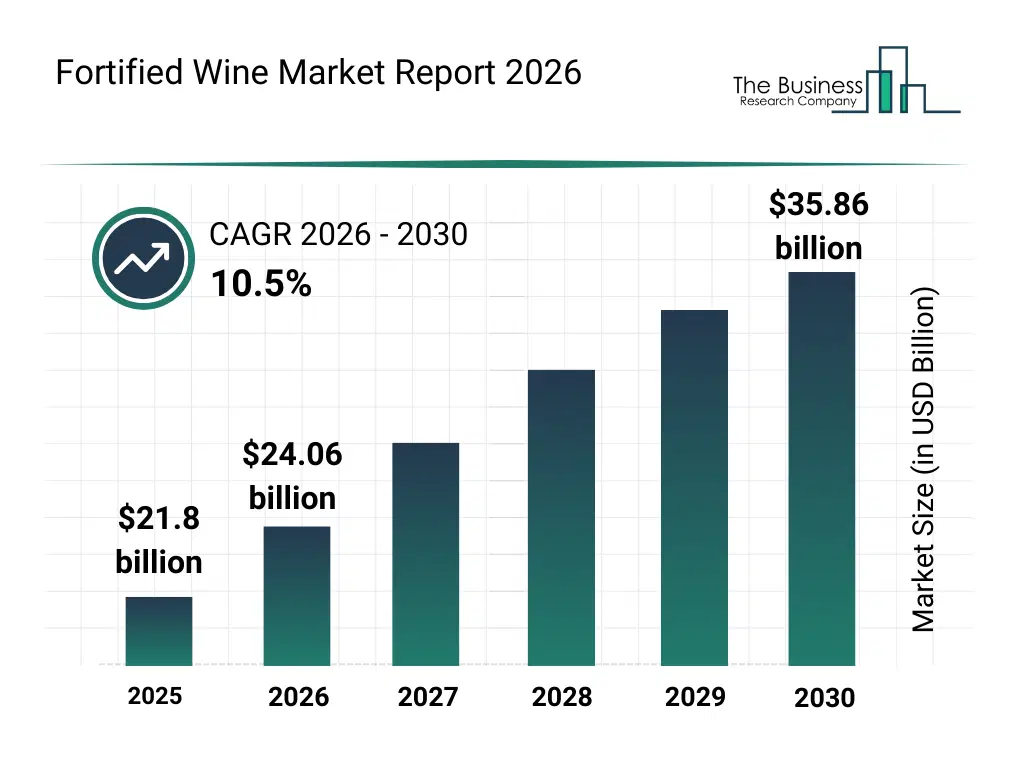
What Is The Fortified Wine Market Size and Share 2026?
The fortified wine market size has grown rapidly in recent years. It will grow from $21.8 billion in 2025 to $24.06 billion in 2026 at a compound annual growth rate (CAGR) of 10.3%. The growth in the historic period can be attributed to expansion of traditional wine-producing regions, long-standing consumption of port and sherry wines, growth of on-trade alcohol consumption, strong retail distribution networks, established aging and fortification techniques.What Is The Fortified Wine Market Growth Forecast?
The fortified wine market size is expected to see rapid growth in the next few years. It will grow to $35.86 billion in 2030 at a compound annual growth rate (CAGR) of 10.5%. The growth in the forecast period can be attributed to rising demand for premium alcoholic beverages, growing popularity of cocktail culture, expansion of online alcohol retailing, increasing interest in niche wine categories, evolving consumer taste preferences. Major trends in the forecast period include premiumization of fortified wine offerings, expansion of craft and artisanal production, growing cocktail and mixology applications, increasing product innovation in flavor profiles, rising focus on heritage and origin labelling.
Global Fortified Wine Market Segmentation
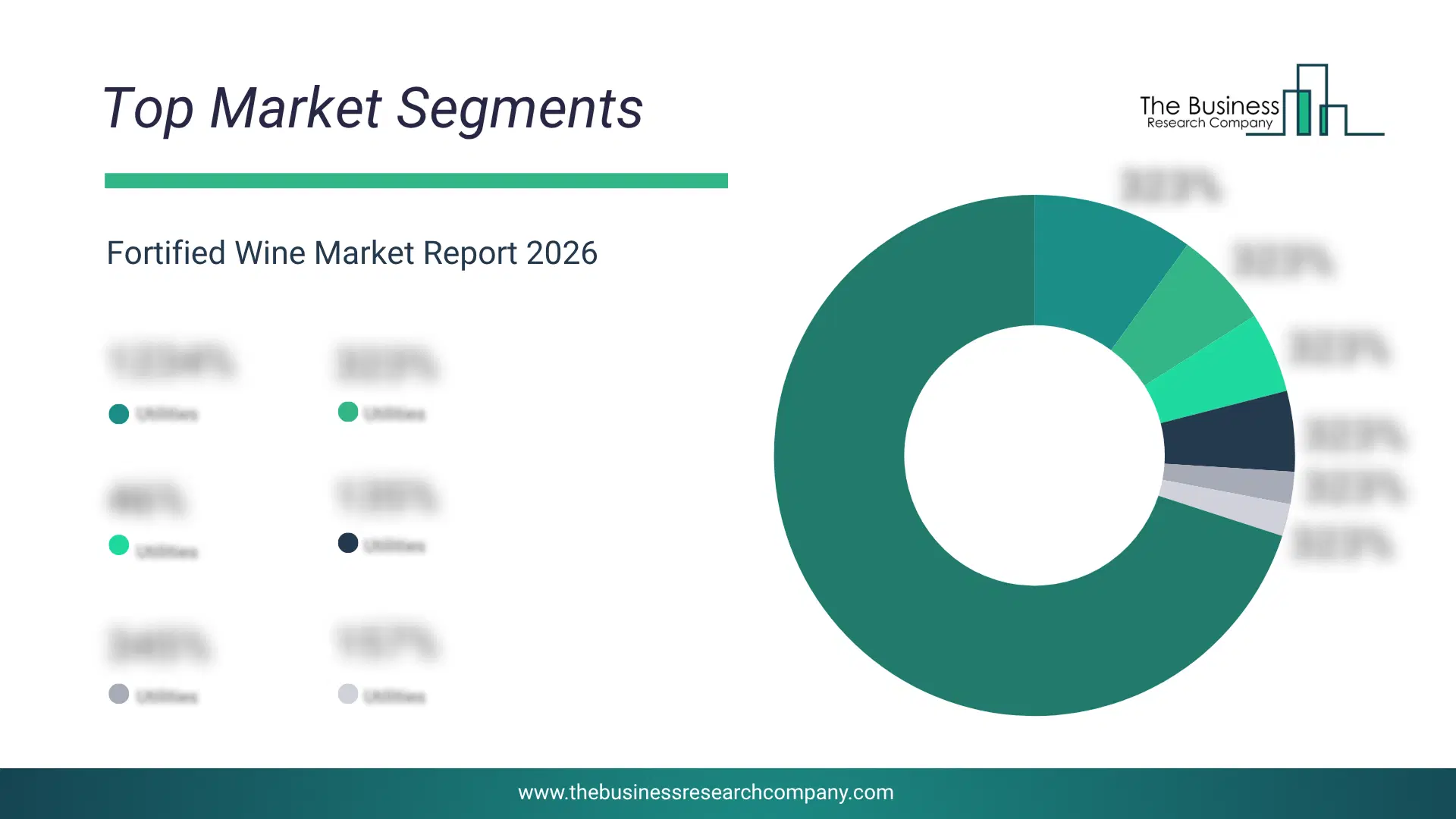
1) By Product: Port Wine, Vermouth, Sherry, Other Products 2) By Distribution Channel: Online, Offline 3) By Sales Channel: Supermarkets and Hypermarkets, On Trade, Specialist Retailers, Retail Stores Subsegments: 1) By Port Wine: Ruby Port, Tawny Port, Vintage Port, Late Bottled Vintage (LBV) Port 2) By Vermouth: Sweet Vermouth, Dry Vermouth, Bianco Vermouth 3) By Sherry: Fino Sherry, Manzanilla Sherry, Oloroso Sherry, Pedro Ximénez (PX) Sherry 4) By Other Products: Madeira Wine, Marsala Wine The top segments in the fortified wine market will be: • Port Wine will reach $12.42 Billion by 2030. • Vermouth will reach $9.96 Billion by 2030. • Sherry will reach $7.74 Billion by 2030. • Other Products will reach $5.54 Billion by 2030.What Is The Driver Of The Fortified Wine Market?
The changes in health-conscious consumers and lifestyles will propel the growth of the fortified wine market. Changes in health-conscious consumers and lifestyles mean that there is a growing awareness and emphasis on making healthier choices in diet and daily routines. Fortified wine can be a good option for health-conscious individuals who want to enjoy a drink without compromising on their health goals. For instance, in October 2025, according to International Food Information Council (IFIC), US-based non-profit organization reported that, in 2023, 52% of Americans report that they followed a specific eating pattern or diet at some point in the past year. Gen Z (66%) and Millennials (63%) are more likely than Gen X (50%) and Boomers (41%) to have followed an eating pattern or diet. Boomers saw a big increase in those following an eating pattern/diet (41%, up from 29% in 2022). Therefore, the changes in health-conscious consumers and lifestyles will strengthen the fortified wine industry.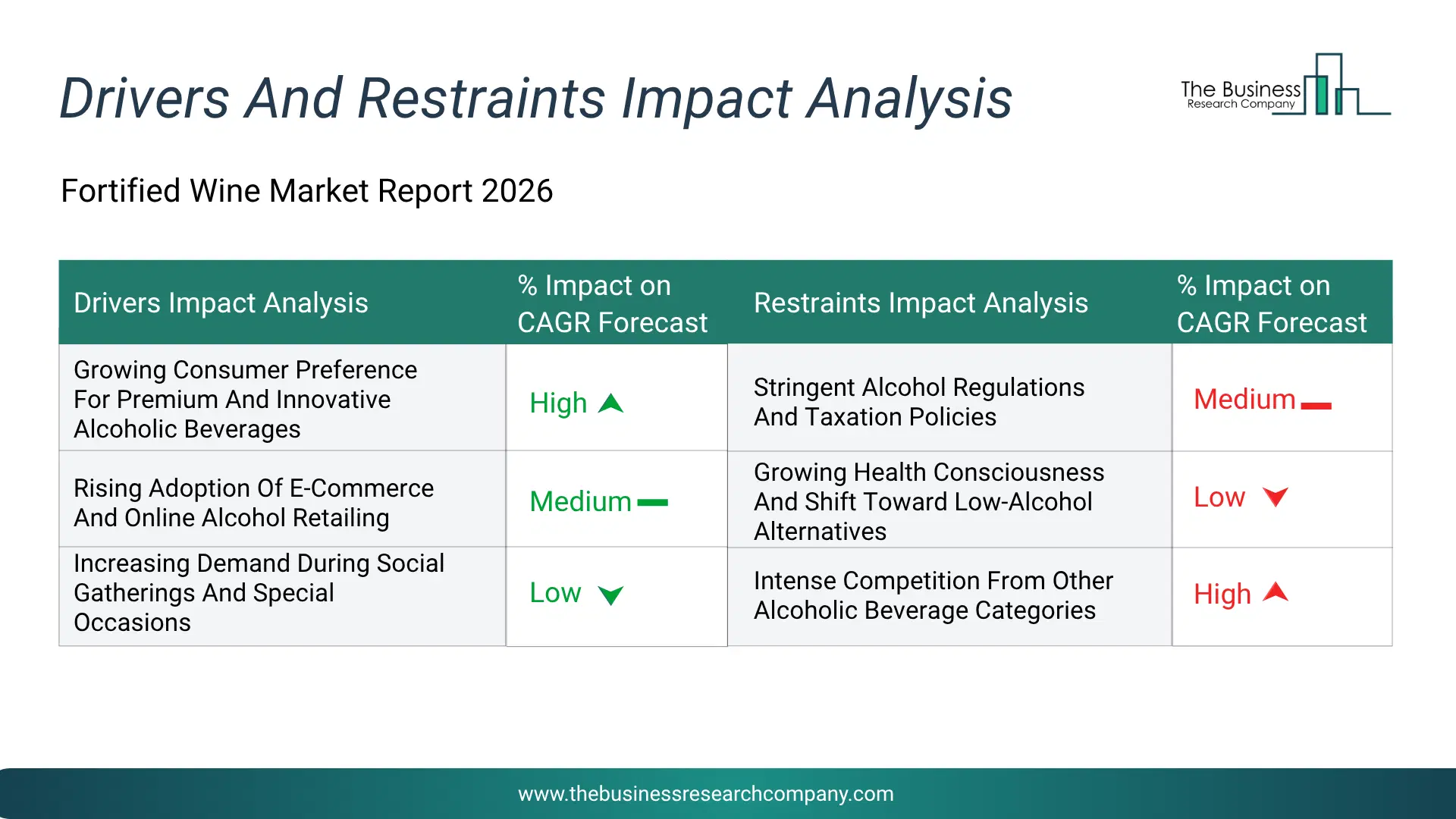
Infographic Chart Showing Key Market Drivers Analysis And Restraints For Fortified Wine Market
The chart presents an impact analysis of key drivers and restraints, quantifying their relative influence on the market's growth rate and helping assess the balance between growth enablers and limiting factors. This chart offers a high-level perspective; the full report contains more detailed insights.
How Will The Drivers Impact Growth In The Global Fortified Wine Market?
• Growing Consumer Preference For Premium And Innovative Alcoholic Beverages (High) – During the forecast period, the growing consumer preference for premium and innovative alcoholic beverages is expected to become a key growth driver for the fortified wine market by 2030. Growing consumer preference for premium and innovative alcoholic beverages is driving growth in the fortified wine market as buyers increasingly seek distinctive flavors, superior quality, heritage brands, and unique drinking experiences. Fortified wines with aged profiles, artisanal production methods, and premium positioning appeal to consumers looking for sophisticated alternatives within the alcoholic beverage category. • Rising Adoption Of E-Commerce And Online Alcohol Retailing (Medium) – During the forecast period, the rising adoption of e-commerce and online alcohol retailing is expected to emerge as a major factor driving the expansion of the fortified wine market by 2030. Rising adoption of e-commerce and online alcohol retailing is driving growth in the fortified wine market as digital platforms provide consumers with greater product variety, convenient home delivery, price comparisons, and easier access to premium or imported brands. Online channels also help producers expand market reach, improve brand visibility, and engage directly with evolving consumer preferences. • Increasing Demand During Social Gatherings And Special Occasions (Low) – During the forecast period, the increasing demand during social gatherings and special occasions is expected to act as a key growth catalyst for the fortified wine market by 2030. Increasing demand during social gatherings and special occasions is driving growth in the fortified wine market as consumers increasingly choose these beverages for celebrations, festive events, dinners, and gifting purposes. Fortified wines are often associated with premium experiences, rich flavors, and traditional consumption occasions, supporting higher demand during social and seasonal events.How Will The Restraints Impact Growth In The Global Fortified Wine Market?
• Stringent Alcohol Regulations And Taxation Policies (High) – During the forecast period, the stringent alcohol regulations and taxation policies are restraining growth in the fortified wine market as high excise duties, advertising restrictions, licensing requirements, and varying import regulations increase operating costs and limit market expansion. These regulatory barriers can reduce affordability, restrict promotional activities, and create distribution challenges for producers and retailers. • Growing Health Consciousness And Shift Toward Low-Alcohol Alternatives (Medium) – During the forecast period, the growing health consciousness and shift toward low-alcohol alternatives are restraining growth in the fortified wine market as consumers increasingly moderate alcohol intake and prefer beverages perceived as healthier or lower in calories. Rising demand for low-alcohol, alcohol-free, and wellness-oriented drink options can reduce consumption of higher-alcohol fortified wines. • Intense Competition From Other Alcoholic Beverage Categories (Low) – During the forecast period, the intense competition from other alcoholic beverage categories is restraining growth in the fortified wine market as consumers have a wide range of alternatives including still wines, spirits, beer, ready-to-drink cocktails, and craft beverages. Strong competition for shelf space, marketing attention, and consumer spending can limit market share expansion for fortified wine products.Key Players In The Global Fortified Wine Market
Major companies operating in the fortified wine market are Taylor Fladgate & Yeatman Vinhos S.A., Symington Family Estates Vinhos S.A., Sogevinus Fine Wines, Quinta do Noval, Niepoort Vinhos, Sogrape Vinhos S.A., Blandys Wine Lodge, Vinhos Barbeito, Henriques & Henriques, Emilio Hidalgo S.A., Bodegas Barbadillo S.L., Gonzalez Byass, Hidalgo La Gitana, Lustau, Curatolo Arini S.r.l., Cantine Florio, Lombardo S.p.A., Gancia S.p.A., Contratto S.r.l., Carpano, Atsby Vermouth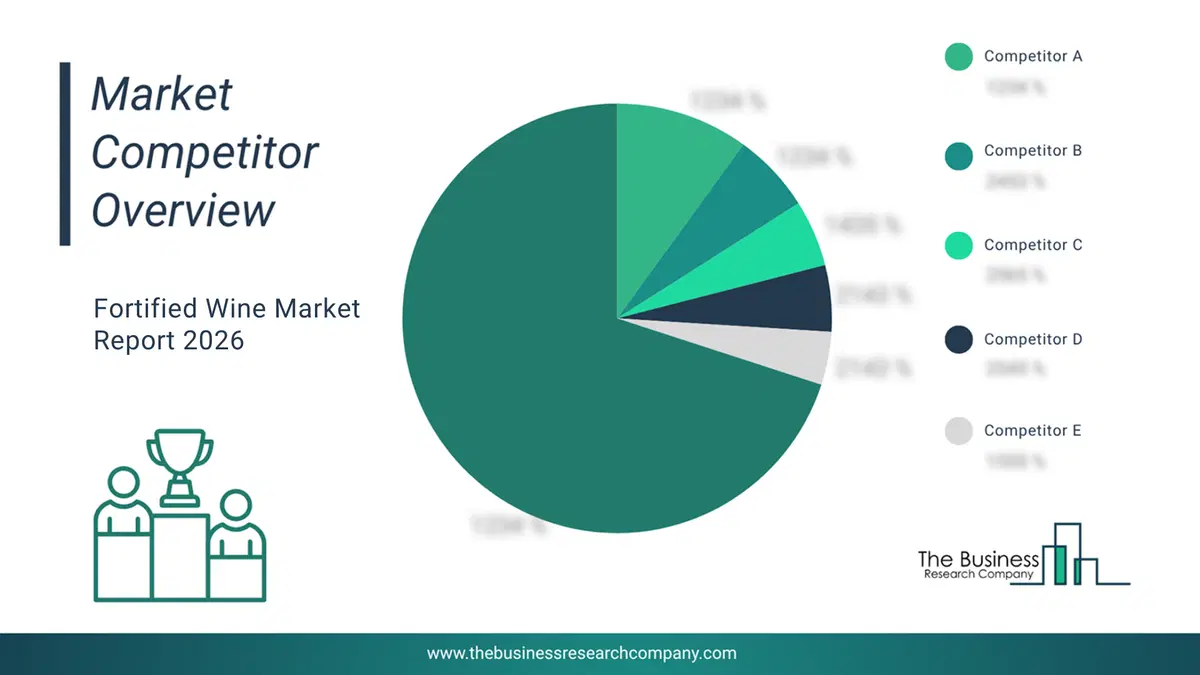
This chart is for illustrative purposes; the full report includes a detailed competitor analysis and comprehensive overview of the top 10 companies in the market.
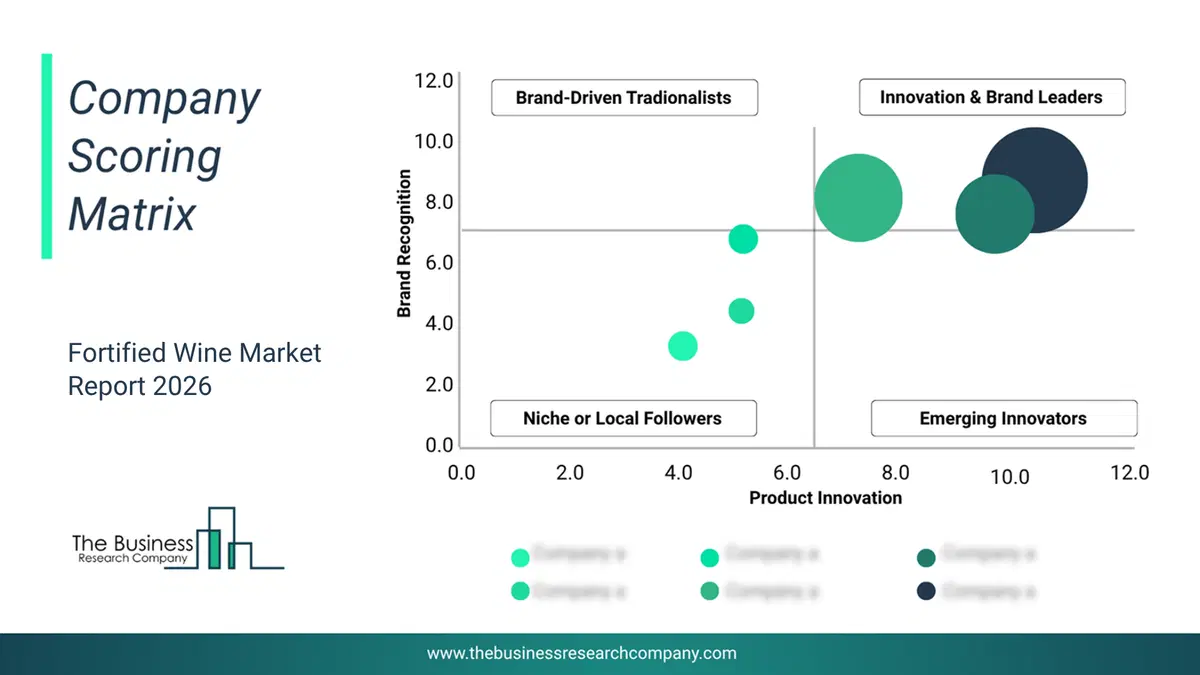
This chart maps companies by product innovation and brand strength, with bubble size indicating relative revenue, helping identify market leaders, challengers, and niche players. This is an illustrative chart; the full report provides a complete and accurate competitive analysis.
Global Fortified Wine Market Trends and Insights
Major companies are operating in the fortified wine market focusing on developing product innovations such as ultra-aged limited-edition Tawny Ports to offer premium, collectible, and unique wine experiences. Tawny Ports are fortified wines aged in oak casks for extended periods, allowing gradual oxidation and evaporation, which enhances complexity, richness, and nuanced flavors compared to standard ports. For instance, in April 2024, Graham’s Port, a Portugal-based fortified wine producer, launched the 50-Year-Old Tawny Port. The product is crafted from wines originally bottled in 1969, 1970, and 1973, matured in seasoned oak casks to develop concentrated flavors. It delivers aromas of orange blossom, fruitcake, toffee, and butterscotch, with a creamy, full-bodied palate featuring layered notes of nutmeg, cinnamon, and seasoned wood, providing a long, lingering finish and exceptional sensory complexity.What Are Latest Mergers And Acquisitions In The Fortified Wine Market?
In August 2024, Waud Wines, a UK-based company that sells a wide range of classic fine wines, acquired Handford Wines for an undisclosed amount. Through this acquisition, Waud Wines aims to expand its retail presence in London, enhance offerings with a renowned brand, and boost annual sales by leveraging Handford's expertise, diverse wine selection, and upgraded tasting environment. Handford Wines, a UK-based company, known for providing hand-selected wines and bespoke wine services, including fortified wines.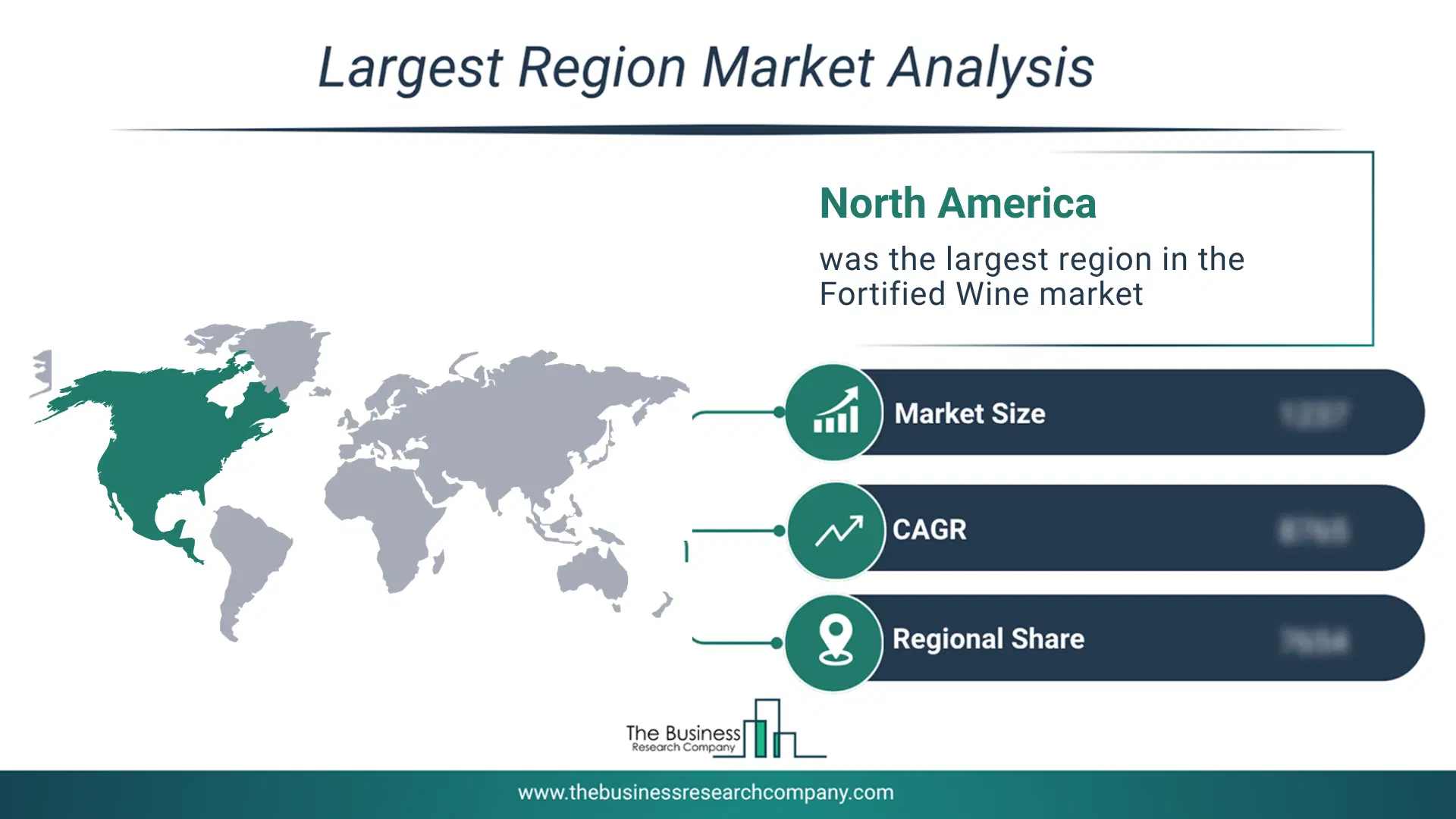
Regional Outlook
North America will be the largest region in the fortified wine market in 2025. Asia-Pacific is expected to be the fastest-growing region in the forecast period. The regions covered in this market report are Asia-Pacific, South East Asia, Western Europe, Eastern Europe, North America, South America, Middle East and Africa. The countries covered in this market report are Australia, Brazil, China, France, Germany, India, Indonesia, Japan, Taiwan, Russia, South Korea, UK, USA, Italy, Spain, CanadaWhat Defines the Fortified Wine Market?
The fortified wine market consists of sales of sherry, madeira, moscatel, and marsala. Values in this market are ‘factory gate’ values, that is the value of goods sold by the manufacturers or creators of the goods, whether to other entities (including downstream manufacturers, wholesalers, distributors and retailers) or directly to end customers. The value of goods in this market includes related services sold by the creators of the goods.How is Market Value Defined and Measured?
The market value is defined as the revenues that enterprises gain from the sale of goods and/or services within the specified market and geography through sales, grants, or donations in terms of the currency (in USD unless otherwise specified). The revenues for a specified geography are consumption values that are revenues generated by organizations in the specified geography within the market, irrespective of where they are produced. It does not include revenues from resales along the supply chain, either further along the supply chain or as part of other products.
This chart presents market attractiveness based on a quantitative evaluation of growth, competition, strategic alignment, and risk, offering a clear view of opportunity areas for decision-making. This chart is for illustrative purposes; the full report contains the complete analysis.

This chart highlights the Total Addressable Market (TAM) by estimating the maximum revenue opportunity using an assumption-driven approach, supporting strategic planning and opportunity sizing across markets. The chart is illustrative; the full report provides a more comprehensive analysis.
What Key Data and Analysis Are Included in the Fortified Wine Market Report 2026?
The fortified wine market research report is one of a series of new reports from The Business Research Company that provides market statistics, including industry global market size, regional shares, competitors with the market share, detailed market segments, market trends and opportunities, and any further data you may need to thrive in the fortified wine industry. The market research report delivers a complete perspective of everything you need, with an in-depth analysis of the current and future state of the industry.Fortified Wine Market Report Forecast Analysis
| Report Attribute | Details |
|---|---|
| Market Size Value In 2026 | $24.06 billion |
| Revenue Forecast In 2030 | $35.86 billion |
| Growth Rate | CAGR of 10.3% from 2026 to 2030 |
| Base Year For Estimation | 2025 |
| Actual Estimates/Historical Data | 2020-2025 |
| Forecast Period | 2026 - 2030 |
| Market Representation | Revenue in USD Billion and CAGR from 2026 to 2030 |
| Segments Covered | Product, Distribution Channel, Sales Channel |
| Regional Scope | Asia-Pacific, Western Europe, Eastern Europe, North America, South America, Middle East, Africa |
| Country Scope | The countries covered in the report are Australia, Brazil, China, France, Germany, India, Indonesia, Japan, Taiwan, Russia, South Korea, UK, USA, Canada, Italy, Spain. |
| Key Companies Profiled | Taylor Fladgate & Yeatman Vinhos S.A., Symington Family Estates Vinhos S.A., Sogevinus Fine Wines, Quinta do Noval, Niepoort Vinhos, Sogrape Vinhos S.A., Blandys Wine Lodge, Vinhos Barbeito, Henriques & Henriques, Emilio Hidalgo S.A., Bodegas Barbadillo S.L., Gonzalez Byass, Hidalgo La Gitana, Lustau, Curatolo Arini S.r.l., Cantine Florio, Lombardo S.p.A., Gancia S.p.A., Contratto S.r.l., Carpano, Atsby Vermouth |
| Customization Scope | Request for Customization |
| Pricing And Purchase Options | Explore Purchase Options |