
Insulated Panel System Market Report 2026
Global Outlook – By Type (Composite Panel Systems, Custom Panel Systems, Specialty Systems, High-Performance Systems, Eco-Friendly Systems), By Material (Polyurethane, Polyisocyanurate, Mineral Wool, Other Materials), By Application (Construction, Insulation, Industrial Application, Heating Ventilation And Air Conditioning, Building Facades), By End-User (Residential, Commercial, Industrial, Institutional) – Market Size, Trends, Strategies, and Forecast to 2030
Insulated Panel System Market Overview
• Insulated Panel System market size has reached to $24.63 billion in 2025 • Expected to grow to $34.23 billion in 2030 at a compound annual growth rate (CAGR) of 6.7% • Growth Driver: Increasing Construction Activities Fueling The Growth Of The Market Due To Rising Urbanization And Infrastructure Demand • Market Trend: New Insulation Panels Launched To Cut Embodied Carbon In Buildings • North America was the largest region and fastest growing region.Market Gains By 2030 – Top Opportunities By Segment
Market Gain identifies the most promising market opportunities by highlighting the segments or products expected to generate the highest incremental revenue growth over the next five years.
What Is Covered Under Insulated Panel System Market?
Insulated panel system refers to a modern construction technique that involves the use of prefabricated panels made by enclosing a rigid insulating core, such as polyurethane or polystyrene, between two durable outer layers, typically metal sheets. These panels are widely used in building envelopes due to their superior thermal insulation, structural strength, and ease of installation, which significantly reduces construction time and improves energy efficiency. The main types of insulated panel system are composite panel systems, custom panel systems, specialty systems, high-performance systems, and eco-friendly systems. A composite panel system refers to a multi-layered construction panel made by bonding different materials together to provide enhanced strength, insulation, and durability for various architectural and industrial applications. It includes materials such as polyurethane, polyisocyanurate, mineral wool, and others and finds applications in construction, insulation, industrial application, heating, ventilation and air conditioning, and building facades. The key end-users of these panel systems include residential, commercial, industrial, and institutional.
What Is The Insulated Panel System Market Size and Share 2026?
The insulated panel system market size has grown strongly in recent years. It will grow from $24.63 billion in 2025 to $26.37 billion in 2026 at a compound annual growth rate (CAGR) of 7.1%. The growth in the historic period can be attributed to rising demand for energy-efficient panels, increasing use of prefabricated building solutions, growth in cold storage and industrial construction, adoption of fire-resistant and acoustic panels, expansion of modular insulated applications.What Is The Insulated Panel System Market Growth Forecast?
The insulated panel system market size is expected to see strong growth in the next few years. It will grow to $34.23 billion in 2030 at a compound annual growth rate (CAGR) of 6.7%. The growth in the forecast period can be attributed to increasing integration of smart panel technologies, rising use of eco-friendly and recyclable materials, growth in high-performance building envelopes, adoption of advanced thermal insulation solutions, expansion of cleanroom and specialized industrial applications. Major trends in the forecast period include development of high-performance insulated panels, implementation of smart panel monitoring systems, adoption of AI-based thermal efficiency analysis, expansion of modular insulated panel systems, growth of eco-friendly panel materials.
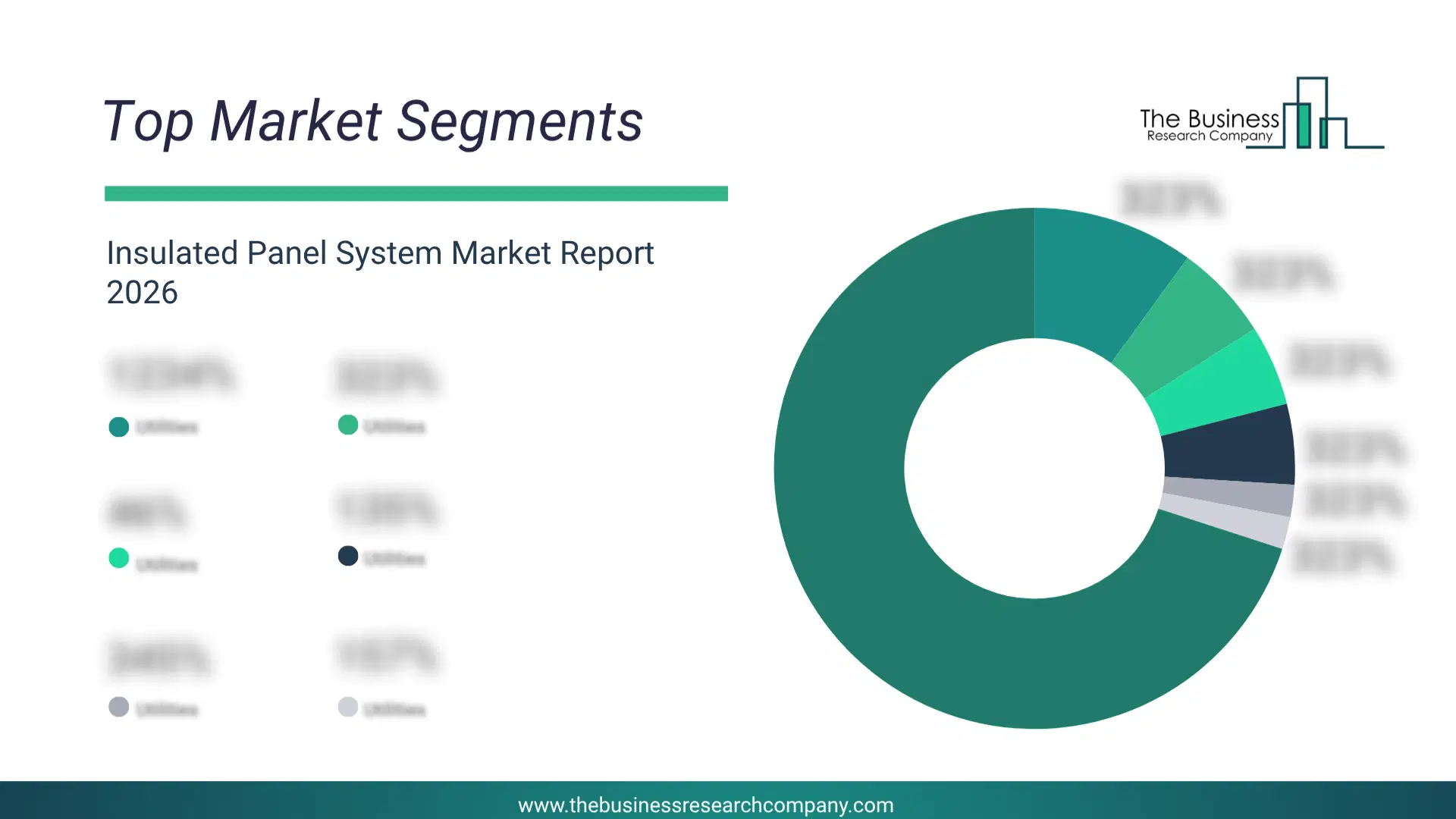
Global Insulated Panel System Market Segmentation
1) By Type: Composite Panel Systems, Custom Panel Systems, Specialty Systems, High-Performance Systems, Eco-Friendly Systems 2) By Material: Polyurethane, Polyisocyanurate, Mineral Wool, Other Materials 3) By Application: Construction, Insulation, Industrial Application, Heating Ventilation And Air Conditioning, Building Facades 4) By End-User: Residential, Commercial, Industrial, Institutional Subsegments: 1) By Composite Panel System: Metal-Faced Composite Panels, Aluminum Composite Panels, Fiberglass Composite Panels 2) By Custom Panel System: Size-Specific Panels, Aesthetic Design Panels, Function-Specific Insulated Panels 3) By Specialty System: Fire-Resistant Panels, Acoustic Insulated Panels, Anti-Bacterial Panels 4) By High-Performance System: High Thermal Efficiency Panels, Structural Insulated Panels (SIPs), Impact-Resistant Panels 5) By Eco-Friendly System: Recyclable Material Panels, Bio-Based Insulated Panels, Low-Emission Panels The top segments in the robot cars and trucks market will be: • Passenger Vehicles will reach $0.73 Billion by 2030. • Heavy Commercial Vehicles will reach $0.46 Billion by 2030. • Light Commercial Vehicles will reach $0.35 Billion by 2030. The top segments in the insulated panel system market will be: • Composite Panel Systems will reach $13.02 Billion by 2030. • Custom Panel Systems will reach $6.56 Billion by 2030. • High-Performance Systems will reach $5.99 Billion by 2030. • Specialty Systems will reach $5.18 Billion by 2030. • Eco-Friendly Systems will reach $4 Billion by 2030.What Is The Driver Of The Insulated Panel System Market?
The increasing construction activities are expected to propel the growth of the insulated panel system market going forward. Construction activities refer to the processes involved in building, repairing, or altering structures such as buildings, roads, bridges, and other infrastructure. The rising construction activities are due to urbanization, as increasing population concentration in cities creates a higher demand for residential, commercial, and infrastructure development. Insulated panel system supports construction activities by offering high thermal efficiency and quick installation, making them ideal for commercial, industrial, and cold storage buildings. They enhance structural performance while reducing energy consumption and construction time, improving overall project efficiency. For instance, in April 2025, according to the United States Census Bureau, a US-based government agency, the US construction spending reached $2,156,495 million in 2024, an increase from $2,023,662 million in 2023. Therefore, the increasing construction activities are driving the growth of the insulated panel system industry.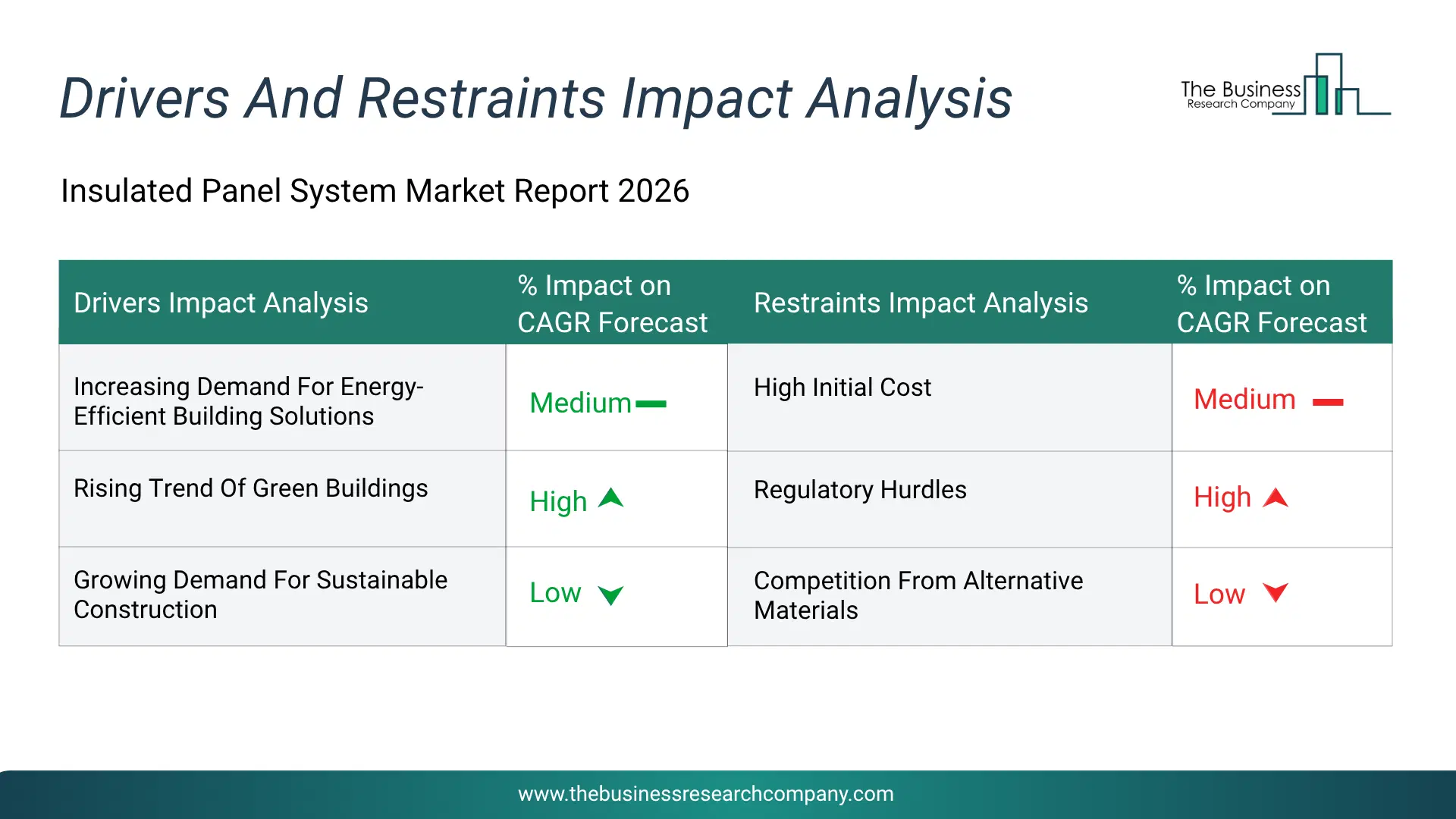
Infographic Chart Showing Key Market Drivers Analysis And Restraints For Insulated Panel System Market
The chart presents an impact analysis of key drivers and restraints, quantifying their relative influence on the market's growth rate and helping assess the balance between growth enablers and limiting factors. This chart offers a high-level perspective; the full report contains more detailed insights.
How Will The Drivers Impact Growth In The Global Insulated Panel System Market?
• Increasing Demand For Energy-Efficient Building Solutions (Medium) – During the forecast period, the increasing demand for energy-efficient building solutions is expected to become a key growth driver for the insulated panel system market by 2030. The rising need for energy-efficient buildings is a major driver for the insulated panel system market because these panels provide superior thermal insulation, reducing heat transfer and minimizing energy consumption. Their prefabricated structure ensures airtight construction, which significantly lowers heating and cooling requirements in residential, commercial, and industrial buildings. As energy costs continue to rise, builders and developers increasingly prefer solutions that can deliver long-term operational savings. Insulated panels also help meet strict energy performance standards and building codes, making them a practical choice in modern construction. Their ability to maintain consistent indoor temperatures enhances occupant comfort while reducing reliance on HVAC systems. Additionally, faster installation reduces construction timelines, indirectly saving energy during project execution. This combination of efficiency, cost savings, and regulatory compliance strengthens their demand across global construction activities. • Rising Trend Of Green Buildings (High) – During the forecast period, the rising trend of green buildings is expected to emerge as a major factor driving the expansion of the insulated panel system market by 2030. The growing adoption of green building practices is accelerating the demand for insulated panel systems, as they align well with sustainability objectives and certification requirements. These panels contribute to reduced carbon emissions by improving building energy performance and lowering overall resource consumption. Developers aiming for green certifications increasingly incorporate insulated panels to meet environmental benchmarks related to insulation and energy efficiency. The use of such systems also supports reduced material waste due to their prefabricated nature, enhancing construction sustainability. Furthermore, insulated panels can be integrated into eco-conscious designs without compromising structural strength or aesthetics. Governments and regulatory bodies promoting sustainable construction further encourage their adoption through incentives and policies. • Growing Demand For Sustainable Construction (Low) – During the forecast period, the growing demand for sustainable construction is expected to act as a key growth catalyst for the insulated panel system market by 2030. The broader shift toward sustainable construction practices is driving the adoption of insulated panel systems due to their efficient use of materials and long lifecycle performance. These systems reduce on-site waste and construction inefficiencies because they are manufactured in controlled environments and installed quickly. Their durability and low maintenance requirements contribute to reduced environmental impact over the building’s lifespan. Insulated panels also support the use of recyclable and eco-friendly materials, aligning with circular economy principles. As construction stakeholders prioritize reducing carbon footprints, such systems offer a practical solution for balancing performance and sustainability. In addition, their ability to enhance building envelope efficiency directly contributes to long-term environmental benefits. This growing emphasis on sustainability across infrastructure projects is significantly propelling the demand for insulated panel systems.How Will The Restraints Impact Growth In The Global Insulated Panel System Market?
• High Initial Cost (Medium) – During the forecast period, the high initial cost acts as a significant restraint for the insulated panel system market because the upfront investment required for materials, specialized manufacturing, and installation is relatively higher than traditional construction methods. This cost sensitivity becomes a major barrier, especially for small and mid-scale developers operating under tight budgets. Although insulated panels offer long-term energy savings, many end users prioritize immediate cost considerations over lifecycle benefits. Additionally, the need for skilled labor and transportation of prefabricated panels further increases project expenses. In price-sensitive markets, this discourages widespread adoption and slows market penetration. The perception of higher capital expenditure often limits decision-making in favor of conventional materials. As a result, despite performance advantages, the high initial investment continues to restrict market growth. • Regulatory Hurdles (High) – During the forecast period, the regulatory hurdles restrain the insulated panel system market by creating complexities in compliance with varying building codes, fire safety standards, and certification requirements across regions. Different countries and local authorities impose strict guidelines on insulation materials, structural performance, and environmental impact, making standardization difficult for manufacturers. Obtaining approvals and certifications can be time-consuming and costly, delaying project timelines and increasing administrative burdens. In some cases, lack of clear regulations or inconsistent policies further creates uncertainty among developers and investors. These challenges can discourage the adoption of newer panel technologies, particularly in emerging markets with evolving regulatory frameworks. Manufacturers must continuously adapt products to meet diverse standards, increasing operational complexity. Consequently, regulatory constraints slow down innovation and limit the scalability of insulated panel systems. • Competition From Alternative Materials (Low) – During the forecast period, the competition from alternative materials acts as a restraint by limiting the adoption of insulated panel systems in favor of more traditional or cost-effective construction options. Materials such as brick, concrete, glass wool insulation, and other conventional systems are widely available, familiar to contractors, and often perceived as more economical. These alternatives benefit from established supply chains and lower initial costs, making them attractive in budget-driven projects. Additionally, some alternatives offer flexibility in design and on-site customization, which can appeal to certain construction requirements. The strong market presence and long-standing trust in traditional materials create resistance to switching to insulated panels. In regions where awareness of advanced panel systems is limited, this competition becomes even more pronounced. As a result, the availability and acceptance of substitute materials continue to hinder the growth of the insulated panel system market.Key Players In The Global Insulated Panel System Market
Major companies operating in the insulated panel system market are ArcelorMittal S.A., Nucor Corporation, Mitsubishi Chemical Group Corporation, Tata Steel Limited, Dana Group, Kingspan Group plc, Rautaruukki Oyj, Paroc Group, Assan Panel A.S., Balex Metal Sp. z o.o., Multicolor Steels Pvt. Ltd., Euroclad Group Limited, Aludecor Lamination Pvt. Ltd., Tonmat Group, Metecno Group, Alucoil S.A., Alstrong Enterprises India Private Limited, Isopan S.p.A., Romakowski GmbH And Co. KG, Lattonedil S.p.A., Alubel SpA, Arpanel Sp. z o.o.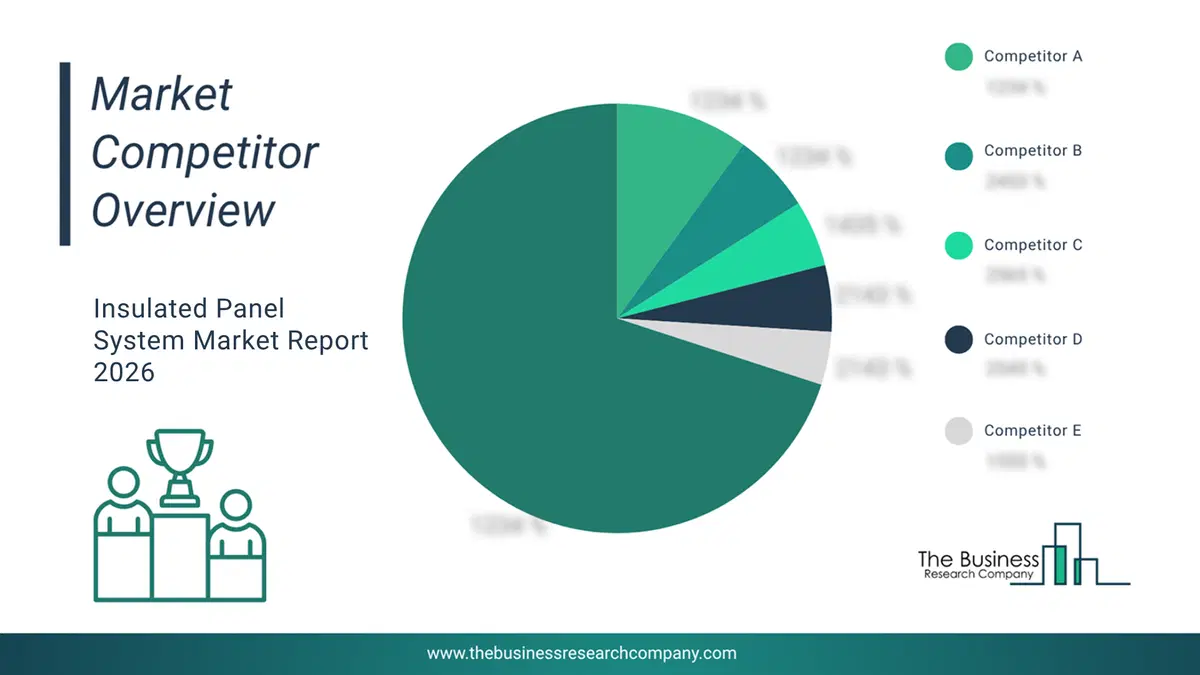
This chart is for illustrative purposes; the full report includes a detailed competitor analysis and comprehensive overview of the top 10 companies in the market.
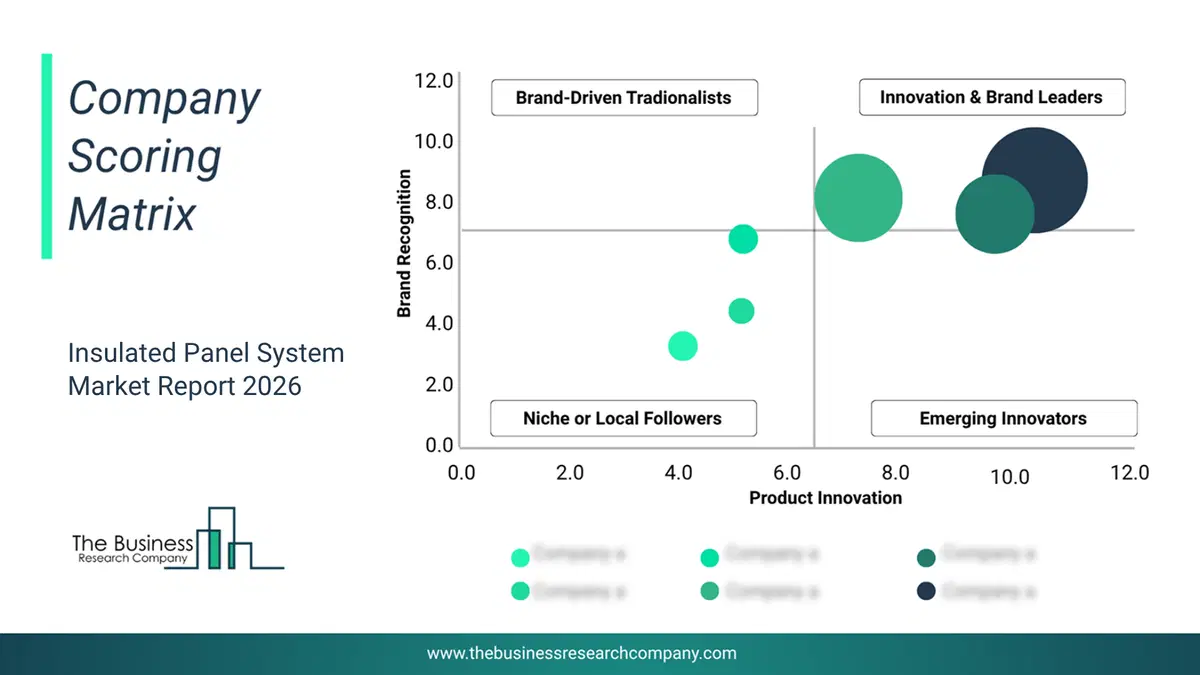
This chart maps companies by product innovation and brand strength, with bubble size indicating relative revenue, helping identify market leaders, challengers, and niche players. This is an illustrative chart; the full report provides a complete and accurate competitive analysis.
Global Insulated Panel System Market Trends and Insights
Major companies operating in the insulated panel system market are focusing on developing advanced products, such as low-carbon insulation solutions, to enhance sustainability, improve energy efficiency, and reduce the environmental impact of buildings. Low-carbon insulation panels refer to innovative construction materials designed to minimize embodied carbon while maintaining high thermal performance. For instance, in January 2023, Kingspan Group plc, an Ireland-based building materials company, launched new insulation panels for buildings. These panels utilize a groundbreaking foam core technology that significantly reduces embodied carbon by up to 44% compared to traditional offerings, without compromising on thermal efficiency or structural integrity. These products also incorporate recycled content and renewable energy in their production, aligning with circular economy principles. This development supports the construction industry in meeting stringent carbon reduction targets while maintaining high-performance building standards.What Are Latest Mergers And Acquisitions In The Insulated Panel System Market?
In May 2024, ArcelorMittal S.A., a Luxembourg-based steel manufacturing company, acquired Italpannelli S.r.l. for an undisclosed amount. With this acquisition, ArcelorMittal seeks to grow its insulated panel business, enhance its European presence, tap into key sectors, and improve efficiency and cost-effectiveness. Italpannelli S.r.l. is an Italy-based manufacturing company specializing in the design and production of insulating sandwich panels for roofs and facades.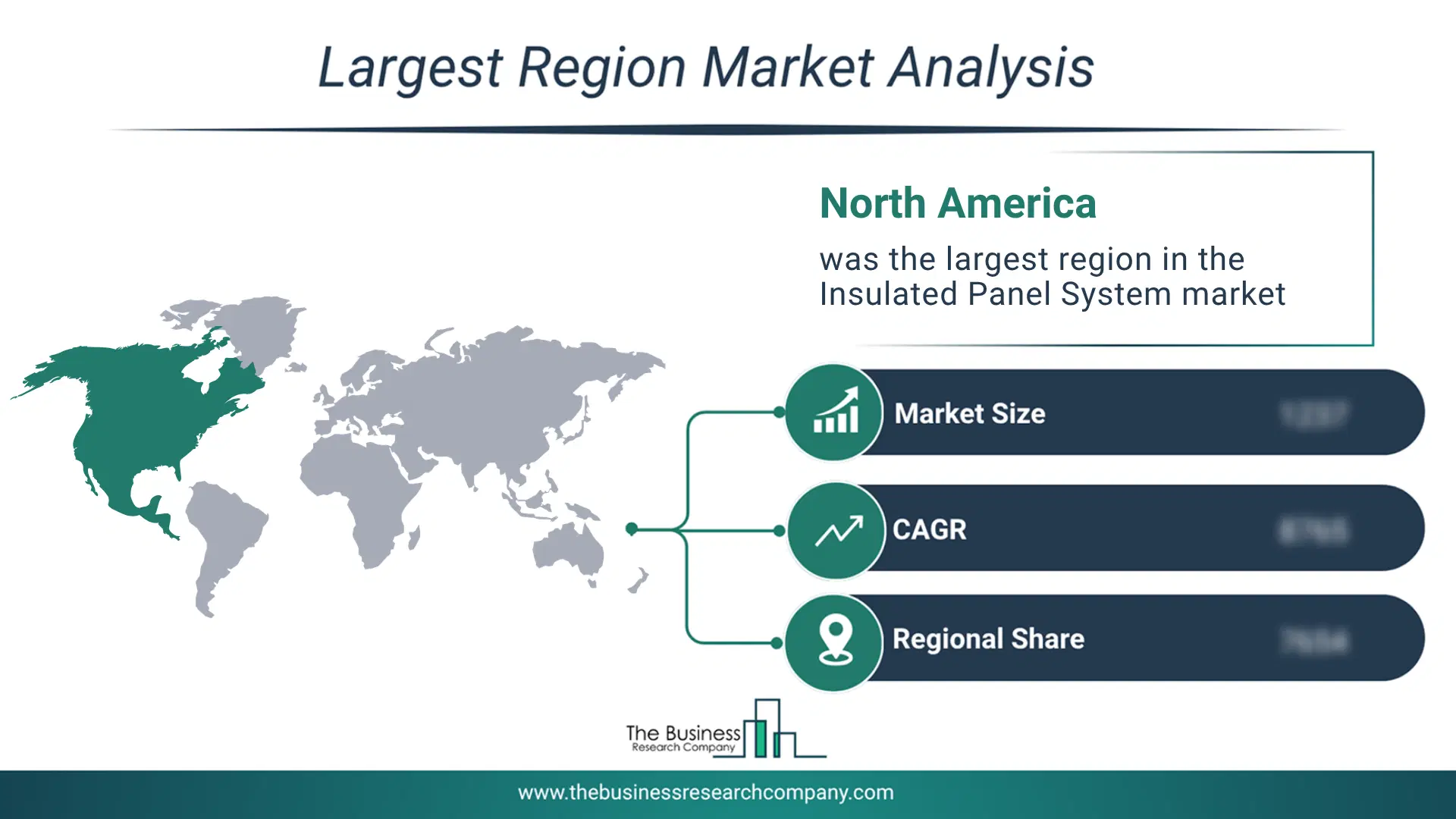
Regional Insights
North America was the largest region in the insulated panel system market in 2025. Asia-Pacific is expected to be the fastest-growing region in the forecast period. The regions covered in this market report are Asia-Pacific, South East Asia, Western Europe, Eastern Europe, North America, South America, Middle East, Africa. The countries covered in this market report are Australia, Brazil, China, France, Germany, India, Indonesia, Japan, Taiwan, Russia, South Korea, UK, USA, Canada, Italy, Spain.What Defines the Insulated Panel System Market?
The insulated panel system market consists of sales of insulated wall panels, insulated roof panels, cleanroom panels, cold storage panels, and fire-resistant insulated panels. Values in this market are ‘factory gate’ values, that is, the value of goods sold by the manufacturers or creators of the goods, whether to other entities (including downstream manufacturers, wholesalers, distributors, and retailers) or directly to end customers. The value of goods in this market includes related services sold by the creators of the goods.How is Market Value Defined and Measured?
The market value is defined as the revenues that enterprises gain from the sale of goods and/or services within the specified market and geography through sales, grants, or donations in terms of the currency (in USD unless otherwise specified). The revenues for a specified geography are consumption values that are revenues generated by organizations in the specified geography within the market, irrespective of where they are produced. It does not include revenues from resales along the supply chain, either further along the supply chain or as part of other products.
This chart presents market attractiveness based on a quantitative evaluation of growth, competition, strategic alignment, and risk, offering a clear view of opportunity areas for decision-making. This chart is for illustrative purposes; the full report contains the complete analysis.

This chart highlights the Total Addressable Market (TAM) by estimating the maximum revenue opportunity using an assumption-driven approach, supporting strategic planning and opportunity sizing across markets. The chart is illustrative; the full report provides a more comprehensive analysis.
What Key Data and Analysis Are Included in theInsulated Panel System Market Report 2026?
The insulated panel system market research report is one of a series of new reports from The Business Research Company that provides market statistics, including industry global market size, regional shares, competitors with the market share, detailed market segments, market trends and opportunities, and any further data you may need to thrive in the insulated panel system industry. The market research report delivers a complete perspective of everything you need, with an in-depth analysis of the current and future state of the industry.Insulated Panel System Market Report Forecast Analysis
| Report Attribute | Details |
|---|---|
| Market Size Value In 2026 | $26.37 billion |
| Revenue Forecast In 2030 | $34.23 billion |
| Growth Rate | CAGR of 7.1% from 2026 to 2030 |
| Base Year For Estimation | 2025 |
| Actual Estimates/Historical Data | 2020-2025 |
| Forecast Period | 2026 - 2030 |
| Market Representation | Revenue in USD Billion and CAGR from 2026 to 2030 |
| Segments Covered | Type, Material, Application, End-User |
| Regional Scope | Asia-Pacific, Western Europe, Eastern Europe, North America, South America, Middle East, Africa |
| Country Scope | The countries covered in the report are Australia, Brazil, China, France, Germany, India, Indonesia, Japan, Taiwan, Russia, South Korea, UK, USA, Canada, Italy, Spain. |
| Key Companies Profiled | ArcelorMittal S.A., Nucor Corporation, Mitsubishi Chemical Group Corporation, Tata Steel Limited, Dana Group, Kingspan Group plc, Rautaruukki Oyj, Paroc Group, Assan Panel A.S., Balex Metal Sp. z o.o., Multicolor Steels Pvt. Ltd., Euroclad Group Limited, Aludecor Lamination Pvt. Ltd., Tonmat Group, Metecno Group, Alucoil S.A., Alstrong Enterprises India Private Limited, Isopan S.p.A., Romakowski GmbH And Co. KG, Lattonedil S.p.A., Alubel SpA, Arpanel Sp. z o.o. |
| Customization Scope | Request for Customization |
| Pricing And Purchase Options | Explore Purchase Options |