
Biosimilars Market Report 2026
Global Outlook – By Type (Monoclonal Antibodies, Insulin, Erythropoietin, Granulocyte-Colony Stimulating Factor, Other Hormones), By Protein Type (Recombinant Non-glycosylated Proteins, Recombinant Glycosylated Proteins), By Application (Oncology, Chronic And Autoimmune Diseases, Growth Hormone Deficiency, Infectious Diseases, Other Applications) – Market Size, Trends, Strategies, and Forecast to 2030
Biosimilars Market Overview
• Biosimilars market size has reached to $21.85 billion in 2025 • Expected to grow to $48.52 billion in 2030 at a compound annual growth rate (CAGR) of 17.4% • Growth Driver: Rising Healthcare Expenditures Fueling Growth In The Biosimilars Market • Market Trend: Innovative Biosimilar FYLNETRA By Amneal Pharmaceuticals Targets Neutropenia In Cancer Patients • North America was the largest region in 2025 and Middle East is the fastest growing region.What Is Covered Under Biosimilars Market?
Biosimilars are medications made from living things, though they can be made in a variety of ways and with slightly different materials. Due to the intricacy and high cost of their creation, as well as their molecular size and structure, biosimilars are fundamentally distinct from generic drugs. The main types of biosimilars are human growth hormone, erythropoietin, monoclonal antibodies, insulin, interferon, granulocyte-colony stimulating factor, and others. Erythropoietin is a hormone produced by the kidneys to stimulate the production and maintenance of vital red blood cells. The various products include recombinant non-glycosylated proteins and recombinant glycosylated proteins that are used for the treatment of oncology, chronic and autoimmune diseases, growth hormone deficiency, infectious diseases, and others.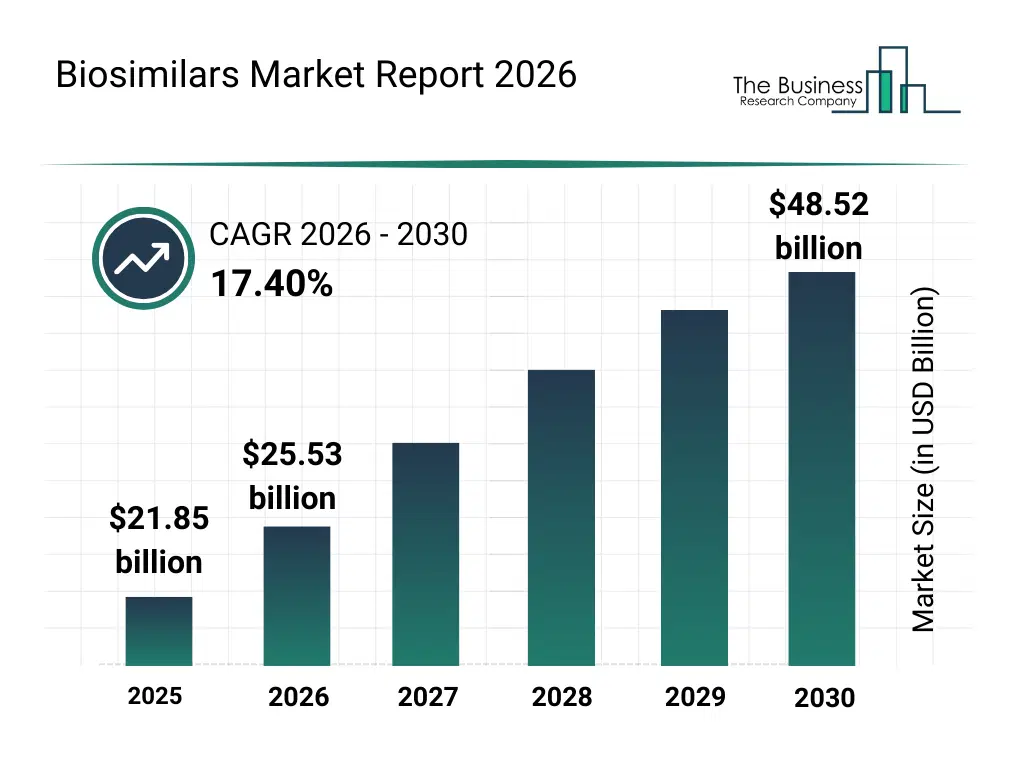
What Is The Biosimilars Market Size and Share 2026?
The biosimilars market size has grown rapidly in recent years. It will grow from $21.85 billion in 2025 to $25.53 billion in 2026 at a compound annual growth rate (CAGR) of 16.9%. The growth in the historic period can be attributed to rising prevalence of chronic and autoimmune diseases, high cost of originator biologics, increasing demand for cost-effective therapies, advancements in biopharmaceutical R&D, growing healthcare infrastructure in emerging economies.What Is The Biosimilars Market Growth Forecast?
The biosimilars market size is expected to see rapid growth in the next few years. It will grow to $48.52 billion in 2030 at a compound annual growth rate (CAGR) of 17.4%. The growth in the forecast period can be attributed to patent expirations of blockbuster biologics, increasing adoption of biosimilars in oncology and autoimmune therapy, government incentives and supportive policies, expansion of manufacturing capabilities in asia-pacific, growing partnerships between biopharma companies and contract manufacturing organizations. Major trends in the forecast period include personalized biosimilar development, cost-effective biologics manufacturing, regulatory harmonization and compliance, expansion of emerging markets for biosimilars, strategic collaborations and partnerships.
Global Biosimilars Market Segmentation
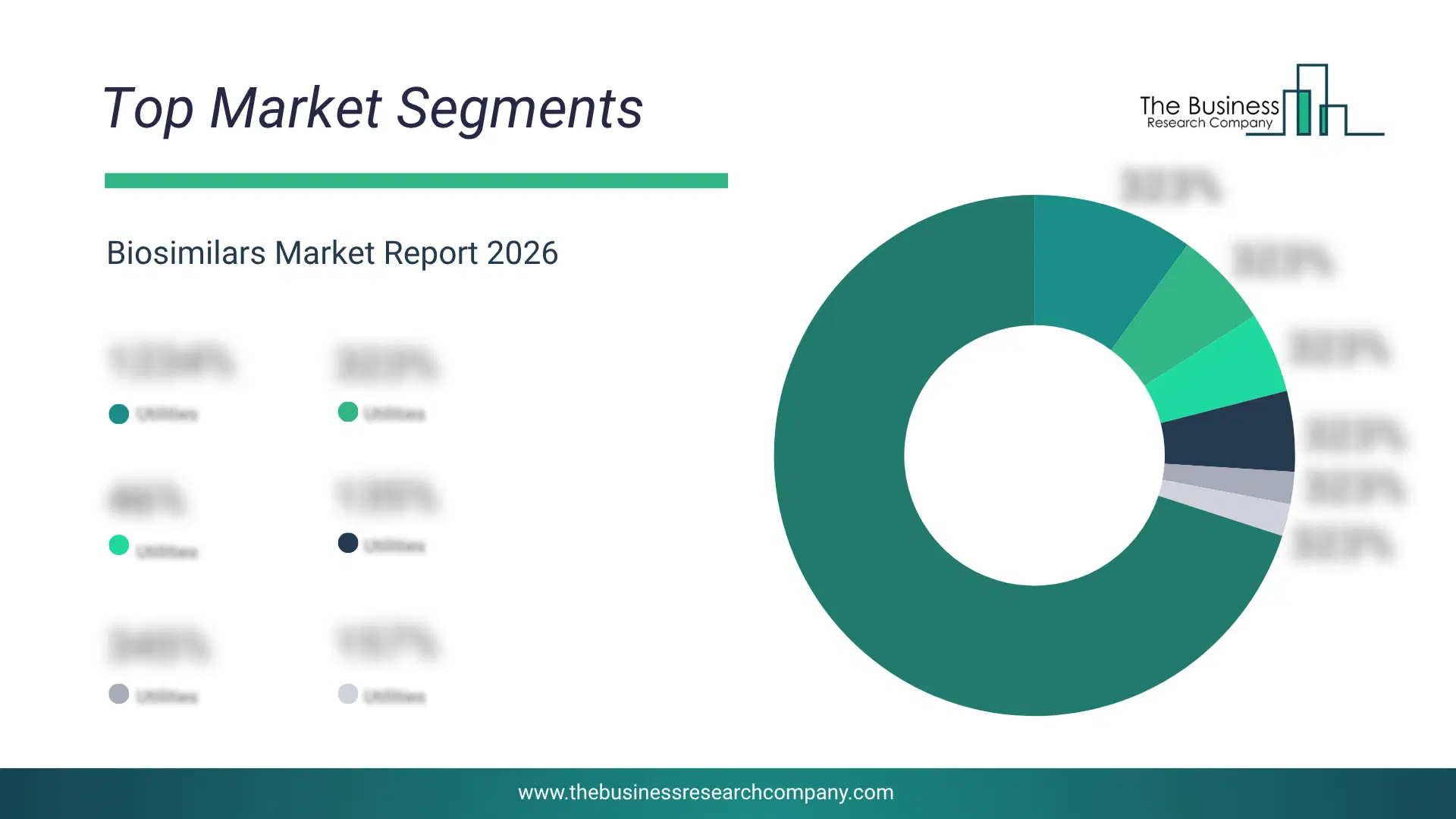
1) By Type: Monoclonal Antibodies, Insulin, Erythropoietin, Granulocyte-Colony Stimulating Factor, Other Hormones 2) By Protein Type: Recombinant Non-glycosylated Proteins, Recombinant Glycosylated Proteins 3) By Application: Oncology, Chronic And Autoimmune Diseases, Growth Hormone Deficiency, Infectious Diseases, Other Applications Subsegments: 1) By Monoclonal Antibodies: IgG Biosimilars, Non-IgG Biosimilars 2) By Insulin: Rapid-Acting Insulin Biosimilars, Long-Acting Insulin Biosimilars, Premixed Insulin Biosimilars 3) By Erythropoietin: Epoetin Alfa Biosimilars, Darbepoetin Alfa Biosimilars 4) By Granulocyte-Colony Stimulating Factor (G-CSF): Filgrastim Biosimilars, Pegfilgrastim Biosimilars 5) By Other Hormones: Growth Hormones, Hormonal Replacement Therapy BiosimilarsWhat Is The Driver Of The Biosimilars Market?
The increasing healthcare expenditures are expected to propel the growth of the biosimilars market going forward. Healthcare expenditures refer to the total spending on healthcare goods and services within a given population or healthcare system. The biosimilar market helps reduce healthcare expenditures by offering more cost-effective alternatives to expensive biologic drugs, thereby lowering treatment costs for patients and healthcare systems. For instance, in March 2024, according to the Health Foundation, a UK-based independent charity and think tank, in the last confirmed year of spending data, 2022/23, total health expenditures in England reached £182 billion ($196.78 billion). While planned health spending is set to rise to £192 billion ($207.59 billion) in 2024/25, inflation will result in only a modest real-term increase of 0.6% compared to the 2023/24 fiscal year. Therefore, increasing healthcare expenditures are driving the growth of the biosimilars industry.Key Players In The Global Biosimilars Market
Major companies operating in the biosimilars market are Amgen, Novartis AG, Samsung Bioepis Co. Ltd., Viatris, Celltrion Inc., Coherus Biosciences, Eli Lilly and Company, Dr. Reddy's Laboratories, Roche India Pvt Ltd, Abbott India Limited, Wuxi Biologics, Shanghai Henlius Biotech, Innovent Biologics, Hisun Pharma, 3SBio, Beijing ShuangLu Pharmaceuticals, Qilu Pharmaceutical, Kyowa Hakko Kirin, Takeda, Mitsubishi Tanabe, AGC Biologics, Bio-Thera, Sandoz Pty Ltd, Apotex Pty Ltd, Cadila Pharmaceuticals, BiosanaPharma, GlaxoSmithKline, AstraZeneca, Bayer, Merck, Boehringer Ingelheim, Sanofi, Fresenius Kabi, Napp Pharmaceuticals, Mundipharma Deutschland GmbH & Co. KG, Geropharm, Valenta, NovaMedica, SynBio, Rani Therapeutics, Johnson & Johnson, Biogen Inc., Aché, Eurofarma, Teva Pharmaceuticals, Oramed Pharmaceuticals, Entera Bio, Julphar, Hikma Pharmaceuticals, BIOPHARMA-MEA, NeoTX, AID Genomics Limited, Altis Biologics, Cipla Medpro South Africa, Next Biosciences, Viome, Inqaba Biotechnical Industries (Pty)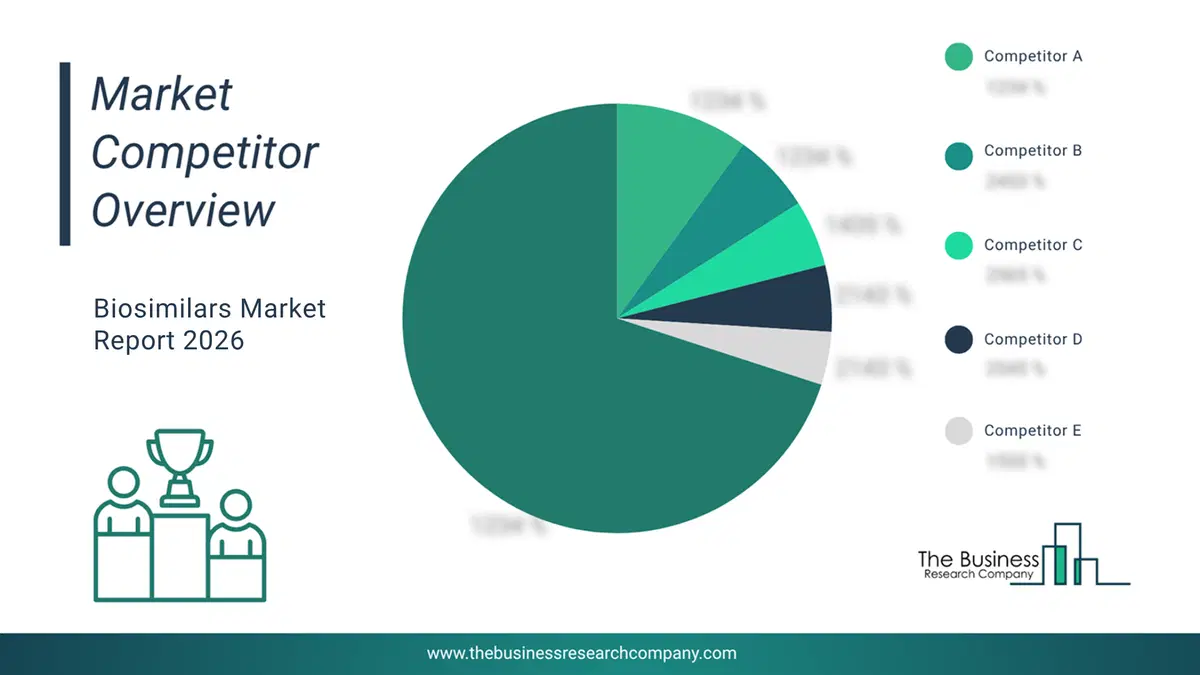
This chart is for illustrative purposes; the full report includes a detailed competitor analysis and comprehensive overview of the top 10 companies in the market.
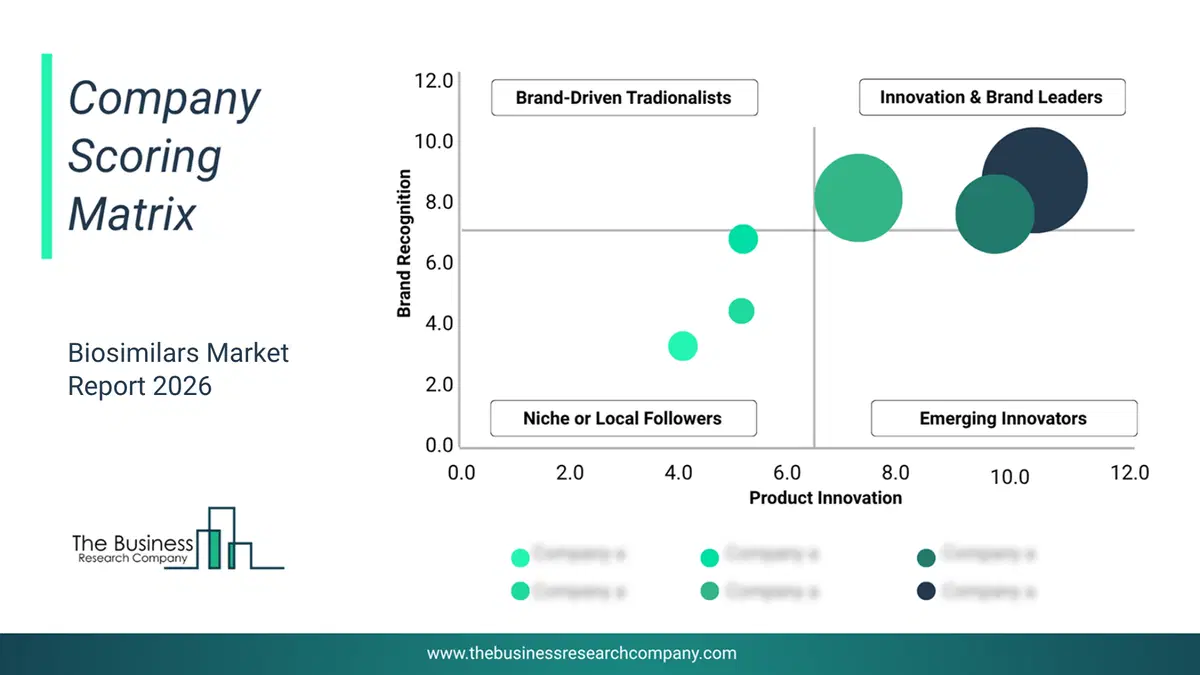
This chart maps companies by product innovation and brand strength, with bubble size indicating relative revenue, helping identify market leaders, challengers, and niche players. This is an illustrative chart; the full report provides a complete and accurate competitive analysis.
Global Biosimilars Market Trends and Insights
Major companies in the biosimilars market focus on developing innovative products to gain a competitive edge in the market. FYLNETRA is a leukocyte growth factor indicated to decrease the incidence of infection, as manifested by febrile neutropenia, in patients with non-myeloid malignancies receiving myelosuppressive anti-cancer drugs associated with a clinically significant incidence of febrile neutropenia. For instance, in May 2023, Amneal Pharmaceuticals Inc., a US-based pharmaceutical company, launched the commercial launch of FYLNETRA (pegfilgrastim-pbbk), a biosimilar referencing Neulasta in a pre-filled single-dose syringe. FYLNETRA is used to treat neutropenia (low neutrophils, which are a type of white blood cells that fight infection), which is commonly experienced by patients undergoing chemotherapy.What Are Latest Mergers And Acquisitions In The Biosimilars Market?
In January 2024, Sandoz, a Switzerland-based pharmaceutical company, acquired the CIMERLI (ranibizumab) biosimilar business from Coherus BioSciences for an undisclosed amount. With this acquisition, Sandoz aims to strengthen its ophthalmic biosimilar portfolio and expand its commercial presence in the U.S. market. Coherus BioSciences is a US-based biotechnology company that develops and markets biosimilars and innovative biologic therapies.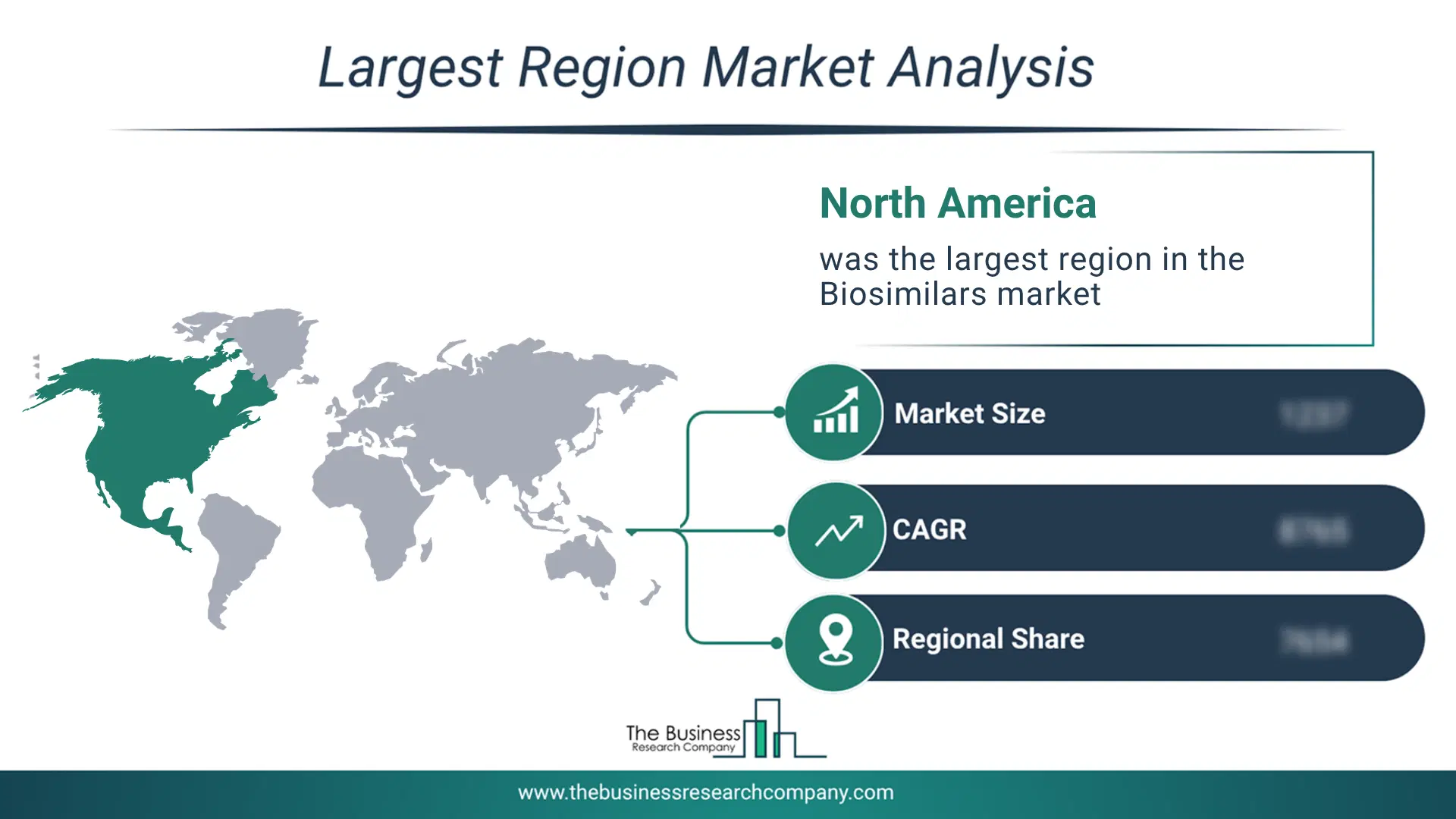
Regional Insights
North America was the largest region in the global biosimilars market in 2025. Middle East is expected to be the fastest-growing region in the forecast period. The regions covered in this market report are Asia-Pacific, South East Asia, Western Europe, Eastern Europe, North America, South America, Middle East, Africa. The countries covered in this market report are Australia, Brazil, China, France, Germany, India, Indonesia, Japan, Taiwan, Russia, South Korea, UK, USA, Canada, Italy, Spain.What Defines the Biosimilars Market?
The biosimilars market consists of sales of binocrit, epoetin alfa hexal, and abseamed. Values in this market are factory gate values, that is the value of goods sold by the manufacturers or creators of the goods, whether to other entities (including downstream manufacturers, wholesalers, distributors, and retailers) or directly to end customers. The value of goods in this market includes related services sold by the creators of the goods.How is Market Value Defined and Measured?
The market value is defined as the revenues that enterprises gain from the sale of goods and/or services within the specified market and geography through sales, grants, or donations in terms of the currency (in USD unless otherwise specified). The revenues for a specified geography are consumption values that are revenues generated by organizations in the specified geography within the market, irrespective of where they are produced. It does not include revenues from resales along the supply chain, either further along the supply chain or as part of other products.
This chart presents market attractiveness based on a quantitative evaluation of growth, competition, strategic alignment, and risk, offering a clear view of opportunity areas for decision-making. This chart is for illustrative purposes; the full report contains the complete analysis.

This chart highlights the Total Addressable Market (TAM) by estimating the maximum revenue opportunity using an assumption-driven approach, supporting strategic planning and opportunity sizing across markets. The chart is illustrative; the full report provides a more comprehensive analysis.
What Key Data and Analysis Are Included in the Biosimilars Market Report 2026?
The biosimilars market research report is one of a series of new reports from The Business Research Company that provides market statistics, including industry global market size, regional shares, competitors with the market share, detailed market segments, market trends and opportunities, and any further data you may need to thrive in the biosimilars industry. The market research report delivers a complete perspective of everything you need, with an in-depth analysis of the current and future state of the industry.Biosimilars Market Report Forecast Analysis
| Report Attribute | Details |
|---|---|
| Market Size Value In 2026 | $25.53 billion |
| Revenue Forecast In 2030 | $48.52 billion |
| Growth Rate | CAGR of 16.9% from 2026 to 2030 |
| Base Year For Estimation | 2025 |
| Actual Estimates/Historical Data | 2020-2025 |
| Forecast Period | 2026 - 2030 |
| Market Representation | Revenue in USD Billion and CAGR from 2026 to 2030 |
| Segments Covered | Type, Protein Type, Application |
| Regional Scope | Asia-Pacific, Western Europe, Eastern Europe, North America, South America, Middle East, Africa |
| Country Scope | The countries covered in the report are Australia, Brazil, China, France, Germany, India, Indonesia, Japan, Taiwan, Russia, South Korea, UK, USA, Canada, Italy, Spain. |
| Key Companies Profiled | Amgen, Novartis AG, Samsung Bioepis Co. Ltd., Viatris, Celltrion Inc., Coherus Biosciences, Eli Lilly and Company, Dr. Reddy's Laboratories, Roche India Pvt Ltd, Abbott India Limited, Wuxi Biologics, Shanghai Henlius Biotech, Innovent Biologics, Hisun Pharma, 3SBio, Beijing ShuangLu Pharmaceuticals, Qilu Pharmaceutical, Kyowa Hakko Kirin, Takeda, Mitsubishi Tanabe, AGC Biologics, Bio-Thera, Sandoz Pty Ltd, Apotex Pty Ltd, Cadila Pharmaceuticals, BiosanaPharma, GlaxoSmithKline, AstraZeneca, Bayer, Merck, Boehringer Ingelheim, Sanofi, Fresenius Kabi, Napp Pharmaceuticals, Mundipharma Deutschland GmbH & Co. KG, Geropharm, Valenta, NovaMedica, SynBio, Rani Therapeutics, Johnson & Johnson, Biogen Inc., Aché, Eurofarma, Teva Pharmaceuticals, Oramed Pharmaceuticals, Entera Bio, Julphar, Hikma Pharmaceuticals, BIOPHARMA-MEA, NeoTX, AID Genomics Limited, Altis Biologics, Cipla Medpro South Africa, Next Biosciences, Viome, Inqaba Biotechnical Industries (Pty) |
| Customization Scope | Request for Customization |
| Pricing And Purchase Options | Explore Purchase Options |