
Blood Based Biomarkers Market Report 2026
Global Outlook – By Type (Genetic Biomarkers, Protein Biomarkers, Metabolic Biomarkers, Cell-Based Biomarkers, Epigenetic Biomarkers), By Technology (Next-Generation Sequencing, Polymerase Chain Reaction, Immunoassays, Mass Spectrometry, Other Technologies), By Application (Cancer, Cardiovascular Diseases, Neurological Diseases, Immunological Diseases, Other Applications), By End Users (Hospitals And Clinics, Diagnostic Laboratories, Research And Academic Institutes, Other End Users) – Market Size, Trends, Strategies, and Forecast to 2030
Blood Based Biomarkers Market Overview
• Blood Based Biomarkers market size has reached to $25.83 billion in 2025 • Expected to grow to $45.5 billion in 2030 at a compound annual growth rate (CAGR) of 12% • Growth Driver: Growing Cardiovascular Disease Cases Fueling The Growth Of The Market Due To Rising Need For Early Diagnosis And Monitoring • Market Trend: High-Precision Biomarker Tests For Early Disease Detection • North America was the largest region in 2025 and Asia-Pacific is the fastest growing region.Market Gains By 2030 – Top Opportunities By Segment
Market Gain identifies the most promising market opportunities by highlighting the segments or products expected to generate the highest incremental revenue growth over the next five years.
What Is Covered Under Blood Based Biomarkers Market?
Blood-based biomarkers are measurable substances in the blood that indicate the presence or progression of a disease, as well as an individual's response to treatment. Their primary purpose is to enable early disease detection, guide personalized treatment decisions, and monitor treatment efficacy with minimal invasiveness. The main types of blood-based biomarkers include genetic biomarkers, protein biomarkers, metabolic biomarkers, cell-based biomarkers, and epigenetic biomarkers. Genetic biomarkers are DNA- or RNA-based indicators that reveal genetic variations, mutations, or expression patterns associated with specific diseases or treatment responses. They are utilized across various technologies such as next-generation sequencing, polymerase chain reaction, immunoassays, mass spectrometry, and other advanced methods. These biomarkers are applied in the diagnosis and monitoring of conditions including cancer, cardiovascular diseases, neurological disorders, immunological diseases, and others. The key end users include hospitals and clinics, diagnostic laboratories, research and academic institutes, and other healthcare facilities.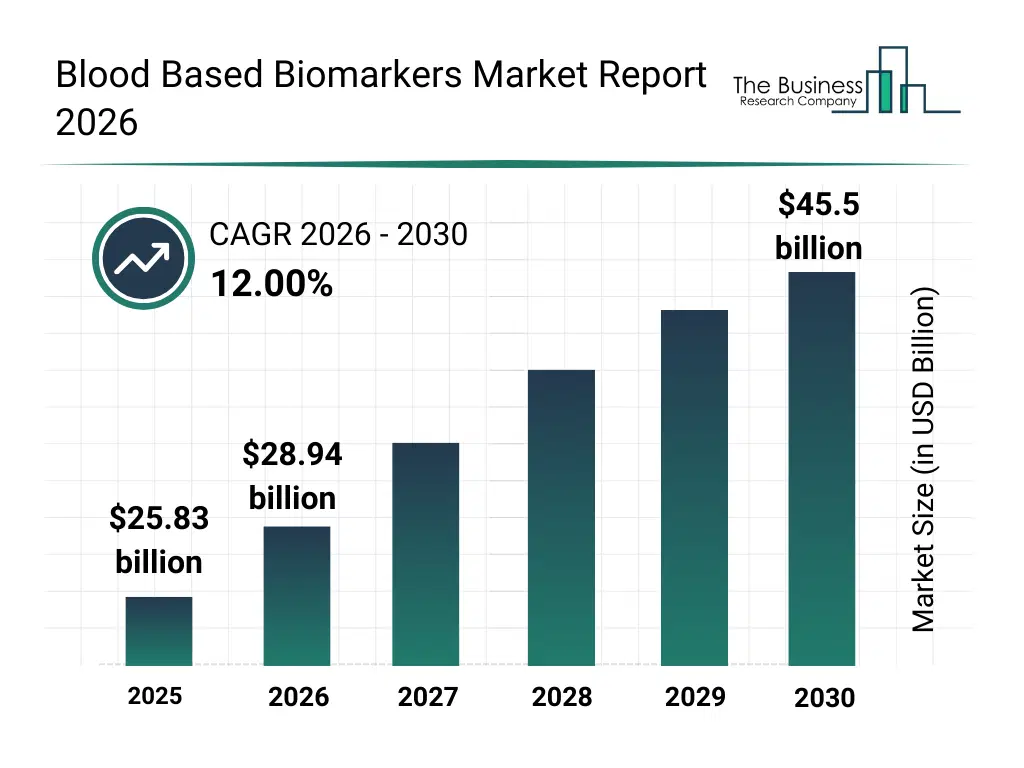
What Is The Blood Based Biomarkers Market Size and Share 2026?
The blood based biomarkers market size has grown rapidly in recent years. It will grow from $25.83 billion in 2025 to $28.94 billion in 2026 at a compound annual growth rate (CAGR) of 12.0%. The growth in the historic period can be attributed to advances in molecular diagnostics, cancer screening programs, biomarker validation studies, hospital diagnostic infrastructure, research funding growth.What Is The Blood Based Biomarkers Market Growth Forecast?
The blood based biomarkers market size is expected to see rapid growth in the next few years. It will grow to $45.5 billion in 2030 at a compound annual growth rate (CAGR) of 12.0%. The growth in the forecast period can be attributed to liquid biopsy expansion, AI-powered biomarker analytics, chronic disease monitoring demand, personalized medicine adoption, point-of-care testing growth. Major trends in the forecast period include growing adoption of non-invasive diagnostics, expansion of precision oncology applications, increased use in early disease detection, rising demand for personalized treatment monitoring, integration with clinical decision support systems.
Global Blood Based Biomarkers Market Segmentation
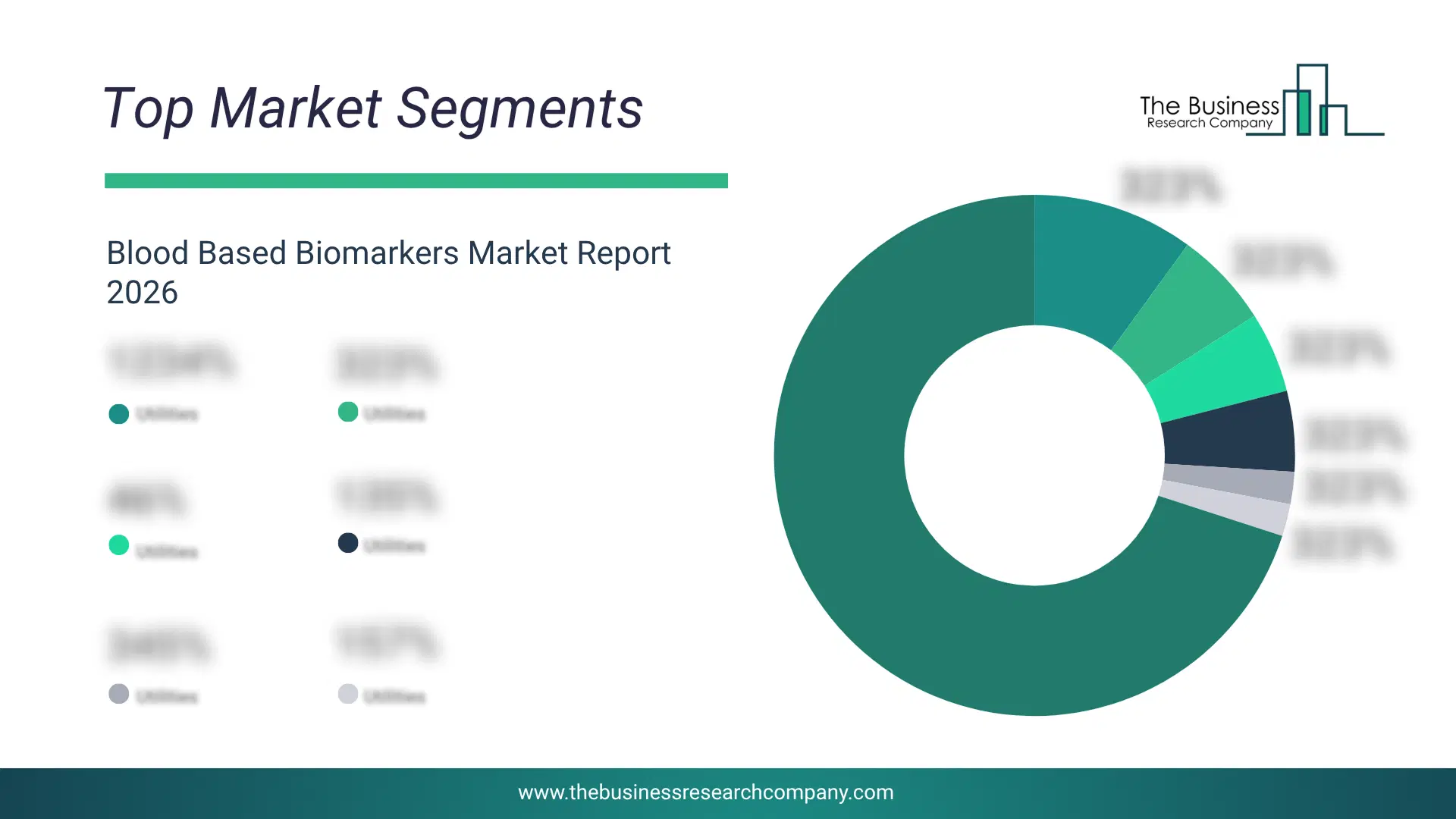
1) By Type: Genetic Biomarkers, Protein Biomarkers, Metabolic Biomarkers, Cell-Based Biomarkers, Epigenetic Biomarkers 2) By Technology: Next-Generation Sequencing, Polymerase Chain Reaction, Immunoassays, Mass Spectrometry, Other Technologies 3) By Application: Cancer, Cardiovascular Diseases, Neurological Diseases, Immunological Diseases, Other Applications 4) By End Users: Hospitals And Clinics, Diagnostic Laboratories, Research And Academic Institutes, Other End Users Subsegments: 1) By Genetic Biomarkers: Deoxyribonucleic Acid (DNA) Mutations, Ribonucleic Acid (RNA) Expression Profiles, Single Nucleotide Polymorphisms (SNPs), Copy Number Variations (CNVs), Gene Fusions 2) By Protein Biomarkers: Enzymes, Hormones, Cytokines, Tumor Markers, Acute Phase Proteins 3) By Metabolic Biomarkers: Lipid Profiles, Amino Acid Levels, Glucose And Lactate Levels, Organic Acids, Metabolite Panels 4) By Cell-Based Biomarkers: Circulating Tumor Cells (CTCs), Immune Cell Profiling, Stem Cells, Platelets, Endothelial Cells 5) By Epigenetic Biomarkers: Deoxyribonucleic Acid (DNA) Methylation Patterns, Histone Modifications, Non-Coding Ribonucleic Acid (RNA), Chromatin Accessibility, Epigenetic Enzyme Activity The top segments in the blood based biomarkers market will be: • Protein Biomarkers will reach $17.31 Billion by 2030. • Genetic Biomarkers will reach $12.85 Billion by 2030. • Metabolic Biomarkers will reach $5.92 Billion by 2030. • Cell-Based Biomarkers will reach $5.3 Billion by 2030. • Epigenetic Biomarkers will reach $3.28 Billion by 2030.What Is The Driver Of The Blood Based Biomarkers Market?
The growing cases of cardiovascular diseases are expected to propel the growth of the blood-based biomarkers market going forward. Cardiovascular diseases refer to a group of disorders affecting the heart and blood vessels, including conditions like coronary artery disease, heart failure, and stroke. The rise in cardiovascular diseases is largely due to increasing risk factors such as poor diet and rising obesity rates. Blood-based biomarkers help diagnose and monitor cardiovascular diseases by providing insights into disease progression, risk assessment, and treatment response through measurable substances in the blood. For instance, in September 2024, according to the National Center for Biotechnology Information, a US-based government agency reported a global health research initiative. Projections indicated a 90% rise in cardiovascular disease prevalence between 2025 and 2050, with expected cardiovascular deaths reaching 35.6 million by 2050. Therefore, the growing cases of cardiovascular diseases are driving the growth of blood-based biomarkers.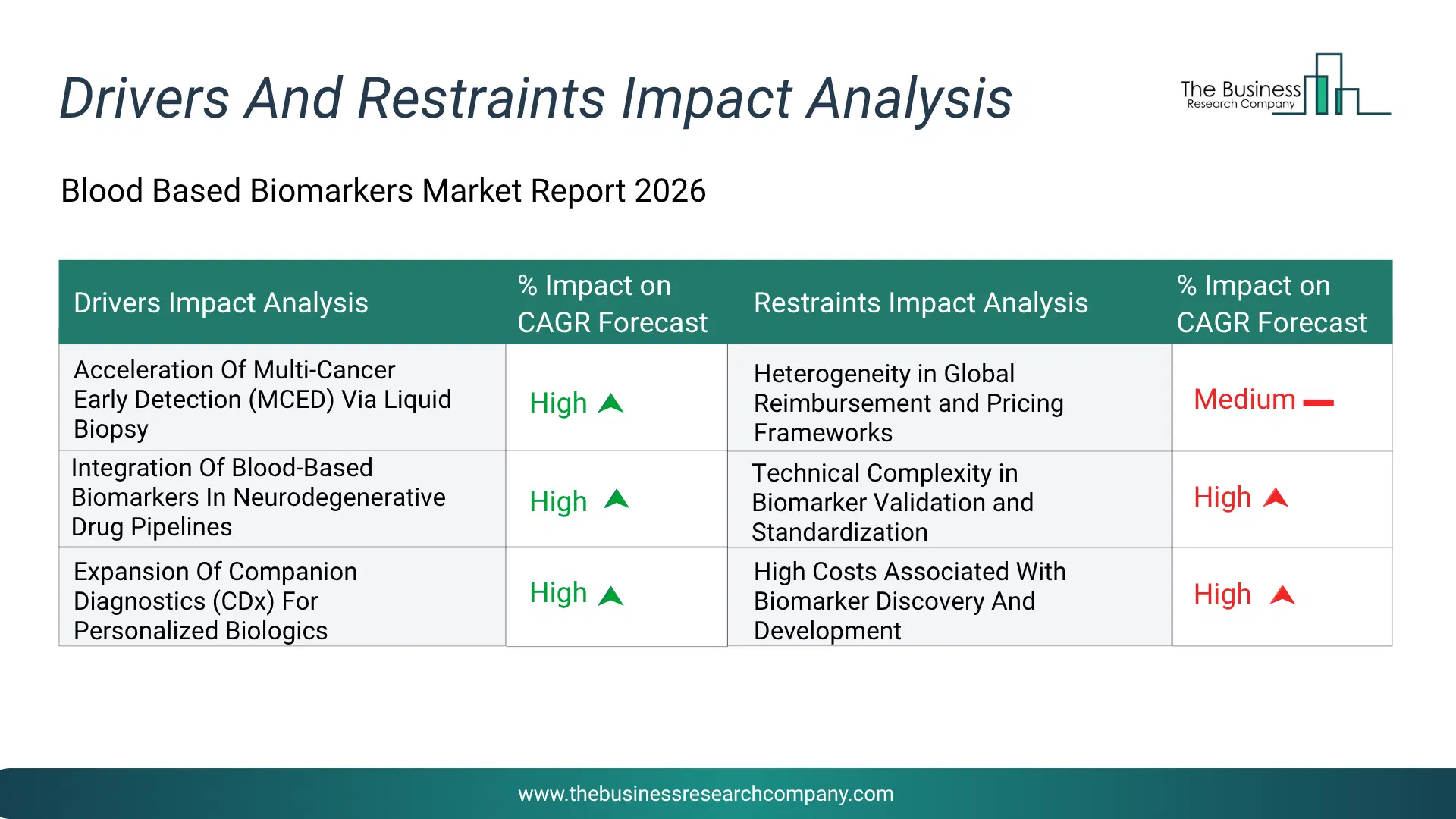
Infographic Chart Showing Key Market Drivers Analysis And Restraints For Blood Based Biomarkers Market
The chart presents an impact analysis of key drivers and restraints, quantifying their relative influence on the market's growth rate and helping assess the balance between growth enablers and limiting factors. This chart offers a high-level perspective; the full report contains more detailed insights.
How Will The Drivers Impact Growth In The Global Blood Based Biomarkers Market?
• Acceleration Of Multi-Cancer Early Detection (MCED) Via Liquid Biopsy (High) – During the forecast period, the acceleration of multi-cancer early detection (MCED) via liquid biopsy is expected to become a key growth driver for the blood-based biomarkers market by 2030. Advances in liquid biopsy technologies are enabling simultaneous detection of multiple cancer types from a single blood sample, significantly improving early-stage diagnosis and patient outcomes. These tests are gaining traction due to their non-invasive nature, scalability, and ability to detect cancer signals before clinical symptoms appear. Healthcare providers and diagnostic companies are increasingly adopting MCED solutions to enhance screening programs and reduce dependency on conventional diagnostic methods. This growing clinical acceptance is strengthening the demand for blood-based biomarker platforms. • Integration Of Blood-Based Biomarkers In Neurodegenerative Drug Pipelines (High) – During the forecast period, the integration of blood-based biomarkers in neurodegenerative drug pipelines is expected to emerge as a major factor driving the expansion of the blood-based biomarkers market by 2030. Pharmaceutical companies are increasingly utilizing blood-based biomarkers to improve patient stratification, monitor disease progression, and assess therapeutic efficacy in conditions such as Alzheimer’s and Parkinson’s disease. These biomarkers offer a less invasive and more scalable alternative to cerebrospinal fluid and imaging-based diagnostics, thereby accelerating clinical trial processes. The growing focus on developing disease-modifying therapies is further driving the incorporation of biomarker-based endpoints in clinical research. • Expansion Of Companion Diagnostics (CDx) For Personalized Biologics (High) – During the forecast period, the expansion of companion diagnostics (CDx) for personalized biologics is expected to act as a key growth catalyst for the blood-based biomarkers market by 2030. The increasing development of targeted biologic therapies is driving demand for precise diagnostic tools that can identify suitable patient populations based on biomarker profiles. Blood-based biomarkers are being widely used in CDx applications due to their ability to provide real-time insights into treatment response and disease progression. Regulatory support for biomarker-linked drug approvals and the rise of precision oncology are further accelerating the adoption of CDx solutions. As biologics continue to dominate therapeutic pipelines, the reliance on biomarker-driven diagnostics is expected to increase significantly.How Will The Restraints Impact Growth In The Global Blood Based Biomarkers Market?
• Heterogeneity in Global Reimbursement and Pricing Frameworks (High) – During the forecast period, heterogeneity in global reimbursement and pricing frameworks is restricting the growth of the blood based biomarkers market. Variations in reimbursement policies, inconsistent pricing structures, and limited insurance coverage across regions are creating financial uncertainties for diagnostic providers and patients, thereby limiting widespread adoption of biomarker-based tests • Technical Complexity in Biomarker Validation and Standardization (High) – During the forecast period, technical complexity in biomarker validation and standardization is restricting the growth of the blood based biomarkers market. Challenges in achieving consistent validation protocols, lack of standardized testing methodologies, and variability in clinical outcomes are delaying regulatory approvals and reducing confidence among healthcare providers • High Costs Associated With Biomarker Discovery And Development (High) – During the forecast period, high costs associated with biomarker discovery and development are restricting the growth of the blood based biomarkers market. Significant investments required for research, clinical trials, and advanced analytical technologies are increasing financial risks for companies, thereby limiting innovation and slowing market expansionKey Players In The Global Blood Based Biomarkers Market
Major companies operating in the blood based biomarkers market are Siemens Healthineers AG, Agilent Technologies Inc, Eisai Co Ltd, Sysmex Corporation, Exact Sciences Corporation, Guardant Health, Quanterix Corporation, Illumina Inc, QIAGEN NV, GENFIT, Foundation Medicine Inc, Adaptive Biotechnologies Corporation, GRAIL LLC, Biodesix Inc, Cleveland Diagnostics Inc, Creative Diagnostics, Epigenomics AG, C2N Diagnostics, Diadem srl, Proteomedix AG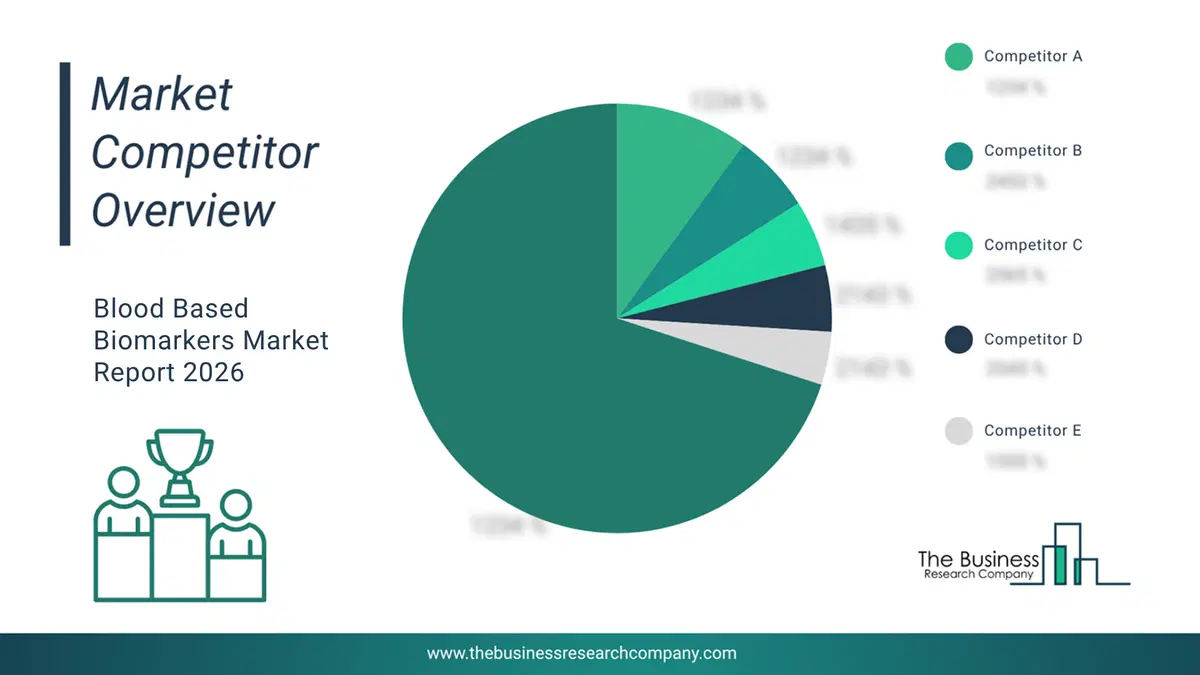
This chart is for illustrative purposes; the full report includes a detailed competitor analysis and comprehensive overview of the top 10 companies in the market.
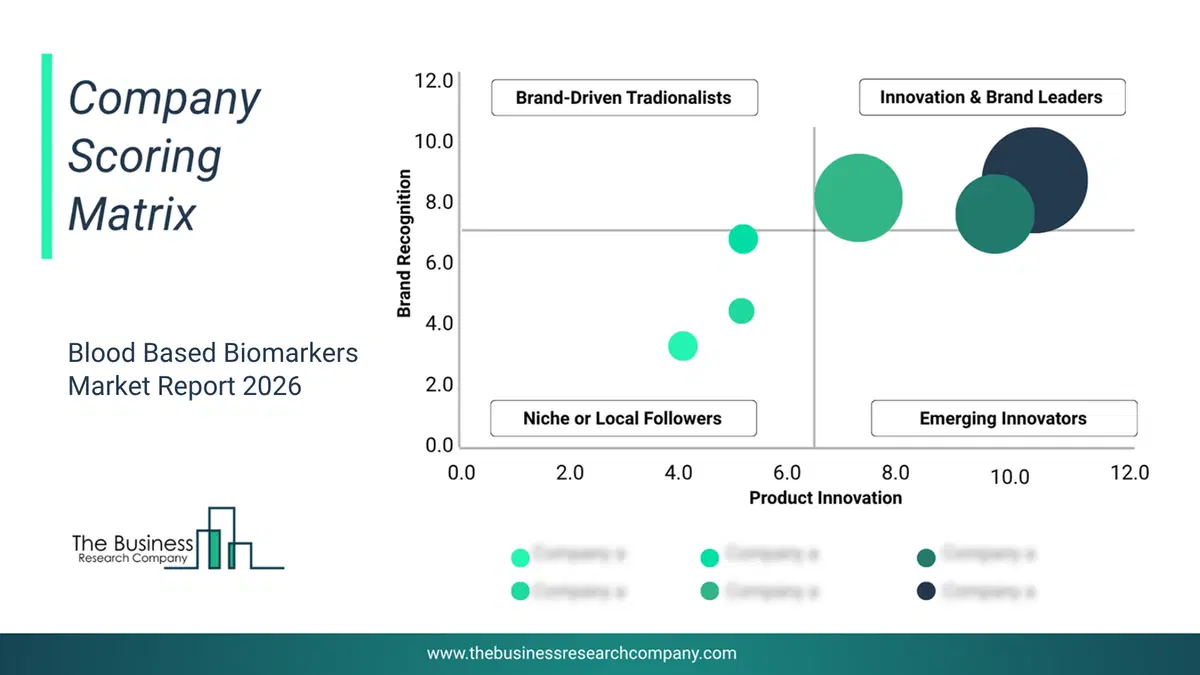
This chart maps companies by product innovation and brand strength, with bubble size indicating relative revenue, helping identify market leaders, challengers, and niche players. This is an illustrative chart; the full report provides a complete and accurate competitive analysis.
Global Blood Based Biomarkers Market Trends and Insights
Major companies operating in the blood-based biomarkers market are focusing on technological advancements such as high-accuracy blood biomarker tests to aid physician diagnosis of Alzheimer’s disease. A high-accuracy blood biomarker test is a diagnostic tool that uses specific biomarkers in the blood to detect diseases or monitor health conditions with a high level of precision and reliability. For instance, in October 2023, Quanterix, a US-based life sciences company, launched a high-accuracy blood biomarker test called LucentAD p-Tau 217 to aid physicians in diagnosing Alzheimer’s disease (AD) in adults with cognitive impairment. This test measures phosphorylated tau protein at threonine 217 (p-Tau 217), a biomarker strongly associated with AD pathology, particularly amyloid buildup in the brain. The LucentAD p-Tau 217 test achieves over 90% accuracy, meeting stringent diagnostic criteria, and is intended to be used alongside other diagnostic tools rather than as a standalone test.What Are Latest Mergers And Acquisitions In The Blood Based Biomarkers Market?
In December 2023, Danaher, a US-based provider of diagnostic, life sciences, and environmental solutions, acquired Abcam for $5.7 billion. With this acquisition, Danaher aims to expand its portfolio of life sciences products and services by integrating Abcam's leading protein consumables and research tools. Abcam is a UK-based life sciences company specializing in the development and distribution of research tools, including antibodies, assays, and reagents.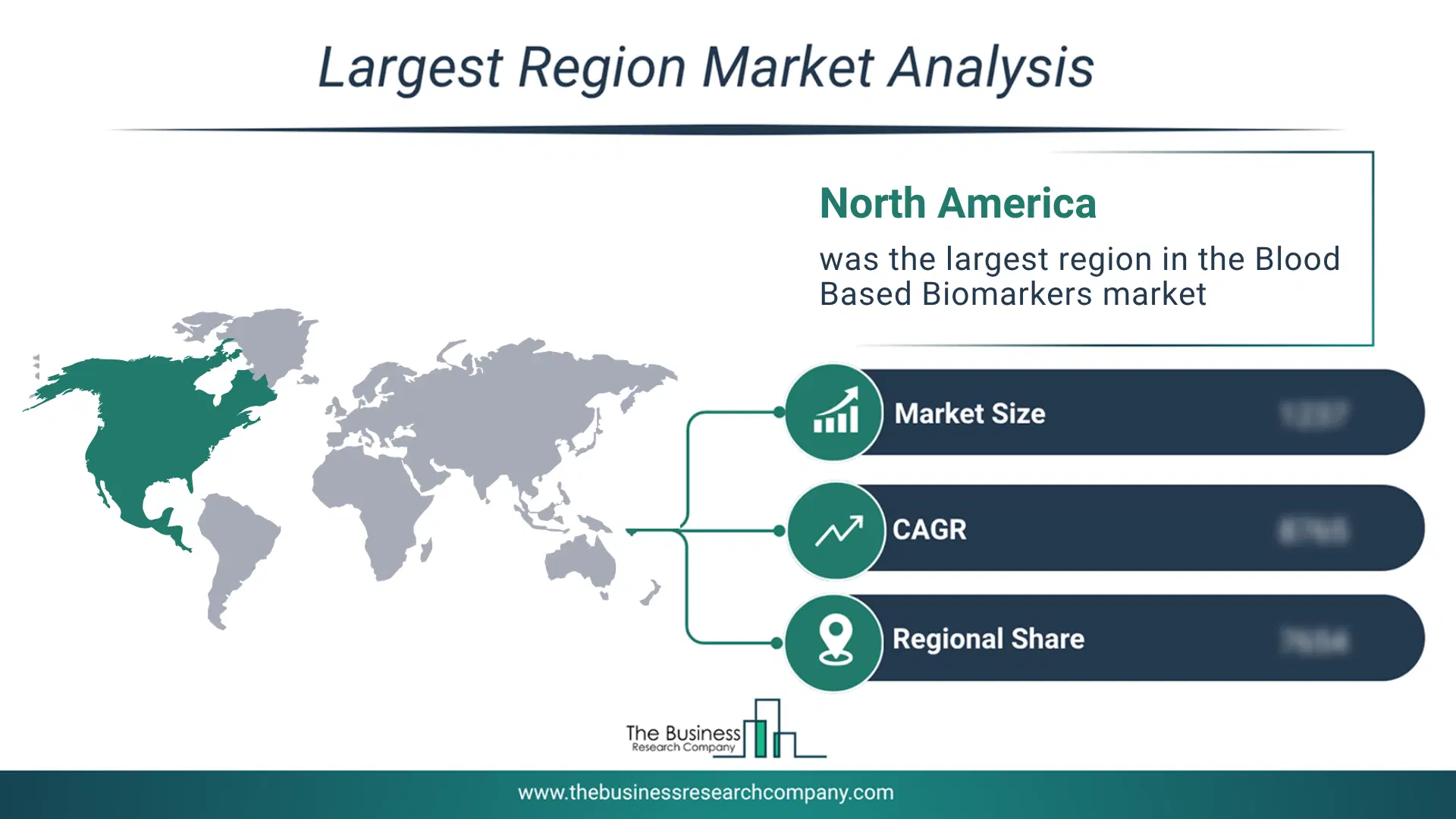
Regional Insights
North America was the largest region in the blood-based biomarkers market in 2025. Asia-Pacific is expected to be the fastest-growing region in the forecast period. The regions covered in this market report are Asia-Pacific, South East Asia, Western Europe, Eastern Europe, North America, South America, Middle East, Africa. The countries covered in this market report are Australia, Brazil, China, France, Germany, India, Indonesia, Japan, Taiwan, Russia, South Korea, UK, USA, Canada, Italy, Spain.What Defines the Blood Based Biomarkers Market?
The blood-based biomarkers market consists of revenues earned by entities by providing services such as clinical trial services, sample collection and biobanking services, custom biomarker assay development, data analysis and interpretation services, companion diagnostics services, point-of-care testing services, and regulatory and compliance support services. The market value includes the value of related goods sold by the service provider or included within the service offering. The blood-based biomarkers market includes sales of diagnostic kits, reagents, assay platforms, analyzers, and related consumables. Values in this market are ‘factory gate’ values, that is, the value of goods sold by the manufacturers or creators of the goods, whether to other entities (including downstream manufacturers, wholesalers, distributors, and retailers) or directly to end customers. The value of goods in this market includes related services sold by the creators of the goods.How is Market Value Defined and Measured?
The market value is defined as the revenues that enterprises gain from the sale of goods and/or services within the specified market and geography through sales, grants, or donations in terms of the currency (in USD unless otherwise specified). The revenues for a specified geography are consumption values that are revenues generated by organizations in the specified geography within the market, irrespective of where they are produced. It does not include revenues from resales along the supply chain, either further along the supply chain or as part of other products.
This chart presents market attractiveness based on a quantitative evaluation of growth, competition, strategic alignment, and risk, offering a clear view of opportunity areas for decision-making. This chart is for illustrative purposes; the full report contains the complete analysis.

This chart highlights the Total Addressable Market (TAM) by estimating the maximum revenue opportunity using an assumption-driven approach, supporting strategic planning and opportunity sizing across markets. The chart is illustrative; the full report provides a more comprehensive analysis.
What Key Data and Analysis Are Included in the Blood Based Biomarkers Market Report 2026?
The blood based biomarkers market research report is one of a series of new reports from The Business Research Company that provides market statistics, including industry global market size, regional shares, competitors with the market share, detailed market segments, market trends and opportunities, and any further data you may need to thrive in the blood based biomarkers industry. The market research report delivers a complete perspective of everything you need, with an in-depth analysis of the current and future state of the industry.Blood Based Biomarkers Market Report Forecast Analysis
| Report Attribute | Details |
|---|---|
| Market Size Value In 2026 | $28.94 billion |
| Revenue Forecast In 2030 | $45.5 billion |
| Growth Rate | CAGR of 12.0% from 2026 to 2030 |
| Base Year For Estimation | 2025 |
| Actual Estimates/Historical Data | 2020-2025 |
| Forecast Period | 2026 - 2030 |
| Market Representation | Revenue in USD Billion and CAGR from 2026 to 2030 |
| Segments Covered | Type, Technology, Application, End Users |
| Regional Scope | Asia-Pacific, Western Europe, Eastern Europe, North America, South America, Middle East, Africa |
| Country Scope | The countries covered in the report are Australia, Brazil, China, France, Germany, India, Indonesia, Japan, Taiwan, Russia, South Korea, UK, USA, Canada, Italy, Spain. |
| Key Companies Profiled | Siemens Healthineers AG, Agilent Technologies Inc, Eisai Co Ltd, Sysmex Corporation, Exact Sciences Corporation, Guardant Health, Quanterix Corporation, Illumina Inc, QIAGEN NV, GENFIT, Foundation Medicine Inc, Adaptive Biotechnologies Corporation, GRAIL LLC, Biodesix Inc, Cleveland Diagnostics Inc, Creative Diagnostics, Epigenomics AG, C2N Diagnostics, Diadem srl, Proteomedix AG |
| Customization Scope | Request for Customization |
| Pricing And Purchase Options | Explore Purchase Options |