
Crop Micronutrients Market Report 2026
Global Outlook – By Type (Zinc, Boron, Iron, Manganese, Molybdenum, Copper, Other Types), By Crop Type (Cereals & Grains, Fruits & Vegetables, Oilseeds & Pulses, Other Crop), By Application (Fertigation, Soil, Foliar, Other Applications) – Market Size, Trends, Strategies, and Forecast to 2035
Crop Micronutrients Market Overview
• Crop Micronutrients market size has reached to $8.28 billion in 2025 • Expected to grow to $13.57 billion in 2030 at a compound annual growth rate (CAGR) of 10.2% • Growth Driver: Growth Of Precision Agriculture” Driving The Market Growth Due To Enhance Nutrient Management And Crop Productivity • Market Trend: Innovative Granular Micronutrient Solutions Transforming The Crop Micronutrients Market • Asia-Pacific was the largest region in 2025 and North America is the fastest growing region.Market Gains By 2030 – Top Opportunities By Segment
Market Gain identifies the most promising market opportunities by highlighting the segments or products expected to generate the highest incremental revenue growth over the next five years.
What Is Covered Under Crop Micronutrients Market?
Crop micronutrients refer to small amounts of vital components used by plants. These are the essential plant nutrients that are present in tissue in minute amounts but are crucial for the growth and development of plants. Without these minerals, the nutrition of the plants would be affected, perhaps resulting in decreased plant yield. The main type of crop micronutrients market is zinc, boron, iron, manganese, molybdenum, copper, and others. Zinc refers to a trace mineral and is an essential micronutrient for plant life. Zinc is a recommended micronutrient in fertilizer programs for the production of corn, sweet corn, and edible beans. The various crop type includes cereals & grains, fruits & vegetables, oilseeds & pulses, and other. These are used in fertigation, soil, foliar, and others.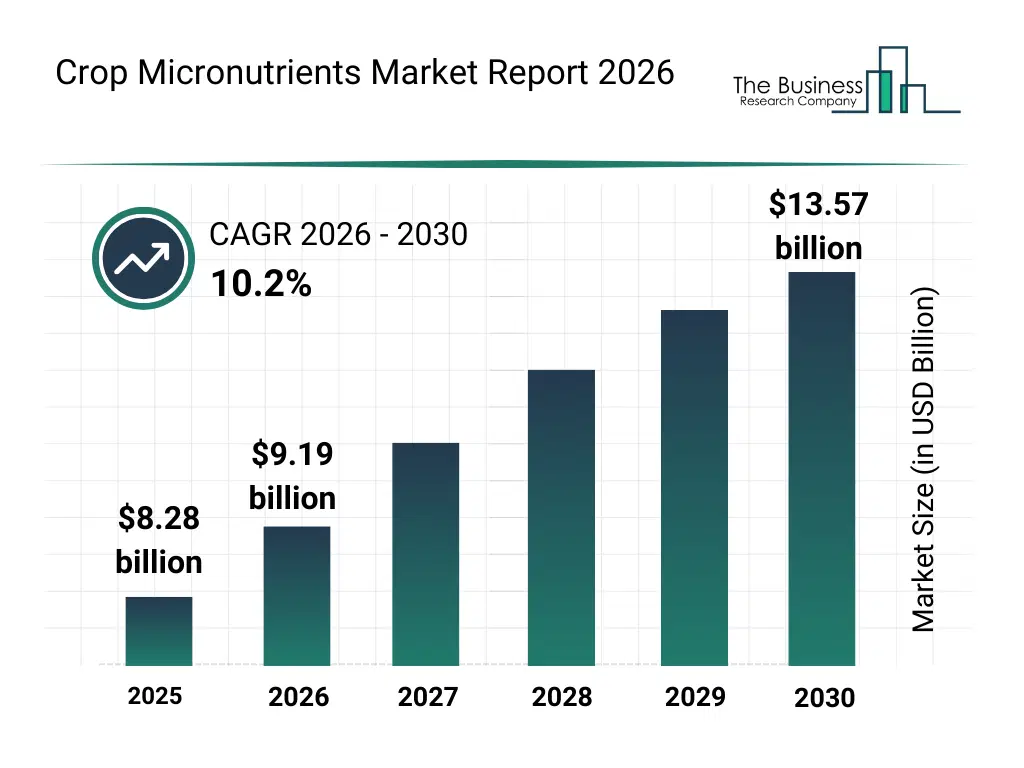
What Is The Crop Micronutrients Market Size and Share 2026?
The crop micronutrients market size has grown rapidly in recent years. It will grow from $8.28 billion in 2025 to $9.19 billion in 2026 at a compound annual growth rate (CAGR) of 10.9%. The growth in the historic period can be attributed to increasing soil micronutrient deficiencies, growing awareness of plant nutrition, expansion of intensive farming practices, rising demand for high-yield crop production, adoption of early micronutrient formulations.What Is The Crop Micronutrients Market Growth Forecast?
The crop micronutrients market size is expected to see rapid growth in the next few years. It will grow to $13.57 billion in 2030 at a compound annual growth rate (CAGR) of 10.2%. The growth in the forecast period can be attributed to growing shift toward sustainable farming inputs, rising need for nutrient efficiency solutions, expansion of fertigation-based farming, increasing focus on improving crop quality, development of advanced micronutrient blends. Major trends in the forecast period include rising adoption of micronutrient-enriched fertilizers, increasing focus on soil health management, growing use of micronutrients for enhancing crop yield, expansion of specialty crop cultivation requiring targeted nutrition, rising demand for cost-effective micronutrient blends.
Global Crop Micronutrients Market Segmentation
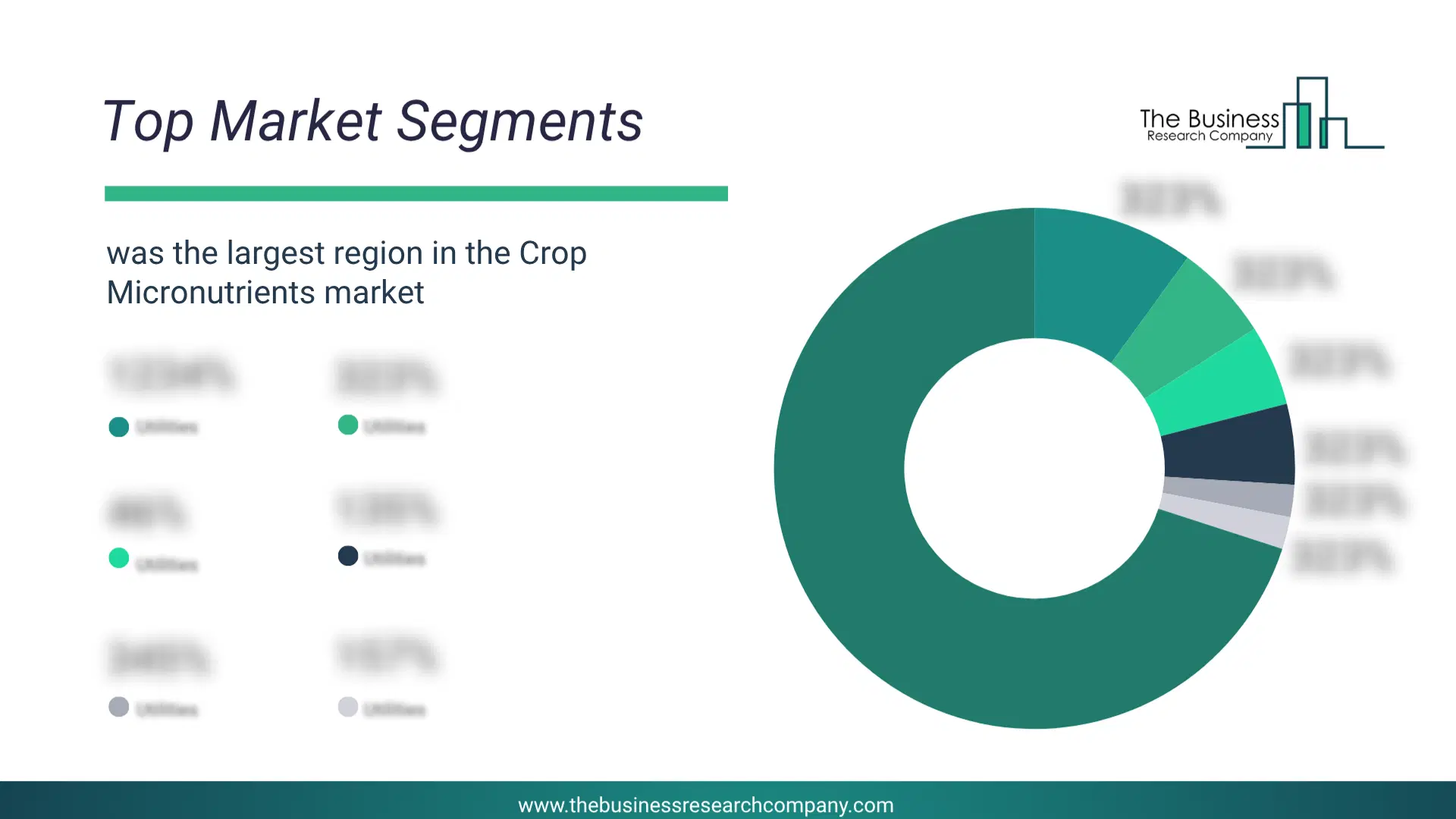
1) By Type: Zinc, Boron, Iron, Manganese, Molybdenum, Copper, Other Types 2) By Crop Type: Cereals & Grains, Fruits & Vegetables, Oilseeds & Pulses, Other Crop 3) By Application: Fertigation, Soil, Foliar, Other Applications Subsegments: 1) By Zinc: Zinc Sulfate, Zinc Chelates, Zinc Oxide 2) By Boron: Boric Acid, Sodium Borate, Boron Chelates 3) By Iron: Iron Chelates, Iron Sulfate, Iron Oxide 4) By Manganese: Manganese Sulfate, Manganese Chelates 5) By Molybdenum: Ammonium Molybdate, Sodium Molybdate, 6) By Copper: Copper Sulfate, Copper Chelates 7) By Other Types: Cobalt, Nickel, Other Micronutrients The top segments in the crop micronutrients market will be: • Cereals And Grains will reach $3894 Million by 2025. • Soil will reach $3585.7 Million by 2025. • Zinc will reach $2758.6 Million by 2025. • Foliar will reach $2245.6 Million by 2025. • Fruits And Vegetables will reach $2206.4 Million by 2025.What Is Driver Of The Crop Micronutrients Market?
The growth of precision agriculture is expected to propel the growth of the crop micronutrients market going forward. Precision agriculture refers to the use of advanced technologies to monitor and manage field variability, optimize inputs, and improve crop yield and efficiency. Precision agriculture is rising due to increasing pressure on farmers to boost crop yields, reduce input waste, and ensure sustainable and efficient use of resources amid climate challenges and growing food demand. precision agriculture. The growth of precision agriculture supports crop micronutrients by enabling targeted and efficient nutrient management, ensuring that crops receive the right type and amount of micronutrients exactly where and when they are needed to maximize plant health and yield. For instance, in January 2024, according to the Government Accountability Office, a US-based government agency, in 2023, 27% of farms and ranches in the U.S. adopted precision agriculture practices for managing crops or livestock. Therefore, the growth of precision agriculture is driving the growth of the crop micronutrients industry.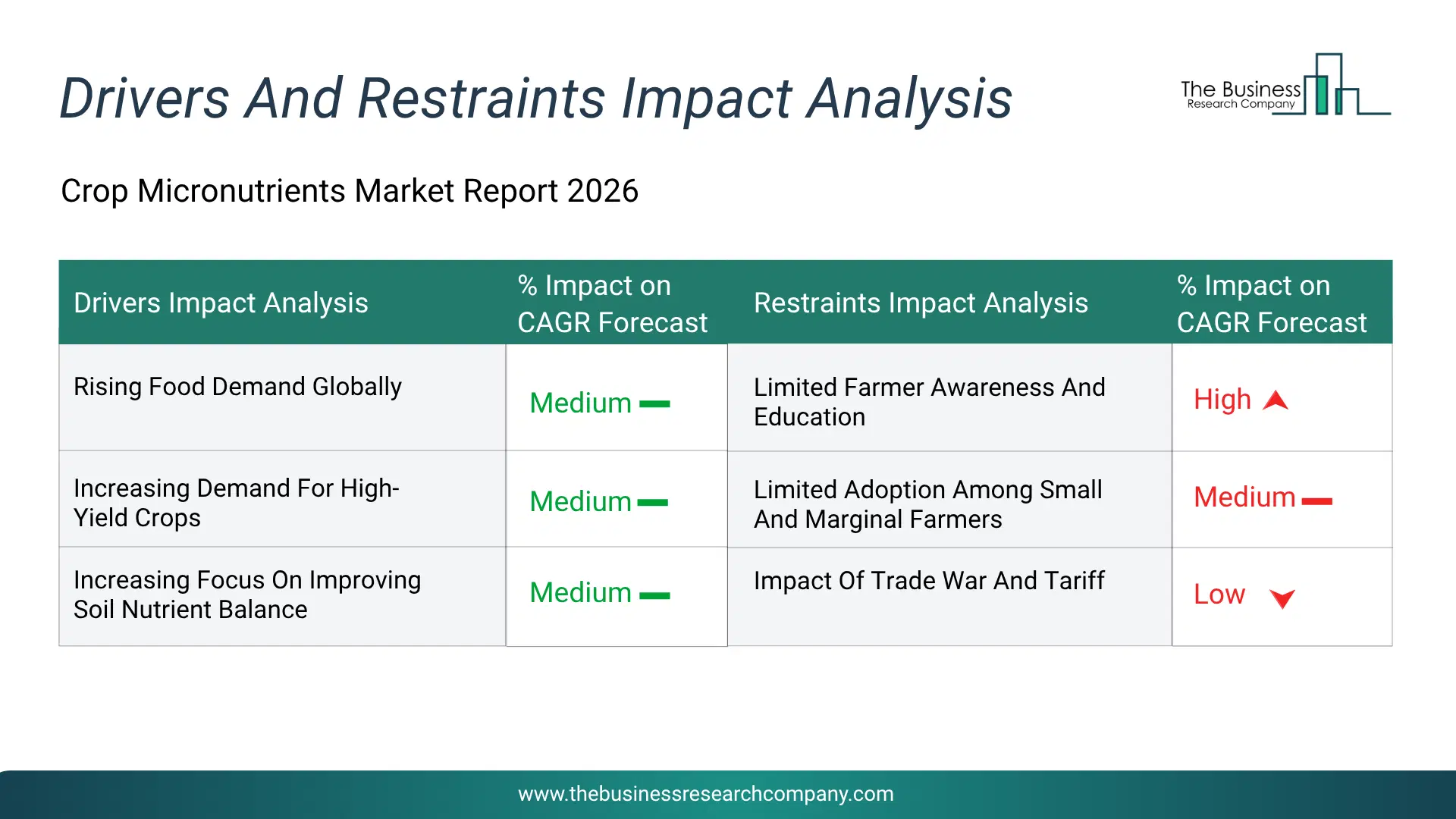
Infographic Chart Showing Key Market Drivers Analysis And Restraints For Crop Micronutrients Market
The chart presents an impact analysis of key drivers and restraints, quantifying their relative influence on the market's growth rate and helping assess the balance between growth enablers and limiting factors. This chart offers a high-level perspective; the full report contains more detailed insights.
How Will The Drivers Impact Growth In The Global Crop Micronutrients Market?
• Rising Food Demand Globally (Medium) – The rising food demand globally will become a key driver of growth in the crop micronutrients market by 2030. Rapid population growth, changing dietary preferences and increasing pressure on agricultural productivity are encouraging farmers to improve crop yield and quality. Crop micronutrients such as zinc, boron, iron and manganese play a vital role in enhancing plant growth, nutrient absorption and resistance to environmental stress. As arable land availability continues to decline, farmers are increasingly adopting advanced agricultural inputs to maximize output from existing farmland. In addition, growing awareness regarding soil nutrient deficiencies and sustainable farming practices is further supporting the demand for crop micronutrients worldwide. As a result, the rising food demand globally is anticipated to contributing to a 1.8% annual growth in the market. • Increasing Demand For High-Yield Crops (Medium) – The increasing demand for high-yield crops will emerge as a major factor driving the expansion of the crop micronutrients market by 2030. Farmers are increasingly focusing on maximizing agricultural productivity to meet rising global food demand and improve profitability. Crop micronutrients such as zinc, iron, manganese and boron are essential for plant growth, photosynthesis and nutrient absorption, helping crops achieve higher yields and better quality. The adoption of intensive farming practices and high-performance crop varieties has also increased the need for balanced nutrient management. In addition, declining soil fertility and micronutrient deficiencies in farmlands are encouraging the use of micronutrient fertilizers. Growing awareness of sustainable farming practices is further supporting market growth worldwide. Consequently, the increasing demand for high-yield crops is projected to contributing to a 1.3% annual growth in the market. • Increasing Focus On Improving Soil Nutrient Balance (Medium) – The increasing focus on improving soil nutrient balance will serve as a key growth catalyst for the crop micronutrients market by 2030. Continuous farming practices and excessive use of conventional fertilizers have led to widespread micronutrient deficiencies in agricultural soils, negatively affecting crop productivity and quality. As a result, farmers are increasingly adopting micronutrient-based fertilizers to restore soil health and maintain balanced nutrient levels. Crop micronutrients such as zinc, boron, copper and iron help improve plant metabolism, root development and overall crop performance. In addition, rising awareness regarding sustainable agriculture, precision farming and efficient nutrient management practices is encouraging the use of crop micronutrients to enhance long-term soil fertility and agricultural output. Therefore, this increasing focus on improving soil nutrient balance is projected to supporting to a 1.0% annual growth in the market. • Growth In Cereals And Grains Cultivation (Low) – The growth in cereals and grains cultivation will become a significant driver contributing to the growth of the crop micronutrients market by 2030. Increasing global consumption of staple crops such as wheat, rice, maize and barley is encouraging farmers to improve agricultural productivity and crop quality. Crop micronutrients play a crucial role in supporting healthy plant growth, improving nutrient uptake and enhancing resistance to diseases and environmental stress. As intensive farming practices continue to deplete soil nutrients, the demand for micronutrient-based fertilizers is rising to maintain soil fertility and achieve higher yields. Additionally, government initiatives promoting sustainable agriculture and food security are further contributing to the increased adoption of crop micronutrients in cereals and grains farming. Consequently, the growth in cereals and grains cultivation is projected to contributing to a 0.5% annual growth in the market.How Will The Restraints Impact Growth In The Global Crop Micronutrients Market?
• Limited Farmer Awareness And Education (Medium) – Limited farmer awareness and education is expected to restrain market growth during the forecast period. It creates operational, financial, regulatory, or commercial challenges that can increase costs, delay projects, reduce investments, or discourage purchasing decisions depending on the market. These challenges can reduce product adoption, affect business confidence, and limit the ability of companies to expand efficiently across key regions. This can reduce operational efficiency, delay expansion plans, and affect the ability of companies to achieve sustainable business growth. • Limited Adoption Among Small And Marginal Farmers (Medium) – During the forecast period, limited adoption among small and marginal farmers is likely to limit market expansion. It creates operational, financial, regulatory, or commercial challenges that can increase costs, delay projects, reduce investments, or discourage purchasing decisions depending on the market. These challenges can reduce product adoption, affect business confidence, and limit the ability of companies to expand efficiently across key regions. As a result, businesses may face increased cost pressures, slower commercial adoption, and reduced revenue opportunities. • Impact Of Trade War And Tariff (Medium) – The market is expected to face challenges due to impact of trade war and tariff over the forecast period. It creates operational, financial, regulatory, or commercial challenges that can increase costs, delay projects, reduce investments, or discourage purchasing decisions depending on the market. These challenges can reduce product adoption, affect business confidence, and limit the ability of companies to expand efficiently across key regions. This may discourage new investments, delay strategic expansion initiatives, and weaken the overall competitive position of market participants.Key Players In The Global Crop Micronutrients Market
Major companies operating in the crop micronutrients market are BASF SE, Nutrien Ltd, Yara International ASA, The Mosaic Company, Corteva Agriscience, Nufarm Ltd, Haifa Group, Compass Minerals International Inc., Coromandel International Limited, Sapec Agro Business, Valagro SpA, ATP Nutrition, Stoller Enterprises Inc., Micromix Plant Health Limited, FMC Corporation, Helena Agri-Enterprises LLC, Verdesian Life Sciences LLC, K+S Aktiengesellschaft, Sociedad Química y Minera de S. A, Brandt Consolidated Inc., Omex Agrifluids Ltd., Bio Huma Netics Inc., Nutri-Tech Solutions Pty Ltd., AgroLiquid, Plant Health Care plc, Loveland Products Inc., Marrone Bio Innovations Inc.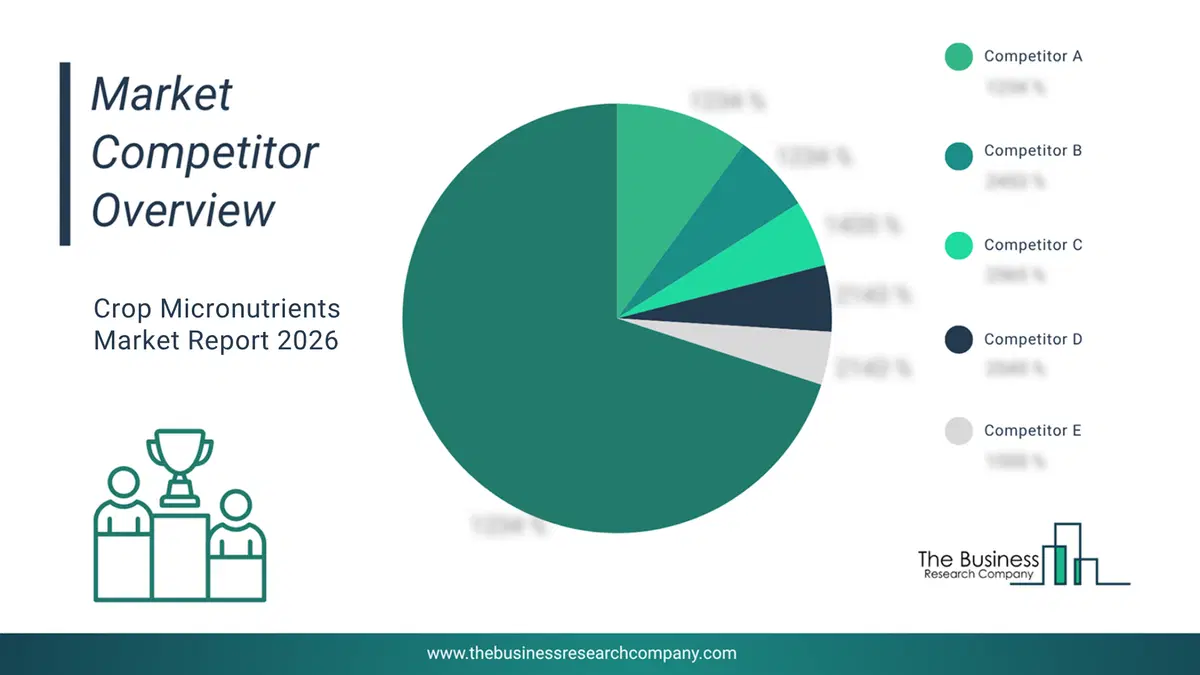
This chart is for illustrative purposes; the full report includes a detailed competitor analysis and comprehensive overview of the top 10 companies in the market.
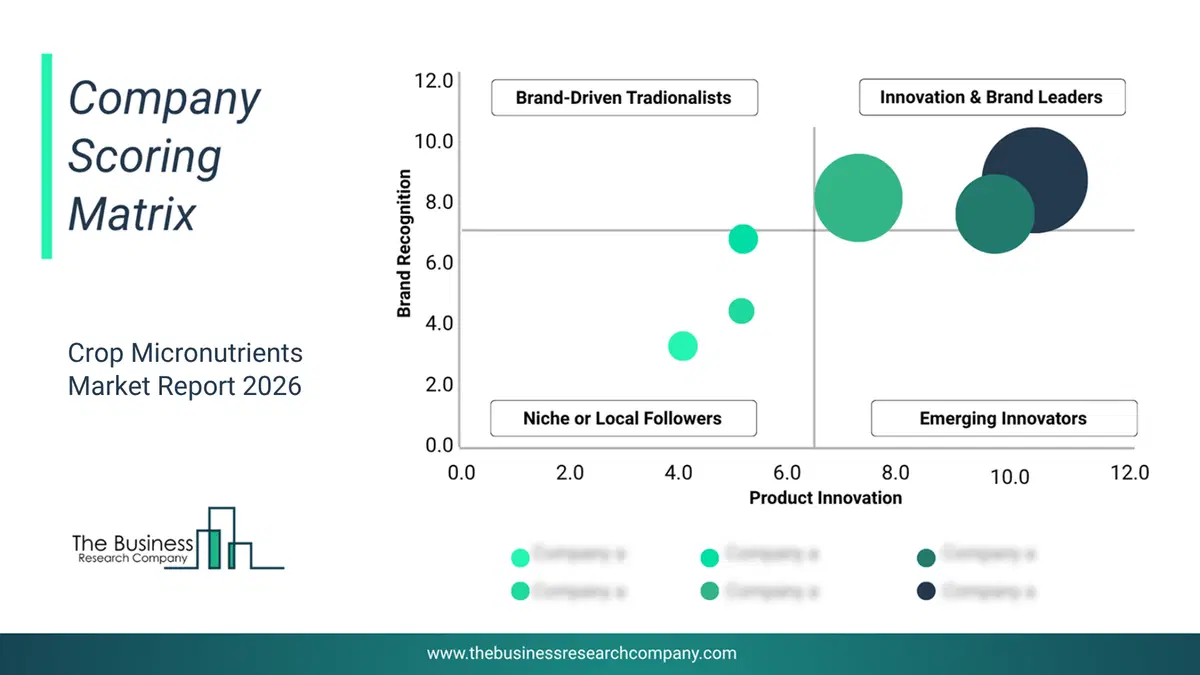
This chart maps companies by product innovation and brand strength, with bubble size indicating relative revenue, helping identify market leaders, challengers, and niche players. This is an illustrative chart; the full report provides a complete and accurate competitive analysis.
Global Crop Micronutrients Market Trends and Insights
Major companies operating in the crop micronutrient market are developing innovative products such as granular micronutrient solutions to meet larger customer bases, more sales, and increase revenue. Granular micronutrient solutions refer to a type of agricultural input that provides essential micronutrients to plants in a granular form. For instance, in February 2023, Andersons Inc., a US-based agriculture company, launched MicroMark DG. These specially designed plant nutrient products utilize dispersing granule (DG) technology, which produces uniformly round granules, facilitating simpler mixing and even spreading, while notably enhancing their effectiveness. The Andersons' DG technology ensures that these granules disintegrate in the soil, breaking down into numerous sub-particles, thus increasing coverage and nutrient availability to crops. MicroMark DG products find applications in agricultural settings where dry fertilizer is employed, serving as a versatile option for dry starter applications, dry broadcast, strip-tilling, side dressing, and catering to various crop types, including row crops, vegetables, horticultural plants, and fruit trees.What Are Latest Mergers And Acquisitions In The Crop Micronutrients Market? Paradeep Phosphates Merges With Mangalore Chemicals & Fertilizers To Strengthen Pan-India Fertilizer Operations
In October 2025, Paradeep Phosphates Limited (PPL), an India-based fertilizer company, merged with Mangalore Chemicals & Fertilizers Limited (MCFL) to form a larger, more efficient fertilizer company with a stronger pan-India presence. With this merger, Paradeep Phosphates aims to create a larger, more efficient fertilizer company that increases production capacity, expands its product portfolio, and strengthens pan-India market reach to better serve farmers, optimize operations, enhance supply chain efficiency, and deliver greater value to all stakeholders across the agricultural sector. Mangalore Chemicals & Fertilizers Limited (MCFL) is an India-based fertilizer company that specializes in manufacturing and distributing fertilizers, with a strong presence in southern India.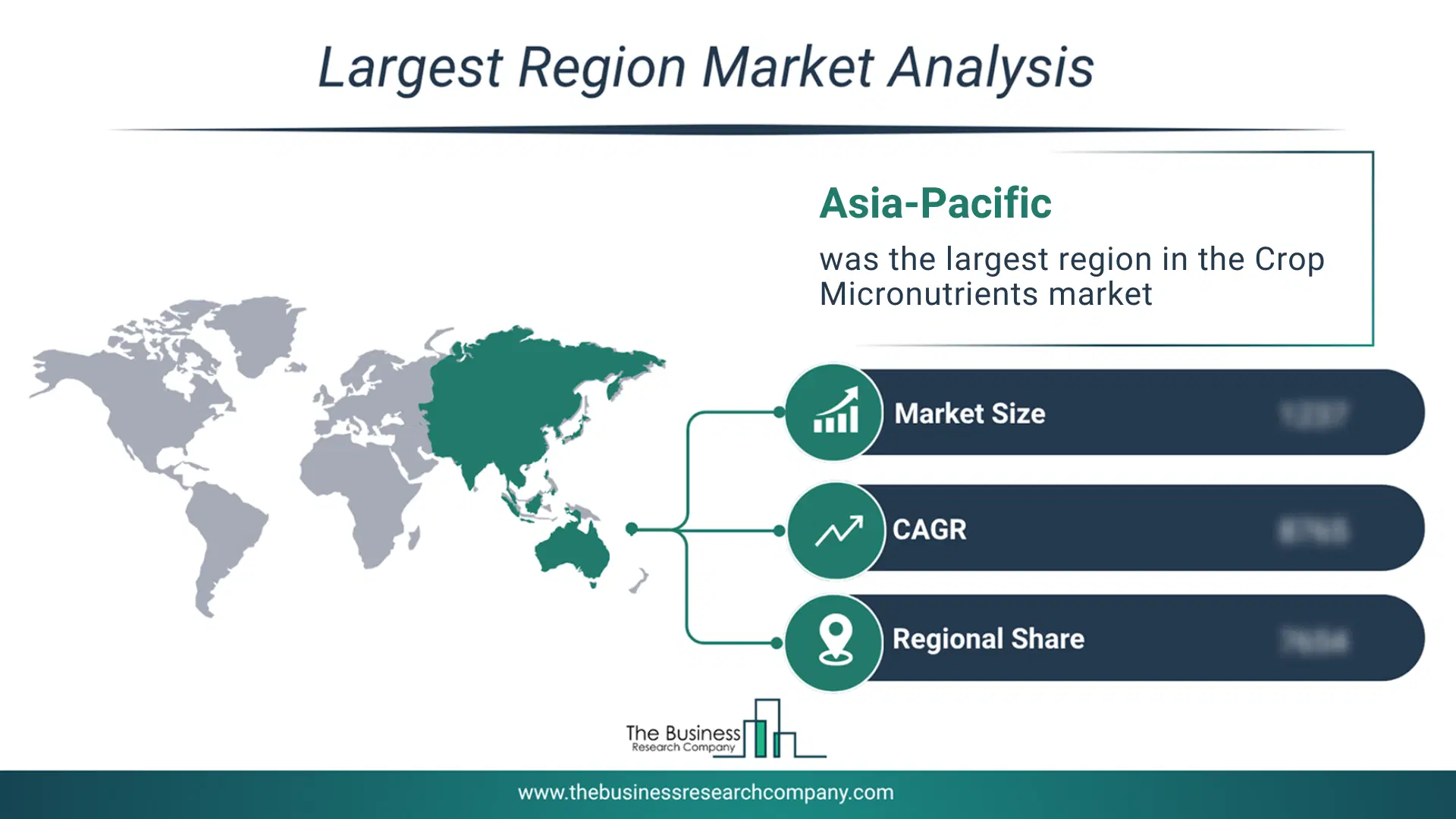
Regional Outlook
Asia-Pacific was the largest region in the crop micronutrients market in 2025.North America is expected to be the fastest-growing region in the forecast period. The regions covered in this market report are Asia-Pacific, South East Asia, Western Europe, Eastern Europe, North America, South America, Middle East, Africa. The countries covered in this market report are Australia, Brazil, China, France, Germany, India, Indonesia, Japan, Taiwan, Russia, South Korea, UK, USA, Canada, Italy, SpainWhat Defines the Crop Micronutrients Market?
The crop micronutrient market consists of sales of molybdenum, chlorine, and nickel. Values in this market are ‘factory gate’ values, that is the value of goods sold by the manufacturers or creators of the goods, whether to other entities (including downstream manufacturers, wholesalers, distributors and retailers) or directly to end customers. The market value includes the value of related goods sold by the service provider or included within the service offering.How is Market Value Defined and Measured?
The market value is defined as the revenues that enterprises gain from the sale of goods and/or services within the specified market and geography through sales, grants, or donations in terms of the currency (in USD unless otherwise specified). The revenues for a specified geography are consumption values that are revenues generated by organizations in the specified geography within the market, irrespective of where they are produced. It does not include revenues from resales along the supply chain, either further along the supply chain or as part of other products.
This chart presents market attractiveness based on a quantitative evaluation of growth, competition, strategic alignment, and risk, offering a clear view of opportunity areas for decision-making. This chart is for illustrative purposes; the full report contains the complete analysis.

This chart highlights the Total Addressable Market (TAM) by estimating the maximum revenue opportunity using an assumption-driven approach, supporting strategic planning and opportunity sizing across markets. The chart is illustrative; the full report provides a more comprehensive analysis.
What Key Data and Analysis Are Included in the Crop Micronutrients Market Report 2026?
The crop micronutrients market research report is one of a series of new reports from The Business Research Company that provides market statistics, including industry global market size, regional shares, competitors with the market share, detailed market segments, market trends and opportunities, and any further data you may need to thrive in the crop micronutrients industry. The market research report delivers a complete perspective of everything you need, with an in-depth analysis of the current and future state of the industry.Crop Micronutrients Market Report Forecast Analysis
| Report Attribute | Details |
|---|---|
| Market Size Value In 2026 | $9.19 billion |
| Revenue Forecast In 2035 | $5.72 billion |
| Growth Rate | CAGR of 10.9% from 2026 to 2035 |
| Base Year For Estimation | 2025 |
| Actual Estimates/Historical Data | 2020-2025 |
| Forecast Period | 2026 - 2030 - 2035 |
| Market Representation | Revenue in USD Billion and CAGR from 2026 to 2035 |
| Segments Covered | Type, Crop Type, Application |
| Regional Scope | Asia-Pacific, Western Europe, Eastern Europe, North America, South America, Middle East, Africa |
| Country Scope | The countries covered in the report are Australia, Brazil, China, France, Germany, India, ... |
| Key Companies Profiled | BASF SE, Nutrien Ltd, Yara International ASA, The Mosaic Company, Corteva Agriscience, Nufarm Ltd, Haifa Group, Compass Minerals International Inc., Coromandel International Limited, Sapec Agro Business, Valagro SpA, ATP Nutrition, Stoller Enterprises Inc., Micromix Plant Health Limited, FMC Corporation, Helena Agri-Enterprises LLC, Verdesian Life Sciences LLC, K+S Aktiengesellschaft, Sociedad Química y Minera de S. A, Brandt Consolidated Inc., Omex Agrifluids Ltd., Bio Huma Netics Inc., Nutri-Tech Solutions Pty Ltd., AgroLiquid, Plant Health Care plc, Loveland Products Inc., Marrone Bio Innovations Inc. |
| Customization Scope | Request for Customization |
| Pricing And Purchase Options | Explore Purchase Options |