

Respiratory Biologics Market Report 2026
Global Outlook – By Disease Indication (Asthma, Chronic Rhinosinasitis, Hypereosinophilic Syndrome), By Route Of Administration (Intravenous, Subcutaneous), By Sales Channel (Hospitals, Specialty Clinics, Retail Pharmacies, Mail Order Pharmacies) – Market Size, Trends, Strategies, and Forecast to 2030
Respiratory Biologics Market Overview
• Respiratory Biologics market size has reached to $7.41 billion in 2025 • Expected to grow to $15.66 billion in 2030 at a compound annual growth rate (CAGR) of 16.1% • Growth Driver: Rise In Air Pollution Driving The Growth Of The Market Due To Increasing Health Risks And Demand For Targeted Therapies • Market Trend: Targeted Immune Therapies Supporting Innovation In Treatments For Chronic Lung Diseases • North America was the largest region in 2025 and Asia-Pacific is the fastest growing region.Market Gains By 2030 – Top Opportunities By Segment
Market Gain identifies the most promising market opportunities by highlighting the segments or products expected to generate the highest incremental revenue growth over the next five years.
What Is Covered Under Respiratory Biologics Market?
Respiratory biologics are a class of targeted medications derived from living organisms used to treat chronic respiratory diseases. These biologics typically target specific molecules in the immune system, such as interleukins (IL-4, IL-5, IL-13) or immunoglobulin E (IgE), to reduce inflammation and improve breathing. Respiratory biologics are often prescribed for patients with severe, uncontrolled respiratory conditions that do not respond well to standard treatments like inhaled corticosteroids and bronchodilators. The main disease indication of respiratory biologics is asthma, chronic rhinosinusitis, and hypereosinophilic syndrome. Asthma is a chronic inflammatory disease of the airways that causes breathing difficulties, wheezing, and coughing due to airway narrowing and hyperresponsiveness. The various routes of administrations include intravenous, and subcutaneous and are sold by different channels such as hospitals, specialty clinics, retail pharmacies, and mail order pharmacies.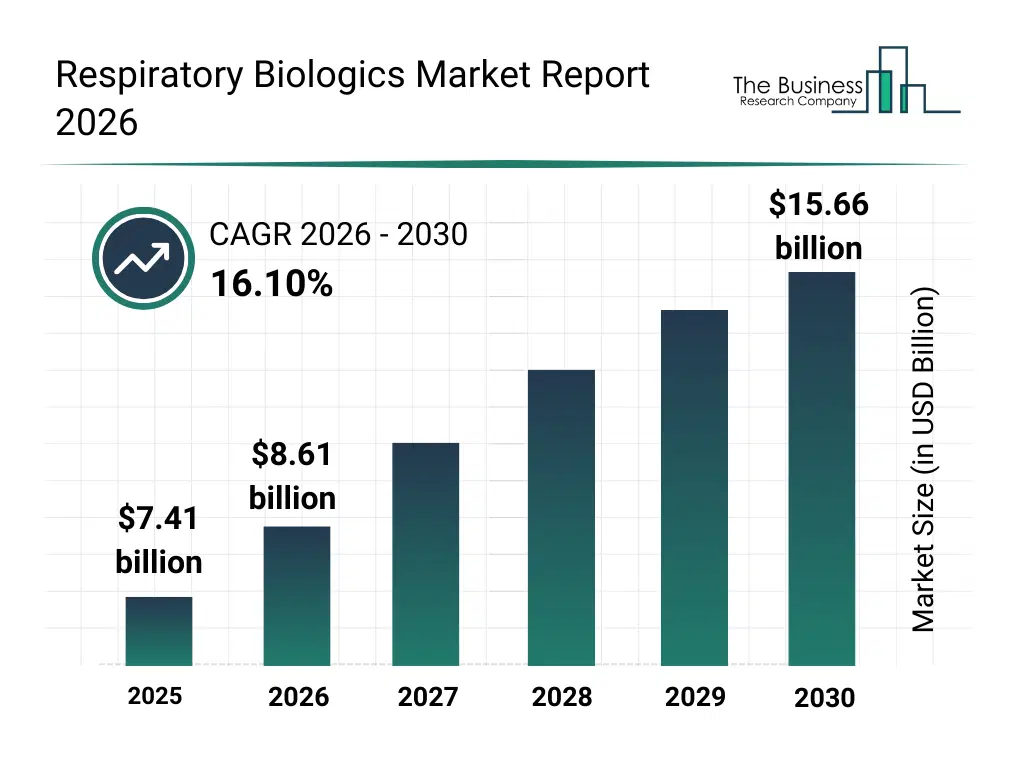
What Is The Respiratory Biologics Market Size and Share 2026?
The respiratory biologics market size has grown rapidly in recent years. It will grow from $7.41 billion in 2025 to $8.61 billion in 2026 at a compound annual growth rate (CAGR) of 16.3%. The growth in the historic period can be attributed to limitations of conventional inhalers, rising severe asthma cases, biologic therapy approvals, improved immunology research, specialty clinic expansion.What Is The Respiratory Biologics Market Growth Forecast?
The respiratory biologics market size is expected to see rapid growth in the next few years. It will grow to $15.66 billion in 2030 at a compound annual growth rate (CAGR) of 16.1%. The growth in the forecast period can be attributed to precision respiratory medicine growth, expansion of biologics pipelines, rising healthcare spending, improved reimbursement policies, unmet needs in severe respiratory disease. Major trends in the forecast period include rising adoption of targeted biologic therapies, expansion of severe asthma treatments, growth of biomarker-based patient selection, increasing use of injectable respiratory drugs, shift toward long-acting biologic agents.
Global Respiratory Biologics Market Segmentation
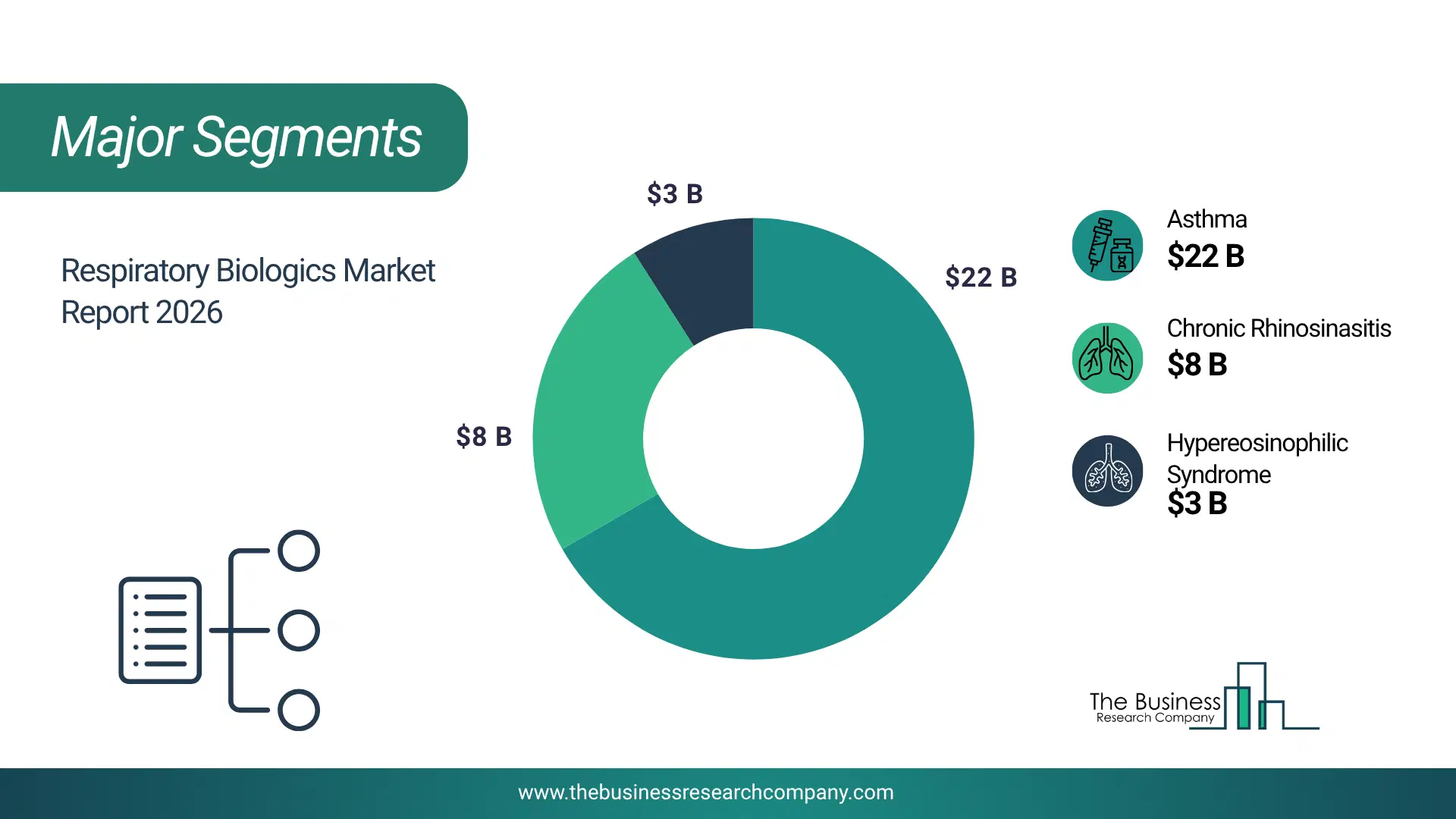
1) By Disease Indication: Asthma, Chronic Rhinosinasitis, Hypereosinophilic Syndrome 2) By Route Of Administration: Intravenous, Subcutaneous 3) By Sales Channel: Hospitals, Specialty Clinics, Retail Pharmacies, Mail Order Pharmacies Subsegments: 1) By Asthma: Severe Eosinophilic Asthma, Allergic Asthma, Non-Allergic Asthma 2) By Chronic Rhinosinasitis: Chronic Rhinosinusitis: Chronic Rhinosinusitis with Nasal Polyps, Chronic Rhinosinusitis without Nasal Polyps 3) By Hypereosinophilic Syndrome (HES): Idiopathic HES, Lymphocytic Variant HES, Myeloproliferative HES The top segments in the respiratory biologics market will be: • Asthma will reach $22.37 Billion by 2030. • Chronic Rhinosinasitis will reach $7.97 Billion by 2030. • Hypereosinophilic Syndrome will reach $3.13 Billion by 2030.What Is The Driver Of The Respiratory Biologics Market?
The rise in air pollution is expected to propel the growth of the respiratory biologics market going forward. Air pollution refers to the presence of harmful substances such as gases, particulate matter, and biological molecules in the Earth's atmosphere, which can negatively impact human health and the environment. Air pollution is increasing due to rising industrialization and urbanization, leading to higher emissions of pollutants from factories, vehicles, and construction activities. Respiratory biologics help combat the health effects of air pollution by providing targeted therapies that reduce inflammation and improve lung function in individuals exposed to airborne pollutants. For instance, in January 2025, according to the Environmental Protection Agency, a US-based government agency, the United States released over 66 million tons of pollutants into the atmosphere in 2023. Therefore, the rise in air pollution is driving the growth of the respiratory biologics industry.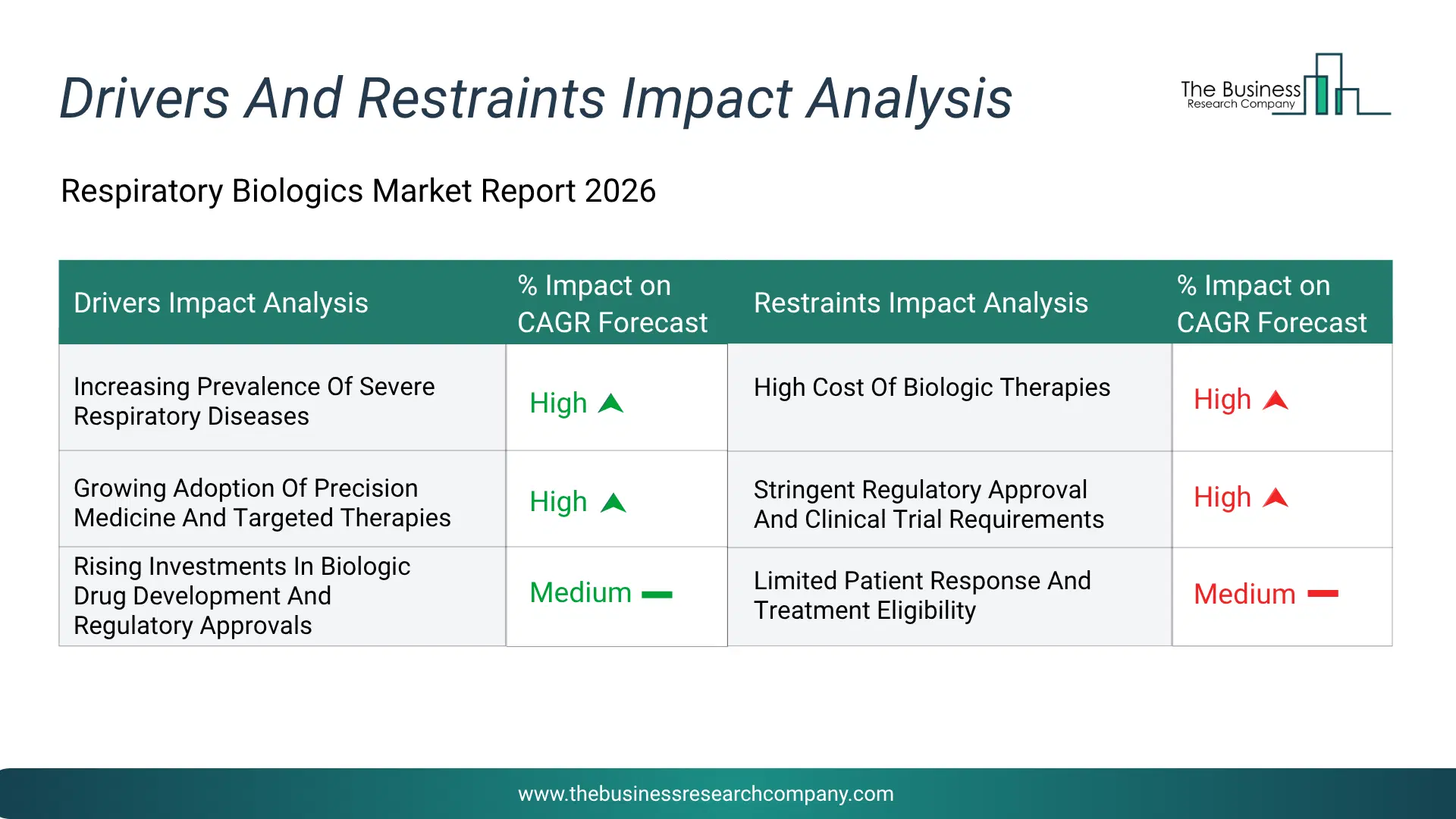
Infographic Chart Showing Key Market Drivers Analysis And Restraints For Respiratory Biologics Market
The chart presents an impact analysis of key drivers and restraints, quantifying their relative influence on the market's growth rate and helping assess the balance between growth enablers and limiting factors. This chart offers a high-level perspective; the full report contains more detailed insights.
How Will The Drivers Impact Growth In The Global Respiratory Biologics Market?
• Increasing Prevalence Of Severe Respiratory Diseases (High) – During the forecast period, the increasing prevalence of severe respiratory diseases is expected to become a key growth driver for the Respiratory Biologics market by 2030. Rising incidence of complex respiratory conditions, including severe asthma and eosinophilic disorders, is creating greater demand for advanced therapeutic interventions capable of delivering sustained disease control. Traditional treatment approaches often provide limited effectiveness for patients with severe manifestations, encouraging the use of biologics that target underlying immune mechanisms. Growing awareness among healthcare providers and patients regarding disease management is further supporting treatment uptake. • Growing Adoption Of Precision Medicine And Targeted Therapies (High) – During the forecast period, the growing adoption of precision medicine and targeted therapies is expected to emerge as a major factor driving the expansion of the Respiratory Biologics market by 2030. Advances in biomarker identification and patient stratification techniques are enabling more personalized treatment strategies for respiratory disorders. Healthcare systems are increasingly focusing on therapies that deliver improved efficacy while reducing unnecessary treatment burden. The availability of biologics designed to address specific inflammatory pathways is strengthening confidence in precision-based care approaches. • Rising Investments In Biologic Drug Development And Regulatory Approvals (Medium) – During the forecast period, the rising investments in biologic drug development and regulatory approvals are expected to act as a key growth catalyst for the Respiratory Biologics market by 2030. Biopharmaceutical companies are expanding research pipelines and accelerating clinical development programs to address unmet needs in respiratory care. Increasing regulatory support for innovative therapies is facilitating faster market entry of novel biologic treatments. Strategic collaborations between research institutions and industry participants are also strengthening innovation capabilities and expanding therapeutic options.How Will The Restraints Impact Growth In The Global Respiratory Biologics Market?
• High Cost Of Biologic Therapies (High) – During the forecast period, the high cost of biologic therapies acts as a major restraint for the respiratory biologics market by limiting patient access and affordability, particularly in developing and price-sensitive regions. Respiratory biologics involve complex manufacturing processes, advanced biotechnology infrastructure, and extensive clinical testing, which significantly increase treatment costs compared to conventional respiratory medications. Many patients require long-term therapy, creating a substantial financial burden on healthcare systems and individuals without comprehensive insurance coverage. In addition, reimbursement limitations and strict payer approval criteria reduce the adoption of biologics among eligible patients. These pricing challenges restrict market penetration and slow the overall expansion of the respiratory biologics market. • Stringent Regulatory Approval And Clinical Trial Requirements (High) – During the forecast period, the stringent regulatory approval and clinical trial requirements act as an important restraint for the respiratory biologics market by increasing the time, complexity, and cost associated with product development. Biologic therapies must undergo extensive clinical evaluations to demonstrate long-term safety, efficacy, and immunological compatibility before receiving regulatory approval. The lengthy approval process often delays product commercialization and increases financial risks for pharmaceutical manufacturers. In addition, regulatory agencies impose strict manufacturing and quality control standards for biologic products, further raising operational expenses. These regulatory challenges can discourage smaller biotechnology firms from entering the market and limit the pace of innovation. • Limited Patient Response And Treatment Eligibility (Medium) – During the forecast period, the limited patient response and treatment eligibility acts as a key restraint for the respiratory biologics market by restricting the addressable patient population for targeted therapies. Respiratory biologics are generally designed for specific inflammatory pathways and are most effective only in patients with particular biomarkers or severe disease phenotypes. Many respiratory patients may not qualify for biologic treatment due to inadequate biomarker expression, mild disease severity, or inconsistent clinical response. Furthermore, some patients may experience reduced effectiveness over time or require combination therapies to maintain disease control. These limitations reduce the overall adoption potential of biologics and create challenges for widespread market growth.Key Players In The Global Respiratory Biologics Market
Major companies operating in the respiratory biologics market are Sanofi S.A., AstraZeneca plc, GlaxoSmithKline plc, Regeneron Pharmaceuticals Inc., Novartis AG, F. Hoffmann-La Roche Ltd., Amgen Inc., Swedish Orphan Biovitrum AB, Teva Pharmaceutical Industries Ltd., AbbVie Inc., Pfizer Inc., Merck & Co. Inc., Bristol Myers Squibb Company, Johnson & Johnson, Boehringer Ingelheim International GmbH, Biogen Inc., Vertex Pharmaceuticals Incorporated, Glenmark Pharmaceuticals Ltd., Kiniksa Pharmaceuticals Ltd., Pieris Pharmaceuticals Inc.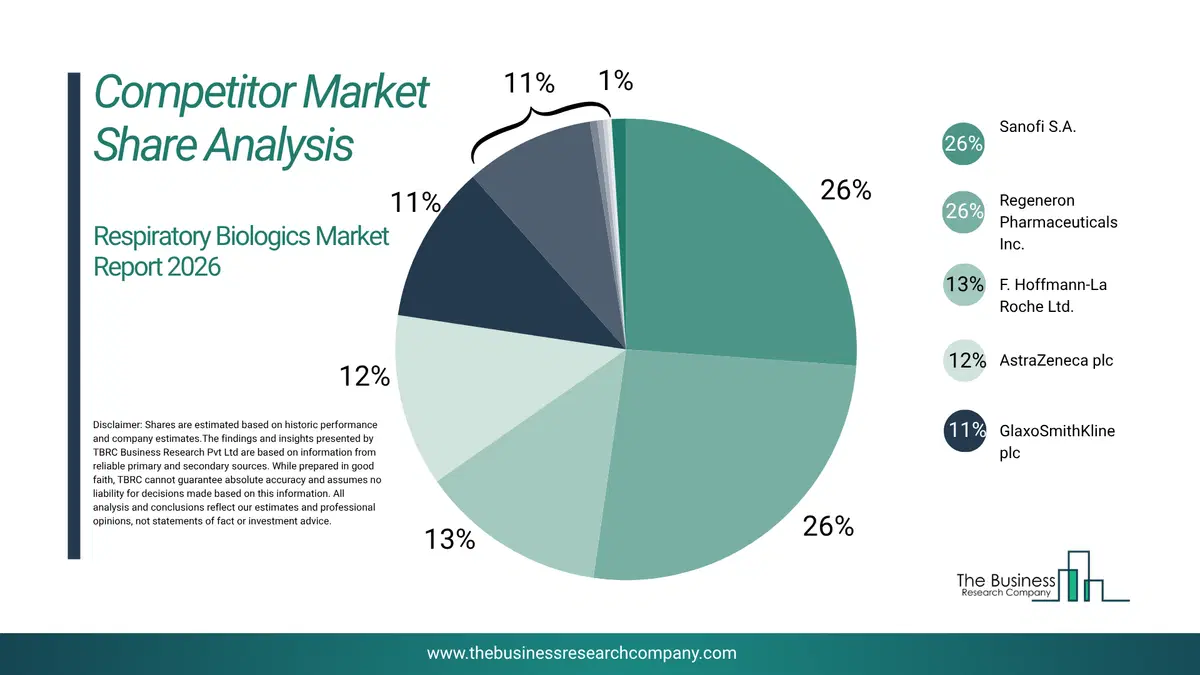
This chart is for illustrative purposes; the full report includes a detailed competitor analysis and comprehensive overview of the top 10 companies in the market.
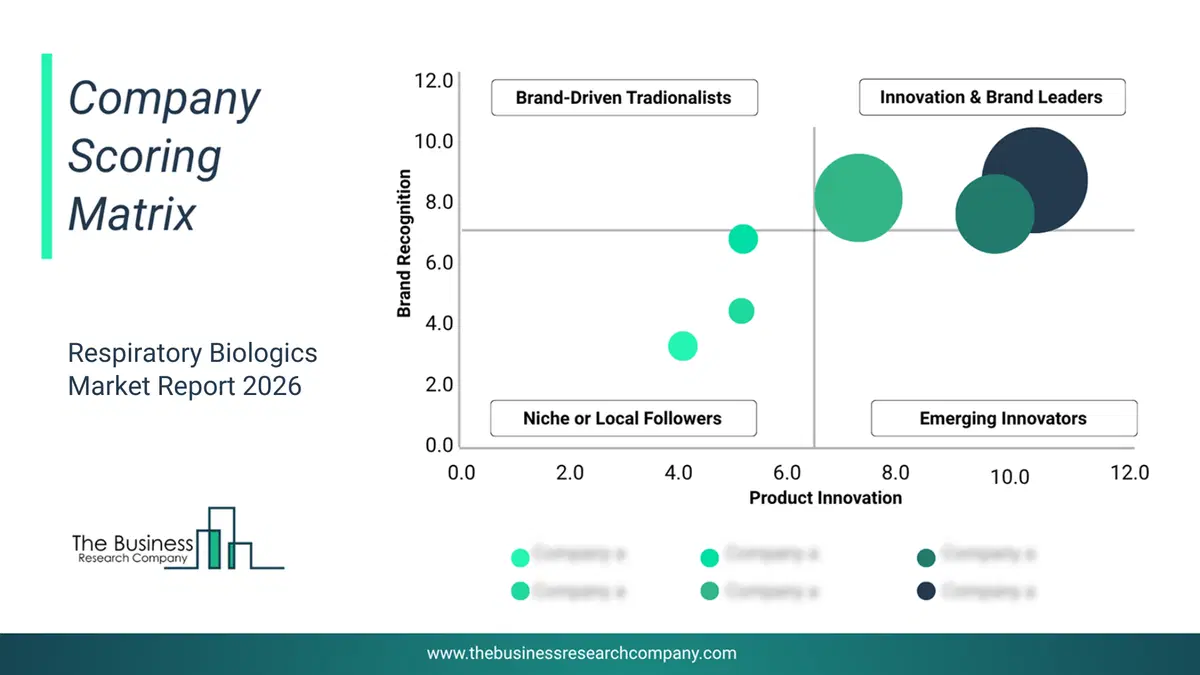
This chart maps companies by product innovation and brand strength, with bubble size indicating relative revenue, helping identify market leaders, challengers, and niche players. This is an illustrative chart; the full report provides a complete and accurate competitive analysis.
Global Respiratory Biologics Market Trends and Insights
Major companies operating in the respiratory biologics market are focusing on developing innovative biologic therapies, such as targeted immune therapies for chronic respiratory diseases, to provide targeted treatments that reduce inflammation and improve lung function. Targeted immune therapies for chronic respiratory diseases are treatments that help control the body’s defense system to reduce swelling and breathing problems in long-term lung conditions. For instance, in September 2024, Sanofi S.A., a France-based pharmaceutical company, announced that the US Food and Drug Administration (FDA) approved Dupixent (dupilumab) as an add-on maintenance therapy for adults with inadequately controlled chronic obstructive pulmonary disease (COPD) who had an eosinophilic phenotype. This approval marked a significant milestone, as Dupixent became the first biologic medicine authorized in the US for treating this specific group of COPD patients.What Are Latest Mergers And Acquisitions In The Respiratory Biologics Market?
In February 2024, GlaxoSmithKline plc, a UK-based pharmaceutical company, acquired Aiolos Bio for an undisclosed amount. With this acquisition, GSK aims to strengthen its respiratory and immunology portfolio by accessing Aiolos Bio’s innovative treatments for inflammatory and immune-mediated diseases. Aiolos Bio is a US-based company that focuses on developing biological therapies for respiratory and inflammatory diseases.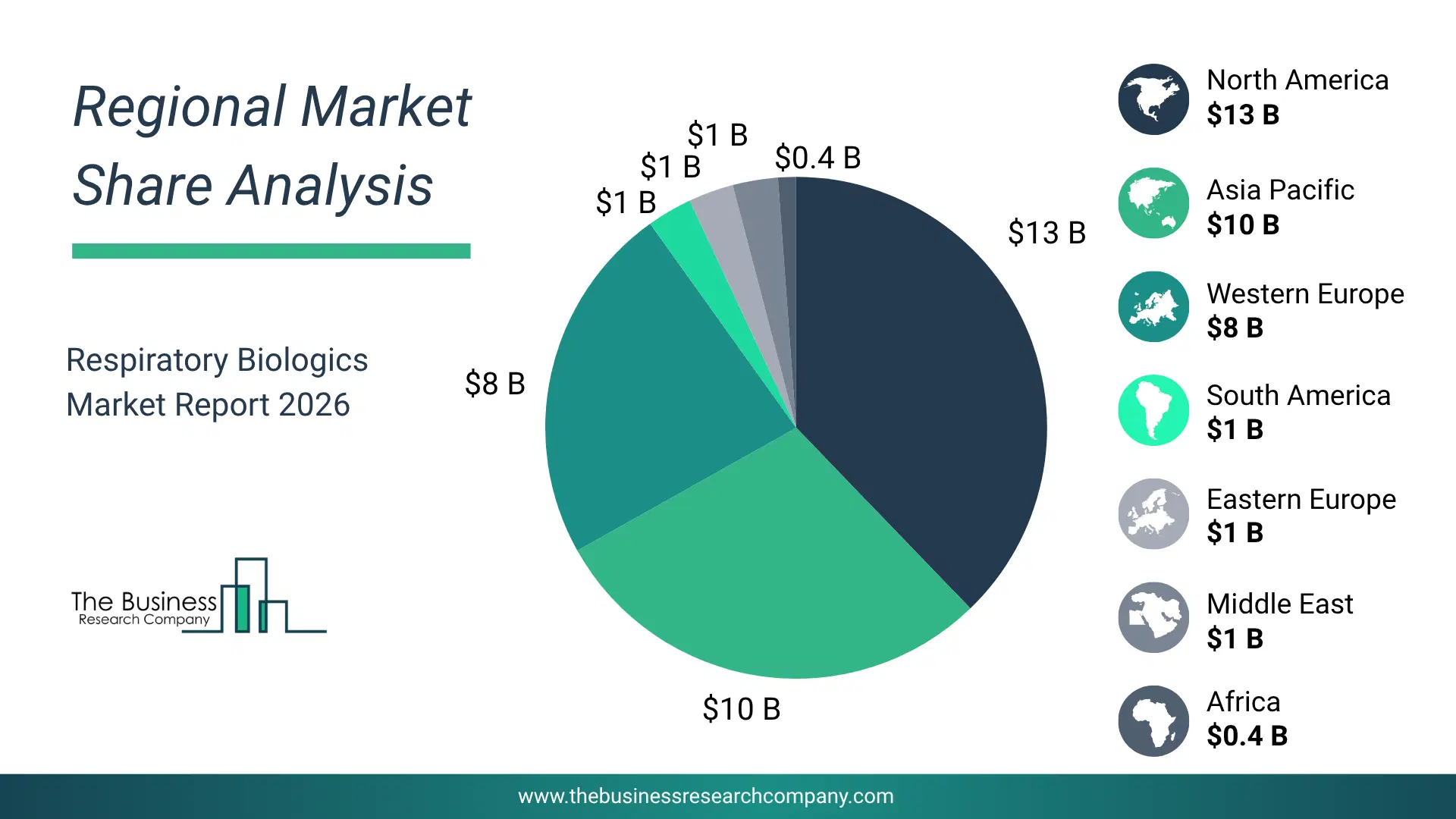
Regional Insights
North America was the largest region in the respiratory biologics market in 2025. Asia-Pacific is expected to be the fastest-growing region in the forecast period. The regions covered in this market report are Asia-Pacific, South East Asia, Western Europe, Eastern Europe, North America, South America, Middle East, Africa. The countries covered in this market report are Australia, Brazil, China, France, Germany, India, Indonesia, Japan, Taiwan, Russia, South Korea, UK, USA, Canada, Italy, Spain.What Defines the Respiratory Biologics Market?
The respiratory biologics market consists of sales of monoclonal antibodies (mAbs), interleukin inhibitors, and immunomodulators. Values in this market are ‘factory gate’ values, that is the value of goods sold by the manufacturers or creators of the goods, whether to other entities (including downstream manufacturers, wholesalers, distributors and retailers) or directly to end customers. The value of goods in this market includes related services sold by the creators of the goods.How is Market Value Defined and Measured?
The market value is defined as the revenues that enterprises gain from the sale of goods and/or services within the specified market and geography through sales, grants, or donations in terms of the currency (in USD unless otherwise specified). The revenues for a specified geography are consumption values that are revenues generated by organizations in the specified geography within the market, irrespective of where they are produced. It does not include revenues from resales along the supply chain, either further along the supply chain or as part of other products.
This chart presents market attractiveness based on a quantitative evaluation of growth, competition, strategic alignment, and risk, offering a clear view of opportunity areas for decision-making. This chart is for illustrative purposes; the full report contains the complete analysis.

This chart highlights the Total Addressable Market (TAM) by estimating the maximum revenue opportunity using an assumption-driven approach, supporting strategic planning and opportunity sizing across markets. The chart is illustrative; the full report provides a more comprehensive analysis.
What Key Data and Analysis Are Included in the Respiratory Biologics Market Report 2026?
The respiratory biologics market research report is one of a series of new reports from The Business Research Company that provides market statistics, including industry global market size, regional shares, competitors with the market share, detailed market segments, market trends and opportunities, and any further data you may need to thrive in the respiratory biologics industry. The market research report delivers a complete perspective of everything you need, with an in-depth analysis of the current and future state of the industry.Respiratory Biologics Market Report Forecast Analysis
| Report Attribute | Details |
|---|---|
| Market Size Value In 2026 | $8.61 billion |
| Revenue Forecast In 2030 | $15.66 billion |
| Growth Rate | CAGR of 16.3% from 2026 to 2030 |
| Base Year For Estimation | 2025 |
| Actual Estimates/Historical Data | 2020-2025 |
| Forecast Period | 2026 - 2030 |
| Market Representation | Revenue in USD Billion and CAGR from 2026 to 2030 |
| Segments Covered | Disease Indication, Route Of Administration, Sales Channel |
| Regional Scope | Asia-Pacific, Western Europe, Eastern Europe, North America, South America, Middle East, Africa |
| Country Scope | The countries covered in the report are Australia, Brazil, China, France, Germany, India, Indonesia, Japan, Taiwan, Russia, South Korea, UK, USA, Canada, Italy, Spain. |
| Key Companies Profiled | Sanofi S.A., AstraZeneca plc, GlaxoSmithKline plc, Regeneron Pharmaceuticals Inc., Novartis AG, F. Hoffmann-La Roche Ltd., Amgen Inc., Swedish Orphan Biovitrum AB, Teva Pharmaceutical Industries Ltd., AbbVie Inc., Pfizer Inc., Merck & Co. Inc., Bristol Myers Squibb Company, Johnson & Johnson, Boehringer Ingelheim International GmbH, Biogen Inc., Vertex Pharmaceuticals Incorporated, Glenmark Pharmaceuticals Ltd., Kiniksa Pharmaceuticals Ltd., Pieris Pharmaceuticals Inc. |
| Customization Scope | Request for Customization |
| Pricing And Purchase Options | Explore Purchase Options |