
Digital Personalized Nutrition Market Report 2026
Global Outlook – By Purchase Model (Subscription, One Time Purchase), By Application (Generic Health And Fitness, Disease Based, Sports Nutrition), By End-User (Direct Consumers, Wellness And Fitness Centers, Hospitals And Clinics, Institutions) - Market Size, Trends, And Global Forecast 2026-2030
Digital Personalized Nutrition Market Overview
• Digital Personalized Nutrition market size has reached to $0.91 billion in 2025 • Expected to grow to $2.32 billion in 2030 at a compound annual growth rate (CAGR) of 20.6% • Growth Driver: Rising Lifestyle Diseases Drive Growth In The Digital Personalized Nutrition Market • Market Trend: AI-Driven Platforms Revolutionize Digital Personalized Nutrition With Real-Time Health Monitoring • North America was the largest region in 2025.Market Gains By 2030 – Top Opportunities By Segment
Market Gain identifies the most promising market opportunities by highlighting the segments or products expected to generate the highest incremental revenue growth over the next five years.
What Is Covered Under Digital Personalized Nutrition Market?
Digital personalized nutrition refers to a tailored approach to dietary recommendations and meal planning that leverages digital technology and data analytics. It uses individual-specific information, such as genetic data, health metrics, lifestyle habits, and personal preferences, to create customized nutrition plans. Digital personalized nutrition aims to optimize individual health and wellness by providing tailored dietary guidance that is more effective than generalized recommendations. The main purchase models in the digital personalized nutrition market are subscription and one time purchase. A subscription model of digital personalized nutrition refers to a recurring service where customers pay a regular fee (monthly, quarterly, or annually) to receive ongoing access to personalized nutrition plans, dietary recommendations, and continuous support through digital platforms. The various applications include generic health and fitness, disease based, and sports nutrition, and several end-users including direct consumers, wellness and fitness centers, hospitals and clinics, and institutions.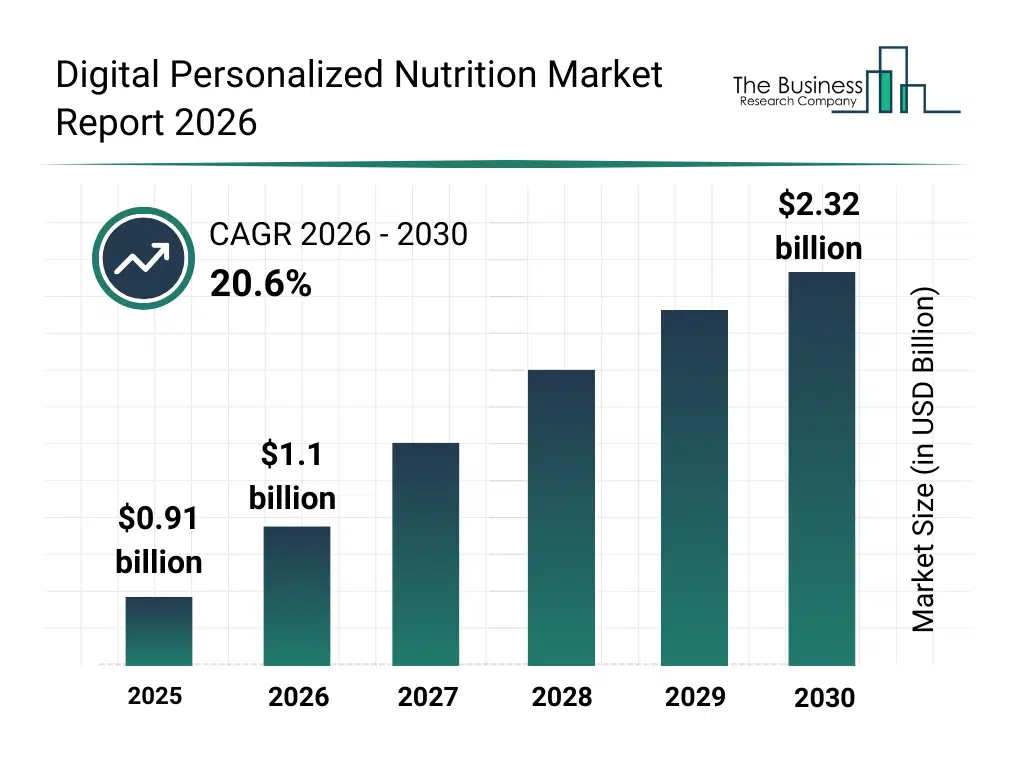
What Is The Digital Personalized Nutrition Market Size and Share 2026?
The digital personalized nutrition market size has grown exponentially in recent years. It will grow from $0.91 billion in 2025 to $1.1 billion in 2026 at a compound annual growth rate (CAGR) of 20.9%. The growth in the historic period can be attributed to growth in health and wellness awareness, expansion of digital health platforms, increasing consumer interest in personalized diets, availability of nutritional testing kits, rising adoption of mobile health apps.What Is The Digital Personalized Nutrition Market Growth Forecast?
The digital personalized nutrition market size is expected to see exponential growth in the next few years. It will grow to $2.32 billion in 2030 at a compound annual growth rate (CAGR) of 20.6%. The growth in the forecast period can be attributed to increasing integration of ai and data analytics in nutrition, rising demand for disease-specific diet solutions, expansion of direct-to-consumer health services, growing partnerships with healthcare providers, increasing focus on long-term wellness optimization. Major trends in the forecast period include increasing adoption of AI-driven nutrition recommendation platforms, rising use of genetic and microbiome data in diet planning, growing demand for subscription-based personalized nutrition services, expansion of mobile nutrition tracking applications, enhanced focus on preventive health and wellness.
Global Digital Personalized Nutrition Market Segmentation
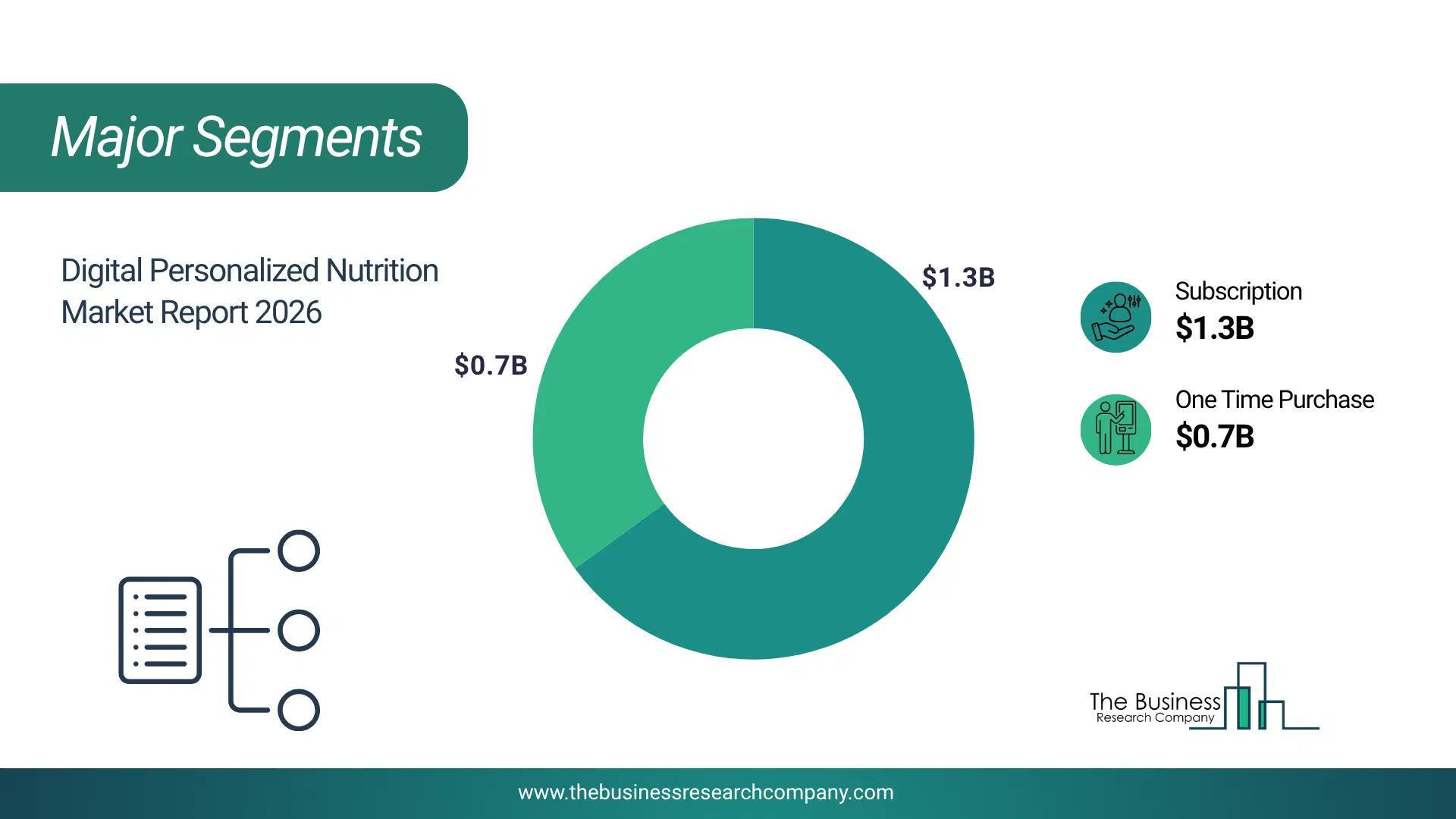
1) By Purchase Model: Subscription, One Time Purchase 2) By Application: Generic Health And Fitness, Disease Based, Sports Nutrition 3) By End-User: Direct Consumers, Wellness And Fitness Centers, Hospitals And Clinics, Institutions Subsegments: 1) By Subscription: Monthly Subscription Plans, Quarterly Subscription Plans, Annual Subscription Plans, Personalized Meal Plans Subscription, Nutritional Supplement Subscription, AI-Based Subscription Nutrition Services 2) By One-Time Purchase: Single Purchase of Personalized Nutrition Plans, One-Time Purchase Of Nutritional Supplements, Custom Meal Kit Purchases, One-Time Purchase Of Nutritional Assessments, Single Purchase of DNA Or Blood Testing Kits For Nutrition The top segments in the digital personalized nutrition market will be: • Subscription will reach $1.23 billion by 2030. • One Time Purchase will reach $0.66 billion by 2030.What Is The Driver Of The Digital Personalized Nutrition Market?
The increasing incidence of lifestyle diseases is expected to propel the growth of the digital personalized nutrition market going forward. Lifestyle diseases are health conditions primarily caused or exacerbated by an individual's lifestyle choices and behaviors rather than by infections or genetic factors alone. These diseases are often related to factors such as diet, physical activity, smoking, alcohol consumption, and stress. The various lifestyle diseases involved are heart disease, diabetes, obesity, and more. The incidence of lifestyle diseases is due to modernization, urbanization, sedentary lifestyles, poor diet, increased consumption of processed foods, and higher levels of stress. Digital personalized nutrition helps manage lifestyle diseases by providing tailored dietary recommendations based on an individual's unique health data, which can improve nutrition, support healthier habits, and reduce the risk or severity of conditions like diabetes, obesity, and cardiovascular disease. For instance, in 2024, according to the International Diabetes Federation, a US-based umbrella organization, approximately 537 million adults (20-79 years) were living with diabetes in the world, which is projected to rise to 643 million by 2030 and 783 million by 2045. Therefore, the increasing incidence of lifestyle diseases is driving the growth of the digital personalized nutrition industry.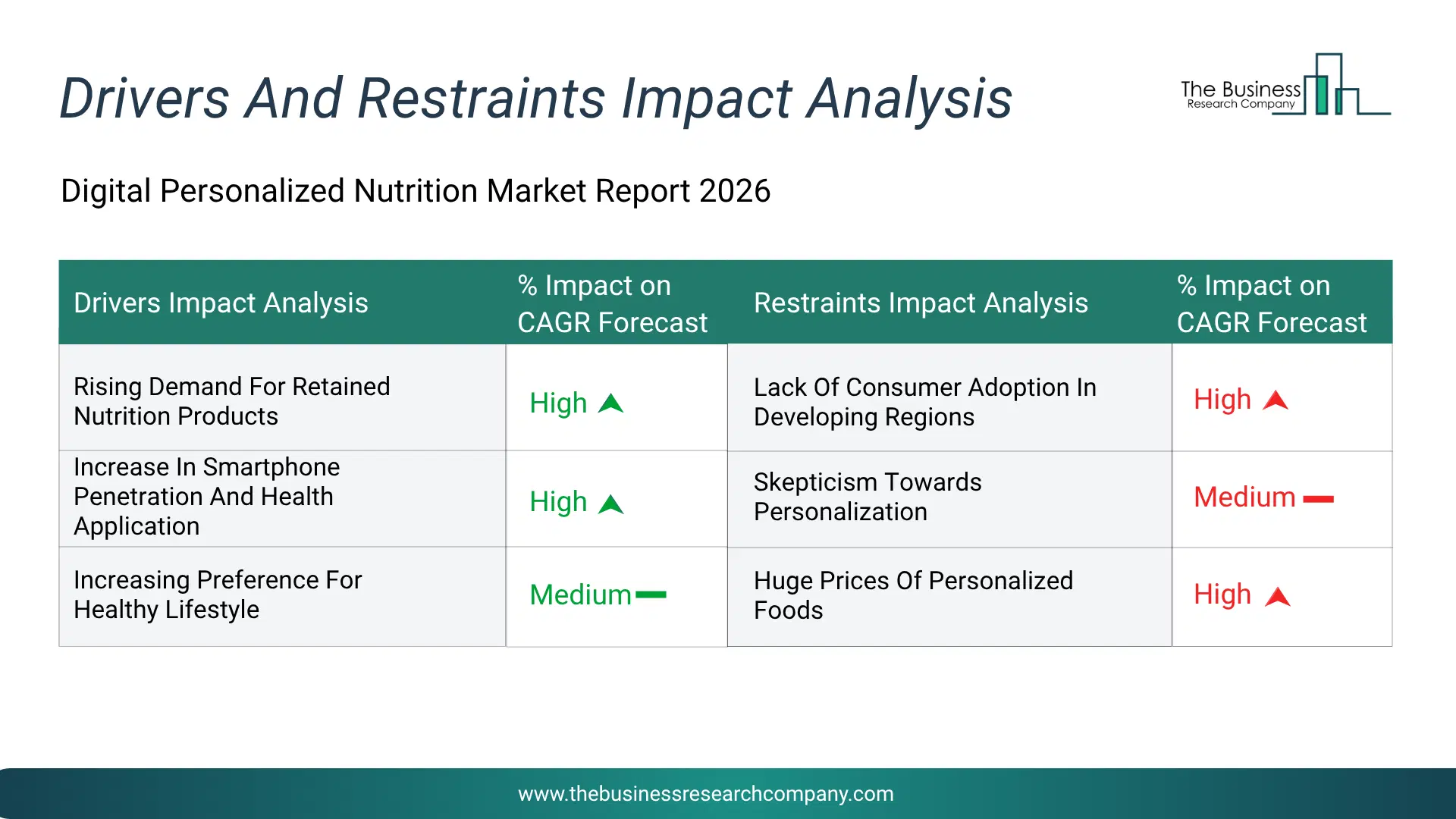
Infographic Chart Showing Key Market Drivers Analysis And Restraints For Digital Personalized Nutrition Market
The chart presents an impact analysis of key drivers and restraints, quantifying their relative influence on the market's growth rate and helping assess the balance between growth enablers and limiting factors. This chart offers a high-level perspective; the full report contains more detailed insights.
How Will The Drivers Impact Growth In The Global Digital Personalized Nutrition Market?
• Rising Demand For Retained Nutrition Products (High) – During the forecast period, the growing demand for personalized nutrition products is expected to be a key driver of the digital personalized nutrition market by 2030. Consumers are increasingly shifting away from generic diet plans toward solutions tailored to their individual health conditions, metabolic profiles, and wellness objectives. Advanced technologies such as genetic testing, microbiome analysis, and real -time health data tracking enable platforms to deliver customized dietary recommendations, supplements, and nutrition plans. Heightened awareness of the link between diet and chronic diseases, including obesity, diabetes, and cardiovascular conditions, is further accelerating this trend. Companies are responding by offering dna -based diet programs, personalized supplement subscriptions, and targeted nutrition kits. Integration with digital platforms allows continuous monitoring and dynamic adjustments, enhancing effectiveness and user satisfaction. • Increase In Smartphone Penetration And Health Application (High) – During the forecast period, the rapid increase in smartphone usage and health-focused applications is anticipated to significantly support the growth of the digital personalized nutrition market by 2030. Smartphones serve as accessible tools for managing nutrition through features such as diet tracking, health monitoring, and real-time guidance. Integration with wearable devices and sensors enables the collection of detailed personal data, including activity levels, sleep patterns, and calorie intake, which is analyzed to generate tailored recommendations. The convenience and widespread availability of mobile health apps have broadened access to personalized nutrition services across diverse populations. Additionally, these platforms facilitate virtual consultations with nutrition professionals, improving user engagement and adherence. • Increasing Preference For Healthy Lifestyle (Medium) – During the forecast period, the increasing inclination toward healthier living is set to be a major growth catalyst for the digital personalized nutrition market by 2030. Consumers are placing greater emphasis on balanced diets, weight management, and overall well-being, driven by rising awareness of lifestyle-related diseases and improved access to health information. Personalized nutrition platforms support this shift by offering tailored meal plans, targeted nutritional guidance, and behavior-focused coaching aligned with individual health goals. Continuous data input from wearable devices and health monitoring tools allows these platforms to refine recommendations over time, improving outcomes. As preventive healthcare gains prominence over reactive treatment approaches, personalized nutrition is emerging as a key solution for long-term health management.How Will The Restraints Impact Growth In The Global Digital Personalized Nutrition Market?
• Lack Of Consumer Adoption In Developing Regions (High) – During the forecast period, the limited consumer adoption in developing regions acts as a restraint for the digital personalized nutrition market because awareness of personalized nutrition services and technologies remains relatively low. Many consumers in emerging economies are still unfamiliar with concepts such as genetic testing, microbiome analysis, and app-based dietary guidance. In addition, limited digital infrastructure, lower smartphone penetration in certain areas, and restricted access to advanced healthcare technologies can slow adoption. Economic priorities in developing regions also tend to focus on essential healthcare and basic nutrition rather than personalized health services. As a result, demand for advanced offerings such as dna testing kits, wearable-integrated nutrition platforms, and digital coaching services remains limited. Cultural preferences and reliance on traditional dietary practices may also reduce interest in digitally guided nutrition plans. Furthermore, healthcare systems in several developing markets may not actively promote preventive health technologies, which delays the integration of personalized nutrition tools. These factors collectively restrict market penetration and slow overall revenue growth in these regions. • Skepticism Towards Personalization (Medium) – During the forecast period, the consumer skepticism toward personalized nutrition services also restrains market growth, as some individuals question the reliability and scientific validity of diet recommendations based on genetic or microbiome data. Since personalized nutrition combines multiple data sources such as lifestyle information, health metrics, and genetic testing, many consumers remain uncertain about the accuracy of the results and the effectiveness of the recommended dietary plans. Concerns regarding data privacy and the storage of sensitive health and genetic information can further discourage individuals from using digital nutrition platforms. In addition, inconsistent regulatory frameworks and the presence of unverified nutrition solutions in the market may reduce consumer trust. Some healthcare professionals also express caution about the clinical evidence supporting certain personalized diet models, which can influence consumer perceptions. As a result, hesitation to share personal data or invest in personalized nutrition services slows adoption rates. This skepticism reduces customer engagement with digital platforms and limits the expansion of services such as genetic testing kits, personalized meal planning apps, and ai-driven nutrition guidance. • Huge Prices Of Personalized Foods (High) – During the forecast period, the the high cost associated with personalized nutrition services and products is another significant restraint for the market. Digital personalized nutrition often requires advanced technologies such as genetic testing, microbiome analysis, wearable device integration, and continuous digital monitoring, all of which increase the overall service cost. In addition to testing kits, consumers may need to pay subscription fees for mobile applications, online consultations with nutrition experts, and customized meal delivery services. Personalized foods and supplements designed according to individual health data also tend to be more expensive than conventional dietary products. These high prices can discourage price-sensitive consumers from adopting such services, particularly in regions with lower disposable income. Even in developed markets, consumers may view personalized nutrition plans as premium wellness offerings rather than essential healthcare solutions. Consequently, affordability challenges limit widespread adoption and slow market expansion, as only a relatively small segment of health-conscious or high-income consumers may be willing to pay for these customized services.Key Players In The Global Digital Personalized Nutrition Market
Major companies operating in the digital personalized nutrition market are Noom Inc., 23andMe Holding Co., MyFitnessPal Inc., DayTwo Inc., Nutrisense Inc., Viome Life Sciences Inc., Lumen Technologies Inc, Healthifyme Wellness Products and Services Private Limited, Nutrium, Habit LLC, Levels Health Inc., Lifesum AB, Second Nature Healthy Habits Ltd, InsideTracker, BiogeniQ Inc., CircleDNA, Persona Nutrition, Nutrigenomix Inc., Rootine, Caligenix Inc., GenoPalate Inc., Culina Health Inc., Baze Labs GmbH, Foodvisor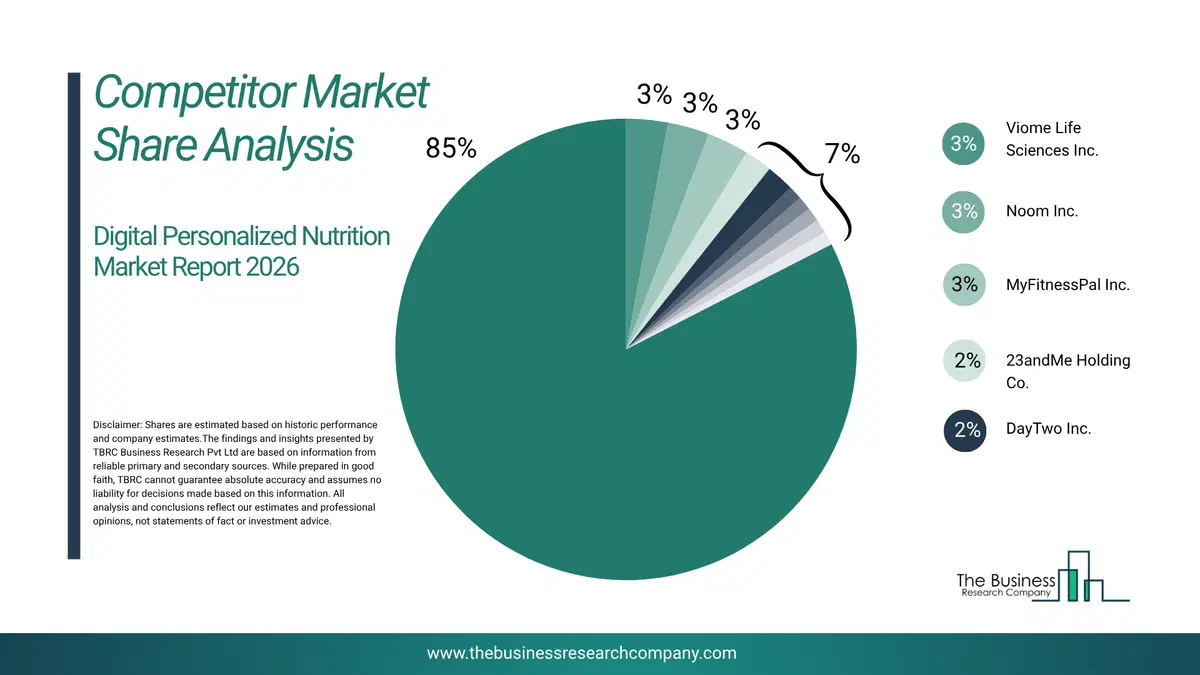
This chart is for illustrative purposes; the full report includes a detailed competitor analysis and comprehensive overview of the top 10 companies in the market.
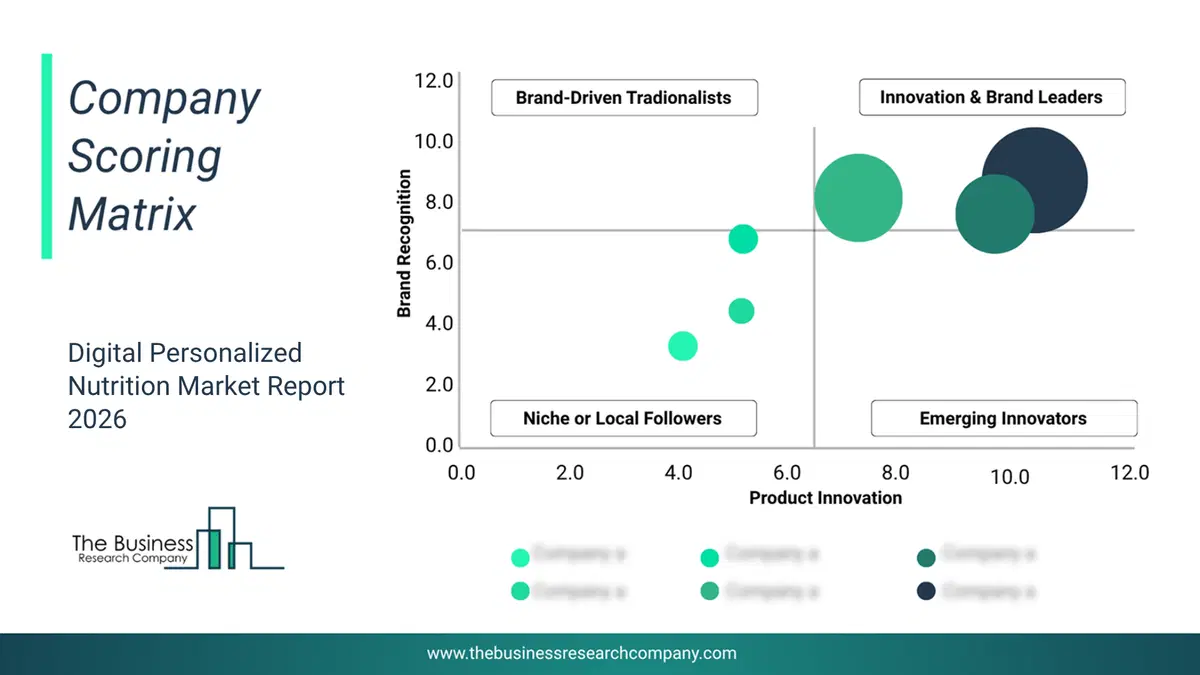
This chart maps companies by product innovation and brand strength, with bubble size indicating relative revenue, helping identify market leaders, challengers, and niche players. This is an illustrative chart; the full report provides a complete and accurate competitive analysis.
Global Digital Personalized Nutrition Market Trends and Insights
Major companies operating in the digital personalized nutrition market are focusing on technological advancements such as AI-driven nutrition platforms to deliver more accurate, personalized dietary recommendations, enhance user engagement, and improve health outcomes for individuals with lifestyle-related diseases. AI-driven nutrition platforms use artificial intelligence to analyze individual health data and create personalized nutrition plans for optimized health. For instance, in December 2023, Helo Corp, a US-based company specializing in health and wellness technologies, launched Nutramatic, an AI-powered personalized nutrition service. Nutramatic offers a tailored diet plan based on comprehensive health assessments, continuous dietary recommendations, and integration with wearable devices. The platform also features real-time monitoring of health metrics and adaptive recommendations to enhance user wellness.What Are Latest Mergers And Acquisitions In The Digital Personalized Nutrition Market?
In November 2023, Viome Life Sciences, a US-based company that offers customized dietary recommendations based on advanced health and microbiome insights, acquired Naring Health for an undisclosed amount. This acquisition will enhance Viome's ability to offer more comprehensive and tailored nutrition solutions, leveraging Naring Health's expertise and technology. Naring Health is a US-based digital health and wellness company that delivers personalized clinical and molecular data for informed decision-making.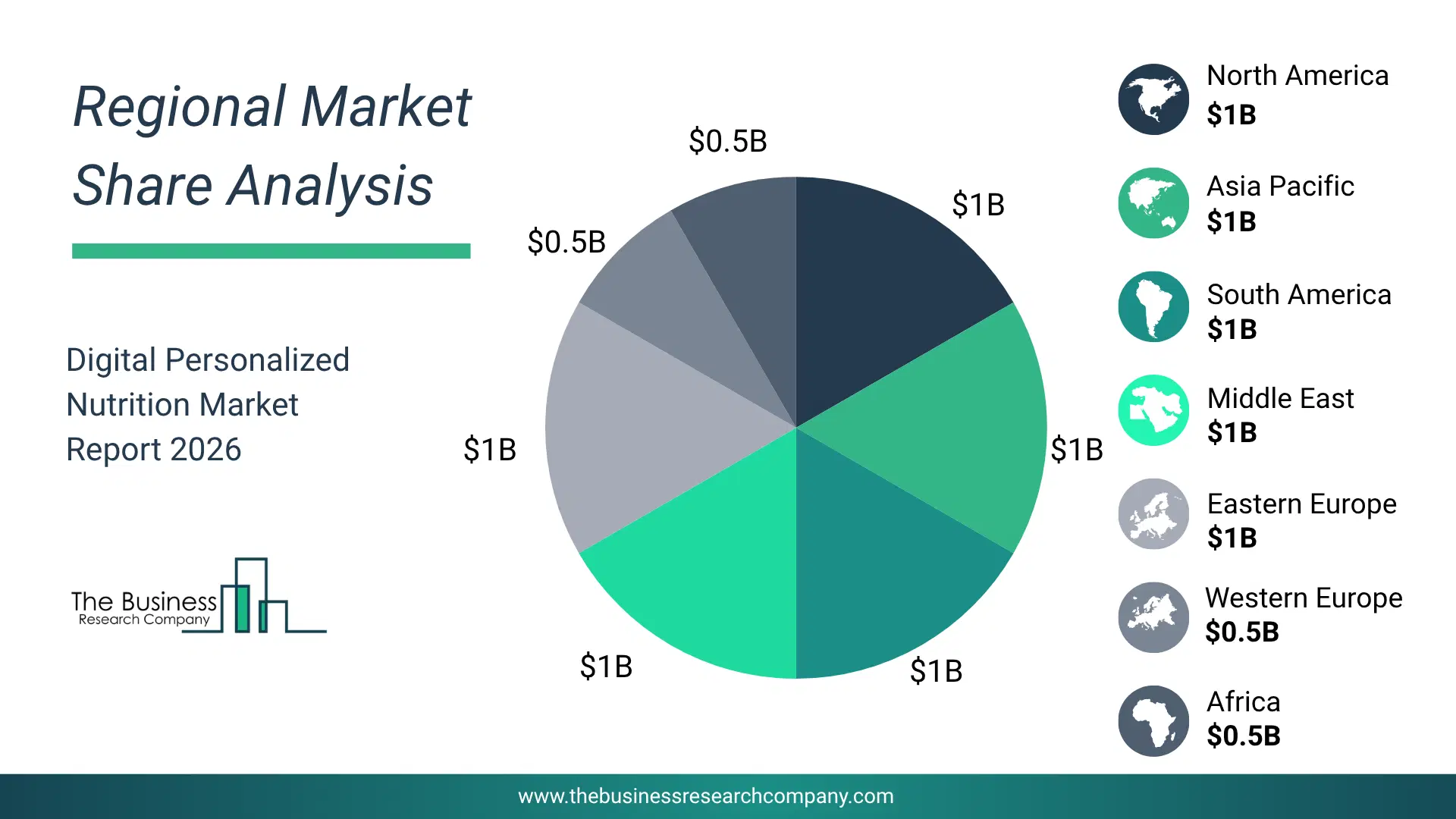
Regional Outlook
North America was the largest region in the digital personalized nutrition market in 2025. The regions covered in this market report are Asia-Pacific, South East Asia, Western Europe, Eastern Europe, North America, South America, Middle East, Africa. The countries covered in this market report are Australia, Brazil, China, France, Germany, India, Indonesia, Japan, Taiwan, Russia, South Korea, UK, USA, Canada, Italy, Spain.What Defines the Digital Personalized Nutrition Market?
The digital personalized nutrition market consists of revenues earned by entities by providing services such as personalized meal plans, genetic testing, wearable devices, mobile apps, online consultations, nutritional supplements, food sensitivity testing, behavioral coaching, and meal delivery services. The market value includes the value of related goods sold by the service provider or included within the service offering. The digital personalized nutrition market includes sales of genetic testing kits, food sensitivity test kits, and DNA and microbiome testing kits. Values in this market are ‘factory gate’ values, that is the value of goods sold by the manufacturers or creators of the goods, whether to other entities (including downstream manufacturers, wholesalers, distributors and retailers) or directly to end customers. The value of goods in this market includes related services sold by the creators of the goods.How is Market Value Defined and Measured?
The market value is defined as the revenues that enterprises gain from the sale of goods and/or services within the specified market and geography through sales, grants, or donations in terms of the currency (in USD unless otherwise specified). The revenues for a specified geography are consumption values that are revenues generated by organizations in the specified geography within the market, irrespective of where they are produced. It does not include revenues from resales along the supply chain, either further along the supply chain or as part of other products.
This chart presents market attractiveness based on a quantitative evaluation of growth, competition, strategic alignment, and risk, offering a clear view of opportunity areas for decision-making. This chart is for illustrative purposes; the full report contains the complete analysis.

This chart highlights the Total Addressable Market (TAM) by estimating the maximum revenue opportunity using an assumption-driven approach, supporting strategic planning and opportunity sizing across markets. The chart is illustrative; the full report provides a more comprehensive analysis.
What Key Data and Analysis Are Included in the Digital Personalized Nutrition Market Report 2026?
The digital personalized nutrition market research report is one of a series of new reports from The Business Research Company that provides market statistics, including industry global market size, regional shares, competitors with the market share, detailed market segments, market trends and opportunities, and any further data you may need to thrive in the digital personalized nutrition industry. The market research report delivers a complete perspective of everything you need, with an in-depth analysis of the current and future state of the industry.Digital Personalized Nutrition Market Report Forecast Analysis
| Report Attribute | Details |
|---|---|
| Market Size Value In 2026 | $1.1 billion |
| Revenue Forecast In 2030 | $2.32 billion |
| Growth Rate | CAGR of 20.6% from 2026 to 2030 |
| Base Year For Estimation | 2025 |
| Actual Estimates/Historical Data | 2020-2025 |
| Forecast Period | 2026 - 2030 |
| Market Representation | Revenue in USD Billion and CAGR from 2026 to 2030 |
| Segments Covered | Purchase Model, Application, End-User |
| Regional Scope | Asia-Pacific, Western Europe, Eastern Europe, North America, South America, Middle East, Africa |
| Country Scope | The countries covered in the report are Australia, Brazil, China, France, Germany, India, ... |
| Key Companies Profiled | Noom Inc., 23andMe Holding Co., MyFitnessPal Inc., DayTwo Inc., Nutrisense Inc., Viome Life Sciences Inc., Lumen Technologies Inc, Healthifyme Wellness Products and Services Private Limited, Nutrium, Habit LLC, Levels Health Inc., Lifesum AB, Second Nature Healthy Habits Ltd, InsideTracker, BiogeniQ Inc., CircleDNA, Persona Nutrition, Nutrigenomix Inc., Rootine, Caligenix Inc., GenoPalate Inc., Culina Health Inc., Baze Labs GmbH, Foodvisor |
| Customization Scope | Request for Customization |
| Pricing And Purchase Options | Explore Purchase Options |