
Functional Foods Market Report 2026
Global Outlook – By Product Type (Bakery And Cereals, Dairy Products, Meat, Fish And Eggs, Soy Products, Fats And Oils, Other Product Types ), By Ingredients (Carotenoids, Dietary Fibers, Fatty Acids, Minerals, Prebiotics And Probiotics, Vitamins, Other Ingredients), By Application (Sports Nutrition, Weight Management, Immunity, Digestive Health, Clinical Nutrition, Cardio Health, Other Applications) – Market Size, Trends, Strategies, and Forecast to 2030
Functional Foods Market Overview
• Functional Foods market size has reached to $310.68 billion in 2025 • Expected to grow to $498.43 billion in 2030 at a compound annual growth rate (CAGR) of 10% • Growth Driver: Rising Demand For Nutrient-Rich Foods Fueling Growth In The Functional Foods Market • Market Trend: Shift Toward Microbiome-Focused Formulations Driving Functional Nutrition Innovation • Asia-Pacific was the largest region in 2025 and Western Europe is the fastest growing region.Market Gains By 2030 – Top Opportunities By Segment
Market Gain identifies the most promising market opportunities by highlighting the segments or products expected to generate the highest incremental revenue growth over the next five years.
What Is Covered Under Functional Foods Market?
Functional foods are highly nutritious foods that are associated with many health benefits. The benefits include prevention of nutrition deficiencies, protection against diseases, improved cholesterol levels, lower blood pressure, and promotion of proper growth and development. The main product types are bakery and cereals, dairy products, meat, fish and eggs, soy products, fats and oils, and other product types. A dairy product is milk and any of the foods made from milk, including butter, cheese, ice cream, yogurt, and condensed and dried milk. The ingredients used for functional foods are carotenoids, dietary fibers, fatty acids, minerals, prebiotics, probiotics, vitamins, and other product types. The various applications of these food products are sports nutrition, weight management, immunity, digestive health, clinical nutrition, cardio health, and other product types.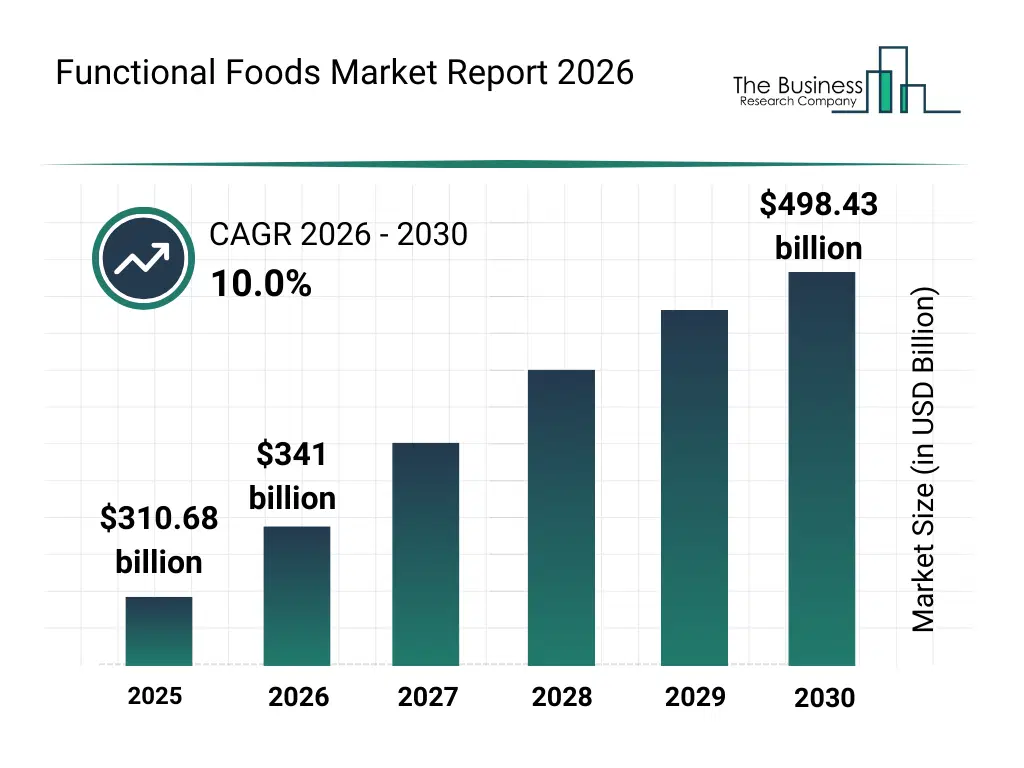
What Is The Functional Foods Market Size and Share 2026?
The functional foods market size has grown strongly in recent years. It will grow from $310.68 billion in 2025 to $341 billion in 2026 at a compound annual growth rate (CAGR) of 9.8%. The growth in the historic period can be attributed to growth of fortified food consumption, expansion of dairy-based functional products, rising awareness of nutrition-related health issues, availability of functional ingredients, increased retail penetration of health foods.What Is The Functional Foods Market Growth Forecast?
The functional foods market size is expected to see strong growth in the next few years. It will grow to $498.43 billion in 2030 at a compound annual growth rate (CAGR) of 10.0%. The growth in the forecast period can be attributed to increasing demand for personalized and condition-specific nutrition, rising focus on aging population nutrition, expansion of sports and clinical nutrition segments, growing preference for natural functional foods, increasing innovation in functional food formulations. Major trends in the forecast period include increasing fortification of everyday foods, rising demand for immunity-boosting products, expansion of plant-based functional foods, growing adoption of functional dairy and bakery items, enhanced focus on preventive nutrition.
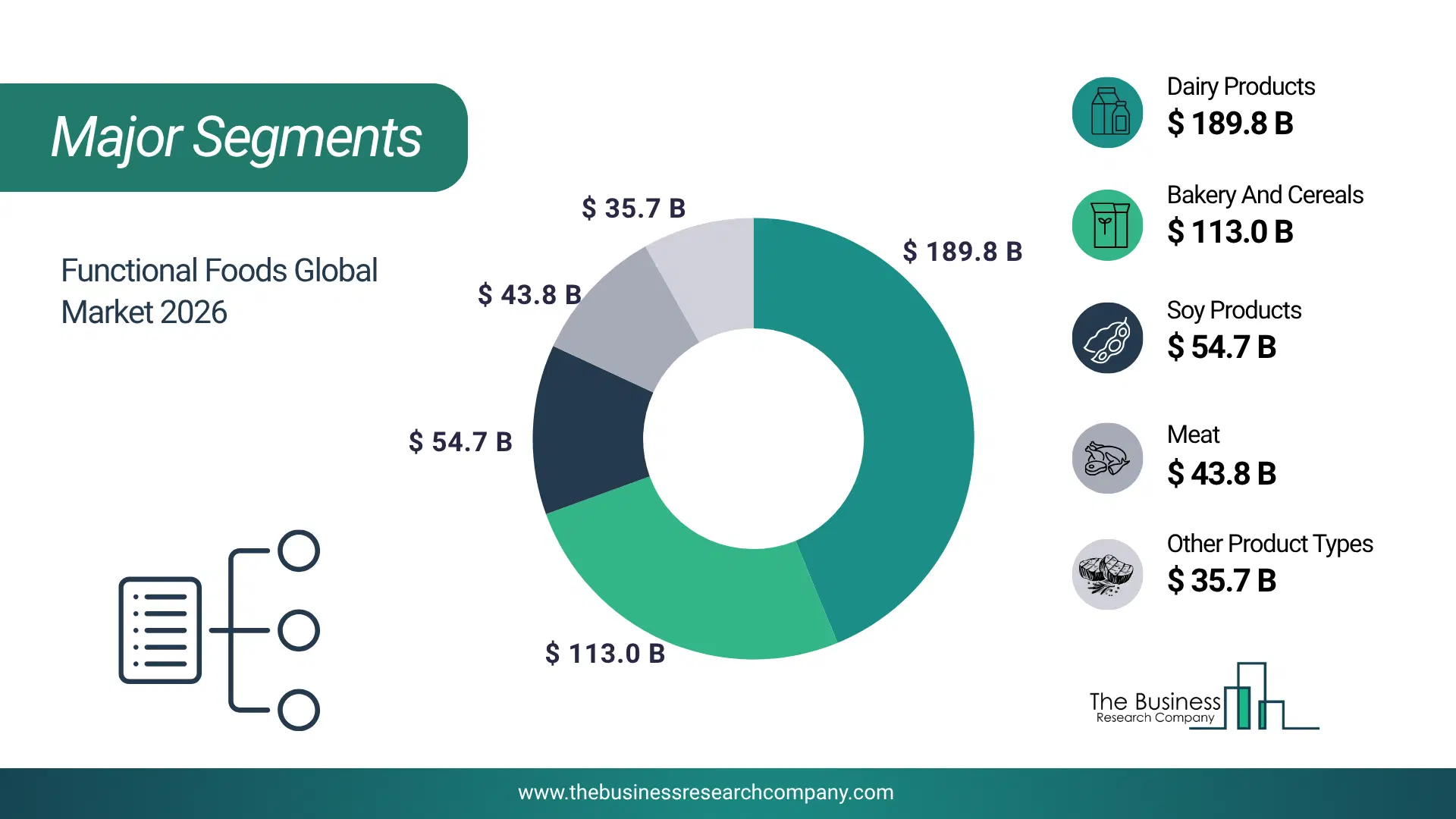
Global Functional Foods Market Segmentation
1) By Product Type: Bakery And Cereals, Dairy Products, Meat, Fish And Eggs, Soy Products, Fats And Oils, Other Product Types 2) By Ingredients: Carotenoids, Dietary Fibers, Fatty Acids, Minerals, Prebiotics And Probiotics, Vitamins, Other Ingredients 3) By Application: Sports Nutrition, Weight Management, Immunity, Digestive Health, Clinical Nutrition, Cardio Health, Other Applications Subsegments: 1) By Bakery And Cereals: Whole Grain Products, Fortified Breads, Breakfast Cereals, Snack Bars 2) By Dairy Products: Yogurt, Functional Cheese, Milk, Dairy-Based Beverages 3) By Meat, Fish And Eggs: Functional Processed Meats, Omega-3-Enriched Fish, Fortified Eggs 4) By Soy Products: Tofu, Soy Milk, Edamame, Soy Protein Isolate 5) By Fats And Oils: Omega-3-Enriched Oils, Functional Margarine, Coconut Oil, Olive Oil 6) By Other Product Types: Snacks, Beverages, Supplements The top segments in the functional foods market will be: • Dairy Products will reach $189.76 billion by 2030. • Bakery And Cereals will reach $113.01 billion by 2030. • Soy Products will reach $54.7 billion by 2030. • Meat will reach $43.76 billion by 2030. • Other Product Types will reach $35.65 billion by 2030.What Is The Driver Of The Functional Foods Market?
The rising demand for nutrient-rich foods is expected to propel the growth of the functional foods market going forward. Nutrient-rich foods refer to those that provide a high concentration of essential nutrients relative to their calorie content. Functional foods are preferable to nutrient-rich foods as they offer vital nutrients including vitamins, minerals, healthy fats, and fiber, which are crucial for preserving good health and lowering the risk of chronic diseases. For instance, in 2023, according to a study conducted by The International Food Information Council (IFIC), a US-based non-profit organization that aims to communicate science-based information about food safety, nutrition, and sustainable food systems, the most prevalent eating patterns or diets are high-protein (18%), mindful eating (17%), calorie-counting (12%), clean eating (12%), and intermittent fasting (12%). Therefore, the rising demand for nutrient-rich foods is driving the functional foods industry.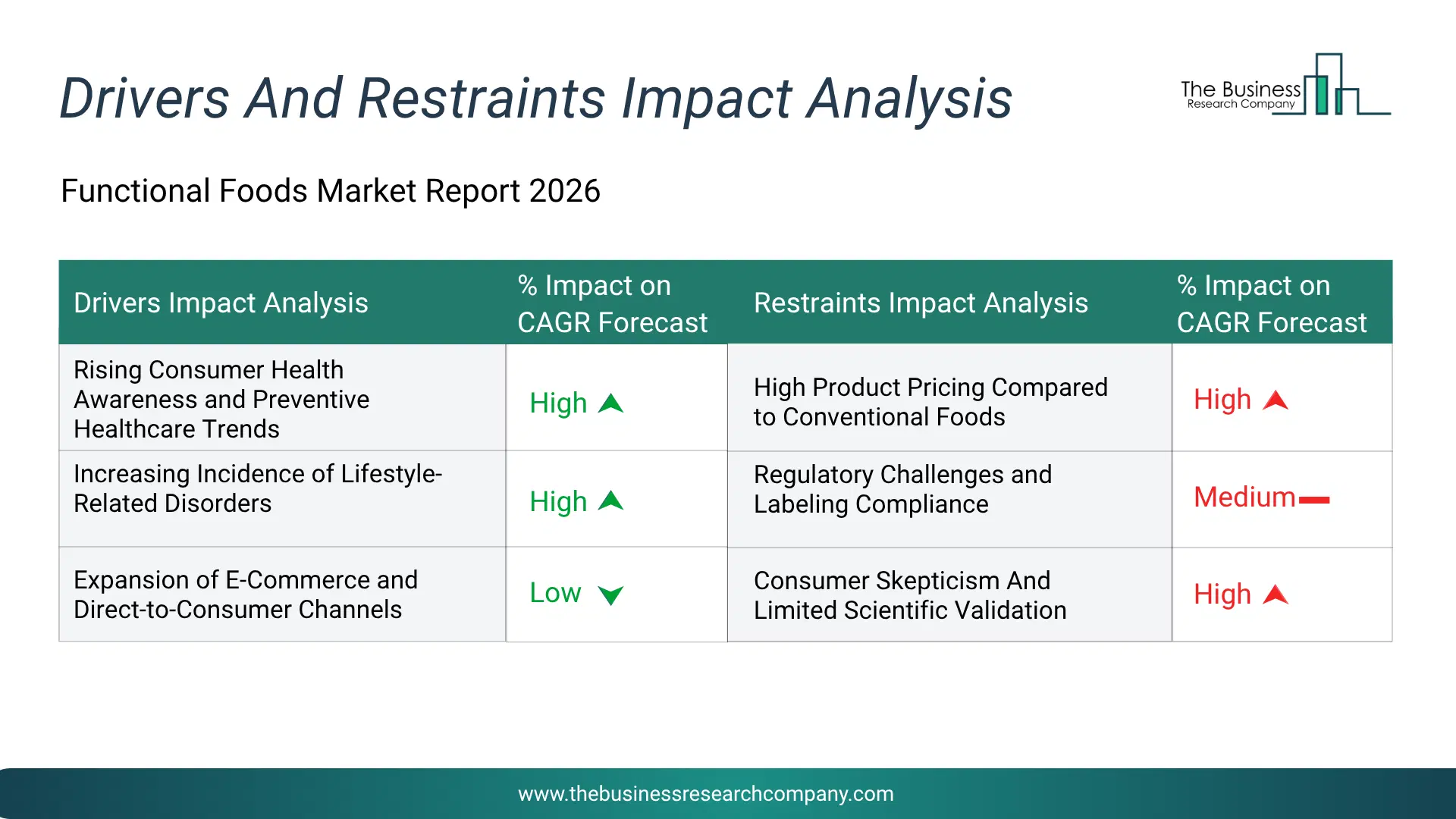
Infographic Chart Showing Key Market Drivers Analysis And Restraints For Functional Foods Market
The chart presents an impact analysis of key drivers and restraints, quantifying their relative influence on the market's growth rate and helping assess the balance between growth enablers and limiting factors. This chart offers a high-level perspective; the full report contains more detailed insights.
How Will The Drivers Impact Growth In The Global Functional Foods Market?
• Rising Consumer Health Awareness and Preventive Healthcare Trends (High) – During the forecast period, the rising consumer health awareness and preventive healthcare trends is expected to become a key growth driver for the functional foods market by 2030. Growing awareness about health, nutrition, and disease prevention is a primary driver for the functional foods market. Consumers increasingly seek products fortified with vitamins, minerals, probiotics, antioxidants, and other bioactive compounds to support immunity, digestion, and overall well -being. The shift from treatment -focused healthcare to preventive nutrition is driving demand for functional foods across all age groups. As health -conscious lifestyles become more mainstream, the adoption of functional foods continues to expand globally. • Increasing Incidence of Lifestyle-Related Disorders (High) – During the forecast period, the increasing incidence of lifestyle-related disorders is expected to emerge as a major factor driving the expansion of the functional foods market by 2030. The rising prevalence of lifestyle-related diseases such as obesity, diabetes, cardiovascular disorders, and digestive issues is driving consumer demand for functional foods that offer specific health benefits. Products designed to manage cholesterol, blood sugar, gut health, and weight management are becoming increasingly popular. Healthcare professionals and nutritionists often recommend functional foods as complementary interventions, which further accelerates adoption. This growing focus on dietary solutions to manage chronic conditions is a strong growth driver. • Expansion of E-Commerce and Direct-to-Consumer Channels (Low) – During the forecast period, the expansion of e-commerce and direct-to-consumer channels is expected to act as a key growth catalyst for the functional foods market by 2030. The rapid growth of online retail, subscription services, and mobile commerce platforms has increased accessibility to functional foods worldwide. Consumers can now explore product benefits, compare brands, and purchase items conveniently through online channels. Digital marketing campaigns, influencer endorsements, and educational content about health benefits further enhance consumer trust and awareness. These trends have significantly boosted sales of functional foods, particularly in urban and health-conscious markets.How Will The Restraints Impact Growth In The Global Functional Foods Market?
• High Product Pricing Compared to Conventional Foods (High) – During the forecast period, the functional foods are typically priced higher than conventional foods due to premium ingredients, fortification processes, and quality certifications. Price-sensitive consumers may opt for standard products, limiting market penetration in certain regions. This cost factor acts as a significant restraint, especially in emerging markets where disposable income is limited. High pricing can slow the adoption rate despite growing awareness about health benefits. • Regulatory Challenges and Labeling Compliance (Medium) – During the forecast period, the functional foods are subject to strict regulations related to health claims, fortification standards, and labeling requirements. Compliance with multiple regional regulations can be complex and costly for manufacturers. Mislabeling or unsubstantiated health claims may lead to recalls, fines, or reputational damage. Regulatory challenges act as a restraint by increasing operational costs and slowing product launches in new markets. • Consumer Skepticism And Limited Scientific Validation (High) – During the forecast period, the consumer skepticism and limited scientific validation act as a restraint for the functional foods market by reducing consumer confidence in the claimed health benefits of these products. Many functional foods lack universally accepted clinical evidence, which leads to hesitation among consumers regarding their effectiveness. This skepticism is further amplified by misinformation and inconsistent health claims across different brands. As a result, adoption rates remain slower, particularly in regions where awareness of functional nutrition is still developing.Key Players In The Global Functional Foods Market
Major companies operating in the functional foods market are Nestlé Alimentana SA, BASF SE, PepsiCo Inc., Unilever plc, Abbott Laboratories, The Coca-Cola Company, GlaxoSmithKline Company, Mondelez International Inc., Danone SA, Kraft Foods Inc., General Mills Inc., Royal FrieslandCampina NV, Kellogg Company, Kirin Holdings Company Ltd., Dr PepperSnapple Group Inc., Red Bull GmbH, Ajinomoto Co. Inc., Meiji Holdings Company Ltd., Givaudan SA, Glanbia plc, Barilla Holding SpA, Arla Foods UK plc, Ocean Spray Cranberries Inc., Sanitarium Health and Wellbeing Company, Raisio Oyj, Lifeway Foods Inc., GFR Pharma Ltd., BNL Food Group Inc., Suiza Foods Corporation, Murray Goulburn Co-Operative Co. Limited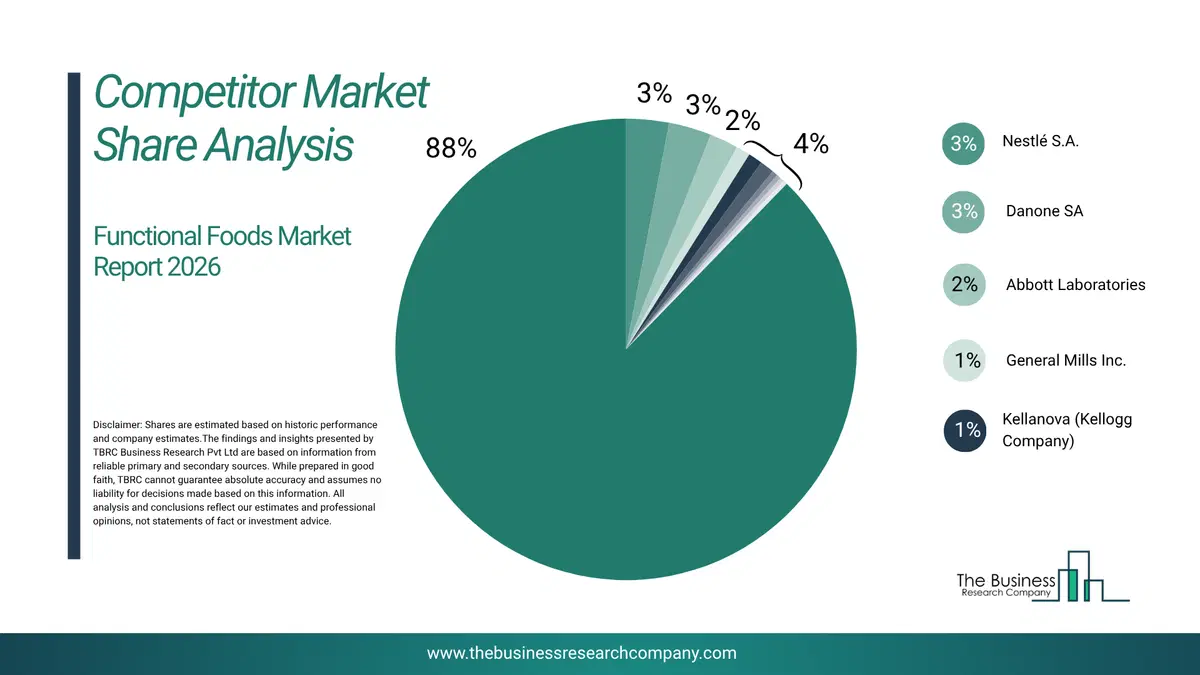
This chart is for illustrative purposes; the full report includes a detailed competitor analysis and comprehensive overview of the top 10 companies in the market.
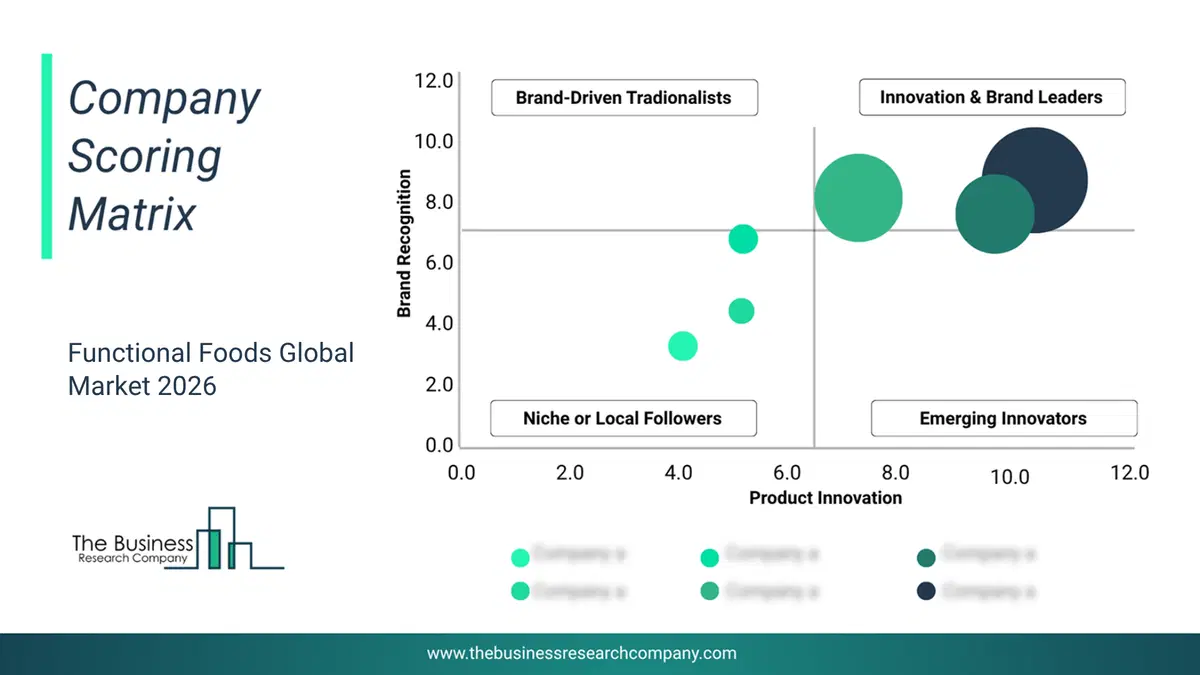
This chart maps companies by product innovation and brand strength, with bubble size indicating relative revenue, helping identify market leaders, challengers, and niche players. This is an illustrative chart; the full report provides a complete and accurate competitive analysis.
Global Functional Foods Market Trends and Insights
Major companies operating in the Functional Foods market are focusing on microbiome supporting formulations, such as probiotic and prebiotic beverages, to gain a competitive advantage. For instance, in August 2025, GoodBelly, a U.S.-based digestive health beverage company, introduced newly reformulated Wellness Shots containing a clinically studied DE111 probiotic strain along with 3 g prebiotic fiber and essential vitamins offering a compact, gut health oriented functional drink. In November 2024, Lifeway Foods, a U.S. fermented dairy producer, launched a Probiotic Smoothie + Collagen line using kefir cultures, delivering 12 live cultures, 25–30 billion CFU and 5 g collagen per serving to support gut microbiome, skin and joint health. This trend expands the consumer base to health conscious and wellness oriented individuals seeking functional nutrition; however, it requires careful regulatory compliance and transparency around health claims.What Are Latest Mergers And Acquisitions In The Functional Foods Market?
In May 2024, Danone, a US-based food company, acquired functional formularies for an undisclosed amount. This acquisition is a strategic move for Danone as part of its ""Renew Danone"" strategy, which aims to enhance growth and competitiveness within its Medical Nutrition segment. Functional Formularies is a US-based nutritional food company.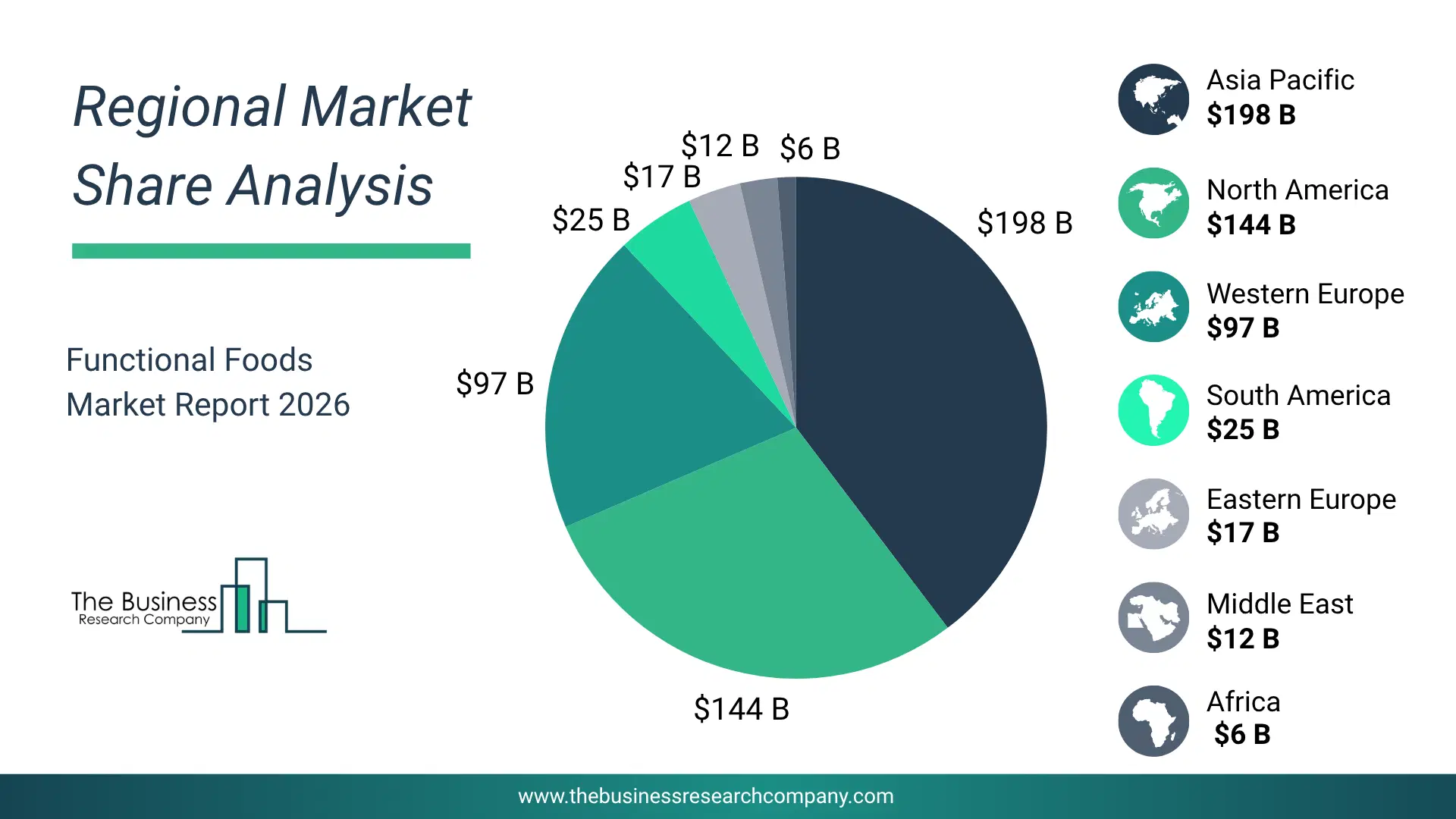
Regional Outlook
Asia-Pacific was the largest region in the functional food market in 2025. Western Europe was the second-largest region in the global functional foods market. The regions covered in this market report are Asia-Pacific, South East Asia, Western Europe, Eastern Europe, North America, South America, Middle East and Africa. The countries covered in this market report are Australia, Brazil, China, France, Germany, India, Indonesia, Japan, Taiwan, Russia, South Korea, UK, USA, Italy, Spain, CanadaWhat Defines the Functional Foods Market?
The functional food market consists of sales of fatty acids, carotenoids, prebiotics & probiotics, vitamins, dietary fibers, minerals, and other functional foods. Values in this market are factory gate values, that is the value of goods sold by the manufacturers or creators of the goods, whether to other entities (including downstream manufacturers, wholesalers, distributors and retailers) or directly to end customers. The value of goods in this market includes related services sold by the creators of the goods.How is Market Value Defined and Measured?
The market value is defined as the revenues that enterprises gain from the sale of goods and/or services within the specified market and geography through sales, grants, or donations in terms of the currency (in USD unless otherwise specified). The revenues for a specified geography are consumption values that are revenues generated by organizations in the specified geography within the market, irrespective of where they are produced. It does not include revenues from resales along the supply chain, either further along the supply chain or as part of other products.
This chart presents market attractiveness based on a quantitative evaluation of growth, competition, strategic alignment, and risk, offering a clear view of opportunity areas for decision-making. This chart is for illustrative purposes; the full report contains the complete analysis.

This chart highlights the Total Addressable Market (TAM) by estimating the maximum revenue opportunity using an assumption-driven approach, supporting strategic planning and opportunity sizing across markets. The chart is illustrative; the full report provides a more comprehensive analysis.
What Key Data and Analysis Are Included in the Functional Foods Market Report 2026?
The functional foods market research report is one of a series of new reports from The Business Research Company that provides market statistics, including industry global market size, regional shares, competitors with the market share, detailed market segments, market trends and opportunities, and any further data you may need to thrive in the functional foods industry. The market research report delivers a complete perspective of everything you need, with an in-depth analysis of the current and future state of the industry.Functional Foods Market Report Forecast Analysis
| Report Attribute | Details |
|---|---|
| Market Size Value In 2026 | $341 billion |
| Revenue Forecast In 2030 | $498.43 billion |
| Growth Rate | CAGR of 9.8% from 2026 to 2030 |
| Base Year For Estimation | 2025 |
| Actual Estimates/Historical Data | 2020-2025 |
| Forecast Period | 2026 - 2030 |
| Market Representation | Revenue in USD Billion and CAGR from 2026 to 2030 |
| Segments Covered | Product Type, Ingredients, Application |
| Regional Scope | Asia-Pacific, Western Europe, Eastern Europe, North America, South America, Middle East, Africa |
| Country Scope | The countries covered in the report are Australia, Brazil, China, France, Germany, India, Indonesia, Japan, Taiwan, Russia, South Korea, UK, USA, Canada, Italy, Spain. |
| Key Companies Profiled | Nestlé Alimentana SA, BASF SE, PepsiCo Inc., Unilever plc, Abbott Laboratories, The Coca-Cola Company, GlaxoSmithKline Company, Mondelez International Inc., Danone SA, Kraft Foods Inc., General Mills Inc., Royal FrieslandCampina NV, Kellogg Company, Kirin Holdings Company Ltd., Dr PepperSnapple Group Inc., Red Bull GmbH, Ajinomoto Co. Inc., Meiji Holdings Company Ltd., Givaudan SA, Glanbia plc, Barilla Holding SpA, Arla Foods UK plc, Ocean Spray Cranberries Inc., Sanitarium Health and Wellbeing Company, Raisio Oyj, Lifeway Foods Inc., GFR Pharma Ltd., BNL Food Group Inc., Suiza Foods Corporation, Murray Goulburn Co-Operative Co. Limited |
| Customization Scope | Request for Customization |
| Pricing And Purchase Options | Explore Purchase Options |