
Canned Seafood Market Report 2026
Global Outlook – By Type (Canned Fish, Canned Mollusks, Canned Crustaceans, Canned Cephalopods), By Distribution channel (Hypermarkets and Supermarkets, Convenience stores, Independent grocery stores, Specialty stores, Online retail), By End User (Households, Commercial) – Market Size, Trends, Strategies, and Forecast to 2030
Canned Seafood Market Overview
• Canned Seafood market size has reached to $37 billion in 2025 • Expected to grow to $50.77 billion in 2030 at a compound annual growth rate (CAGR) of 6.7% • Growth Driver: Heart Disease And Diabetes Concerns Fuel Canned Seafood Market • Market Trend: Canned Seafood Market Embraces Product Innovation with Sustainable Offerings • Europe was the largest region in 2025 and South America is the fastest growing region.What Is Covered Under Canned Seafood Market?
Canned seafood refers to professionally prepared seafood that has been processed, sealed in a hermetic container for human consumption. It is used for providing a convenient and affordable source of protein, omega-3 fatty acids, vitamins, and minerals that can be used in a variety of dishes. The main types of canned seafood are canned fish, canned mollusks, canned crustaceans, and canned cephalopods. Canned fish refers to processed fish such as tuna, salmon, mackerel, and sardines that are tightly packaged in tin cans with water, oil, and sauces to increase shelf-life and these are high in minerals and protein, and high in omega-3 and omega-6 fatty acids, vitamin D, vitamin B12, choline, iron, and iodine, and used in protein-rich diets. The major distribution channel includes hypermarkets and supermarkets, convenience stores, independent grocery stores, specialty stores, and online retail, and is used in households and commercial.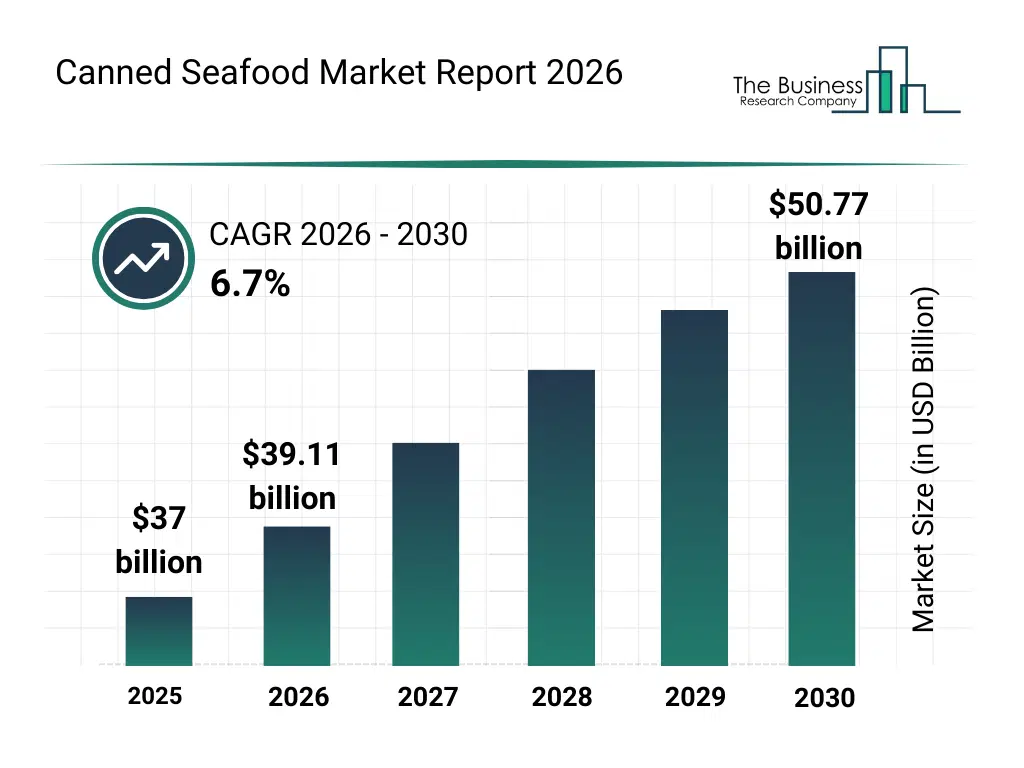
What Is The Canned Seafood Market Size and Share 2026?
The canned seafood market size has grown strongly in recent years. It will grow from $37 billion in 2025 to $39.11 billion in 2026 at a compound annual growth rate (CAGR) of 5.7%. The growth in the historic period can be attributed to expansion of global seafood consumption, growth of food preservation technologies, increasing urbanization trends, widespread retail distribution networks, established canning infrastructure.What Is The Canned Seafood Market Growth Forecast?
The canned seafood market size is expected to see strong growth in the next few years. It will grow to $50.77 billion in 2030 at a compound annual growth rate (CAGR) of 6.7%. The growth in the forecast period can be attributed to increasing focus on sustainable fishing practices, rising demand for ready-to-eat meals, expansion of online grocery retail, growing preference for traceable seafood products, increasing innovation in packaging materials. Major trends in the forecast period include increasing demand for convenient protein-rich foods, rising adoption of sustainable seafood sourcing, expansion of premium and specialty canned seafood, growing focus on shelf-life extension technologies, enhanced emphasis on nutritional labeling.
Global Canned Seafood Market Segmentation
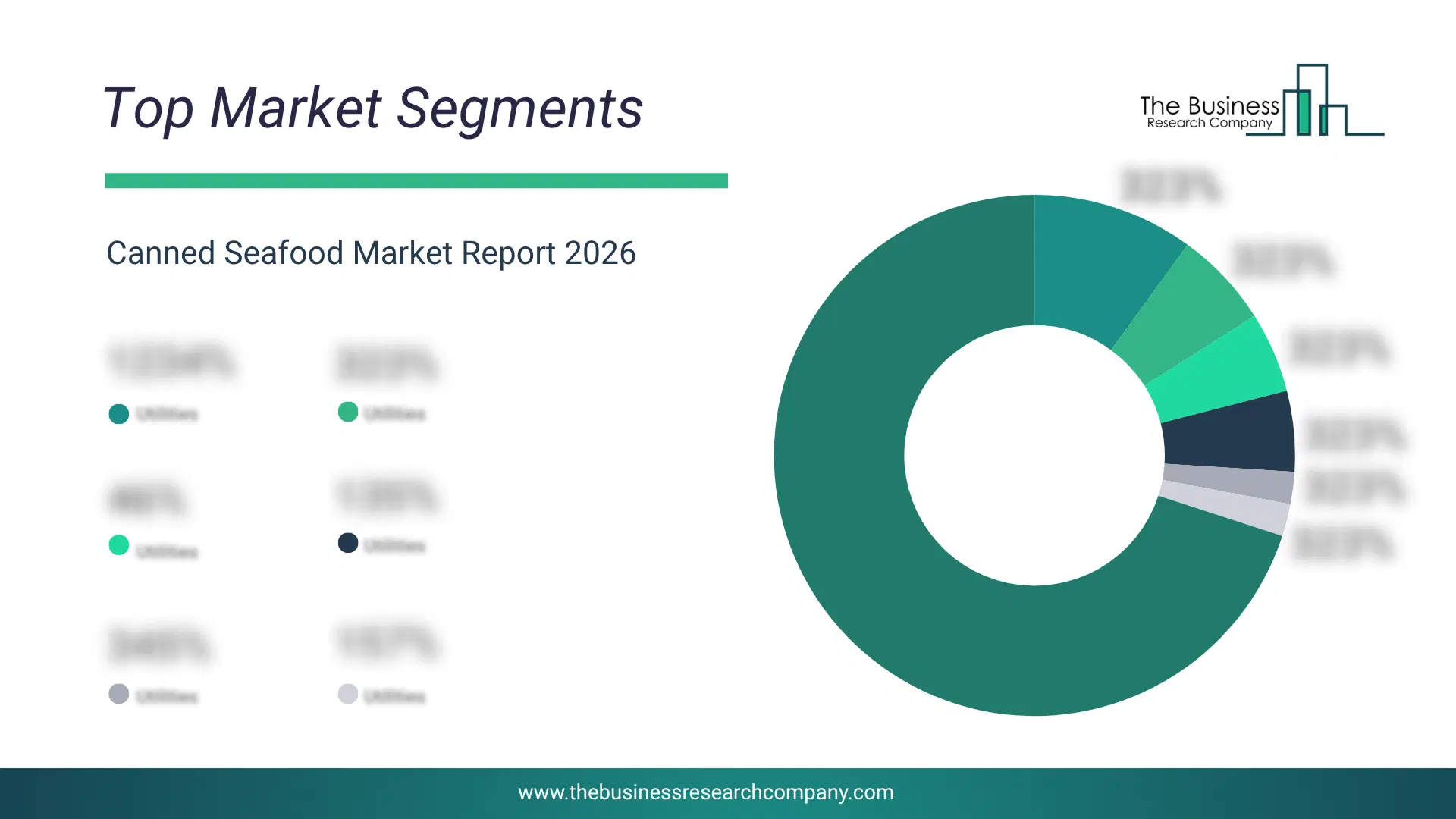
1) By Type: Canned Fish, Canned Mollusks, Canned Crustaceans, Canned Cephalopods 2) By Distribution channel: Hypermarkets and Supermarkets, Convenience stores, Independent grocery stores, Specialty stores, Online retail 3) By End User: Households, Commercial Subsegments: 1) By Canned Fish: Tuna, Salmon, Sardines, Mackerel, Anchovies 2) By Canned Mollusks: Clams, Oysters, Scallops, Mussels 3) By Canned Crustaceans: Shrimp, Crab, Lobster, Prawns 4) By Canned Cephalopods: Squid, Octopus, CuttlefishWhat Is The Driver Of The Canned Seafood Market?
The rising prevalence of heart disease and diabetes is expected to propel the growth of the canned seafood market going forward. Heart disease refers to conditions that affect the heart or blood vessels, such as coronary artery disease, congestive heart failure, and heart rhythm problems. Diabetes is a chronic condition that affects how the body processes blood sugar, leading to various complications. Canned seafood is a rich source of omega-3 fatty acids, which provide health benefits such as anti-inflammatory properties, reduced triglycerides, slightly lowered blood pressure, decreased blood clotting, and a lower risk of strokes and heart failure. For instance, in September 2024, according to the British Heart Foundation, a UK-based cardiovascular research charity, approximately 7.6 million people in the UK are affected by heart and circulatory diseases, causing around 27% of all deaths in the country, equating to roughly one death every three minutes. Additionally, in June 2024, according to the National Health Service, in 2023, 3,615,330 individuals were diagnosed with pre-diabetes, up from 3,065,825 in 2022. Therefore, the rise in heart disease and diabetes is driving the growth of the canned seafood industry.Key Players In The Global Canned Seafood Market
Major companies operating in the canned seafood market are StarKist Co., Maruha Nichiro Corporation, Wild Planet Foods Inc., Trident Seafoods Corporation, Connors Brothers Limited, Thai Union Group, Bumble Bee Foods LLC, Dongwon Food Co. Ltd., Nissui Corporation, American Tuna Inc., Universal Canning Incorporated, Tri Marine Group, Mowi ASA, Sajo Industries Co. Ltd., Nueva Pescanova S.L, Royal Greenland A/S, The Calvo Group, Austevoll Seafood ASA, Marine Harvest ASA, Nippon Suisan Kaisha Ltd., Century Pacific Food Inc., Bolton Group, OKAM, John West Foods, Clover Leaf Seafoods Company, Brunswick Seafood, Chicken of the Sea, Empresas Aquachile SA, Gomes da Costa, Empress International Ltd.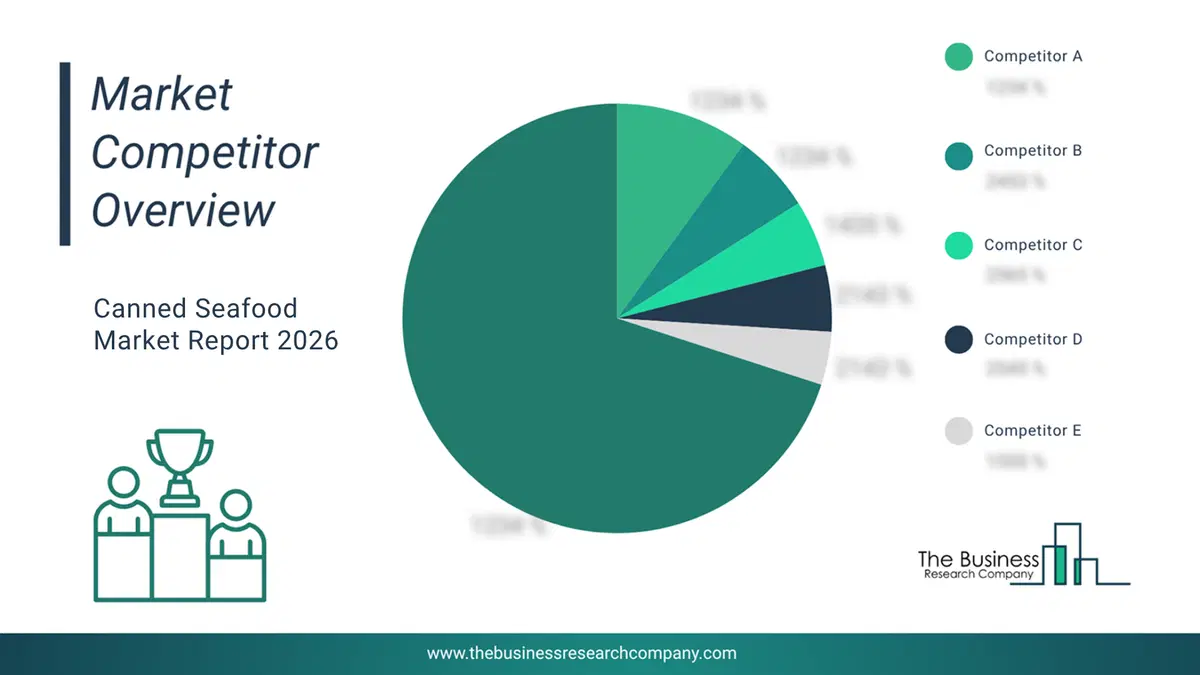
This chart is for illustrative purposes; the full report includes a detailed competitor analysis and comprehensive overview of the top 10 companies in the market.
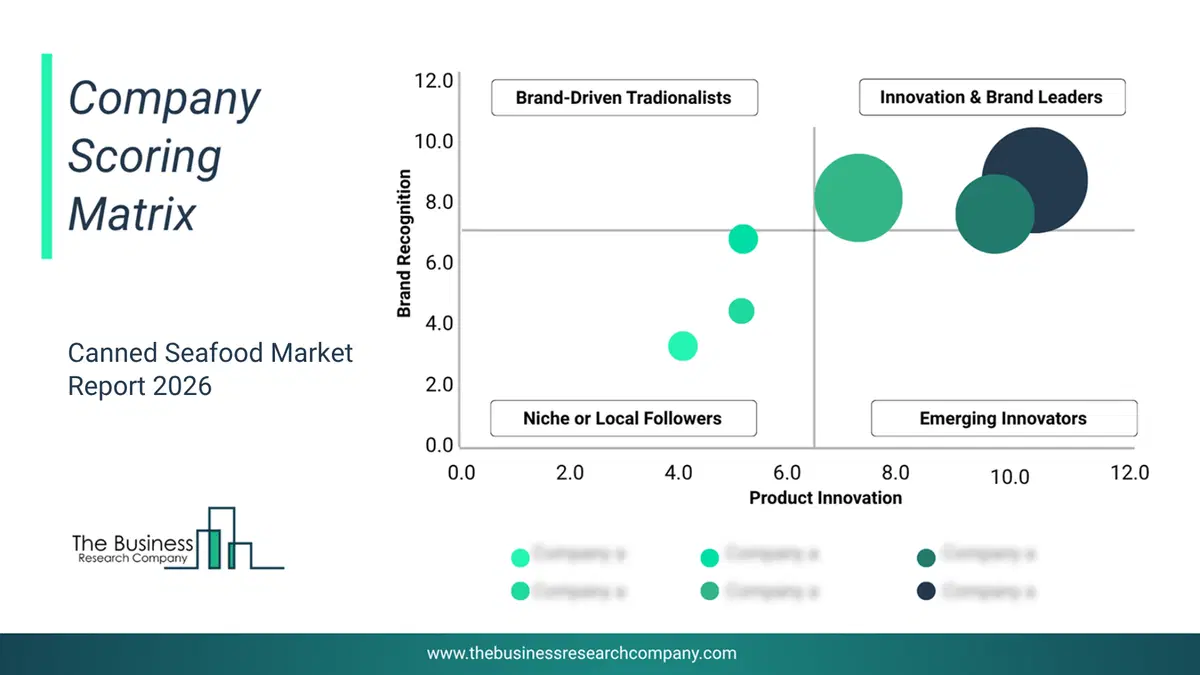
This chart maps companies by product innovation and brand strength, with bubble size indicating relative revenue, helping identify market leaders, challengers, and niche players. This is an illustrative chart; the full report provides a complete and accurate competitive analysis.
Global Canned Seafood Market Trends and Insights
Major companies operating in the canned seafood market are focusing on creating innovative products to strengthen market presence, cater to health-conscious consumers, and promote sustainable sourcing practices. Product innovation in canned seafood involves developing items that combine convenience, nutrition, and environmentally responsible fishing methods. For instance, in July 2023, Wild Planet Foods, a US-based canned seafood company, launched new sustainably caught seafood products. These include Skipjack Solid Light Wild Tuna in Pure Olive Oil, which is 100% pole & line caught, hand-cut, and packed with sea salt and olive oil, offering a silky texture and rich tuna flavor while being low in mercury. The Wild Smoked Pink Salmon in Extra Virgin Olive Oil is sourced from the Northeast Pacific and smoked with alder wood, providing a sweet, smoky flavor, ideal for bagels or snacks. The Wild Smoked Mackerel Fillets in Extra Virgin Olive Oil are hand-packed after being sustainably sourced from the North Atlantic and Eastern Pacific, delivering exceptional taste with olive oil and sea salt. The Wild Pink Salmon 3-Pack contains skinless and boneless salmon from small-scale fisheries in Alaska and British Columbia, suitable for quick salads or seafood dishes. Lastly, the Wild Tuna Quinoa Salad Ready-To-Eat Meal combines skipjack tuna with organic quinoa, sweetcorn, zucchini, and peas, offering a nutritious, ready-made meal for consumers seeking both convenience and sustainability.What Are Latest Mergers And Acquisitions In The Canned Seafood Market?
In May 2024, Safe Catch, a US-based seafood company, acquired Scout for an undisclosed amount. The acquisition aims to strengthen Safe Catch's portfolio by integrating Scout's premium canned seafood products, enhancing its market reach and commitment to sustainable sourcing, while also appealing to health-conscious consumers seeking high-quality seafood options. Scout is a Canada-based seafood company specializing in canned seafood products.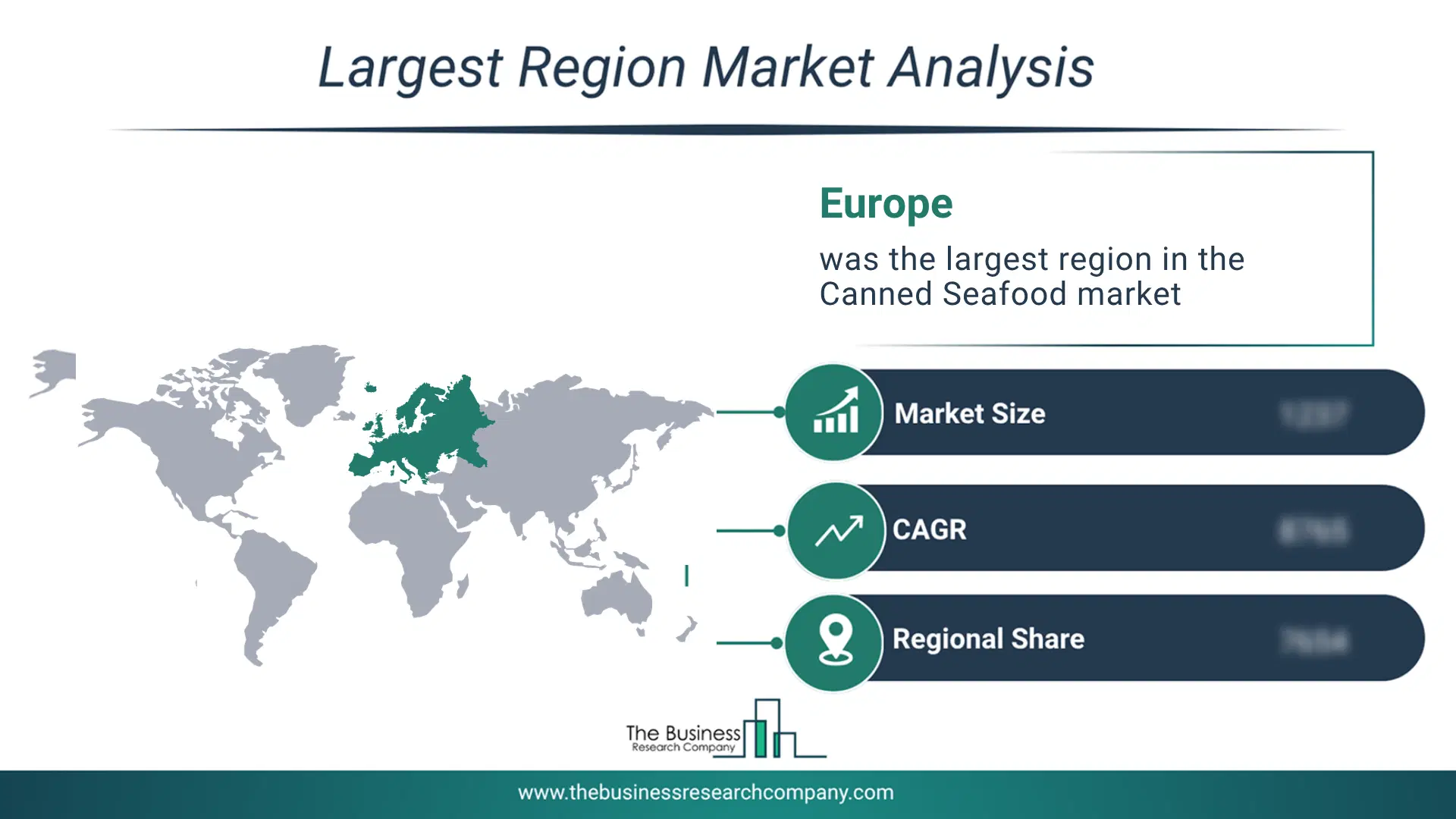
Regional Outlook
Europe was the largest region in the canned seafood market in 2025. South America is expected to be the fastest-growing region in the global canned seafood market during the forecast period. The regions covered in this market report are Asia-Pacific, South East Asia, Western Europe, Eastern Europe, North America, South America, Middle East and Africa. The countries covered in this market report are Australia, Brazil, China, France, Germany, India, Indonesia, Japan, Taiwan, Russia, South Korea, UK, USA, Italy, Spain, CanadaWhat Defines the Canned Seafood Market?
The canned seafood market consists of sales of canned shellfish, canned tuna, canned salmon, canned sardines, canned herring and canned mackerel. Values in this market are ‘factory gate’ values, that is the value of goods sold by the manufacturers or creators of the goods, whether to other entities (including downstream manufacturers, wholesalers, distributors, and retailers) or directly to end customers. The value of goods in this market includes related services sold by the creators of the goods.How is Market Value Defined and Measured?
The market value is defined as the revenues that enterprises gain from the sale of goods and/or services within the specified market and geography through sales, grants, or donations in terms of the currency (in USD unless otherwise specified). The revenues for a specified geography are consumption values that are revenues generated by organizations in the specified geography within the market, irrespective of where they are produced. It does not include revenues from resales along the supply chain, either further along the supply chain or as part of other products.
This chart presents market attractiveness based on a quantitative evaluation of growth, competition, strategic alignment, and risk, offering a clear view of opportunity areas for decision-making. This chart is for illustrative purposes; the full report contains the complete analysis.

This chart highlights the Total Addressable Market (TAM) by estimating the maximum revenue opportunity using an assumption-driven approach, supporting strategic planning and opportunity sizing across markets. The chart is illustrative; the full report provides a more comprehensive analysis.
What Key Data and Analysis Are Included in the Canned Seafood Market Report 2026?
The canned seafood market research report is one of a series of new reports from The Business Research Company that provides market statistics, including industry global market size, regional shares, competitors with the market share, detailed market segments, market trends and opportunities, and any further data you may need to thrive in the canned seafood industry. The market research report delivers a complete perspective of everything you need, with an in-depth analysis of the current and future state of the industry.Canned Seafood Market Report Forecast Analysis
| Report Attribute | Details |
|---|---|
| Market Size Value In 2026 | $39.11 billion |
| Revenue Forecast In 2030 | $50.77 billion |
| Growth Rate | CAGR of 5.7% from 2026 to 2030 |
| Base Year For Estimation | 2025 |
| Actual Estimates/Historical Data | 2020-2025 |
| Forecast Period | 2026 - 2030 |
| Market Representation | Revenue in USD Billion and CAGR from 2026 to 2030 |
| Segments Covered | Type, Distribution channel, End User |
| Regional Scope | Asia-Pacific, Western Europe, Eastern Europe, North America, South America, Middle East, Africa |
| Country Scope | The countries covered in the report are Australia, Brazil, China, France, Germany, India, Indonesia, Japan, Taiwan, Russia, South Korea, UK, USA, Canada, Italy, Spain. |
| Key Companies Profiled | StarKist Co., Maruha Nichiro Corporation, Wild Planet Foods Inc., Trident Seafoods Corporation, Connors Brothers Limited, Thai Union Group, Bumble Bee Foods LLC, Dongwon Food Co. Ltd., Nissui Corporation, American Tuna Inc., Universal Canning Incorporated, Tri Marine Group, Mowi ASA, Sajo Industries Co. Ltd., Nueva Pescanova S.L, Royal Greenland A/S, The Calvo Group, Austevoll Seafood ASA, Marine Harvest ASA, Nippon Suisan Kaisha Ltd., Century Pacific Food Inc., Bolton Group, OKAM, John West Foods, Clover Leaf Seafoods Company, Brunswick Seafood, Chicken of the Sea, Empresas Aquachile SA, Gomes da Costa, Empress International Ltd. |
| Customization Scope | Request for Customization |
| Pricing And Purchase Options | Explore Purchase Options |