

Antimicrobial Resistance (AMR) Genotyping Panels Market Report 2026
Global Outlook – By Product Type (Custom Panels, Pre-Designed Panels), By Technology (Polymerase Chain Reaction (PCR)-Based, Microarray-Based, Next-Generation Sequencing (NSG)-Based, Other Technologies), By Application (Clinical Diagnostics, Research, Drug Development, Other Applications), By End-User (Hospitals And Clinics, Research Institutes, Pharmaceutical And Biotechnology Companies, Other End-users) - Market Size, Trends, And Global Forecast 2026-2030
Antimicrobial Resistance (AMR) Genotyping Panels Market Overview
• Antimicrobial Resistance (AMR) Genotyping Panels market size has reached to $1.45 billion in 2025 • Expected to grow to $2.81 billion in 2030 at a compound annual growth rate (CAGR) of 14.1% • Growth Driver: Rise In Antimicrobial Resistance Infections Fueling The Growth Of The Market Due To Increasing Misuse Of Antibiotics • Market Trend: Molecular Designs Introduces Multiplex PCR-Based Antimicrobial Resistance (AMR) Genotyping Panel For Rapid Detection Of Urogenital Pathogens And Resistance Genes • North America was the largest region in 2025 and Asia-Pacific is the fastest growing region.Market Gains By 2030 – Top Opportunities By Segment
Market Gain identifies the most promising market opportunities by highlighting the segments or products expected to generate the highest incremental revenue growth over the next five years.
What Is Covered Under Antimicrobial Resistance (AMR) Genotyping Panels Market?
Antimicrobial resistance (AMR) genotyping panels refer to advanced molecular diagnostic tools designed to detect, identify, and analyze genes associated with antimicrobial resistance in bacteria and other pathogens. They enable simultaneous screening of multiple resistance markers, supporting faster and more accurate identification of resistant strains. The main components of the antimicrobial resistance (AMR) genotyping panels are custom panels and pre-designed panels. Microbial resistance (AMR) genotyping custom panels are specialized molecular test panels designed to detect specific genetic markers that confer antimicrobial resistance in bacteria, viruses, or other pathogens. The various technology involved are polymerase chain reaction (PCR)-based, microarray-based, next-generation sequencing (NGS)-based, and other which are used for clinical diagnostics, research, drug development, and other specialized uses by end user hospitals and clinics, research institutes, pharmaceutical and biotechnology companies, and other healthcare and scientific organizations.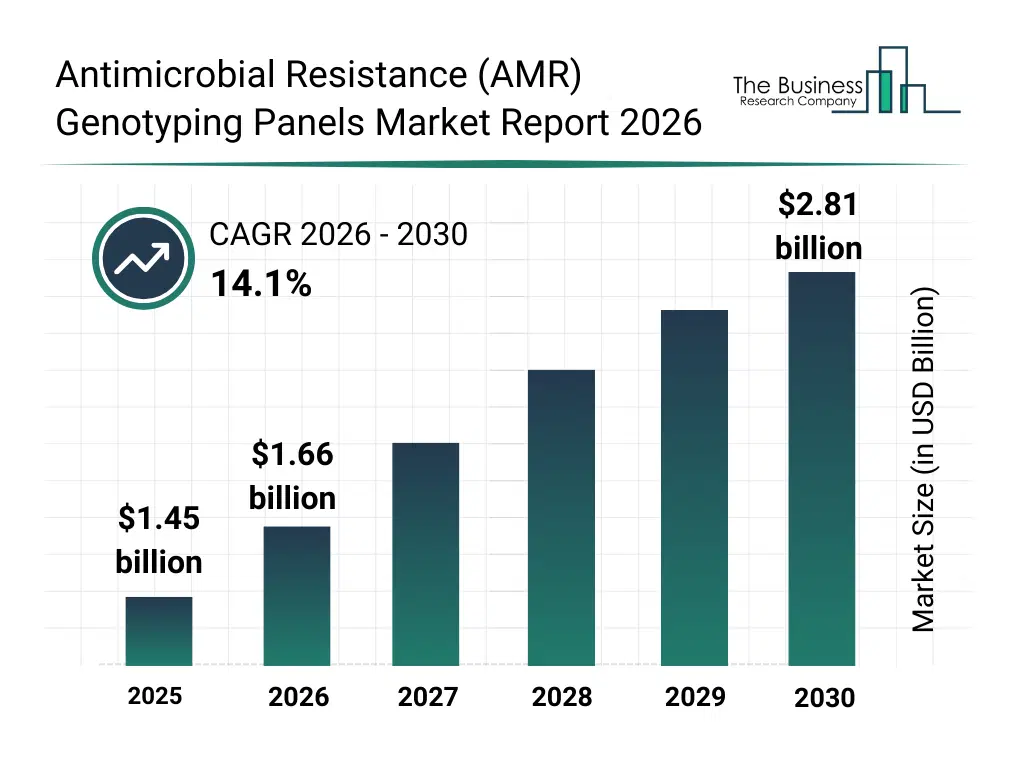
What Is The Antimicrobial Resistance (AMR) Genotyping Panels Market Size and Share 2026?
The antimicrobial resistance (amr) genotyping panels market size has grown rapidly in recent years. It will grow from $1.45 billion in 2025 to $1.66 billion in 2026 at a compound annual growth rate (CAGR) of 14.4%. The growth in the historic period can be attributed to rising prevalence of antimicrobial resistance, increased hospital-acquired infections, expansion of molecular diagnostic capabilities, growing awareness of resistance monitoring, availability of advanced genotyping technologies.What Is The Antimicrobial Resistance (AMR) Genotyping Panels Market Growth Forecast?
The antimicrobial resistance (amr) genotyping panels market size is expected to see rapid growth in the next few years. It will grow to $2.81 billion in 2030 at a compound annual growth rate (CAGR) of 14.1%. The growth in the forecast period can be attributed to increasing investments in infectious disease diagnostics, rising demand for rapid point-of-care testing, expansion of genomic epidemiology programs, growing integration of amr data analytics, increasing regulatory focus on resistance surveillance. Major trends in the forecast period include increasing adoption of multiplex resistance detection panels, rising use of rapid molecular diagnostics, growing integration of genomic surveillance tools, expansion of hospital-based amr testing, enhanced focus on early resistance identification.
Global Antimicrobial Resistance (AMR) Genotyping Panels Market Segmentation
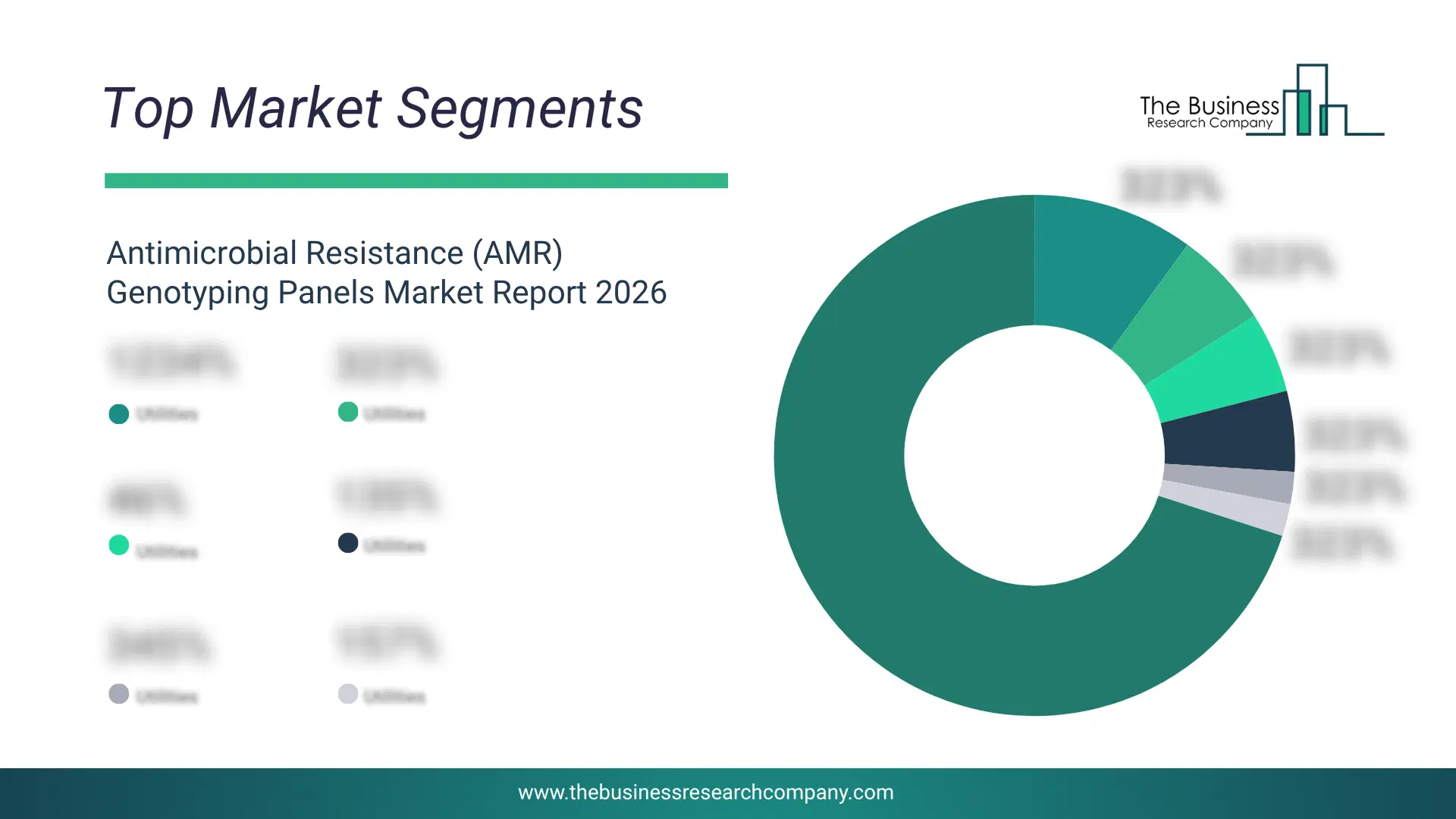
1) By Product Type: Custom Panels, Pre-Designed Panels 2) By Technology: Polymerase Chain Reaction (PCR)-Based, Microarray-Based, Next-Generation Sequencing (NSG)-Based, Other Technologies 3) By Application: Clinical Diagnostics, Research, Drug Development, Other Applications 4) By End-User: Hospitals And Clinics, Research Institutes, Pharmaceutical And Biotechnology Companies, Other End-users Subsegments: 1) By Custom Panels: Pathogen-Specific Panels, Resistance Gene-Focused Panels, Multiplex Detection Panels, Targeted Mutation Panels, Research Application Panels 2) By Pre-Designed Panels: Standardized Diagnostic Panels, Broad-Spectrum Resistance Panels, Disease-Specific Panels, Commercially Validated Panels, Ready-To-Use Screening Panels The top segments in the antimicrobial resistance (amr) genotyping panels market will be: • Pre-Designed Panels will reach $1.39 Billion by 2030. • Custom Panels will reach $0.98 Billion by 2030.What Is The Driver Of The Antimicrobial Resistance (AMR) Genotyping Panels Market?
The rising prevalence of antimicrobial-resistant infections is expected to propel the growth of the antimicrobial resistance (AMR) genotyping panels market going forward. Antimicrobial-resistant infections refer to diseases caused by microorganisms such as bacteria, viruses, fungi, or parasites that have evolved to resist the effects of standard antimicrobial drugs, making them harder to treat. Factors that increase antimicrobial resistance include the overuse and misuse of antibiotics. These practices have accelerated the emergence of resistant pathogens, driving demand for AMR genotyping panels that can rapidly identify resistance genes and guide targeted antimicrobial use. For instance, according to the Centers for Disease Control and Prevention (CDC), more than 2.8 million antimicrobial-resistant infections occur each year in the US. Therefore, the rising prevalence of antimicrobial-resistant infections is driving the growth of the AMR genotyping panels market.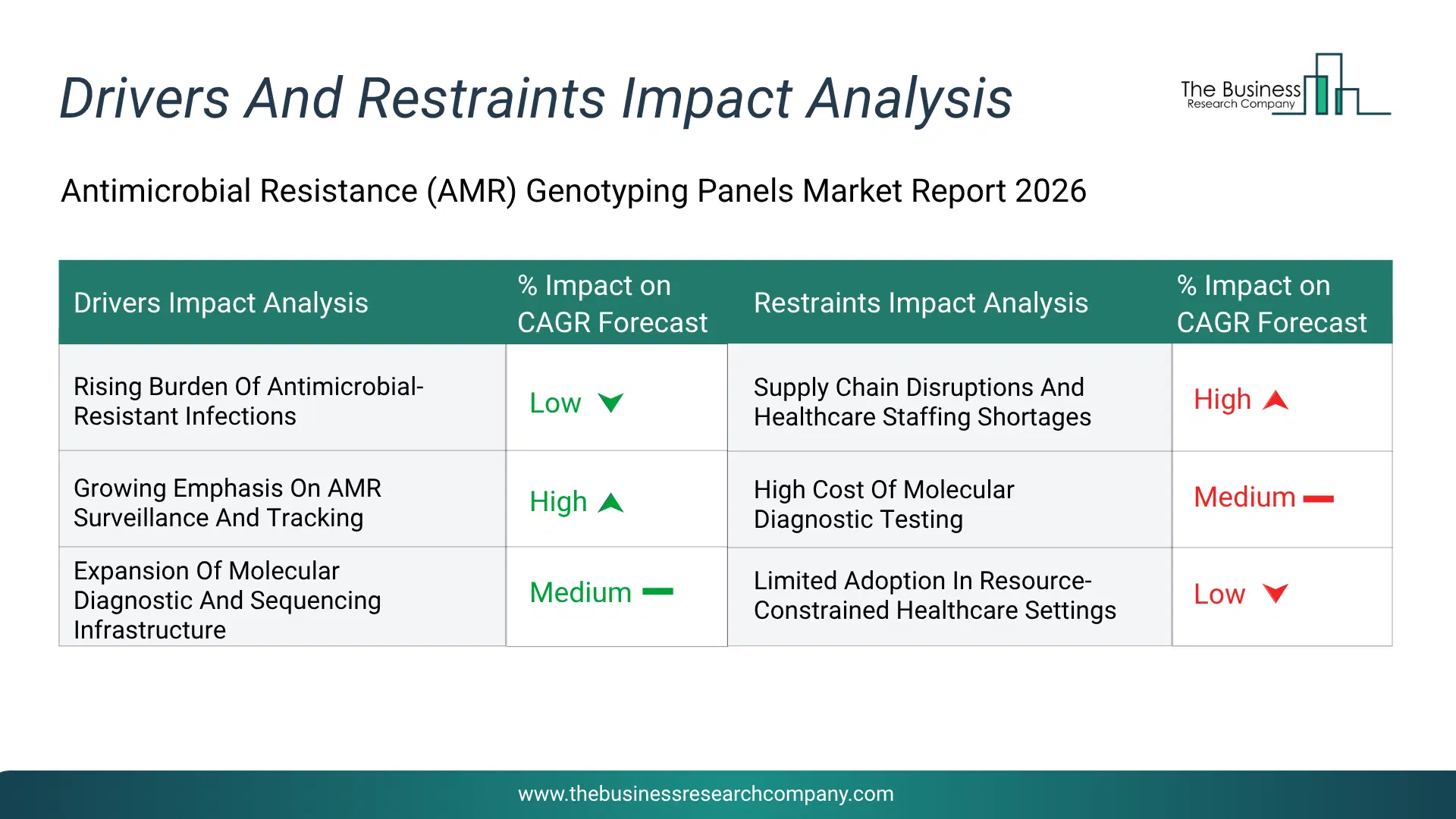
Infographic Chart Showing Key Market Drivers Analysis And Restraints For Antimicrobial Resistance (Amr) Genotyping Panels Market
The chart presents an impact analysis of key drivers and restraints, quantifying their relative influence on the market's growth rate and helping assess the balance between growth enablers and limiting factors. This chart offers a high-level perspective; the full report contains more detailed insights.
How Will The Drivers Impact Growth In The Global Antimicrobial Resistance (AMR) Genotyping Panels Market?
• Rising Burden Of Antimicrobial-Resistant Infections (Low) – During the forecast period, the rising burden of antimicrobial-resistant infections is expected to become a key growth driver for the antimicrobial resistance (AMR) genotyping panels market by 2030. The rising burden of antimicrobial-resistant infections is a key driver for the Antimicrobial Resistance (AMR) Genotyping Panels market because healthcare providers increasingly require rapid and accurate identification of resistance genes to guide appropriate antimicrobial therapy. As multidrug-resistant pathogens become more prevalent, conventional culture-based methods are often too slow to support timely clinical decisions. AMR genotyping panels enable faster detection of resistance markers, improving patient outcomes and strengthening infection control measures. The growing incidence of resistant infections also increases demand for routine surveillance in hospitals and public health laboratories. • Growing Emphasis On AMR Surveillance And Tracking (High) – During the forecast period, the growing emphasis on AMR surveillance and tracking is expected to emerge as a major factor driving the expansion of the antimicrobial resistance (AMR) genotyping panels market by 2030. The growing emphasis on AMR surveillance and tracking is driving the Antimicrobial Resistance (AMR) Genotyping Panels market by increasing the need for rapid and accurate monitoring of resistance genes across healthcare settings. Governments, public health agencies, and hospitals are expanding surveillance programs to detect emerging resistant pathogens and prevent their spread. AMR genotyping panels provide precise genetic information that supports outbreak investigations, epidemiological studies, and antimicrobial stewardship initiatives. These panels also enable standardized data collection for national and global resistance monitoring programs. • Expansion Of Molecular Diagnostic And Sequencing Infrastructure (Medium) – During the forecast period, the expansion of molecular diagnostic and sequencing infrastructure is expected to act as a key growth catalyst for the antimicrobial resistance (AMR) genotyping panels market by 2030. The expansion of molecular diagnostic and sequencing infrastructure is driving the Antimicrobial Resistance (AMR) Genotyping Panels market by increasing laboratories' capacity to perform rapid genetic testing for resistant pathogens. Investments in PCR platforms, next-generation sequencing (NGS), and automated laboratory systems have improved the accessibility and efficiency of AMR detection. These advanced technologies enable faster identification of resistance genes compared to conventional methods, supporting timely clinical decision-making. Enhanced laboratory infrastructure also strengthens disease surveillance and outbreak response capabilities.How Will The Restraints Impact Growth In The Global Antimicrobial Resistance (AMR) Genotyping Panels Market?
• Supply Chain Disruptions And Healthcare Staffing Shortages (Low) – During the forecast period, the supply chain disruptions and healthcare staffing shortages restrain the antimicrobial resistance (AMR) genotyping panels market by limiting the availability of essential reagents, consumables, and diagnostic instruments required for testing. Delays in the procurement of laboratory supplies can interrupt routine AMR surveillance and reduce testing capacity. At the same time, shortages of trained laboratory personnel hinder the efficient operation of molecular diagnostic workflows and delay result reporting. These challenges increase operational costs and reduce the adoption of advanced genotyping technologies, particularly in resource-constrained healthcare settings. Consequently, supply and workforce limitations can slow the overall growth of the AMR genotyping panels market. • High Cost Of Molecular Diagnostic Testing (High) – During the forecast period, the high cost of molecular diagnostic testing acts as a significant restraint on the Antimicrobial Resistance (AMR) Genotyping Panels market because advanced genotyping technologies require expensive diagnostic instruments, specialized reagents, and skilled laboratory personnel. Healthcare facilities, particularly in developing regions, may struggle to allocate sufficient budgets for implementing these advanced testing solutions. The cost of maintaining molecular diagnostic infrastructure further increases the overall financial burden. Limited affordability can restrict adoption among smaller hospitals and laboratories. As a result, high testing costs can slow the integration of AMR genotyping panels into routine diagnostic practices. • Limited Adoption In Resource-Constrained Healthcare Settings (Medium) – During the forecast period, the limited adoption in resource-constrained healthcare settings acts as a restraint for the Antimicrobial Resistance (AMR) Genotyping Panels market because many hospitals and laboratories in low-income regions lack access to advanced molecular diagnostic infrastructure. Challenges such as inadequate laboratory facilities, limited funding, and shortage of trained professionals reduce the ability to implement sophisticated AMR testing solutions. Healthcare providers may continue relying on conventional diagnostic methods due to affordability and accessibility concerns. This limits the availability of rapid resistance detection and reduces demand for advanced genotyping panels. Consequently, infrastructure limitations restrict market penetration in underserved regions.Key Players In The Global Antimicrobial Resistance (AMR) Genotyping Panels Market
Major companies operating in the antimicrobial resistance (amr) genotyping panels market are Thermo Fisher Scientific Inc., F Hoffmann La Roche Ltd., Abbott Laboratories, Illumina Inc., bioMérieux SA., Bruker Corporation, QIAGEN NV., Cepheid Inc., Integrated DNA Technologies Inc., Seegene Inc., Oxford Nanopore Technologies plc., Streck Inc., MedGenome Inc., Vela Diagnostics Pte. Ltd., Agena Bioscience Inc., CD Genomics Inc., Curetis GmbH, T2 Biosystems Inc., 3B BlackBio Biotech India Ltd., Genefirst Ltd., OpGen Inc.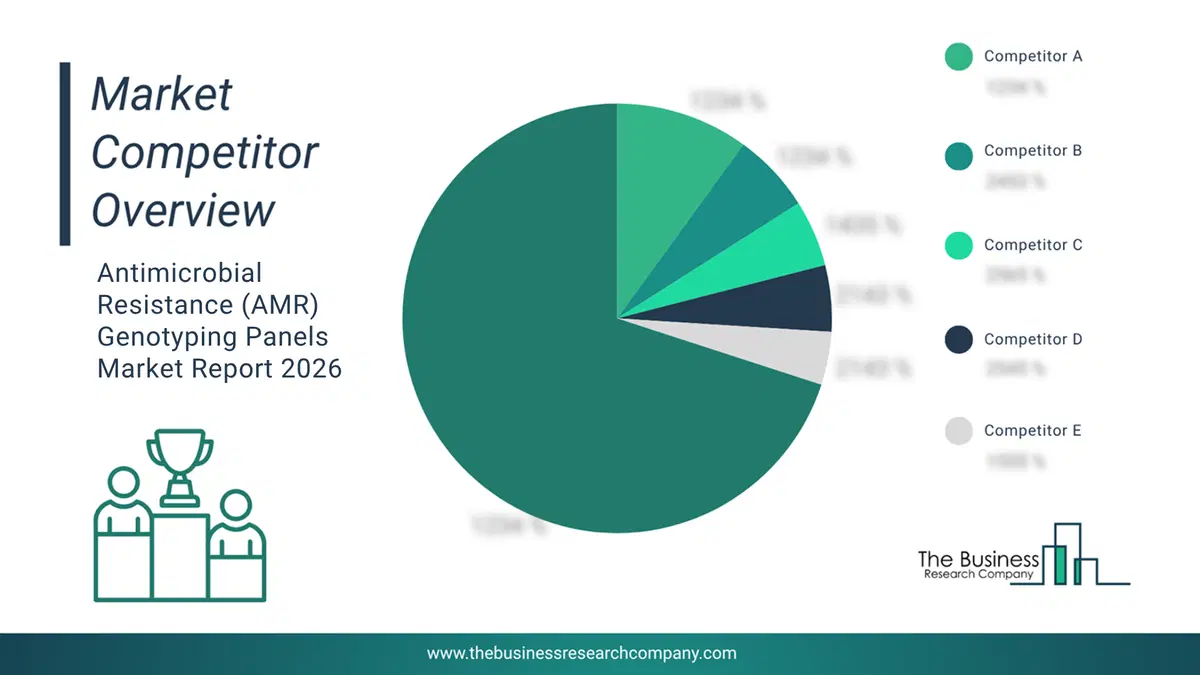
This chart is for illustrative purposes; the full report includes a detailed competitor analysis and comprehensive overview of the top 10 companies in the market.
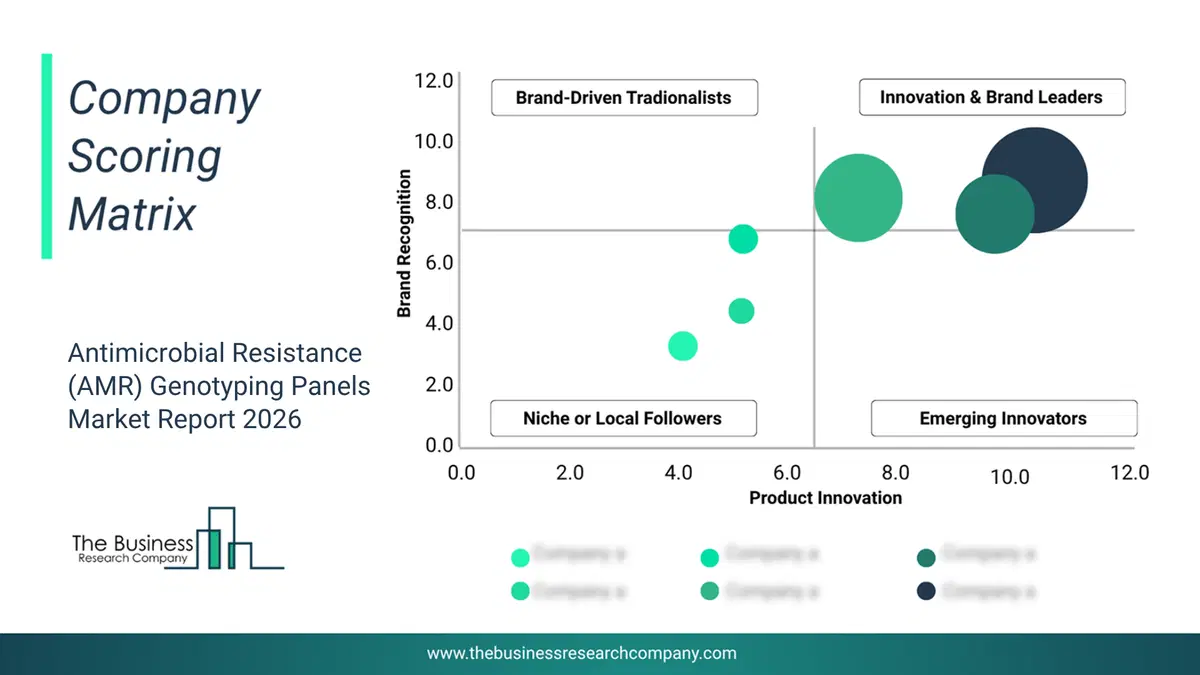
This chart maps companies by product innovation and brand strength, with bubble size indicating relative revenue, helping identify market leaders, challengers, and niche players. This is an illustrative chart; the full report provides a complete and accurate competitive analysis.
Global Antimicrobial Resistance (AMR) Genotyping Panels Market Trends and Insights
Major companies operating in the antimicrobial resistance (AMR) genotyping panels market are focusing on developing innovative products such as multiplex PCR-based research assays to enable simultaneous detection of multiple pathogens and antibiotic resistance genes in a single test, enhancing research efficiency and supporting faster identification of emerging resistance patterns. Multiplex PCR-based research assays refer to molecular tests that amplify and detect multiple genetic targets at once to identify pathogens and antibiotic resistance genes in a single reaction. For instance, in September 2025, Molecular Designs, a US-based molecular diagnostics and research-assay company, launched the Urogenital Microbiota with ABX 53 Simplicity Panel, a multiplex PCR-based research assay designed to detect urinary pathogens and antibiotic resistance genes in a single test. The panel enables simultaneous detection of 28 urogenital and urinary microbial targets (20 bacterial, 7 fungal, and 1 protozoan) along with 25 antibiotic-resistance gene markers, offering same-day turnaround and availability in both 96-well and 384-well plate formats, with breakaway panels included in the 96-well version to reduce waste.What Are Latest Mergers And Acquisitions In The Antimicrobial Resistance (AMR) Genotyping Panels Market?
In June 2025, bioMérieux, a French-based provider of in vitro diagnostics systems, reagents, software, and services for infectious diseases and industrial microbiology, acquired the assets of Day Zero Diagnostics for $25 million. With this acquisition, bioMérieux aimed to enhance its next-generation sequencing (NGS) and rapid antimicrobial-resistance diagnostics capabilities to better address infectious-disease and antimicrobial resistance (AMR) challenges. Day Zero Diagnostics is a US-based company that develops rapid whole-blood sample preparation, genome sequencing, and machine-learning analytics for pathogen identification and antibiotic-resistance profiling.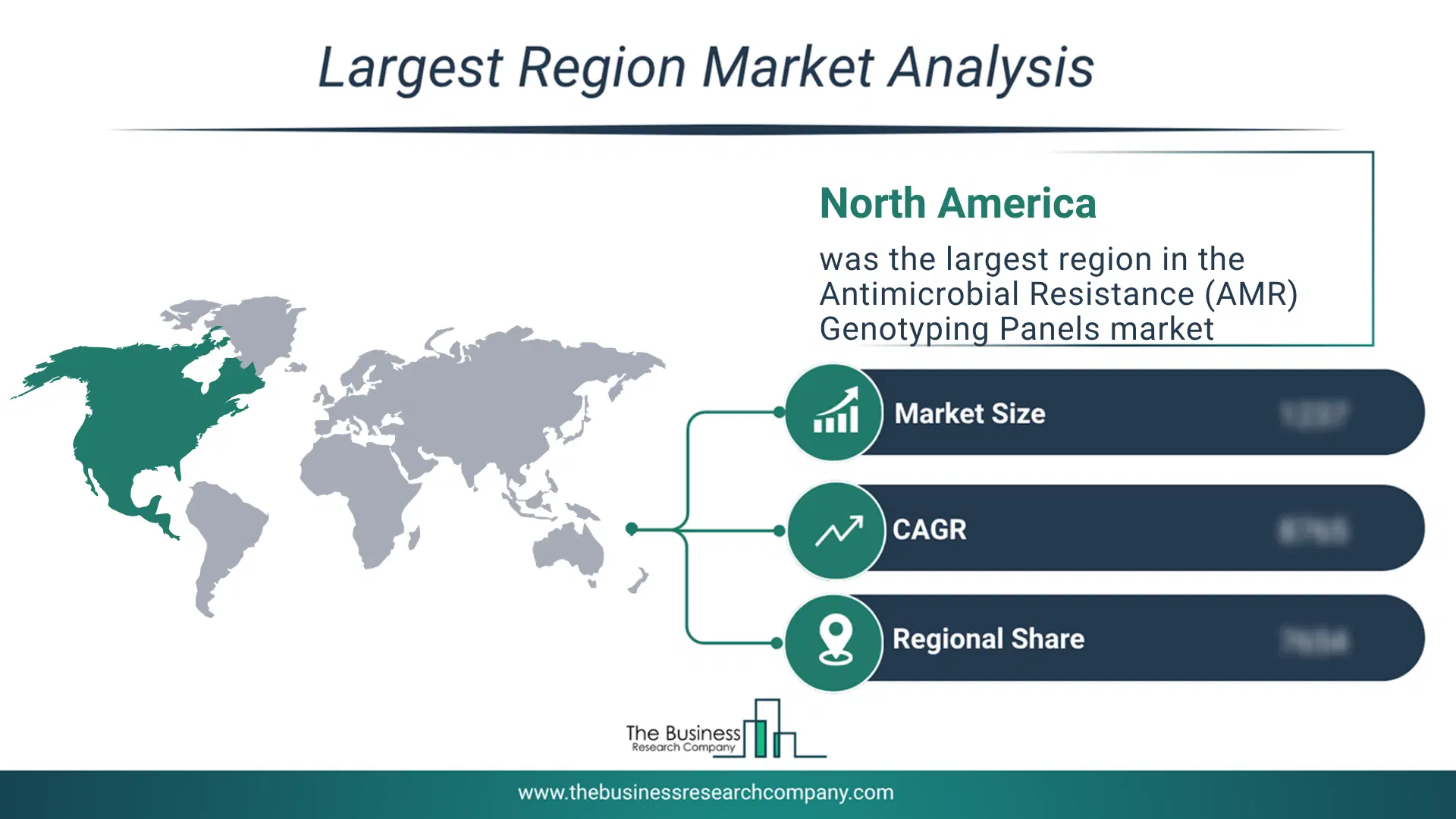
Regional Outlook
North America was the largest region in the antimicrobial resistance (AMR) genotyping panels market in 2025. Asia-Pacific is expected to be the fastest-growing region in the forecast period. The regions covered in this market report are Asia-Pacific, South East Asia, Western Europe, Eastern Europe, North America, South America, Middle East, Africa. The countries covered in this market report are Australia, Brazil, China, France, Germany, India, Indonesia, Japan, Taiwan, Russia, South Korea, UK, USA, Canada, Italy, Spain.What Defines the Antimicrobial Resistance (AMR) Genotyping Panels Market?
The antimicrobial resistance (AMR) genotyping panels market consists of sales of qPCR antimicrobial resistance detection kits, multiplex genotyping assays, next-generation sequencing reagent kits, antimicrobial resistance reference standards, and microarray slide kits. Values in this market are ‘factory gate’ values, that is the value of goods sold by the manufacturers or creators of the goods, whether to other entities (including downstream manufacturers, wholesalers, distributors and retailers) or directly to end customers. The value of goods in this market includes related services sold by the creators of the goods.How is Market Value Defined and Measured?
The market value is defined as the revenues that enterprises gain from the sale of goods and/or services within the specified market and geography through sales, grants, or donations in terms of the currency (in USD unless otherwise specified). The revenues for a specified geography are consumption values that are revenues generated by organizations in the specified geography within the market, irrespective of where they are produced. It does not include revenues from resales along the supply chain, either further along the supply chain or as part of other products.
This chart presents market attractiveness based on a quantitative evaluation of growth, competition, strategic alignment, and risk, offering a clear view of opportunity areas for decision-making. This chart is for illustrative purposes; the full report contains the complete analysis.

This chart highlights the Total Addressable Market (TAM) by estimating the maximum revenue opportunity using an assumption-driven approach, supporting strategic planning and opportunity sizing across markets. The chart is illustrative; the full report provides a more comprehensive analysis.
What Key Data and Analysis Are Included in the Antimicrobial Resistance (AMR) Genotyping Panels Market Report 2026?
The antimicrobial resistance (amr) genotyping panels market research report is one of a series of new reports from The Business Research Company that provides market statistics, including industry global market size, regional shares, competitors with the market share, detailed market segments, market trends and opportunities, and any further data you may need to thrive in the antimicrobial resistance (amr) genotyping panels industry. The market research report delivers a complete perspective of everything you need, with an in-depth analysis of the current and future state of the industry.Antimicrobial Resistance (AMR) Genotyping Panels Market Report Forecast Analysis
| Report Attribute | Details |
|---|---|
| Market Size Value In 2026 | $1.66 billion |
| Revenue Forecast In 2030 | $2.81 billion |
| Growth Rate | CAGR of 14.4% from 2026 to 2030 |
| Base Year For Estimation | 2025 |
| Actual Estimates/Historical Data | 2020-2025 |
| Forecast Period | 2026 - 2030 |
| Market Representation | Revenue in USD Billion and CAGR from 2026 to 2030 |
| Segments Covered | Product Type, Technology, Application, End-User |
| Regional Scope | Asia-Pacific, Western Europe, Eastern Europe, North America, South America, Middle East, Africa |
| Country Scope | The countries covered in the report are Australia, Brazil, China, France, Germany, India, ... |
| Key Companies Profiled | Thermo Fisher Scientific Inc., F Hoffmann La Roche Ltd., Abbott Laboratories, Illumina Inc., bioMérieux SA., Bruker Corporation, QIAGEN NV., Cepheid Inc., Integrated DNA Technologies Inc., Seegene Inc., Oxford Nanopore Technologies plc., Streck Inc., MedGenome Inc., Vela Diagnostics Pte. Ltd., Agena Bioscience Inc., CD Genomics Inc., Curetis GmbH, T2 Biosystems Inc., 3B BlackBio Biotech India Ltd., Genefirst Ltd., OpGen Inc. |
| Customization Scope | Request for Customization |
| Pricing And Purchase Options | Explore Purchase Options |