
Biologics Contract Development Market Report 2026
Global Outlook – By Source (Microbial, Mammalian, Other Sources), By Indication (Oncology, Immunological Disorders, Cardiovascular Disorders, Hematological Disorders, Other Indications), By Product Service (Cell Line Development, Process Development, Other Product Services) - Market Size, Trends, And Global Forecast 2026-2030
Biologics Contract Development Market Overview
• Biologics Contract Development market size has reached to $8.55 billion in 2025 • Expected to grow to $14.46 billion in 2030 at a compound annual growth rate (CAGR) of 11% • Growth Driver: Surge In Chronic Diseases Drives Demand, Fueling Growth In The Biologics Contract Development Market • Market Trend: Integration Of Data Analytics Enhances Efficiency And Decision-Making In The Process • North America was the largest region in 2025 and Asia-Pacific is the fastest growing region.Market Gains By 2030 – Top Opportunities By Segment
Market Gain identifies the most promising market opportunities by highlighting the segments or products expected to generate the highest incremental revenue growth over the next five years.
What Is Covered Under Biologics Contract Development Market?
Biologics contract development refers to companies that provide biologics development and manufacturing services to pharmaceutical corporations on a contract basis. The biologics contract development is used to outsource the manufacturing of biologics on contracts to focus on the marketing, R&D, and branding of products. The main source of biologics contract development are microbial, mammalian, and other sources. The microbial source of biologics contract development are used for the production of various biologics. The biologics contract development indication are oncology, immunological disorders, cardiovascular disorders, hematological disorders, and others indications that are applied in the product service of biologics contract development such as cell line development, process development, and others product services.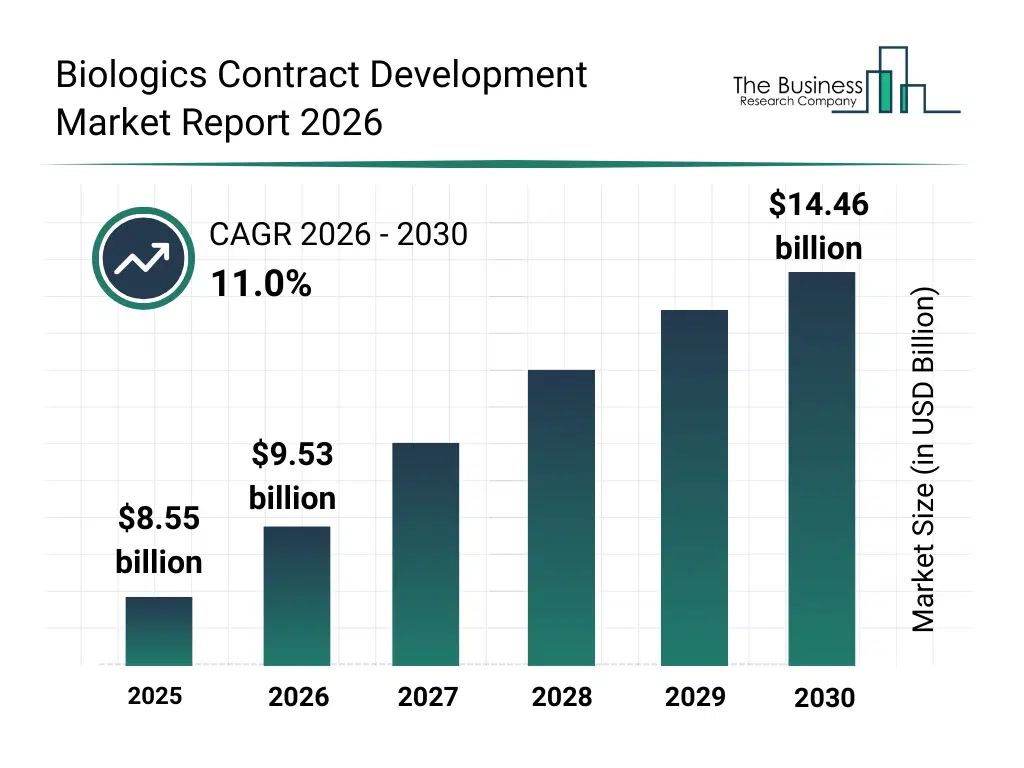
What Is The Biologics Contract Development Market Size and Share 2026?
The biologics contract development market size has grown rapidly in recent years. It will grow from $8.55 billion in 2025 to $9.53 billion in 2026 at a compound annual growth rate (CAGR) of 11.4%. The growth in the historic period can be attributed to increasing biologics pipeline complexity, rising costs of in-house manufacturing, expansion of monoclonal antibody development, growth of early-stage biologics research, increasing reliance on specialized cdmos.What Is The Biologics Contract Development Market Growth Forecast?
The biologics contract development market size is expected to see rapid growth in the next few years. It will grow to $14.46 billion in 2030 at a compound annual growth rate (CAGR) of 11.0%. The growth in the forecast period can be attributed to increasing demand for rapid biologics scale-up, rising investments in advanced mammalian cell platforms, expansion of oncology biologics pipelines, growing focus on flexible manufacturing capacity, increasing adoption of digital bioprocess optimization. Major trends in the forecast period include increasing outsourcing of biologics process development, rising demand for scalable cell line development, growing adoption of single-use bioprocessing systems, expansion of integrated cdmo service models, enhanced focus on speed-to-clinic development.
Global Biologics Contract Development Market Segmentation
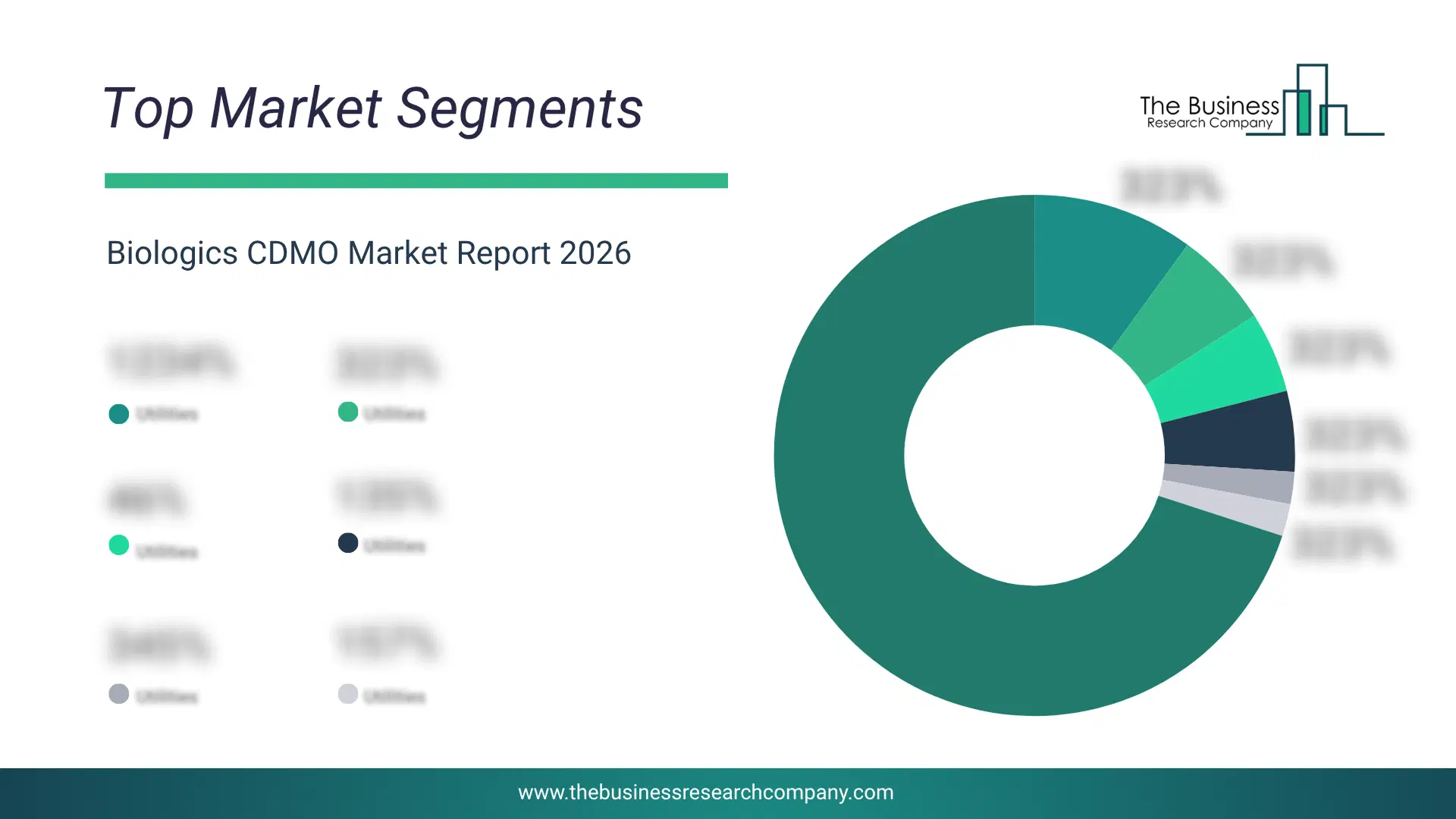
1) By Source: Microbial, Mammalian, Other Sources 2) By Indication: Oncology, Immunological Disorders, Cardiovascular Disorders, Hematological Disorders, Other Indications 3) By Product Service: Cell Line Development, Process Development, Other Product Services Subsegments: 1) By Microbial: Bacterial Sources, Yeast Sources, Fungal Sources 2) By Mammalian: Chinese Hamster Ovary (CHO) Cells, Human Embryonic Kidney (HEK) Cells, Hybridoma Cells 3) By Other Sources: Plant-Based Systems, Insect Cell Systems, Algal Sources The top segments in the revenue-based financing market will be: • Small-Sized Enterprises will reach $48.4 Billion by 2030. • Micro Enterprises will reach $33.55 Billion by 2030. • Medium-Sized Enterprises will reach $27.36 Billion by 2030. The top segments in the biologics contract development and manufacturing organization (cdmo) market will be: • Mammalian will reach $32.22 Billion by 2030. • Non-Mammalian will reach $18.07 Billion by 2030.What Is The Driver Of The Biologics Contract Development Market?
The rising prevalence of chronic diseases is expected to propel the biologics contract development market going forward. Chronic diseases refer to an illness that lasts for a year or longer that requires ongoing medical attention. The rise in chronic disease cases is increasing the demand for developing novel drugs, including biologics, thereby promoting the biologics contract development market. For instance, in September 2024, according to the reports published by the Office for Health Improvement & Disparities, a UK-based government, in the first half of 2023, there were 3,940 excess deaths attributed to chronic lower respiratory diseases, marking a 30% increase compared to expected rates. For the entire year, this number rose to 5,363, reflecting a 22% increase overall. Therefore, the rising prevalence of chronic diseases will drive the growth of the biologics contract development industry.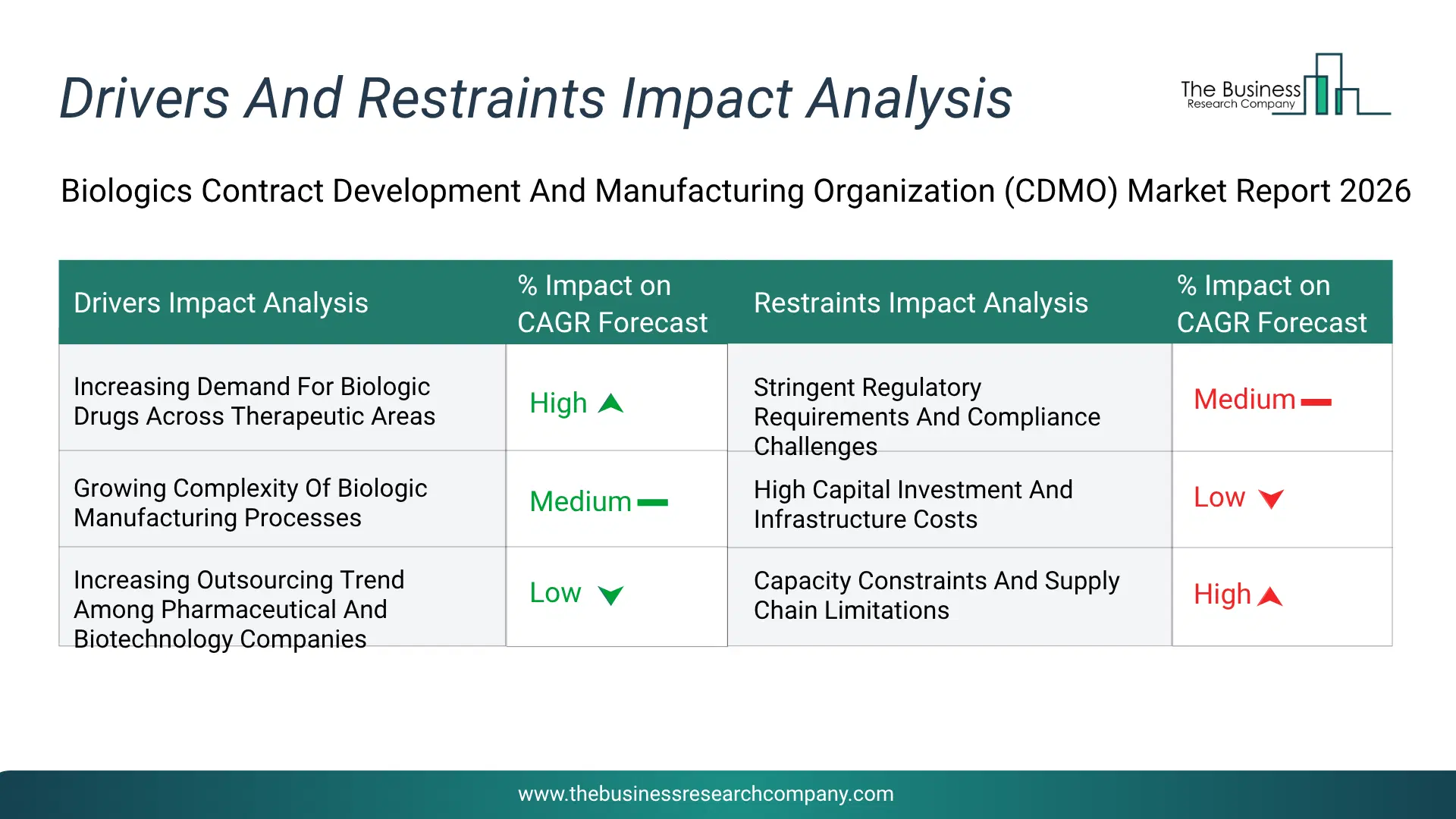
Infographic Chart Showing Key Market Drivers Analysis And Restraints For Biologics Contract Development Market
The chart presents an impact analysis of key drivers and restraints, quantifying their relative influence on the market's growth rate and helping assess the balance between growth enablers and limiting factors. This chart offers a high-level perspective; the full report contains more detailed insights.
How Will The Drivers Impact Growth In The Global Biologics Contract Development And Manufacturing Organization (CDMO) Market?
• Increasing Demand For Biologic Drugs Across Therapeutic Areas (High) – During the forecast period, the increasing demand for biologic drugs across therapeutic areas is expected to become a key growth driver for the biologics contract development and manufacturing organization (CDMO) market by 2030. The biologics CDMO market is directly driven by the expanding demand for biologic drugs such as vaccines, recombinant proteins, and gene therapies mentioned in the definition. As these therapies require specialized development, analytical testing, and manufacturing support, pharmaceutical companies increasingly depend on CDMOs for end-to-end services. This creates sustained demand for process development, cell line development, and fill-finish services. The broader biologics pipeline growth translates into higher service volumes for CDMOs. Thus, rising biologics consumption strengthens the overall market expansion. • Growing Complexity Of Biologic Manufacturing Processes (Medium) – During the forecast period, the growing complexity of biologic manufacturing processes is expected to emerge as a major factor driving the expansion of the biologics contract development and manufacturing organization (CDMO) market by 2030. The definition highlights multiple complex service components such as analytical development, supply chain management, and production of advanced biologics, which require high technical expertise. Many companies lack the infrastructure and regulatory capabilities to manage such sophisticated processes internally. CDMOs bridge this gap by offering integrated and specialized solutions across the biologics value chain. This complexity increases reliance on outsourcing partners for efficient and compliant manufacturing. • Increasing Outsourcing Trend Among Pharmaceutical And Biotechnology Companies (Low) – During the forecast period, the increasing outsourcing trend among pharmaceutical and biotechnology companies is expected to act as a key growth catalyst for the biologics contract development and manufacturing organization (CDMO) market by 2030. Based on the definition, CDMOs provide a wide range of services and even include the sale of biologic products within their offerings, making them comprehensive partners. Pharmaceutical and biotech companies increasingly outsource these functions to reduce capital expenditure and accelerate timelines. Outsourcing enables firms to access advanced capabilities without investing in costly infrastructure. This shift allows companies to focus on innovation while CDMOs handle development and production. Consequently, increasing outsourcing behavior significantly drives growth in the biologics CDMO market.How Will The Restraints Impact Growth In The Global Biologics Contract Development And Manufacturing Organization (CDMO) Market?
• Stringent Regulatory Requirements And Compliance Challenges (High) – During the forecast period, the the biologics CDMO market is constrained by strict regulatory frameworks governing biologic drug development and manufacturing, as reflected in the definition’s focus on complex services like analytical development and production. Regulatory agencies impose rigorous quality, safety, and validation standards, increasing the time and cost required for approvals. CDMOs must continuously invest in compliance systems, documentation, and audits, which raises operational complexity. Any failure to meet regulatory standards can lead to delays or rejection of products. This stringent environment limits scalability and slows market growth. • High Capital Investment And Infrastructure Costs (Medium) – During the forecast period, the biologics manufacturing requires specialized facilities, advanced bioprocessing equipment, and controlled environments, aligning with the definition’s inclusion of end-to-end development and production services. Establishing and maintaining such infrastructure demands significant capital expenditure, making entry difficult for new players. Continuous upgrades are also necessary to support evolving biologic modalities such as gene and cell therapies. These high costs reduce profitability margins and limit expansion, particularly for smaller CDMOs. As a result, capital intensity acts as a major restraint on market growth. • Capacity Constraints And Supply Chain Limitations (Low) – During the forecast period, the the definition highlights supply chain management and production of biologics, which are highly sensitive to capacity and logistics challenges. Limited manufacturing capacity, especially for advanced biologics, creates bottlenecks in production timelines. Additionally, dependence on specialized raw materials and cold-chain logistics increases vulnerability to disruptions. Any delays in supply chain or capacity shortages can hinder timely delivery of biologic products. These constraints restrict the ability of CDMOs to meet growing demand, thereby acting as a restraint on market expansion.Key Players In The Global Biologics Contract Development Market
Major companies operating in the biologics contract development market are WuXi Biologics, Abzena Ltd., Fujifilm Diosynth Biotechnologies, KBI Biopharma, AGC Biologics, Thermo Fisher Scientific Inc, LakePharma Inc., GenScript Biotech Corporation, Bionova Scientific Inc., Boehringer Ingelheim GmbH, Samsung BioLogics, Forge Biologics, Lonza Group, Catalent Inc., Cytovance Biologics, Emergent BioSolutions, Eurofins CDMO, Merck Group, Patheon N.V., ProBioGen AG, Rentschler Biopharma SE, Syngene International Limited, Vibalogics GmbH, Yposkesi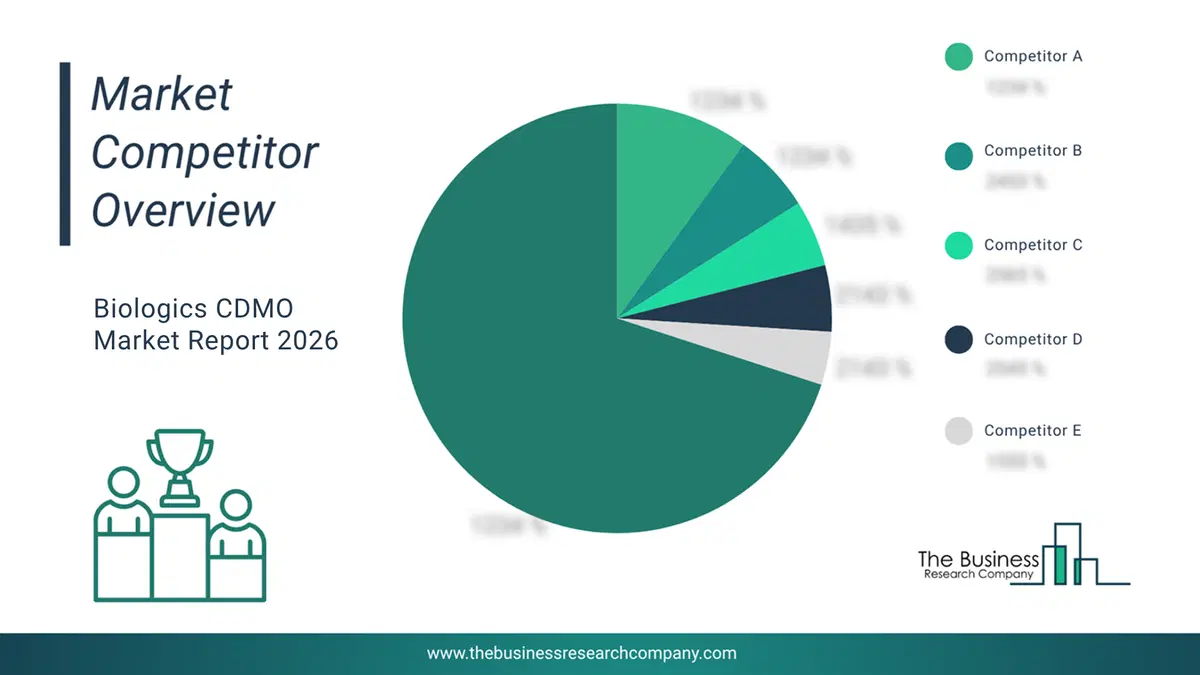
This chart is for illustrative purposes; the full report includes a detailed competitor analysis and comprehensive overview of the top 10 companies in the market.
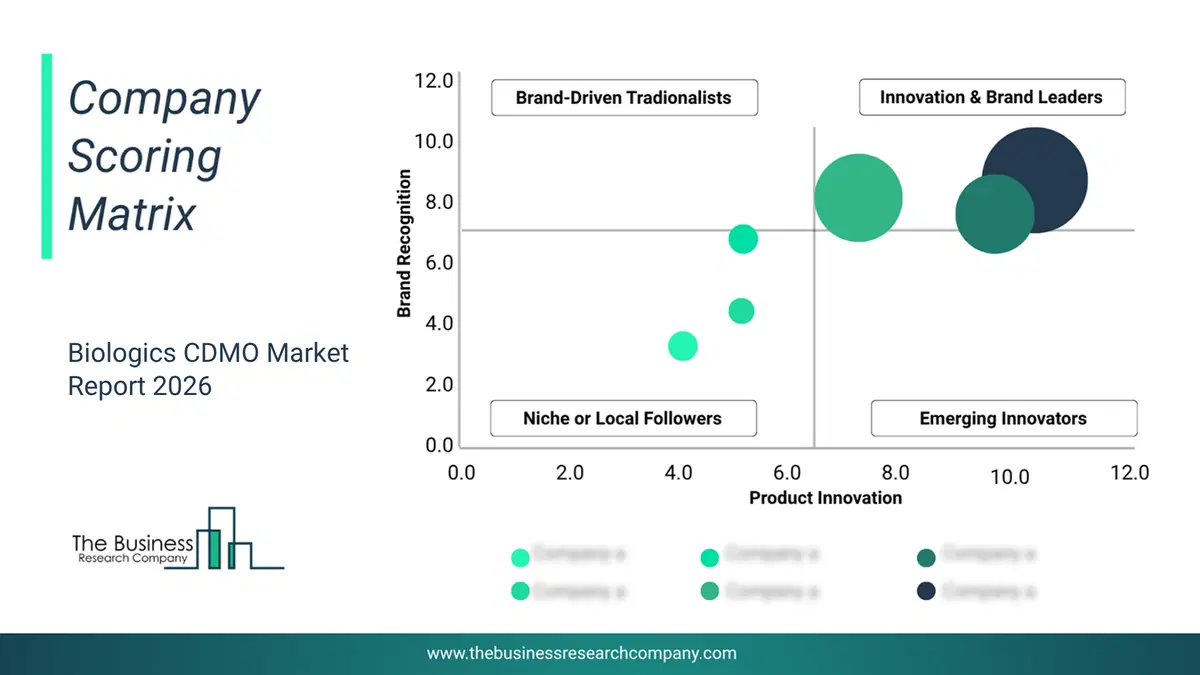
This chart maps companies by product innovation and brand strength, with bubble size indicating relative revenue, helping identify market leaders, challengers, and niche players. This is an illustrative chart; the full report provides a complete and accurate competitive analysis.
Global Biologics Contract Development Market Trends and Insights
Major companies operating in the biologics contract development are focusing on integrating data analytics into the biologics contract development process. Major companies are integrating digital technologies and data analytics in biologics development processes for improved process monitoring, data analysis, and decision-making, enhancing efficiency and productivity. For instance, in October 2023, WuXi Biologics, a China-based biologics contract development and manufacturing company, launched its WuXiUI high-productivity bioprocessing platform. WuXiUI is WuXi Biologics' proprietary ultra-intensified intermittent-perfusion fed-batch platform, which has been successfully developed and deployed internally and in client-facing biologics development and manufacturing projects. It facilitates, for example, real-time monitoring of critical process parameters via integrated Process Analytical Technology tools, optimization of cell culture productivity, and prediction of product quality and yield profiles under varying process conditions, given suitable process data inputs.What Are Latest Mergers And Acquisitions In The Biologics Contract Development Market?
In October 2024, Lonza, a Switzerland-based provider of biologics contract development and manufacturing services, acquired the Genentech large-scale biologics manufacturing site in Vacaville, California (US), from Roche for USD $1.2 billion. With this acquisition, Lonza aims to expand its U.S. biologics manufacturing footprint, increase large-scale mammalian production capacity, and strengthen its end-to-end CDMO offerings for external clients. Genentech Vacaville biologics manufacturing facility is a US-based provider of large-scale mammalian biologics production services, including clinical- and commercial-scale manufacturing and fill/finish capabilities.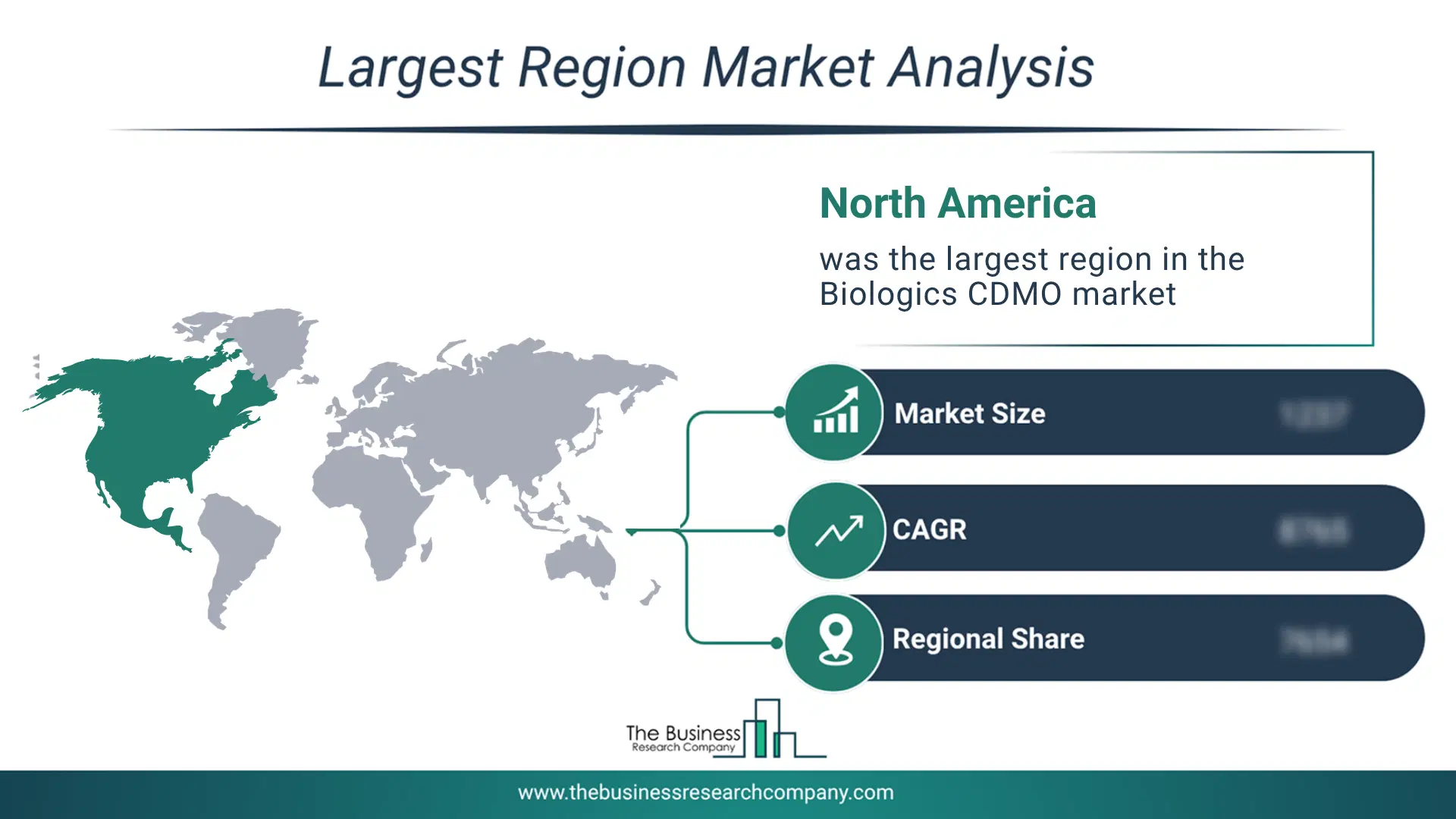
Regional Outlook
North America was the largest region in the biologics contract development market share in 2025. Asia-Pacific is expected to be the fastest-growing region in the forecast period. The regions covered in this market report are Asia-Pacific, South East Asia, Western Europe, Eastern Europe, North America, South America, Middle East, Africa. The countries covered in this market report are Australia, Brazil, China, France, Germany, India, Indonesia, Japan, Taiwan, Russia, South Korea, UK, USA, Canada, Italy, Spain.What Defines the Biologics Contract Development Market?
The biologics contract development market includes revenues earned by entities by sourcing, solid and specialized formulation development, and process analytics development. The market value includes the value of related goods sold by the service provider or included within the service offering. Only goods and services traded between entities or sold to end consumers are included.How is Market Value Defined and Measured?
The market value is defined as the revenues that enterprises gain from the sale of goods and/or services within the specified market and geography through sales, grants, or donations in terms of the currency (in USD unless otherwise specified). The revenues for a specified geography are consumption values that are revenues generated by organizations in the specified geography within the market, irrespective of where they are produced. It does not include revenues from resales along the supply chain, either further along the supply chain or as part of other products.
This chart presents market attractiveness based on a quantitative evaluation of growth, competition, strategic alignment, and risk, offering a clear view of opportunity areas for decision-making. This chart is for illustrative purposes; the full report contains the complete analysis.

This chart highlights the Total Addressable Market (TAM) by estimating the maximum revenue opportunity using an assumption-driven approach, supporting strategic planning and opportunity sizing across markets. The chart is illustrative; the full report provides a more comprehensive analysis.
What Key Data and Analysis Are Included in the Biologics Contract Development Market Report 2026?
The biologics contract development market research report is one of a series of new reports from The Business Research Company that provides market statistics, including industry global market size, regional shares, competitors with the market share, detailed market segments, market trends and opportunities, and any further data you may need to thrive in the biologics contract development industry. The market research report delivers a complete perspective of everything you need, with an in-depth analysis of the current and future state of the industry.Biologics Contract Development Market Report Forecast Analysis
| Report Attribute | Details |
|---|---|
| Market Size Value In 2026 | $9.53 billion |
| Revenue Forecast In 2030 | $14.46 billion |
| Growth Rate | CAGR of 11.4% from 2026 to 2030 |
| Base Year For Estimation | 2025 |
| Actual Estimates/Historical Data | 2020-2025 |
| Forecast Period | 2026 - 2030 |
| Market Representation | Revenue in USD Billion and CAGR from 2026 to 2030 |
| Segments Covered | Source, Indication, Product Service |
| Regional Scope | Asia-Pacific, Western Europe, Eastern Europe, North America, South America, Middle East, Africa |
| Country Scope | The countries covered in the report are Australia, Brazil, China, France, Germany, India, Indonesia, Japan, Taiwan, Russia, South Korea, UK, USA, Canada, Italy, Spain. |
| Key Companies Profiled | WuXi Biologics, Abzena Ltd., Fujifilm Diosynth Biotechnologies, KBI Biopharma, AGC Biologics, Thermo Fisher Scientific Inc, LakePharma Inc., GenScript Biotech Corporation, Bionova Scientific Inc., Boehringer Ingelheim GmbH, Samsung BioLogics, Forge Biologics, Lonza Group, Catalent Inc., Cytovance Biologics, Emergent BioSolutions, Eurofins CDMO, Merck Group, Patheon N.V., ProBioGen AG, Rentschler Biopharma SE, Syngene International Limited, Vibalogics GmbH, Yposkesi |
| Customization Scope | Request for Customization |
| Pricing And Purchase Options | Explore Purchase Options |