
Immunoglobulin Fusion Protein Market Report 2026
Global Outlook – By Type (Monoclonal Antibodies, Polyclonal Antibodies, Bispecific Antibodies, Recombinant Antibodies), By Drug Class (Immunosuppressive Drugs, Immunostimulatory Drugs), By Mode of Administration (Intravenous, Subcutaneous, Intramuscular), By Application (Autoimmune Disease, Eye Diseases, Diabetes, Hemophilia), By End User (Hospitals, Clinics, Research Institutes) – Market Size, Trends, Strategies, and Forecast to 2030
Immunoglobulin Fusion Protein Market Overview
• Immunoglobulin Fusion Protein market size has reached to $46.05 billion in 2025 • Expected to grow to $87.21 billion in 2030 at a compound annual growth rate (CAGR) of 13.6% • Growth Driver: The Surge In Autoimmune Disorder Diagnoses Is Boosting The Market Growth Due To Growing Need For Immune-Modulating Therapies • Market Trend: Impact of Clinical Trials on Market Development and Therapeutic Advancements • North America was the largest region in 2025 and Asia-Pacific is the fastest growing region.Market Gains By 2030 – Top Opportunities By Segment
Market Gain identifies the most promising market opportunities by highlighting the segments or products expected to generate the highest incremental revenue growth over the next five years.
What Is Covered Under Immunoglobulin Fusion Protein Market?
An immunoglobulin fusion protein is a biologically engineered molecule created by fusing the functional domain of a target protein or peptide with the constant region of an immunoglobulin (antibody). This fusion enhances the stability, half-life, and solubility of the target protein and can improve its therapeutic efficacy by leveraging the immune system’s natural mechanisms. The main types of immunoglobulin fusion proteins are monoclonal antibodies, polyclonal antibodies, bispecific antibodies, and recombinant antibodies. Monoclonal antibodies are lab-engineered proteins designed to precisely target and neutralize specific pathogens by mimicking the body’s immune response. The various drug class include immunosuppressive drugs and immunostimulatory drugs. These proteins are administered through various routes such as intravenous, subcutaneous, and intramuscular injection. They are used for various applications, including autoimmune diseases, eye diseases, diabetes, and hemophilia. The key end users are hospitals, clinics, and research institutes.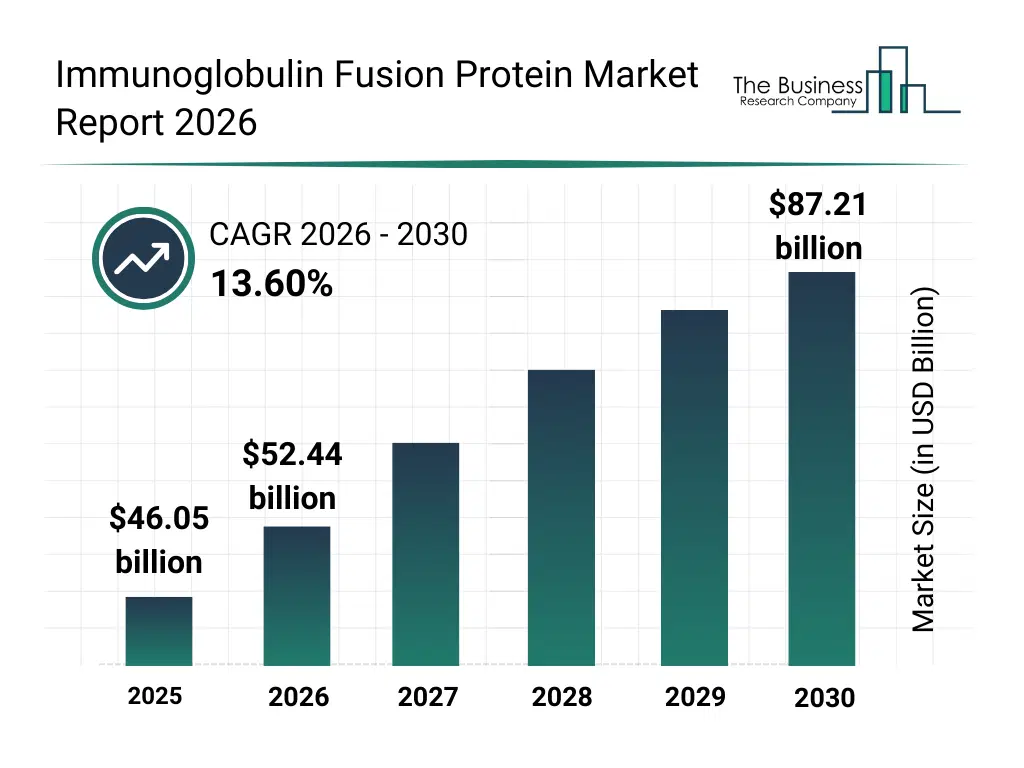
What Is The Immunoglobulin Fusion Protein Market Size and Share 2026?
The immunoglobulin fusion protein market size has grown rapidly in recent years. It will grow from $46.05 billion in 2025 to $52.44 billion in 2026 at a compound annual growth rate (CAGR) of 13.9%. The growth in the historic period can be attributed to biologic drug innovation, autoimmune disease burden, monoclonal antibody success, hospital biologics adoption, chronic disease management.What Is The Immunoglobulin Fusion Protein Market Growth Forecast?
The immunoglobulin fusion protein market size is expected to see rapid growth in the next few years. It will grow to $87.21 billion in 2030 at a compound annual growth rate (CAGR) of 13.6%. The growth in the forecast period can be attributed to precision biologics development, rare disease drug pipelines, biosimilar competition, advanced protein engineering, long-acting therapy demand. Major trends in the forecast period include growing development of long-acting biologics, increased use of fc fusion technologies, expansion of autoimmune and rare disease applications, improved drug stability and half-life engineering, rising investment in protein engineering platforms.
Global Immunoglobulin Fusion Protein Market Segmentation
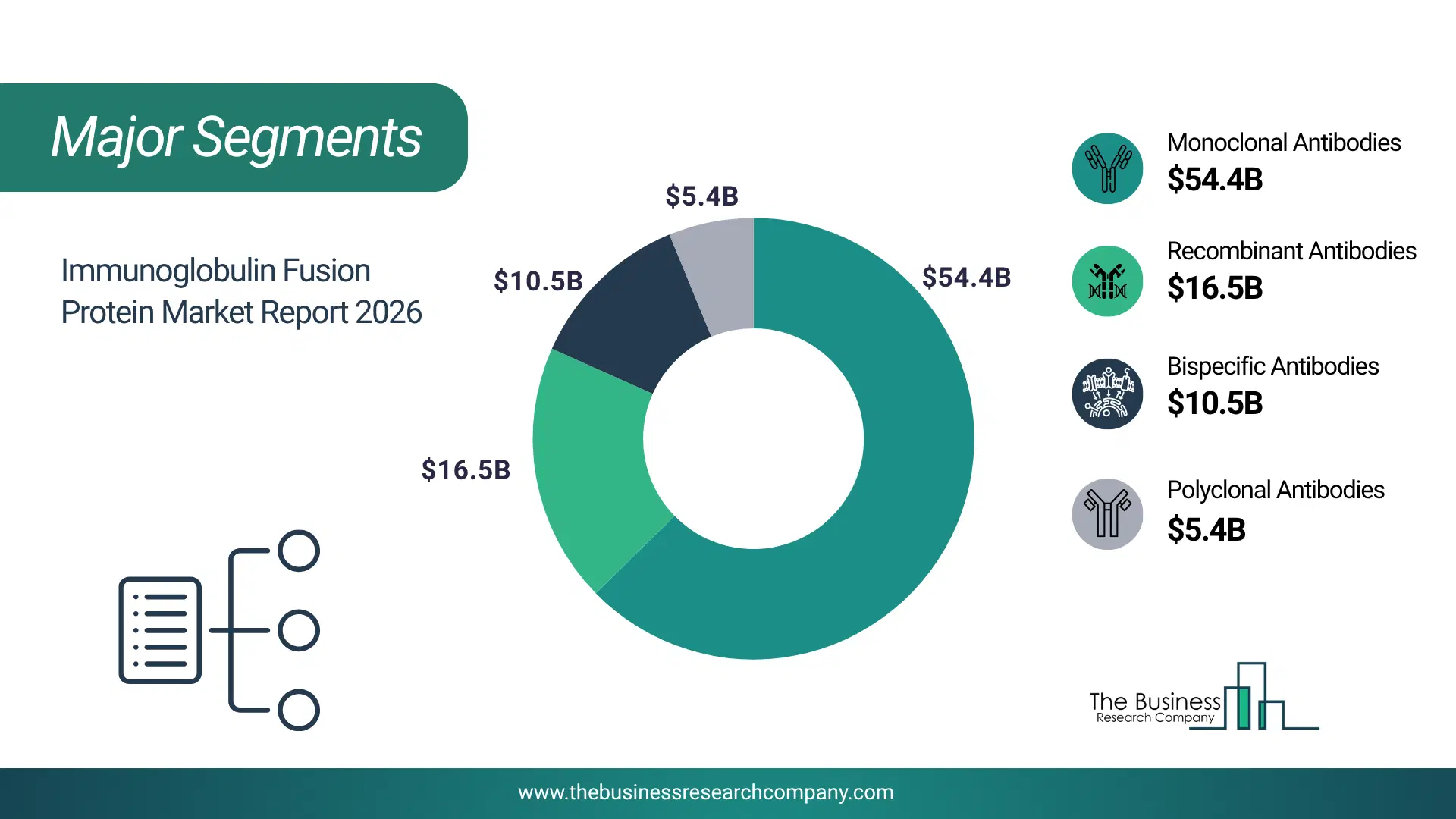
1) By Type: Monoclonal Antibodies, Polyclonal Antibodies, Bispecific Antibodies, Recombinant Antibodies 2) By Drug Class: Immunosuppressive Drugs, Immunostimulatory Drugs 3) By Mode of Administration: Intravenous, Subcutaneous, Intramuscular 4) By Application: Autoimmune Disease, Eye Diseases, Diabetes, Hemophilia 5) By End User: Hospitals, Clinics, Research Institutes Subsegments: 1) By Monoclonal Antibodies: Human Monoclonal Antibodies, Humanized Monoclonal Antibodies, Chimeric Monoclonal Antibodies, Murine Monoclonal Antibodies 2) By Polyclonal Antibodies: Animal-Derived Polyclonal Antibodies, Human-Derived Polyclonal Antibodies, Recombinant Polyclonal Antibodies 3) By Bispecific Antibodies: Tandem Single-Chain Variable Fragment, Dual-Variable Domain Antibodies, Bispecific T-Cell Engagers (BiTEs), Dual-Affinity Re-Targeting Antibodies 4) By Recombinant Antibodies: Fragment Antibodies, Full-Length Recombinant Antibodies, Antibody-Drug Conjugates (ADCs), Engineered Antibody Domains The top segments in the immunoglobulin fusion protein market will be: • Monoclonal Antibodies will reach $54.33 billion by 2030. • Recombinant Antibodies will reach $16.49 billion by 2030. • Bispecific Antibodies will reach $10.46 billion by 2030. • Polyclonal Antibodies will reach $5.32 billion by 2030.What Is The Driver Of The Immunoglobulin Fusion Protein Market?
The increasing prevalence of autoimmune disorders is expected to propel the growth of the immunoglobulin fusion protein market going forward. Autoimmune disorders refer to conditions in which the body's immune system mistakenly attacks its own healthy cells and tissues. The increasing prevalence of autoimmune disorders is primarily due to a combination of genetic predisposition and environmental factors, where inherited genes make individuals more susceptible, and triggers such as infections or lifestyle contribute to the development of these conditions. Immunoglobulin fusion protein helps autoimmune disorders by modulating the immune response to reduce inflammation and prevent the immune system from attacking the body’s own tissues. For instance, in February 2024, according to the Arthritis Australia, an Australia-based non-profit organization, in 2025, it is estimated that 562,378 people in Australia will have rheumatoid arthritis (RA), accounting for 14% of the total arthritis population. By 2040, the number of Australians with RA is projected to rise by 33%, reaching 748,721 individuals. This represents an increase of 186,343 people living with RA compared to 2025. Therefore, the increasing prevalence of autoimmune disorders is driving the growth of the immunoglobulin fusion protein industry.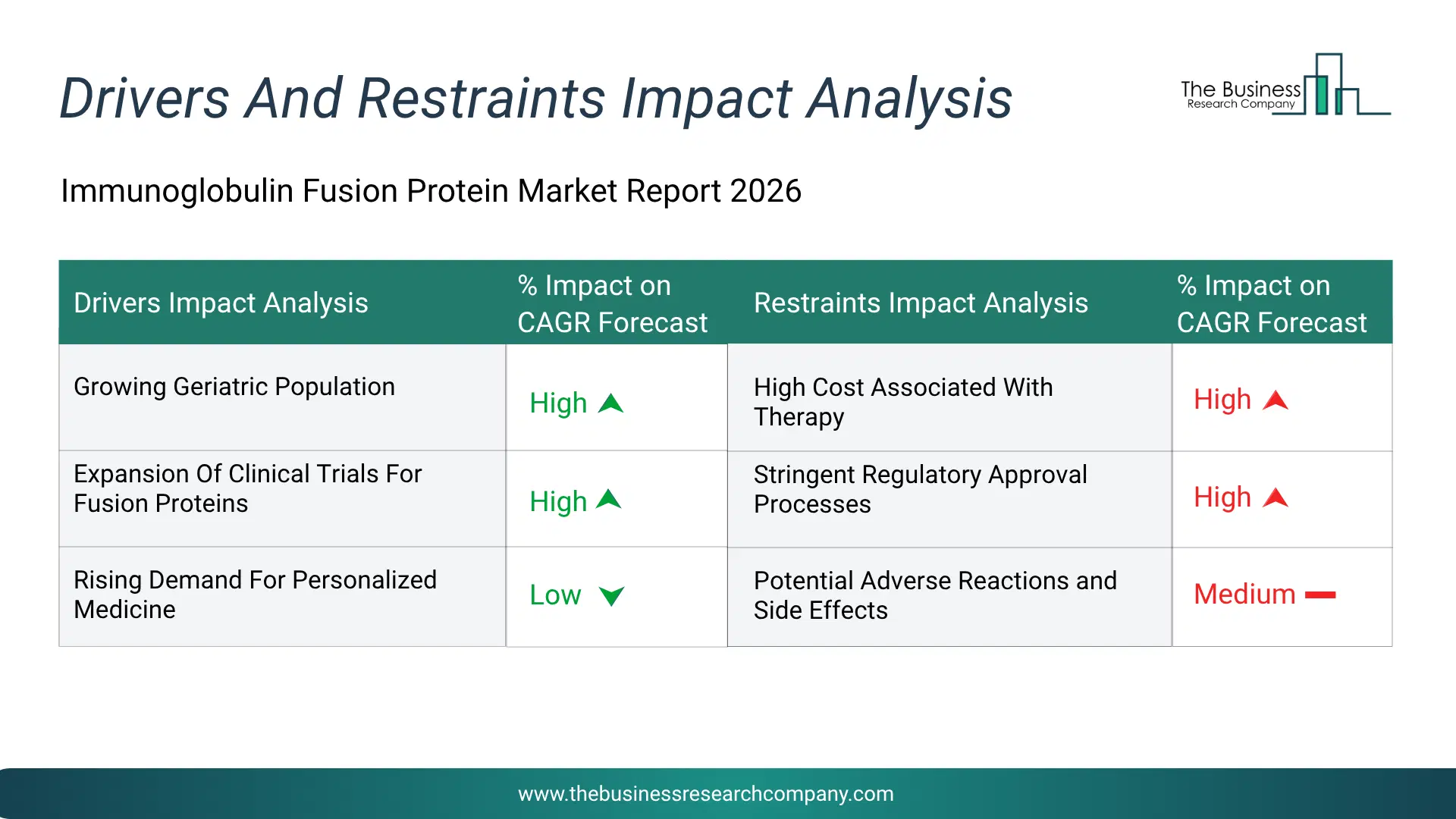
Infographic Chart Showing Key Market Drivers Analysis And Restraints For Immunoglobulin Fusion Protein Market
The chart presents an impact analysis of key drivers and restraints, quantifying their relative influence on the market's growth rate and helping assess the balance between growth enablers and limiting factors. This chart offers a high-level perspective; the full report contains more detailed insights.
How Will The Drivers Impact Growth In The Global Immunoglobulin Fusion Protein Market?
• Growing Geriatric Population (High) – During the forecast period, the growing geriatric population is expected to emerge as a major growth driver for the immunoglobulin fusion protein market by 2030. The increasing number of elderly individuals is significantly contributing to the expansion of the immunoglobulin fusion protein market, as aging is closely linked with a higher prevalence of chronic inflammatory, autoimmune, and degenerative diseases. Disorders such as rheumatoid arthritis, psoriasis, osteoporosis, and age -related macular degeneration frequently require long -term biologic therapies. Immunoglobulin fusion proteins provide benefits including extended half -life and enhanced stability, which allow reduced dosing frequency and improved treatment convenience for elderly patients. Furthermore, older patients often require safer and more targeted treatment options due to multiple comorbidities and a higher risk of drug interactions. As global life expectancy continues to increase, the demand for advanced biologic therapies is also rising, supporting market growth. • Expansion Of Clinical Trials For Fusion Proteins (High) – During the forecast period, the expanding pipeline of fusion protein therapies is expected to become a key growth driver for the immunoglobulin fusion protein market by 2030. The increasing number of clinical trials focused on fusion protein therapeutics is accelerating innovation and strengthening the overall product development pipeline. Ongoing research is exploring new therapeutic applications in areas such as oncology, rare diseases, and immune-mediated conditions, thereby broadening the scope of treatment possibilities. As a larger number of drug candidates advance into late-stage clinical trials, the probability of regulatory approvals rises, leading to new product introductions. Clinical validation also enhances physician confidence and encourages wider adoption of these biologic treatments. This continuous research and development activity supports sustained revenue growth and strengthens market competitiveness. • Rising Demand For Personalized Medicine (Low) – During the forecast period, the growth of personalized medicine approaches is expected to emerge as a major growth driver for the immunoglobulin fusion protein market by 2030. The increasing shift toward personalized medicine is supporting the expansion of the immunoglobulin fusion protein market by promoting the development of targeted and mechanism-specific therapies. These fusion proteins can be engineered to interact with particular immune pathways or cellular receptors, allowing more individualized treatment strategies. This approach enhances clinical effectiveness while minimizing systemic side effects compared to conventional therapies. Additionally, the rising adoption of biomarker testing and precision diagnostic technologies is increasing demand for customized biologic treatments. As healthcare systems place greater emphasis on value-based and patient-centered care, the adoption of specialized fusion protein therapies continues to grow.How Will The Restraints Impact Growth In The Global Immunoglobulin Fusion Protein Market?
• High Cost Associated With Therapy (High) – During the forecast period, the immunoglobulin fusion proteins are biologic therapies that require advanced manufacturing technologies, cold-chain logistics, and complex purification processes, significantly increasing production costs. These high costs translate into expensive treatment regimens, limiting affordability for patients, especially in developing regions. The financial burden on healthcare systems and payers also restricts widespread reimbursement approvals. Long-term treatment requirements further amplify the overall therapy cost. As a result, pricing pressure remains a major barrier to broader market penetration. • Stringent Regulatory Approval Processes (High) – During the forecast period, the fusion proteins undergo rigorous regulatory evaluation due to their biological complexity and potential immunogenicity risks. Authorities require extensive preclinical studies, multi-phase clinical trials, and detailed safety and efficacy data before approval. The lengthy and uncertain approval timelines delay product launches and increase development costs. Regulatory scrutiny is particularly strict for fc-fusion proteins because of their immune-modulating mechanisms. These demanding approval pathways slow innovation and restrict the speed of market expansion. • Potential Adverse Reactions and Side Effects (Medium) – During the forecast period, the although fusion proteins are designed for targeted therapy, they can still cause immune-related adverse reactions, including injection-site reactions, infections, or hypersensitivity responses. Long-term immune suppression in certain treatments may increase susceptibility to opportunistic infections. Safety concerns can reduce physician confidence and patient willingness to adopt biologic therapies. Post-marketing surveillance requirements further add compliance burdens on manufacturers. These clinical risks act as a restraint by limiting rapid adoption and increasing regulatory oversight.Key Players In The Global Immunoglobulin Fusion Protein Market
Major companies operating in the immunoglobulin fusion protein market are Amgen Inc., Pfizer Inc., Swedish Orphan Biovitrum AB (Sobi), Regeneron Pharmaceuticals Inc., Sanofi S.A., AbbVie Inc., Bristol-Myers Squibb Company, Roche Holding AG, Genentech Inc., UCB S.A., AstraZeneca PLC, CSL Behring, Takeda Pharmaceutical Company Limited, Novartis AG, Merck & Co. Inc., Biogen Inc., Horizon Therapeutics (Amgen subsidiary), Kyowa Kirin Co. Ltd., Ultragenyx Pharmaceutical Inc., Apellis Pharmaceuticals Inc., Alexion Pharmaceuticals (AstraZeneca subsidiary), Argenx SE, HanAll Biopharma Co. Ltd., Innovent Biologics Inc., 3SBio Inc.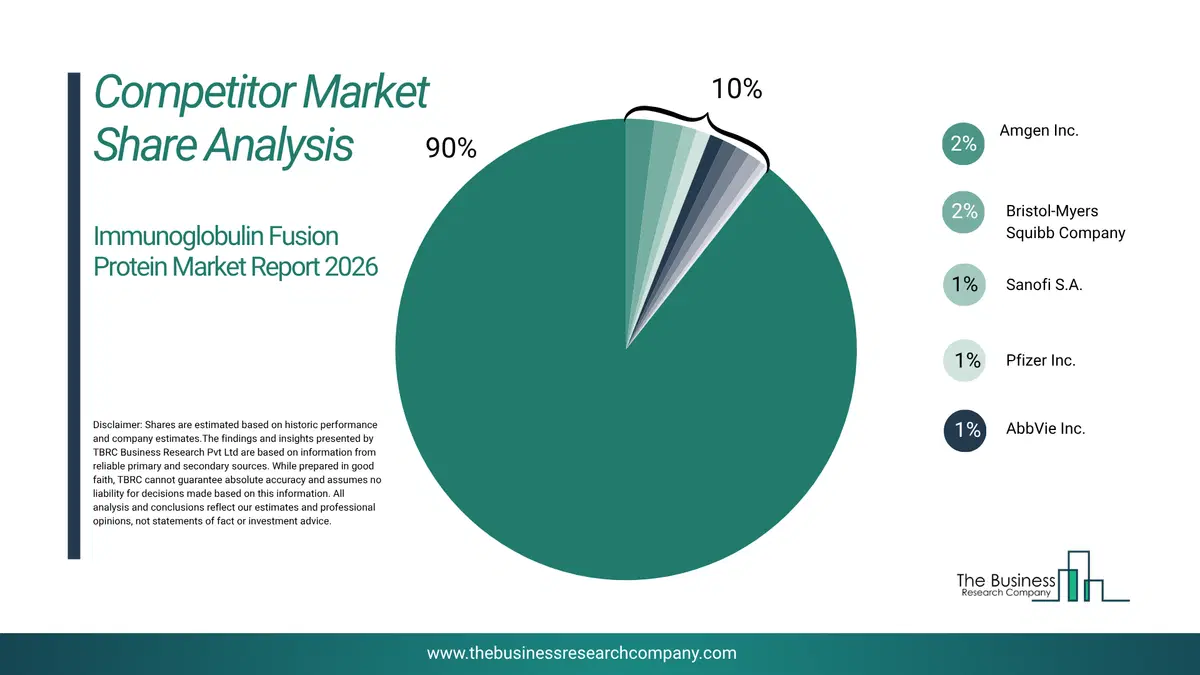
This chart is for illustrative purposes; the full report includes a detailed competitor analysis and comprehensive overview of the top 10 companies in the market.
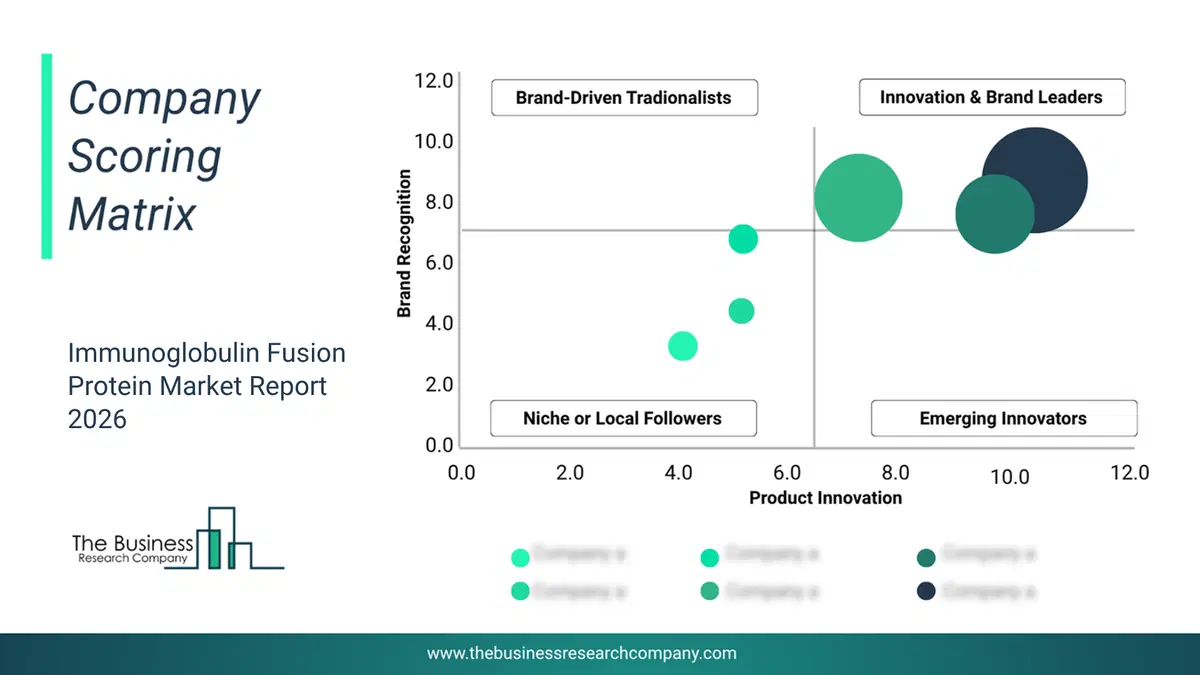
This chart maps companies by product innovation and brand strength, with bubble size indicating relative revenue, helping identify market leaders, challengers, and niche players. This is an illustrative chart; the full report provides a complete and accurate competitive analysis.
Global Immunoglobulin Fusion Protein Market Trends and Insights
Major companies operating in the immunoglobulin fusion protein market are focusing on conducting clinical trials to develop innovative products such as bispecific antibody fusion protein to enhance therapeutic efficacy and target multiple disease pathways. A bispecific antibody fusion protein refers to a genetically engineered molecule that can simultaneously bind two different targets, helping to enhance targeted therapy by bringing immune cells closer to tumor cells or blocking multiple disease pathways at once. For instance, in February 2025, Innovent Biologics, Inc., a China-based biotechnology company, received its second Fast Track Designation (FTD) from the U.S. Food and Drug Administration (FDA) for IBI343, a bispecific antibody fusion protein targeting advanced solid tumors. IBI343 is designed to simultaneously engage tumor-associated antigens and immune effector cells, thereby enhancing the precision and potency of anti-tumor immune responses. This designation is expected to accelerate the clinical development and regulatory review of IBI343, reflecting its potential to address significant unmet medical needs in oncology.What Are Latest Mergers And Acquisitions In The Immunoglobulin Fusion Protein Market?
In April 2023, Yuhan Corporation, a South Korea-based pharmaceutical company, acquired Progen Inc. for an undisclosed amount. With this acquisition, Yuhan Corporation aims to enhance its capabilities in developing multi-target antibody therapeutics and strengthen both domestic and international partnerships by establishing an Open Innovation Center with Progen. Progen Inc. is a South Korea-based biotechnology company that specializes in providing immunoglobulin fusion protein.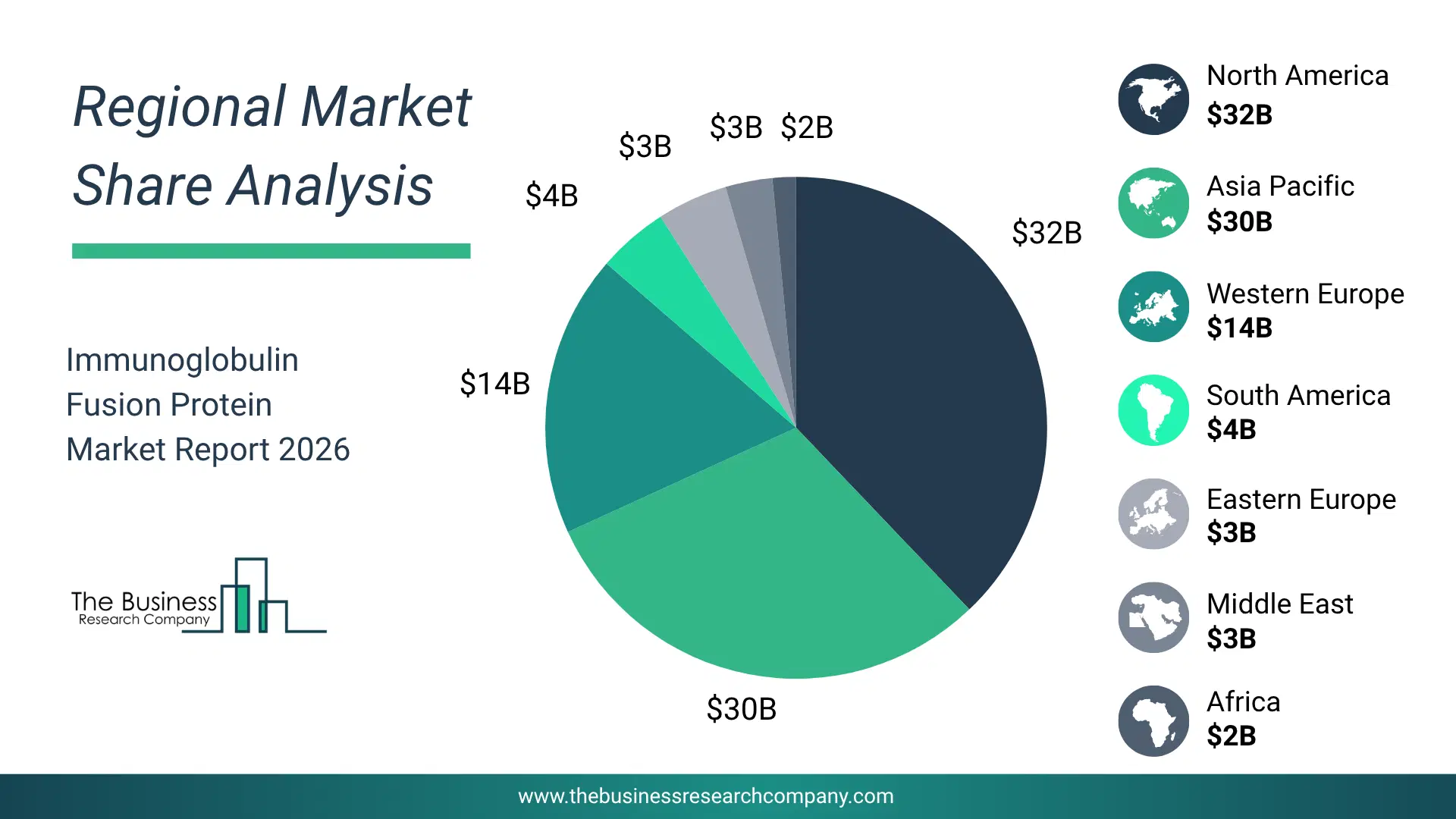
Regional Insights
North America was the largest region in the immunoglobulin fusion proteins market in 2025. Asia-Pacific is expected to be the fastest-growing region in the forecast period. The regions covered in this market report are Asia-Pacific, South East Asia, Western Europe, Eastern Europe, North America, South America, Middle East, Africa. The countries covered in this market report are Australia, Brazil, China, France, Germany, India, Indonesia, Japan, Taiwan, Russia, South Korea, UK, USA, Canada, Italy, Spain.What Defines the Immunoglobulin Fusion Protein Market?
The immunoglobulin fusion protein market consists of sales of etanercept, abatacept, aflibercept, alefacept, and rilonacept. Values in this market are ‘factory gate’ values, that is the value of goods sold by the manufacturers or creators of the goods, whether to other entities (including downstream manufacturers, wholesalers, distributors and retailers) or directly to end customers. The value of goods in this market includes related services sold by the creators of the goods.How is Market Value Defined and Measured?
The market value is defined as the revenues that enterprises gain from the sale of goods and/or services within the specified market and geography through sales, grants, or donations in terms of the currency (in USD unless otherwise specified). The revenues for a specified geography are consumption values that are revenues generated by organizations in the specified geography within the market, irrespective of where they are produced. It does not include revenues from resales along the supply chain, either further along the supply chain or as part of other products.
This chart presents market attractiveness based on a quantitative evaluation of growth, competition, strategic alignment, and risk, offering a clear view of opportunity areas for decision-making. This chart is for illustrative purposes; the full report contains the complete analysis.

This chart highlights the Total Addressable Market (TAM) by estimating the maximum revenue opportunity using an assumption-driven approach, supporting strategic planning and opportunity sizing across markets. The chart is illustrative; the full report provides a more comprehensive analysis.
What Key Data and Analysis Are Included in the Immunoglobulin Fusion Protein Market Report 2026?
The immunoglobulin fusion protein market research report is one of a series of new reports from The Business Research Company that provides market statistics, including industry global market size, regional shares, competitors with the market share, detailed market segments, market trends and opportunities, and any further data you may need to thrive in the immunoglobulin fusion protein industry. The market research report delivers a complete perspective of everything you need, with an in-depth analysis of the current and future state of the industry.Immunoglobulin Fusion Protein Market Report Forecast Analysis
| Report Attribute | Details |
|---|---|
| Market Size Value In 2026 | $52.44 billion |
| Revenue Forecast In 2030 | $87.21 billion |
| Growth Rate | CAGR of 13.6% from 2026 to 2030 |
| Base Year For Estimation | 2025 |
| Actual Estimates/Historical Data | 2020-2025 |
| Forecast Period | 2026 - 2030 |
| Market Representation | Revenue in USD Billion and CAGR from 2026 to 2030 |
| Segments Covered | Type, Drug Class, Mode of Administration, Application, End User |
| Regional Scope | Asia-Pacific, Western Europe, Eastern Europe, North America, South America, Middle East, Africa |
| Country Scope | The countries covered in the report are Australia, Brazil, China, France, Germany, India, ... |
| Key Companies Profiled | Amgen Inc., Pfizer Inc., Swedish Orphan Biovitrum AB (Sobi), Regeneron Pharmaceuticals Inc., Sanofi S.A., AbbVie Inc., Bristol-Myers Squibb Company, Roche Holding AG, Genentech Inc., UCB S.A., AstraZeneca PLC, CSL Behring, Takeda Pharmaceutical Company Limited, Novartis AG, Merck & Co. Inc., Biogen Inc., Horizon Therapeutics (Amgen subsidiary), Kyowa Kirin Co. Ltd., Ultragenyx Pharmaceutical Inc., Apellis Pharmaceuticals Inc., Alexion Pharmaceuticals (AstraZeneca subsidiary), Argenx SE, HanAll Biopharma Co. Ltd., Innovent Biologics Inc., 3SBio Inc. |
| Customization Scope | Request for Customization |
| Pricing And Purchase Options | Explore Purchase Options |