

Osteoarthritis Market Report 2026
Global Outlook – By Treatment (Medication, Surgery, Therapy), By Diagnosis (Imaging, Joint Fluid Analysis), By Route Of Administration (Parenteral Route, Topical Route, Oral Route), By Disease Type (Knee Osteoarthritis, Spine Osteoarthritis, Foot And Ankle Osteoarthritis, Shoulder Osteoarthritis, Hand Osteoarthritis), By End-User (Hospitals, Medical Institutes) - Market Size, Trends, And Global Forecast 2026-2030
Osteoarthritis Market Overview
• Osteoarthritis market size has reached to $7.49 billion in 2025 • Expected to grow to $11.92 billion in 2030 at a compound annual growth rate (CAGR) of 9.9% • Growth Driver: Rising Obesity-Related Disorders Fuel Growth In The Osteoarthritis Market • Market Trend: Partnership Approaches And Advanced Treatments Transform The Osteoarthritis Market • North America was the largest region in 2025.Market Gains By 2030 – Top Opportunities By Segment
Market Gain identifies the most promising market opportunities by highlighting the segments or products expected to generate the highest incremental revenue growth over the next five years.
What Is Covered Under Osteoarthritis Market?
Osteoarthritis is a form of arthritis that solely affects the joints, typically the hands, knees, hips, neck and lower back. It develops when the cartilage that covers and shields the ends of the bones gradually erodes. Osteoarthritis treatment aims to reduce pain, improve joint function and slow down the progression of the disease. The main treatments for osteoarthritis are medication, surgery and therapy. Medication refers to the use of medications or medicine to treat or relieve a certain condition or illness. Osteoarthritis pain can be reduced with the use of medications including nonsteroidal anti-inflammatory drugs (NSAIDs), acetaminophen and opioids. The diagnosis includes imaging and joint fluid analysis. The medication can be administered through the parenteral route, topical route and oral routes for the treatment of knee osteoarthritis, spine osteoarthritis, foot and ankle osteoarthritis, shoulder osteoarthritis and hand osteoarthritis. The end-users are hospitals and medical institutes.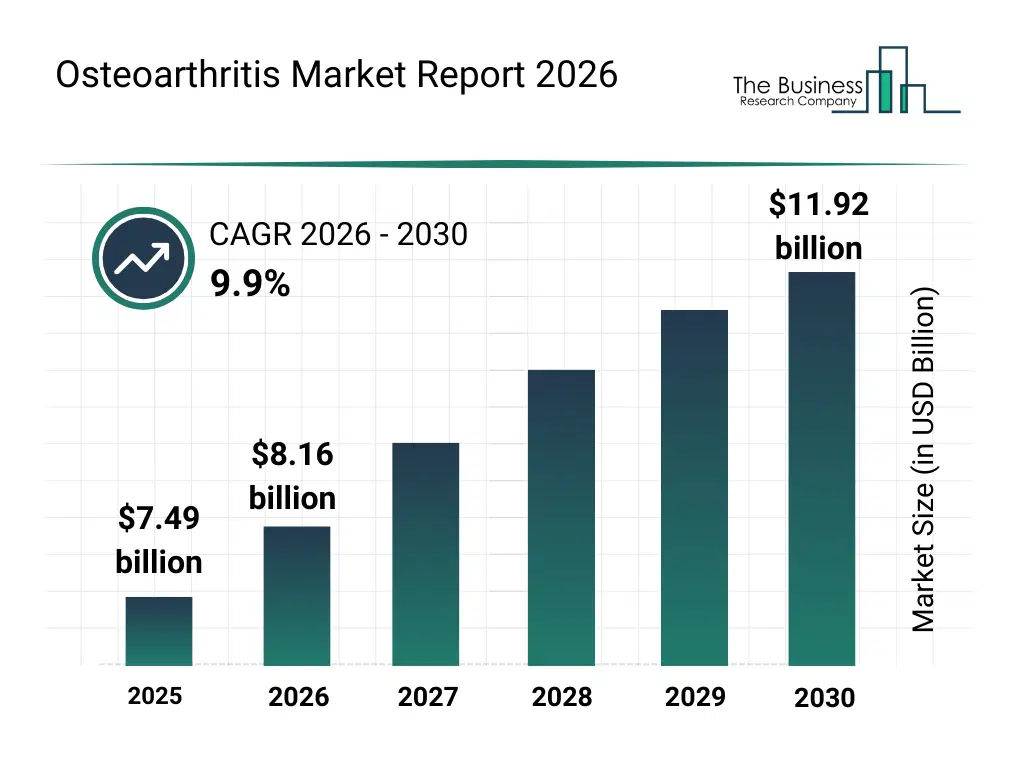
What Is The Osteoarthritis Market Size and Share 2026?
The osteoarthritis market size has grown strongly in recent years. It will grow from $7.49 billion in 2025 to $8.16 billion in 2026 at a compound annual growth rate (CAGR) of 8.9%. The growth in the historic period can be attributed to rising prevalence of osteoarthritis globally, limited availability of advanced joint therapies in early periods, increasing aging population with joint degeneration, early adoption of conventional medications and surgeries, growing awareness of joint health and pain management.What Is The Osteoarthritis Market Growth Forecast?
The osteoarthritis market size is expected to see strong growth in the next few years. It will grow to $11.92 billion in 2030 at a compound annual growth rate (CAGR) of 9.9%. The growth in the forecast period can be attributed to rising adoption of minimally invasive and robotic-assisted surgeries, increasing use of biologics and dmoads, expanding healthcare infrastructure for joint care, growing adoption of digital diagnostics and ai-based monitoring, increasing patient awareness of lifestyle and weight management programs. Major trends in the forecast period include rising adoption of minimally invasive joint replacement surgeries, increasing use of biologic therapies and hyaluronic acid injections, growing integration of digital imaging and ai-based diagnostics, rising focus on personalized osteoarthritis management plans, increasing investment in physical therapy and rehabilitation programs.
Global Osteoarthritis Market Segmentation
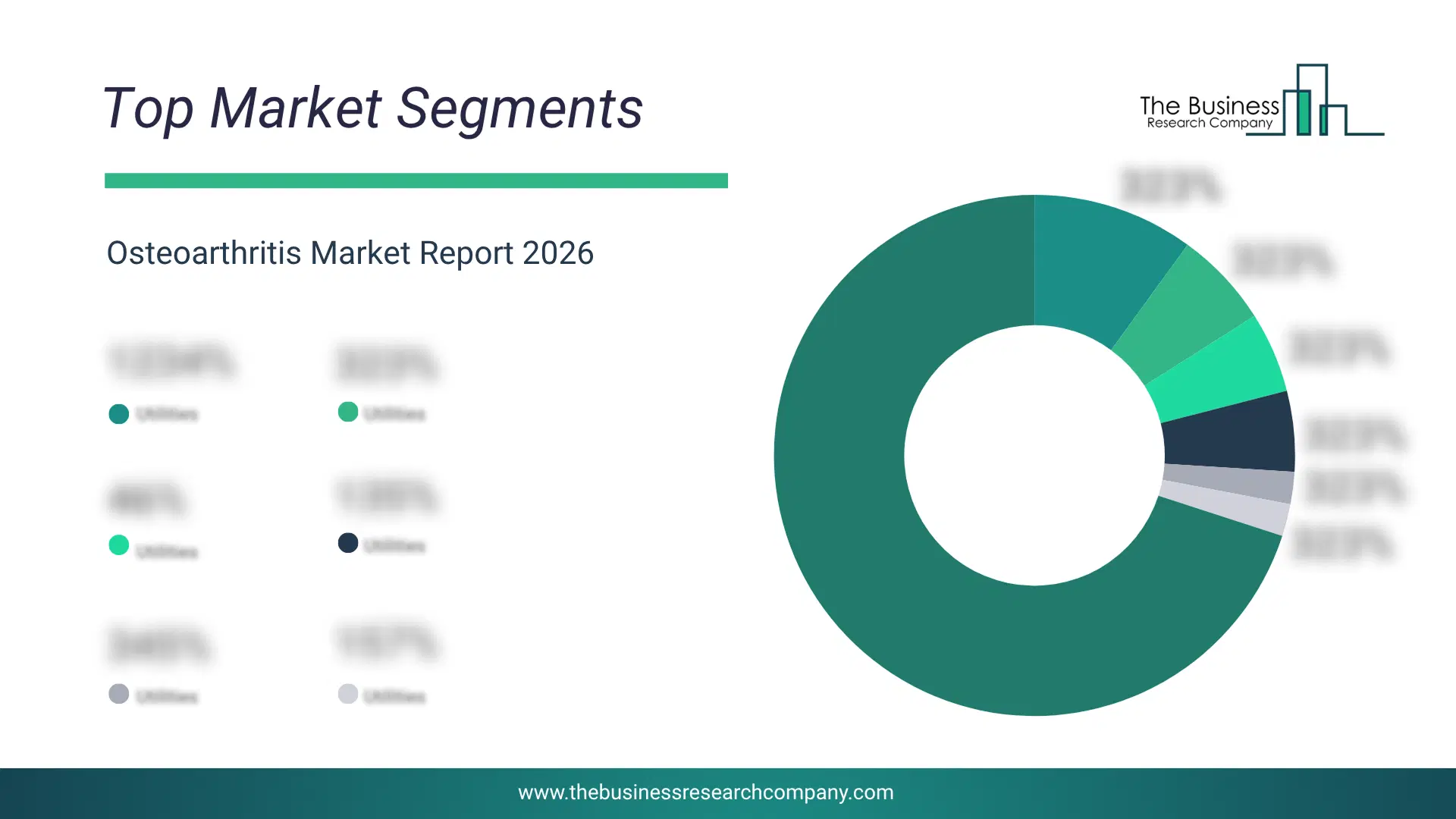
1) By Treatment: Medication, Surgery, Therapy 2) By Diagnosis: Imaging, Joint Fluid Analysis 3) By Route Of Administration: Parenteral Route, Topical Route, Oral Route 4) By Disease Type: Knee Osteoarthritis, Spine Osteoarthritis, Foot And Ankle Osteoarthritis, Shoulder Osteoarthritis, Hand Osteoarthritis 5) By End-User: Hospitals, Medical Institutes Subsegments: 1) By Medication: Pain Relievers, Corticosteroids, Hyaluronic Acid Injections, Disease-Modifying Osteoarthritis Drugs (DMOADs) 2) By Surgery: Joint Replacement Surgery, Arthroscopy, Osteotomy, Joint Fusion 3) By Therapy: Physical Therapy, Occupational Therapy, Weight Management Programs, Assistive Devices The top segments in the e-commerce furniture market will be: • Ready-To-Assemble (RTA) will reach $30.85 Billion by 2030. • Assembled will reach $16.83 Billion by 2030. The top segments in the osteoarthritis market will be: • Medication will reach $5.55 Billion by 2030. • Therapy will reach $4.21 Billion by 2030. • Surgery will reach $2.07 Billion by 2030.What Is The Driver Of The Osteoarthritis Market?
The increasing obesity-related disorders are expected to boost the growth of the osteoarthritis market going forward. Obesity-related problems refer to a range of health issues that can arise from excessive body fat. It is caused by consuming more calories than the body burns through physical activity and exercise, eating large amounts of processed or fast food, and drinking too much alcohol. Obesity can induce osteoarthritis by putting strain on joints, producing inflammation, and altering hormones, thus increasing the load on the joints. For instance, in September 2024, according to the Centers for Disease Control and Prevention (CDC), a U.S.-based government agency, the number of states with adult obesity prevalence of 35% or higher rose from 22 states in 2022 to 23 states in 2023. Therefore, the increasing obesity-related disorders are driving the growth of the osteoarthritis industry.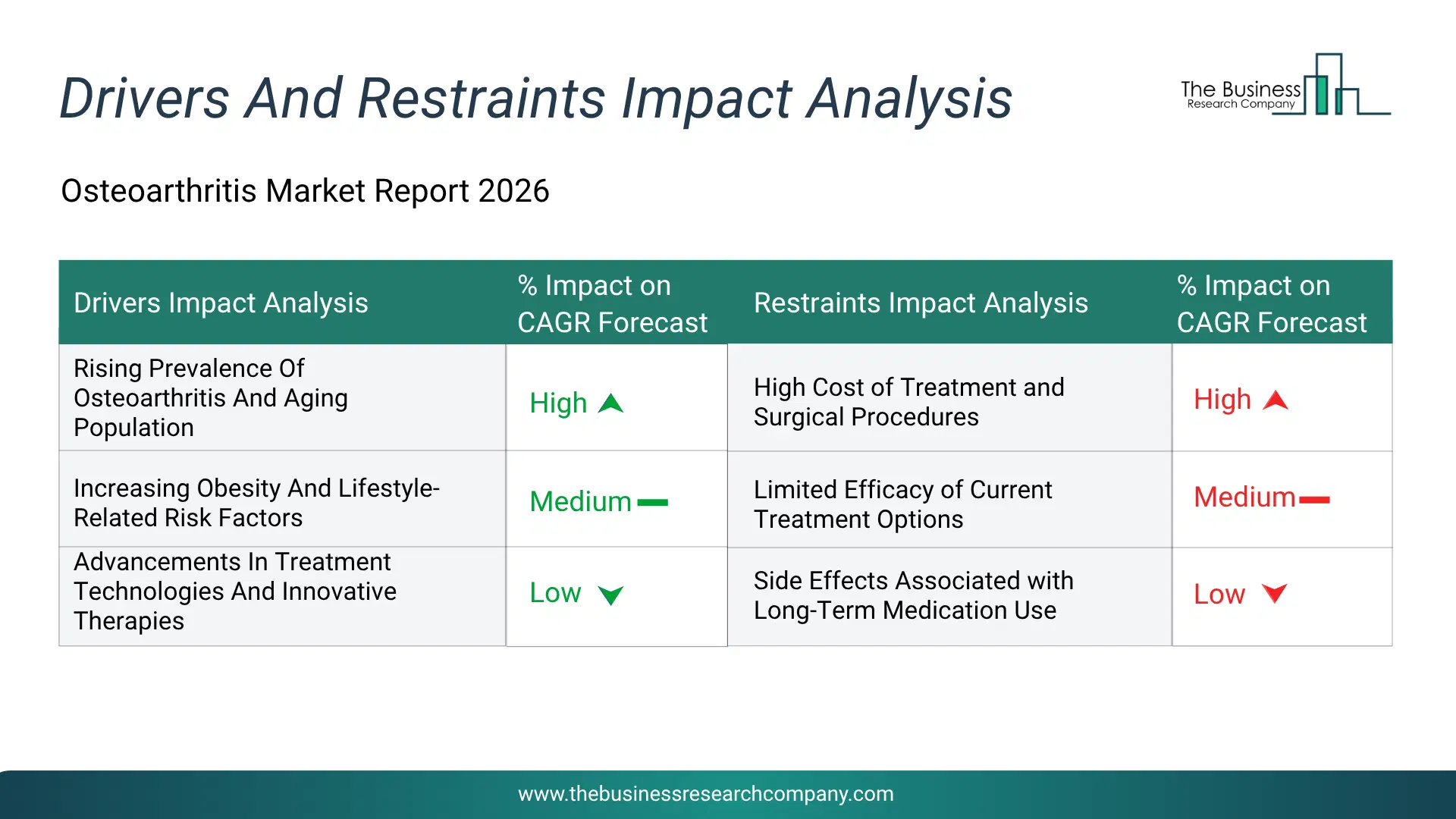
Infographic Chart Showing Key Market Drivers Analysis And Restraints For Osteoarthritis Market
The chart presents an impact analysis of key drivers and restraints, quantifying their relative influence on the market's growth rate and helping assess the balance between growth enablers and limiting factors. This chart offers a high-level perspective; the full report contains more detailed insights.
How Will The Drivers Impact Growth In The Global Osteoarthritis Market?
• Rising Prevalence Of Osteoarthritis And Aging Population (High) – During the forecast period, the rising prevalence of osteoarthritis and aging population is expected to become a key growth driver for the osteoarthritis market by 2030. The growing global elderly population is significantly increasing the number of individuals affected by degenerative joint disorders, particularly osteoarthritis. As aging weakens cartilage structure and joint flexibility, the demand for long-term treatment and pain management solutions continues to rise. This trend is encouraging healthcare providers to expand orthopedic care services and adopt advanced therapeutic approaches to improve patient mobility and quality of life. Additionally, increasing awareness regarding early diagnosis and disease management is supporting higher treatment adoption rates among aging populations. • Increasing Obesity And Lifestyle-Related Risk Factors (Medium) – During the forecast period, the increasing obesity and lifestyle-related risk factors are expected to emerge as a major factor driving the expansion of the osteoarthritis market by 2030. Rising obesity levels and sedentary lifestyles are contributing to increased stress on weight-bearing joints, leading to a higher incidence of osteoarthritis globally. Excess body weight accelerates cartilage degeneration and increases the likelihood of chronic joint pain and mobility limitations, thereby driving demand for medical intervention and rehabilitation services. In addition, changing lifestyle habits and reduced physical activity levels are further intensifying the burden of musculoskeletal disorders among both elderly and middle-aged populations. This growing patient pool is encouraging healthcare systems to strengthen osteoarthritis treatment capabilities through improved diagnostics and therapeutic offerings. • Advancements In Treatment Technologies And Innovative Therapies (Low) – During the forecast period, the advancements in treatment technologies and innovative therapies are expected to act as a key growth catalyst for the osteoarthritis market by 2030. Continuous advancements in treatment technologies are accelerating the development of more effective and patient-focused osteoarthritis therapies. Innovations such as regenerative medicine, biologic injections, minimally invasive surgical procedures, and advanced pain management solutions are improving treatment outcomes and reducing recovery times for patients. These developments are encouraging greater adoption of modern therapeutic options across hospitals, orthopedic clinics, and rehabilitation centers. Furthermore, increasing research activities focused on disease-modifying osteoarthritis drugs and precision medicine approaches are strengthening the long-term potential of the market.How Will The Restraints Impact Growth In The Global Osteoarthritis Market?
• High Cost of Treatment and Surgical Procedures (High) – During the forecast period, the high cost of treatment and surgical procedures acts as a major restraint in the osteoarthritis market by limiting patient access to advanced care. Treatments such as joint replacement surgeries, viscosupplementation, and long-term medication regimens can be expensive, especially in low- and middle-income regions. Many patients lack adequate insurance coverage, increasing out-of-pocket expenses. This financial burden discourages timely diagnosis and treatment adherence. As a result, market growth is hindered due to reduced adoption of premium therapies and services. • Limited Efficacy of Current Treatment Options (Medium) – During the forecast period, the limited efficacy of current treatment options significantly restrains the osteoarthritis market as most therapies focus on symptom management rather than disease modification. Available medications such as analgesics and corticosteroids provide temporary pain relief but do not reverse cartilage degeneration. This leads to recurring symptoms and patient dissatisfaction over time. The lack of curative or regenerative therapies reduces long-term treatment effectiveness. Consequently, the market faces challenges in achieving sustained growth due to unmet clinical needs. • Side Effects Associated with Long-Term Medication Use (Low) – During the forecast period, the side effects associated with long-term medication use act as a key restraint in the osteoarthritis market by limiting continuous drug utilization. Common treatments such as NSAIDs and corticosteroids can cause adverse effects including gastrointestinal issues, cardiovascular risks, and kidney complications. These safety concerns make both physicians and patients cautious about prolonged use. As a result, treatment adherence declines and alternative therapies are sought. This negatively impacts the overall demand for pharmaceutical interventions in the market.Key Players In The Global Osteoarthritis Market
Major companies operating in the osteoarthritis market are Pfizer Inc., Johnson & Johnson, Merck Sharp & Dohme Corp., Abbvie Inc., Bayer AG, Novartis AG, Sanofi SA, AstraZeneca plc, Abbott Laboratories Incorporation, Eli Lilly and Company, Boehringer Ingelheim, Novo Nordisk A/S, Teva Pharmaceutical Industries Ltd., Regeneron Pharmaceuticals Inc., Mylan N.V., Astellas Pharma Inc., Zimmer Biomet Holdings Inc., Eisai Co. Ltd., Horizon Therapeutics plc, Apotex Inc., Mallinckrodt Pharmaceuticals, Pacira BioSciences Inc., Bioventus Inc., Endo Pharmaceuticals Inc., Assertio Therapeutics Inc., Anika Therapeutics Inc., Abiogen Pharma Spa, Kolon TissueGene Inc., Ampio Pharmaceuticals Inc.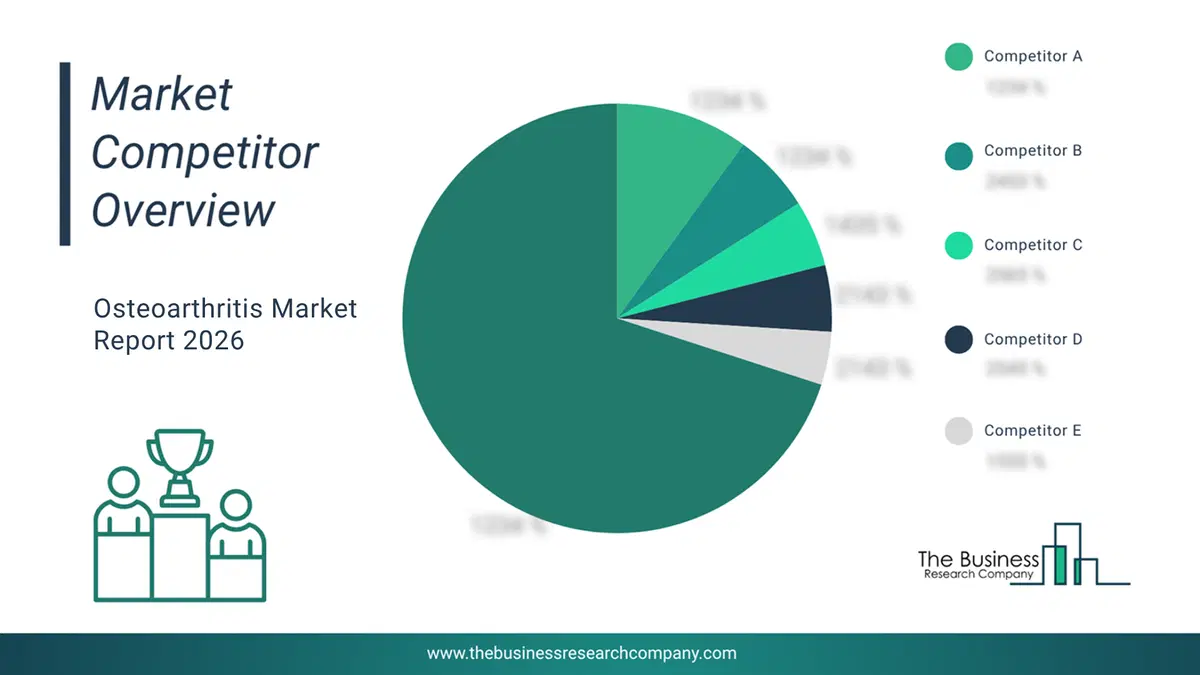
This chart is for illustrative purposes; the full report includes a detailed competitor analysis and comprehensive overview of the top 10 companies in the market.
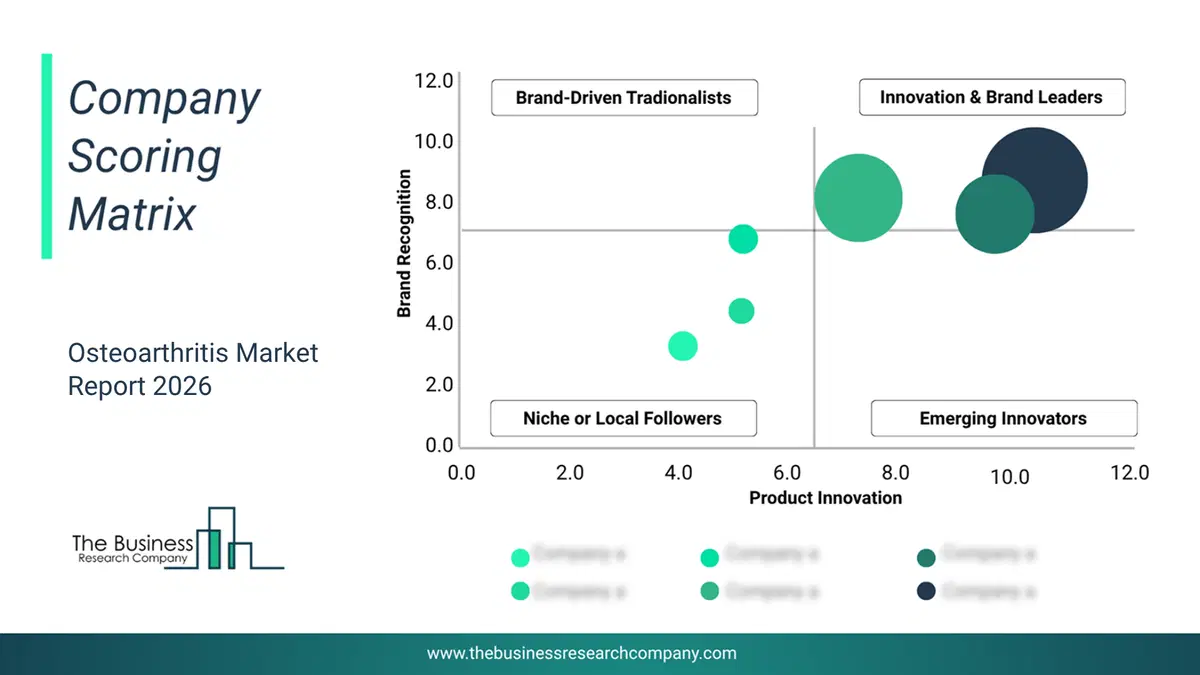
This chart maps companies by product innovation and brand strength, with bubble size indicating relative revenue, helping identify market leaders, challengers, and niche players. This is an illustrative chart; the full report provides a complete and accurate competitive analysis.
Global Osteoarthritis Market Trends and Insights
Major companies operating in the osteoarthritis market are adopting a strategic partnership approach to enhance technology integration and expand market reach. A strategic partnership typically refers to a collaborative relationship between two or more organizations where they combine their resources, expertise, and efforts to achieve common goals or objectives. For instance, in July 2024, LG Chem, a South Korea-based pharmaceutical company, entered the Chinese market through a partnership with Yifan Pharmaceutical Co., Ltd., a China-based pharmaceutical research and production company, to launch Synovian injection for osteoarthritis and provide similar therapeutic effects to traditional multi-injection formulations but with just one administration. Unique features of Synovian include its high molecular weight (10 million Dalton) hyaluronic acid, which enhances viscoelasticity and joint function, and its ability to significantly reduce knee pain based on clinical phase 3 trial results. This advancement positions Synovian as an effective option for patients seeking convenient relief from osteoarthritis symptoms.What Are Latest Mergers And Acquisitions In The Osteoarthritis Market?
In November 2023, Smith & Nephew, a UK-based medical-technology company specializing in orthopaedics, sports medicine, arthroscopic technologies, and wound care, acquired CartiHeal for US$180 million upfront. With this acquisition, Smith & Nephew aims to expand its osteoarthritis and joint-repair portfolio through the integration of a biologic cartilage-regeneration technology, strengthening its long-term leadership in sports medicine. CartiHeal is an Israel-based developer of the Agili-C scaffold, a porous, biocompatible implant designed for one-step cartilage and subchondral bone repair in knees with osteochondral lesions, including those in mild to moderate osteoarthritis.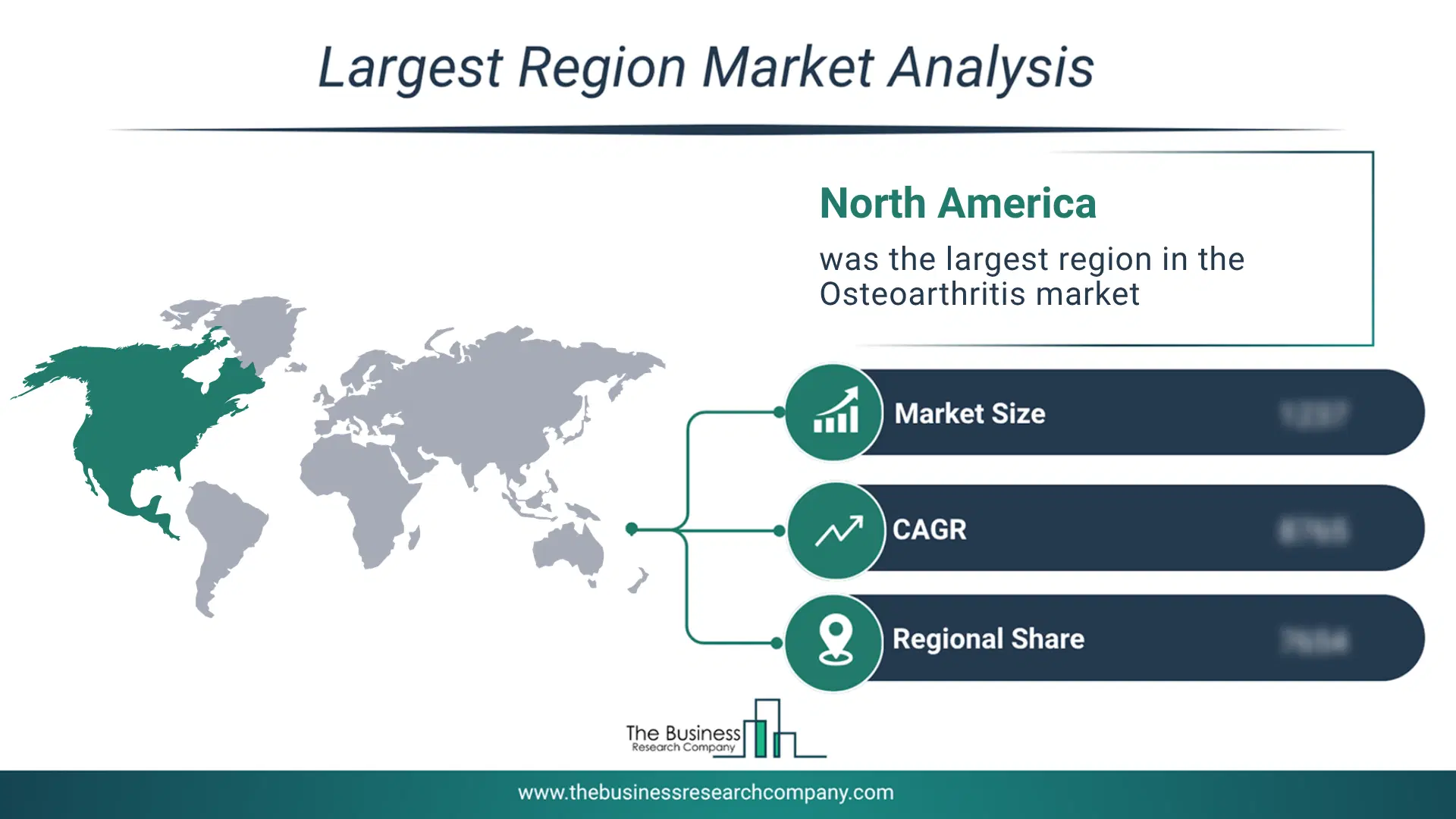
Regional Outlook
North America was the largest region in the osteoarthritis market in 2025. The regions covered in this market report are Asia-Pacific, South East Asia, Western Europe, Eastern Europe, North America, South America, Middle East, Africa. The countries covered in this market report are Australia, Brazil, China, France, Germany, India, Indonesia, Japan, Taiwan, Russia, South Korea, UK, USA, Canada, Italy, Spain.What Defines the Osteoarthritis Market?
The osteoarthritis market consists of revenues earned by entities by providing services such as physical therapy, occupational therapy, weight management, exercise and physical activity, patient education, self-management programs and joint protection techniques. The market value includes the value of related goods sold by the service provider or included within the service offering. The osteoarthritis market also includes sales of viscosupplementation agents, analgesics, corticosteroids and assistive devices such as braces, canes, or shoe inserts. Values in this market are ‘factory gate’ values, that is the value of goods sold by the manufacturers or creators of the goods, whether to other entities (including downstream manufacturers, wholesalers, distributors and retailers) or directly to end customers. The value of goods in this market includes related services sold by the creators of the goods.How is Market Value Defined and Measured?
The market value is defined as the revenues that enterprises gain from the sale of goods and/or services within the specified market and geography through sales, grants, or donations in terms of the currency (in USD unless otherwise specified). The revenues for a specified geography are consumption values that are revenues generated by organizations in the specified geography within the market, irrespective of where they are produced. It does not include revenues from resales along the supply chain, either further along the supply chain or as part of other products.
This chart presents market attractiveness based on a quantitative evaluation of growth, competition, strategic alignment, and risk, offering a clear view of opportunity areas for decision-making. This chart is for illustrative purposes; the full report contains the complete analysis.

This chart highlights the Total Addressable Market (TAM) by estimating the maximum revenue opportunity using an assumption-driven approach, supporting strategic planning and opportunity sizing across markets. The chart is illustrative; the full report provides a more comprehensive analysis.
What Key Data and Analysis Are Included in the Osteoarthritis Market Report 2026?
The osteoarthritis market research report is one of a series of new reports from The Business Research Company that provides market statistics, including industry global market size, regional shares, competitors with the market share, detailed market segments, market trends and opportunities, and any further data you may need to thrive in the osteoarthritis industry. The market research report delivers a complete perspective of everything you need, with an in-depth analysis of the current and future state of the industry.Osteoarthritis Market Report Forecast Analysis
| Report Attribute | Details |
|---|---|
| Market Size Value In 2026 | $8.16 billion |
| Revenue Forecast In 2030 | $11.92 billion |
| Growth Rate | CAGR of 8.9% from 2026 to 2030 |
| Base Year For Estimation | 2025 |
| Actual Estimates/Historical Data | 2020-2025 |
| Forecast Period | 2026 - 2030 |
| Market Representation | Revenue in USD Billion and CAGR from 2026 to 2030 |
| Segments Covered | Treatment, Diagnosis, Route Of Administration, Disease Type, End-User |
| Regional Scope | Asia-Pacific, Western Europe, Eastern Europe, North America, South America, Middle East, Africa |
| Country Scope | The countries covered in the report are Australia, Brazil, China, France, Germany, India, Indonesia, Japan, Taiwan, Russia, South Korea, UK, USA, Canada, Italy, Spain. |
| Key Companies Profiled | Pfizer Inc., Johnson & Johnson, Merck Sharp & Dohme Corp., Abbvie Inc., Bayer AG, Novartis AG, Sanofi SA, AstraZeneca plc, Abbott Laboratories Incorporation, Eli Lilly and Company, Boehringer Ingelheim, Novo Nordisk A/S, Teva Pharmaceutical Industries Ltd., Regeneron Pharmaceuticals Inc., Mylan N.V., Astellas Pharma Inc., Zimmer Biomet Holdings Inc., Eisai Co. Ltd., Horizon Therapeutics plc, Apotex Inc., Mallinckrodt Pharmaceuticals, Pacira BioSciences Inc., Bioventus Inc., Endo Pharmaceuticals Inc., Assertio Therapeutics Inc., Anika Therapeutics Inc., Abiogen Pharma Spa, Kolon TissueGene Inc., Ampio Pharmaceuticals Inc. |
| Customization Scope | Request for Customization |
| Pricing And Purchase Options | Explore Purchase Options |